

We may earn a commission when you buy through links on this page, at no extra cost to you. Learn more.
Darioush wine is the range of Cabernet Sauvignon and other bottlings from Darioush, a Napa Valley winery known for its flagship Signature Cabernet Sauvignon and its top-tier Darius II. The estate sources fruit from cooler sites in southern Napa Valley and from a few nearby appellations, and the wines are built to age. This guide explains who makes Darioush wine, how the lineup is organized, what the wines taste like, and how to serve and pair them.
If you have seen the name on a restaurant list or a shelf in a Napa tasting room and wondered what makes it different from other premium California reds, this page gives a clear starting point. It is written for buyers who want a practical overview before choosing a bottle.
Who Makes Darioush Wine and Where the Grapes Come From
Darioush is a family-run estate that reviewers often describe as one of the more visually striking wineries in Napa Valley. The winery’s own website says the proprietor is a second-generation member of the family, and the building is styled after Persepolis, the ancient Persian capital. That architectural theme is deliberate. The brand has long tied its identity to Iranian winemaking history, and the producer has promoted that link through its visitor experience and its book on Persian wine traditions.
The vineyard story matters more than the architecture for most drinkers. According to wine press coverage, the founders put much of their early effort into site selection rather than chasing the most famous valley floor parcels. The estate focuses on cooler pockets in the southern part of the valley, where longer, gentler ripening tends to preserve acidity and structure in the grapes. The winery’s site lists estate vineyards in the Mount Veeder and Napa Valley appellations, along with Los Carneros fruit for its Chardonnay.
The Darioush Lineup: Signature, Darius II and the Rest
The range is simpler to understand once you separate the everyday Signature line from the premium bottlings above it. The Signature wines are the core of the portfolio, while Darius II sits at the top as the estate’s most prized blend. Producer materials describe Darius II as the crown jewel of the estate, and the label art on that bottling has been used for limited-edition collectibles.
The table below summarizes the main categories based on the producer’s own descriptions. Vintages and availability change every year, so check the current release before you buy.
| Tier | Wines named by the producer | What to know |
|---|---|---|
| Signature | Cabernet Sauvignon, Pinot Noir, Chardonnay | The core lineup. The Cabernet Sauvignon is the flagship red and the most widely known bottling. |
| Top tier | Darius II | Described as the crown jewel of the estate, drawn from selected barrels of the best vintages. |
| Varietal focus | Cabernet-based reds | Cabernet Sauvignon is the anchor. Expect dark fruit, structure and oak influence. |
Tip: If a retailer lists a Darioush bottling without a vintage, check the producer’s site first. Older and newer releases can taste quite different, and a specific year can change what you should expect from the wine.
Flavor Profile and Style of Darioush Wine
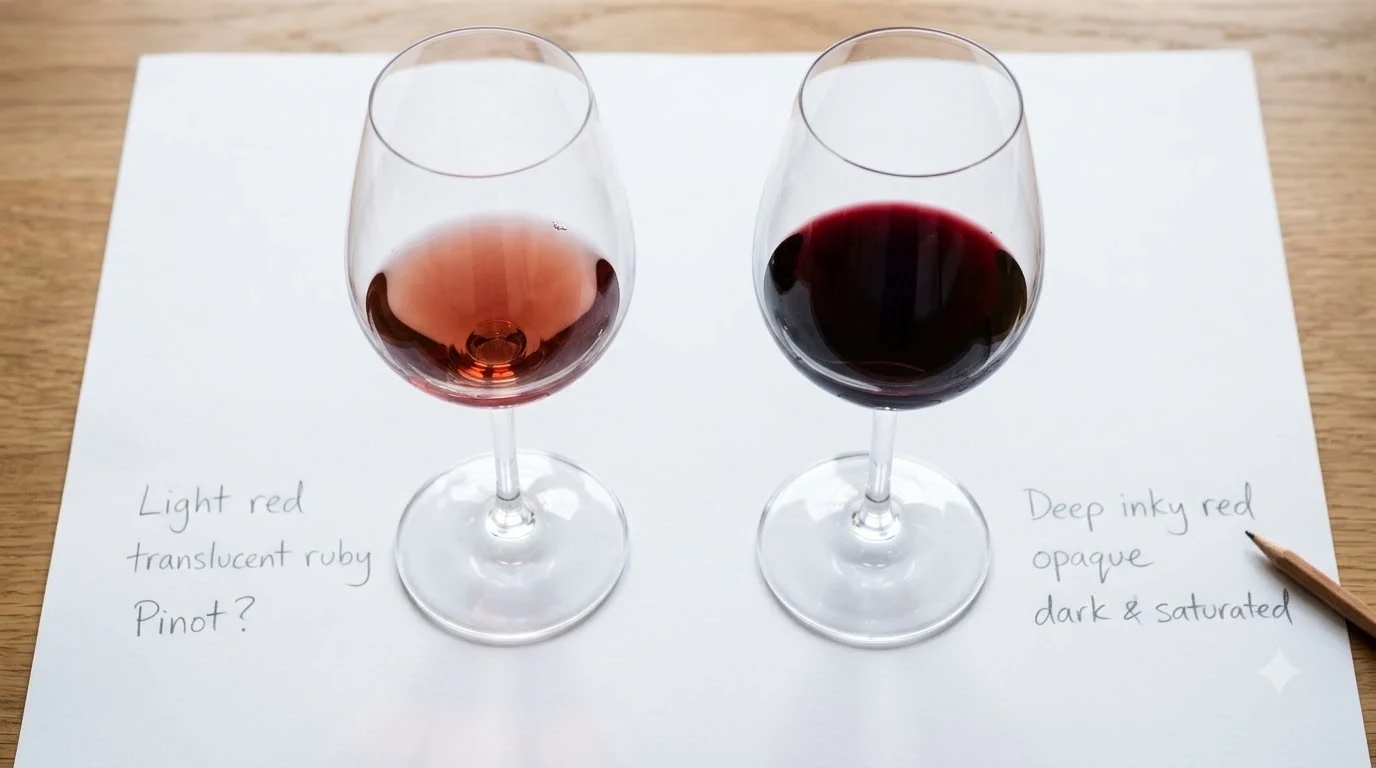
Most Darioush reds follow a Napa Cabernet pattern with a clear identity of their own. Reviewers commonly note ripe blackcurrant and dark cherry fruit, with notes of cedar, graphite and dark chocolate as the wine ages. The tannins are typically firm but polished, which is why many people find the wines approachable young and still rewarding after several years in the cellar.
Because the vineyards sit in cooler areas, the wines are often described as balanced rather than heavy. Acidity keeps the fruit lively, and the oak is generally integrated into the structure instead of dominating it. That balance is the main reason the flagship tends to appear in lists of top California Cabernets from critics such as Wine Spectator.
The white and Pinot Noir bottlings follow a more restrained path. Chardonnay from cooler sites usually shows citrus and stone fruit with a creamy texture, while Pinot Noir from the Russian River Valley is lighter, with red berry and earthy notes. For most shoppers, the Cabernet is the reason to buy the brand, and the other wines are a bonus.
How to Serve Darioush Wine at Its Best
Serving temperature and glassware make a noticeable difference with a structured red like the Signature Cabernet. Most sommeliers suggest serving it slightly cooler than the room, not warm, so the fruit stays bright and the tannins do not feel hot. Opening the bottle a while before pouring helps young wines open up, and a decanter can soften a bottle that still feels tight.
Use a large Bordeaux-style glass to give the wine room to breathe. A bigger bowl lets the aromas develop without pushing the alcohol to the front. If you plan to keep a bottle for several years, store it on its side in a cool, dark place with steady temperature and humidity.
Food Pairings That Work Well With Darioush Reds
A full Napa Cabernet like Darioush pairs best with foods that have enough fat and savory depth to match its structure. Grilled or roasted red meats are the classic choice, especially a ribeye or lamb chops with rosemary. Aged hard cheeses such as Parmigiano-Reggiano or aged Cheddar also work well, because the salt and fat soften the tannins.
For a lighter meal, the Pinot Noir suits roasted chicken, mushrooms and salmon, while the Chardonnay pairs with creamy pasta, roast pork and grilled shrimp. When you are unsure, match the intensity of the sauce to the intensity of the wine: a rich sauce can carry a big red, while a bright, acidic dish needs a lighter pour.
Who Darioush Wine Suits and Who Might Skip It
Darioush wines are aimed at buyers who want a premium Napa experience and are willing to pay for it. They suit people who enjoy structured, age-worthy reds, and they make a strong gift for someone who already knows California Cabernet. The brand also appeals to collectors who value its architecture and its story as much as the wine itself.
Shoppers who prefer soft, fruit-forward wines for everyday drinking may find the style too firm when young. Those on a tight budget may also prefer to explore other Napa producers or entry-level California Cabernets first. A good approach is to start with a Signature bottle, see how the wine develops, and move up to a premium tier only after you know your own taste.
For more context on how the brand fits into the wider category, see our overview of Wine Brands. If you want a lighter, everyday pour to compare against a full Napa red, barefoot wine offers an easy-drinking contrast.
Frequently Asked Questions
Is Darioush wine the same as Darioush Cabernet?
Not exactly. Darioush Cabernet Sauvignon is the flagship bottling, but the winery also produces Pinot Noir and Chardonnay under its Signature line, plus a top-tier blend called Darius II. Check the label to see which wine you are buying.
Where is the Darioush winery located?
The winery is on the Silverado Trail in Napa, California. Its estate vineyards are in the Mount Veeder and Napa Valley appellations, and it sources Chardonnay from Los Carneros.
Does Darioush wine age well?
Premium Napa Cabernet is generally built to age, and the top bottlings are often recommended for several years in a cool cellar. Many people enjoy the Signature bottling young after decanting, while the top-tier wines reward patience.
What food goes best with Darioush Cabernet?
Grilled steak, lamb, roasted red meats and aged hard cheeses are classic partners. The fat and savory flavors help balance the wine’s firm tannins.
Darioush wine rewards readers who want to understand the bottle, not just the label. Start with the Signature Cabernet to learn the house style, then explore the higher tiers as your palate develops. For a wider view of brands and styles, return to Wine Brands and compare what you find.
More in Wine Brands
 Underwood Wine Price: Compare Bottles, Cans, and Pack SizesUpdated Nov 21, 2026
 Zenato Wine Price: Compare Styles and Choose the Right BottleUpdated Nov 21, 2026
 Zuccardi Wine Price: Compare Bottles and Find the Right RangeUpdated Nov 21, 2026
 Yellow Tail Moscato Review: Taste, Sweetness and Serving TipsUpdated Nov 21, 2026
 Wolf Blass Yellow Label Review: Choose Your Best StyleUpdated Nov 21, 2026
 Wolffer Estate Rose Review: Choose the Right Bottle for Your TableUpdated Nov 21, 2026