

We may earn a commission when you buy through links on this page, at no extra cost to you. Learn more.
For a direct cabernet sauvignon vs pinot grigio comparison, Cabernet Sauvignon is the bold, tannic red for richer meals, while Pinot Grigio is usually a crisp, lighter-bodied white for seafood, salads, and easygoing dishes. The grapes produce wines with different colors, textures, serving temperatures, and food matches. Choose Cabernet when you want dark fruit and structure; choose Pinot Grigio when freshness and subtle fruit are the priority.
These two familiar names can appear on the same restaurant list, but they do very different jobs at the table. The right choice depends less on which grape is “better” and more on the dish, the setting, and how much weight you want in the glass. This comparison covers the usual styles first, then explains the regional exceptions that make both grapes more interesting.
At a Glance: Two Different Wine Experiences
Cabernet Sauvignon is generally a dry red wine with full body, firm tannins, and concentrated dark-fruit flavors. Pinot Grigio is generally a dry white wine with light body, refreshing acidity, and delicate citrus or orchard-fruit notes.
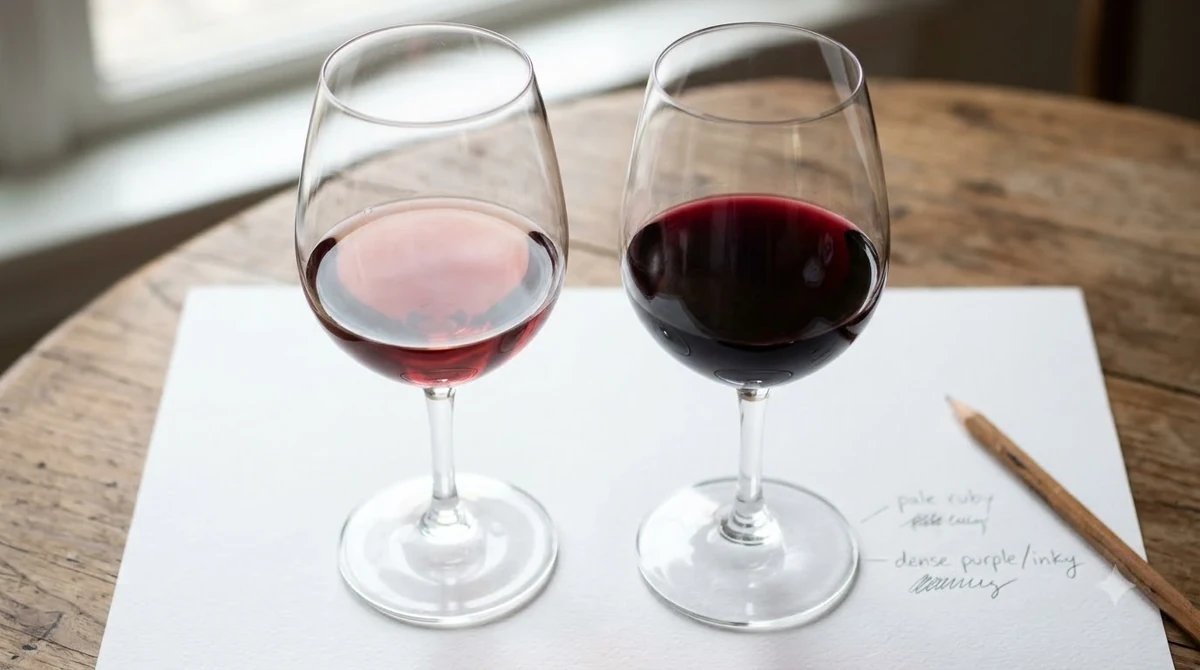
That difference is immediately visible. Cabernet Sauvignon is often deep ruby to nearly opaque, while Pinot Grigio is usually pale straw or light yellow. Cabernet feels more substantial because tannin and body create grip and weight across the palate; Pinot Grigio feels brisk and clean, with acidity providing most of its shape.
Think about the meal before choosing. A grilled ribeye, lamb chop, or hearty mushroom burger usually has enough richness and savory flavor for Cabernet’s structure. Shrimp, grilled sole, lemony pasta, or a fresh salad generally suits Pinot Grigio’s lighter frame. Neither grape is limited to one dish, but these starting points work for most standard bottlings.
It helps to think of the choice as a contrast in intensity rather than red versus white alone. Cabernet tends to stay present through rich sauces and browned meat, whereas a light Pinot Grigio can be overwhelmed by smoke, char, or a heavily reduced sauce. For more comparisons built around practical choices, see our Wine vs Wine guide.
Body, Tannin, Acidity, and Alcohol
The clearest technical differences are body and tannin: Cabernet Sauvignon is typically full-bodied and high in tannin, while Pinot Grigio is usually light-bodied with little to no noticeable tannin. Pinot Grigio’s freshness comes from acidity, which is typically medium to high and especially lively in cool-climate Italian examples.
Tannin is the drying, gently gripping sensation that can make Cabernet feel firm around the gums and tongue. It comes largely from grape skins, seeds, and sometimes oak influence during winemaking. Cabernet’s thick skins contribute to its firm texture and deep color. A well-made Cabernet can feel smooth even with high tannin, but it still has more structure than a typical white.
Pinot Grigio has much less skin-derived tannin in its usual white-wine form. Its acidity makes the mouth water and gives citrus, green apple, pear, or lemon flavors a crisp finish. Some versions have a rounder middle palate, especially those from Friuli or warmer growing areas, but they usually remain more refreshing than weighty. Cabernet can also have noticeable acidity, but its signature impression is the combination of dark fruit, body, and tannin.
| Typical feature | Cabernet Sauvignon | Pinot Grigio |
|---|---|---|
| Wine color | Deep ruby to dark purple | Pale straw to light yellow |
| Body | Full | Light to medium |
| Tannin | High; firm and grippy | Low in the usual white style |
| Acidity | Medium to high, depending on place and ripeness | Medium to high; often crisp |
| Typical serving range | 60–65°F for full-bodied reds | 45–50°F for light whites |
| Usual flavor direction | Blackcurrant, plum, cedar, tobacco | Lemon, pear, apple, white flowers |
Alcohol varies with producer, climate, and vintage, so it is not a reliable way to identify either grape on its own. Warm-climate Cabernet can feel richer, while cool-climate Pinot Grigio can feel especially lean. Compare structure and flavor rather than assuming every bottle has the same strength.
Flavor Profiles from First Pour to Finish
Cabernet Sauvignon favors dark fruit, savory notes, and oak-derived spice; Pinot Grigio favors citrus, orchard fruit, and a cleaner, lighter finish. The exact aromas change with ripeness, region, and cellar choices, so the descriptions below are common patterns rather than a checklist every bottle must meet.
In Cabernet Sauvignon, blackcurrant and cassis are classic markers. Riper examples can add black cherry, dark plum, or blackberry, while less-ripe fruit can show green bell pepper, capsicum, or leafy herbal notes. Decanter describes the grape’s range from herbaceous and grassy when less ripe to blackcurrant and cassis as it ripens, with oak bringing cedar, vanilla, tobacco, coffee, and spice. You can read its Cabernet Sauvignon profile for more detail on those classic traits.
Pinot Grigio is more likely to suggest lemon zest, lime, green apple, pear, white peach, melon, or a light floral note. Many Italian examples are intentionally clean and subtle, with mineral or saline impressions rather than an intense perfume. Wine Enthusiast describes the grape’s potential for pear, peach, and apple flavors supported by bright acidity, while noting that more distinctive Italian versions can offer greater texture and complexity. Its Italian Pinot Grigio feature is useful for understanding the range beyond simple, neutral styles.
Texture can change the impression as much as aroma. A lean Pinot Grigio feels taut and refreshing; a richer example may have a broader, slightly creamy texture without becoming heavy. Cabernet’s finish is usually longer and more drying, with fruit and savory notes lingering together. If you prefer a white wine with more pronounced herbal and citrus intensity, the comparison with Chenin Blanc vs Pinot Grigio can help you decide whether you want more acidity, fruit, or texture.
Growing Regions and Winemaking Choices
Region has a major effect on both grapes, but Cabernet Sauvignon is most closely associated with Bordeaux and Napa Valley, while Pinot Grigio is strongly linked to northeastern Italy. Climate, ripeness, vineyard site, and winemaking determine whether either wine tastes lean and restrained or rich and concentrated.
Cabernet Sauvignon is a thick-skinned, late-ripening grape that performs particularly well in the warm, gravelly soils of the Médoc in Bordeaux. It is often blended there with Merlot, Cabernet Franc, and Petit Verdot, combining Cabernet’s structure with other grapes’ fruit and texture. California, Washington State, Chile, and Australia are also important sources. Napa bottlings often emphasize ripe black fruit, while Bordeaux blends can lean toward cassis, cedar, savory herbs, and firmer acidity.
Pinot Grigio is widely associated with Veneto, Trentino-Alto Adige, and Friuli-Venezia Giulia in northeastern Italy. Veneto bottlings are often light and straightforward, while high-elevation Alto Adige wines can show a precise, refreshing character. Friuli, including Collio and Friuli Colli Orientali, can produce more textured wines with pear, apple, peach, and mineral notes. In these regions, hillside sites and local conditions help give some examples more depth than the familiar light aperitif style.
The same grape is also grown in the United States, particularly California, Oregon, and Washington. Oregon producers often use the name Pinot Gris for wines with a broader texture, while California bottlings can be riper and more fruit-forward. In France’s Alsace, the name Pinot Gris is common and the style can be fuller, richer, and sometimes off-dry, with yellow-fruit, honey, ginger, or spice notes. These are useful exceptions to the assumption that every Pinot Grigio is pale, neutral, and very light.
Food Pairings for Everyday Meals and Special Dinners
Pair Cabernet Sauvignon with rich, savory food that can stand up to firm tannin, and pair Pinot Grigio with lighter dishes that benefit from freshness and acidity. The basic rule is to match the wine’s weight to the food’s weight, then use salt, fat, and acidity to fine-tune the pairing.
Cabernet suits grilled steak, roast beef, lamb, short ribs, and richly topped burgers. The protein and fat in meat soften drying tannins, while charred flavors echo the wine’s savory side. Ribeye, lamb shoulder, and burgers with aged cheese are usually better matches than very lean meat with little seasoning.
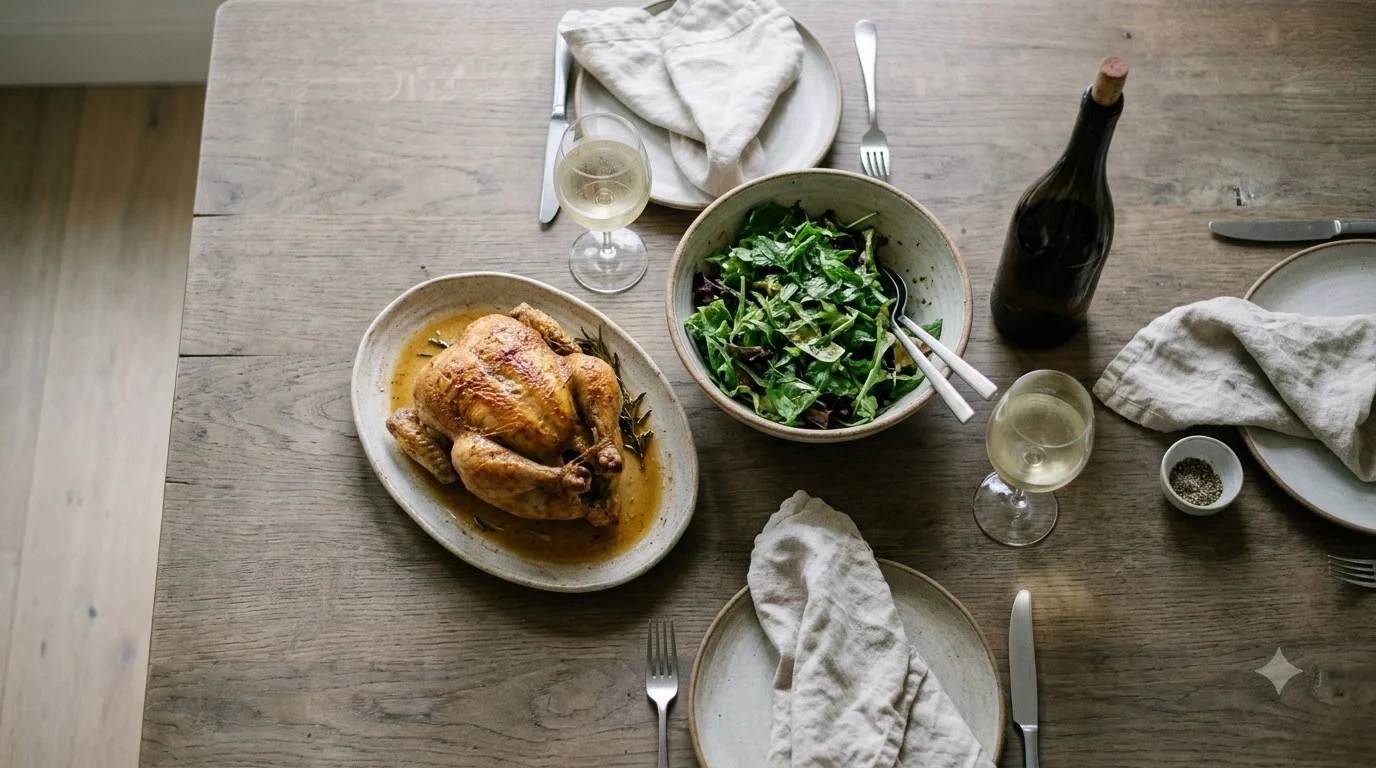
Pinot Grigio is well suited to shrimp, scallops, crab, oysters, grilled white fish, chicken breast, vegetable salads, and delicate pasta. Its acidity supports lemon, herbs, and vinaigrettes, while its lighter body does not overpower mild ingredients. Try it with linguine tossed with olive oil and lemon, grilled zucchini, risotto with spring vegetables, or a simple roast chicken with herbs. A richer Friuli or Alsace style can also handle creamier pasta, roast pork, and dishes with more texture than a very lean Italian Pinot Grigio would.
Use acidity as a matching tool: an acidic dish needs a wine with equal or higher acidity, or the wine may taste flat beside the food. Pinot Grigio often works well with citrus dressing, pickled vegetables, and tomato-based seafood preparations for that reason. Cabernet’s tannin is softened by salt and fat, so salted beef, butter-rich sauces, and mature cheese can make the wine feel less severe. Oily fish can be difficult with tannic reds, so choose Pinot Grigio or another fresh white for salmon, mackerel, or tuna. Chili heat also feels stronger with alcohol and tannin, making powerful Cabernet a poor match for very spicy dishes.
Tip: Match the intensity of the dish before focusing on its main ingredient. A simple grilled chicken breast may suit Pinot Grigio, while chicken with a dark mushroom reduction or smoky grilled skin may call for a fuller white or a lighter red instead.
Serving Temperature, Glassware, and Storage
Serve Pinot Grigio colder than Cabernet Sauvignon: aim for 45–50°F for a light white and 60–65°F for a full-bodied red. Correct temperature preserves the contrast between Pinot Grigio’s crisp fruit and Cabernet’s fuller texture without making either wine taste muted or overly warm.
For Pinot Grigio, chill the bottle until it is cool but not icy. Too much cold can mute subtle pear, peach, and floral aromas, while excess warmth softens its crisp impression. A standard white-wine glass is suitable, and a smaller pour helps keep it cool; 45–50°F is a practical starting point for most light bottlings.
Cabernet Sauvignon should be served slightly cooler than a warm room, not hot from a shelf beside the stove. A 60–65°F range allows its fruit and oak notes to show while keeping the alcohol from seeming too prominent. Use a larger red-wine glass if available, giving the wine room to open. Young, full-bodied Cabernet can benefit from 30–60 minutes of decanting, especially when its tannin feels tight; older bottles may need gentler handling because extended air exposure can diminish their freshness.
Store unopened bottles on their side in a dark place near 55°F, away from temperature swings and direct light. After opening, reseal both wines and refrigerate them; most still wines remain in good condition for about 3–5 days. Bring Cabernet back toward its serving temperature before pouring.
How to Choose a Bottle With Confidence
Choose Cabernet Sauvignon when the meal is rich, the setting calls for a substantial red, or you enjoy a firm, structured finish. Choose Pinot Grigio when you want a refreshing white, have seafood or lighter food on the menu, or prefer a wine that is easy to serve before and during a meal.
Start with the meal, then think about texture. If you like a broad, dry palate, Cabernet is the more natural fit; if you prefer clean fruit, lighter body, and a crisp finish, choose Pinot Grigio. For a mixed group, Pinot Grigio can serve as an aperitif and table white, while Cabernet is more closely tied to a rich main course. Regional labels help narrow the choice: compare Bordeaux with Napa Valley or Chile for Cabernet, and Veneto with Alto Adige or Friuli for Pinot Grigio. If you prefer fuller whites, consider an Alsatian Pinot Gris. For another red-versus-white comparison, see Pinot Noir vs Sauvignon Blanc.
Finally, consider the occasion and the people at the table. A light Pinot Grigio suits a summer lunch, a seafood starter, or a casual gathering where guests may want something refreshing. Cabernet works well for a slower dinner with grilled beef, roast lamb, or aged cheese. Neither is automatically a more serious wine: both can be simple or complex, and quality depends on vineyard care, harvest decisions, and careful winemaking.
Frequently Asked Questions
These quick answers cover a few details that can help explain the names and styles behind Cabernet Sauvignon and Pinot Grigio. They also address common questions about grape identity, winemaking, and aging.
Are Cabernet Sauvignon and Sauvignon Blanc related?
Yes. Genetic testing shows that Cabernet Sauvignon arose from a natural crossing of Cabernet Franc and Sauvignon Blanc in Bordeaux. The shared name reflects that parentage, even though the two resulting wines usually have very different colors, structures, and uses.
Are Pinot Grigio and Pinot Gris the same grape?
Yes, Pinot Grigio and Pinot Gris are two names for the same grape variety. Pinot Grigio is the Italian name, while Pinot Gris is used in France and in some other regions; local tradition and producer preference influence which name appears on a bottle.
What does Ramato mean on a Pinot Grigio label?
Ramato means copper-colored in Italian and refers to a skin-contact style of Pinot Grigio. In one method described by Wine Enthusiast, the juice remains with the skins for about 10 hours, creating a pink-copper hue and adding texture and aromatic complexity.
How long is Cabernet Sauvignon aged in oak?
There is no single required aging period for the grape, but Wine Enthusiast notes that Cabernet Sauvignon commonly spends about 6–24 months in oak barrels before bottling. The length and type of oak use depend on the producer’s style, the wine’s structure, and the desired balance between fruit and wood character.
Can Pinot Grigio be more than a simple young white wine?
Yes. Some higher-quality Pinot Grigio from sites such as Collio and Friuli Colli Orientali develops depth and can reward time in the bottle. Wine Enthusiast notes that the variety can produce wines with enough concentration and balance to be enjoyed both young and with age.
Cabernet Sauvignon and Pinot Grigio are not competing versions of the same wine; they answer different needs at the table. Pick Cabernet for structure and dark-fruit depth, or Pinot Grigio for crisp freshness and lighter dishes, then explore regional styles to find the expression you enjoy most.
More in Wine vs Wine
 Chenin Blanc vs Pinot Gris: Acidity, Body, and Pairing DifferencesUpdated Nov 20, 2026
 Chianti vs Lambrusco: How Tuscany and Emilia-Romagna Reds CompareUpdated Nov 20, 2026
 Chianti vs Primitivo: Key Differences in Taste, Body, and PairingUpdated Nov 20, 2026
 Chianti vs Rioja: Key Differences in Taste, Aging, and PairingUpdated Nov 20, 2026
 Chianti vs Shiraz: How Acidity, Body, and Food Pairings CompareUpdated Nov 20, 2026
 Chianti vs Syrah: Key Differences in Taste, Body, and Food PairingUpdated Nov 20, 2026