

We may earn a commission when you buy through links on this page, at no extra cost to you. Learn more.
A kir recipe is about as simple as a cocktail gets: crème de cassis in the bottom of a glass, topped with chilled dry white wine. The classic ratio is about 9 cl of white wine to 1 cl of cassis, which keeps the drink light and dry with just a hint of blackcurrant. You need only two ingredients, a chilled glass, and a few seconds to pour, which is why the drink has stayed popular as an aperitif for generations.
The kir is one of the easiest drinks to make at home, but small choices in the wine, the cassis, and the serving temperature change the result a lot. This guide covers the ingredients, the ratio, the method, and a few variations, along with the story behind the name.
What you need for a classic kir
A classic kir uses only two ingredients. The first is a chilled, dry white wine. Many people use an everyday white from the Burgundy region, a dry Aligoté, or a crisp Sauvignon Blanc, because their acidity lifts the sweet blackcurrant liqueur without making it heavy. The second is crème de cassis, a deep red liqueur made from blackcurrants. It is sweet and intense, so a small amount goes a long way.
Choose a wine you would happily drink on its own. A kir is a simple drink, so a wine that tastes flat or overly oaky will show through the blackcurrant. A bright, fresh white with good acidity is the most reliable choice, and a sparkling wine can be used for a more festive version.
Check the label on the cassis as well. Good crème de cassis has a clear blackcurrant aroma and a rich color, while cheaper versions can taste like sugar syrup with little fruit. Because the liqueur is the main flavor you add, a better bottle makes a noticeable difference even in a drink with only a small measure. Keep the bottle sealed and cool after opening, and it will remain usable for a long time in the cupboard.
The glass matters less, but it helps. A small wine glass or a tulip-shaped glass keeps the drink cold and shows off the color. Chill the glass in the fridge for a few minutes before you pour, since the drink is served cold and without ice.
The ratio and the method
Reference sources give the classic kir as 9 cl of white wine to 1 cl of crème de cassis, a ratio of nine to one. The International Bartenders Association recipe uses about one part cassis to ten parts wine, which is slightly lighter. French sources often suggest a stronger mix, closer to one part cassis to five parts wine, so the drink can be adjusted to taste.
| Style | Crème de cassis | White wine | Result |
|---|---|---|---|
| Classic kir | 1 cl | 9 cl | Dry, with a light blackcurrant note |
| IBA-style kir | About 1 part | About 10 parts | Lighter and more delicate |
| French-style kir | About 1 part | About 5 parts | Richer and fruitier |
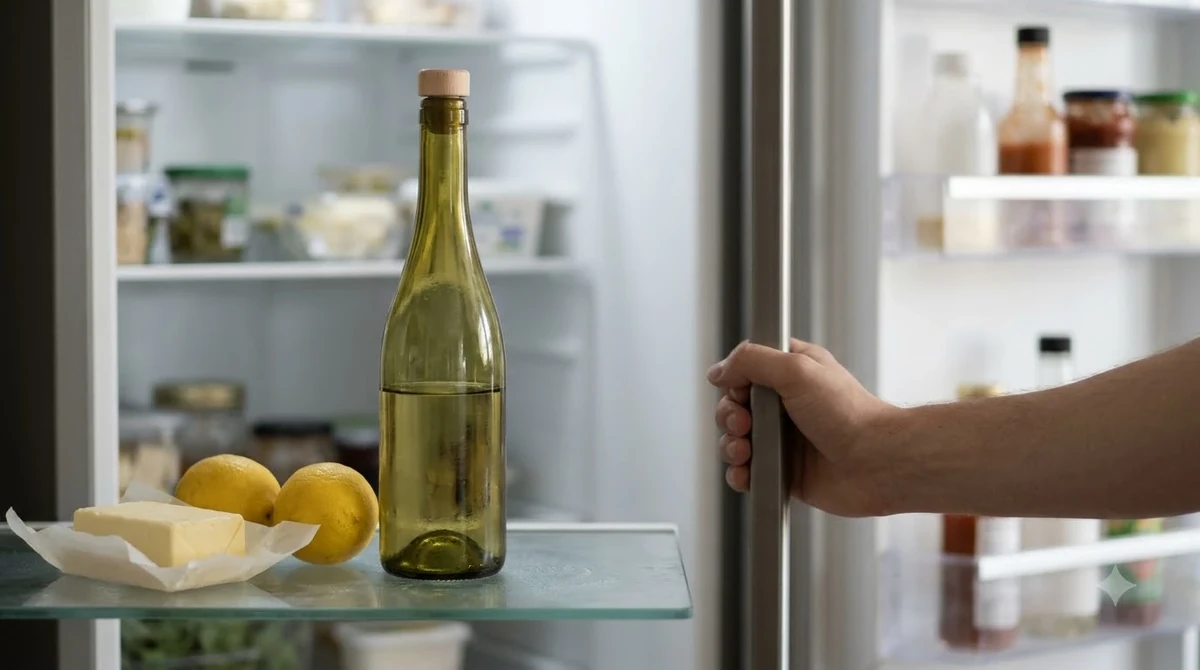
To make it, chill the wine well, pour the cassis into a chilled glass first, and then top it with the wine. Pouring the cassis first lets the liqueur settle at the bottom and creates the soft gradient of color that makes the drink look so appealing. Stir very gently if you want a uniform color, but many people prefer to leave the layers as they are and stir before the first sip.
Variations to try
The most famous variation is the kir royale, which uses Champagne or another dry sparkling wine in place of the still white wine. The bubbles lift the cassis and make the drink feel celebratory, which is why it is often served at weddings and New Year gatherings. The sparkling version needs the same care as the classic: chill the bottle well, pour gently, and serve it right away so the bubbles stay lively.
You can also change the liqueur. Crème de mûre, made from blackberries, gives a softer, more rustic drink, while crème de framboise, made from raspberries, offers a bright, tart finish. Some people add a few drops of lemon juice to make the drink brighter, although the classic version does not need it.
If you are serving a group, you can prepare the drinks in small batches rather than one large jug. Pour the cassis into each glass in advance, keep the wine chilled in the fridge, and top up each glass just before serving. This keeps the layers distinct and stops the wine from warming up while it waits. A pitcher of pre-mixed wine and cassis can be made for a casual crowd, but it should be served within a short time so the fruit stays bright.
For a lighter everyday version, use a dry rosé in place of the white wine. The fruit in the rosé pairs well with blackcurrant, and the color becomes a deeper pink. The result is less formal, and it works well for a relaxed afternoon.
Where the kir came from
The drink was formerly known as blanc-cassis, a plain description of white wine with blackcurrant. You can read a concise history of the drink in the Kir cocktail overview. It takes its modern name from Félix Kir, a mayor of Dijon in Burgundy who lived from 1876 to 1968. Kir popularized the drink by serving it to visiting delegations after the Second World War, and it became associated with the region and its local produce.
The revival of the drink is linked to the local wine market. After the German Army seized local red Burgundy during the war, there was a surplus of white wine in the area, and the combination of white wine and cassis gave the region a way to use it. The drink spread from there, and it is now commonly served as an apéritif before a meal in France and beyond.
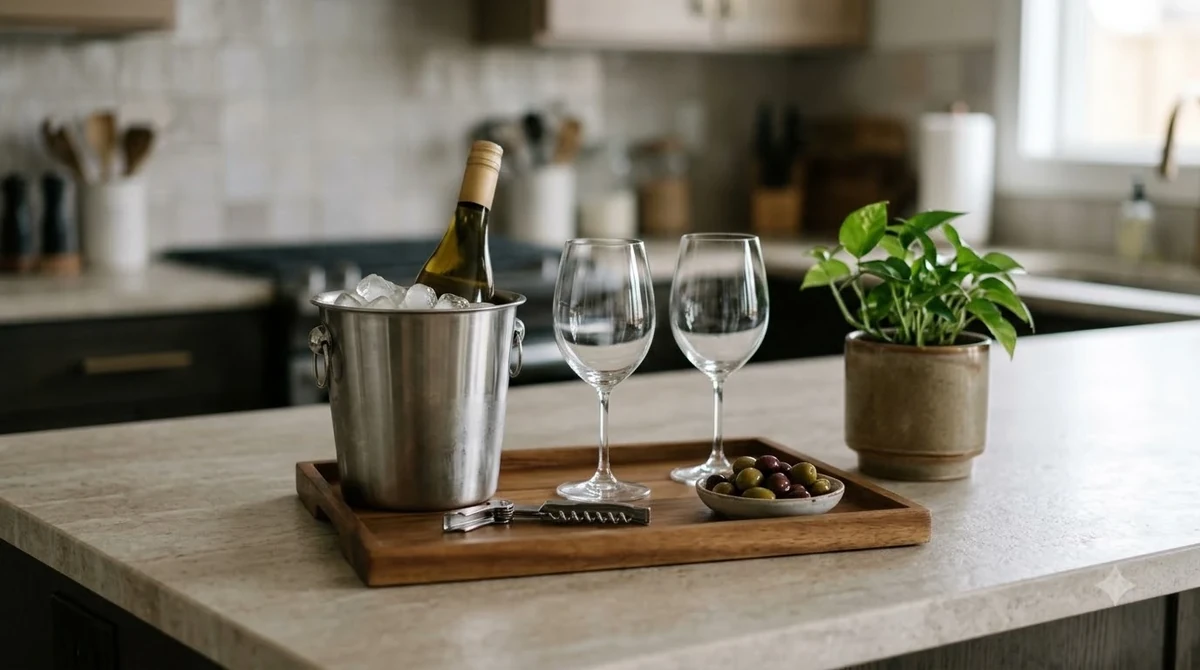
In practice, the drink is served chilled and straight up, without ice. A kir is meant to be light and easy to drink, so it works best in small portions before dinner, with a simple snack or a plate of olives and cheese.
Frequently Asked Questions
What is the best wine for a kir?
A dry, crisp white wine with good acidity works best. Many people choose a Burgundy white or a Sauvignon Blanc, since their freshness balances the sweet cassis.
Can I use sweet white wine in a kir?
You can, but the drink becomes much sweeter and heavier. A dry wine keeps the balance, so choose a sweeter wine only if you want a dessert-style drink.
What is the difference between a kir and a kir royale?
A kir uses still white wine, while a kir royale uses Champagne or another dry sparkling wine. The kir royale is lighter in body and sparkles, so it feels more festive.
Should a kir be served with ice?
No. Reference sources describe the drink as served chilled and straight up, so chill the wine and the glass instead of adding ice, which would dilute the flavor.
Once you have the basic kir down, it is easy to build a small menu around it. Many people pair it with light snacks, and the same bright, fruity style works well with other drinks. For more ideas, read the guide to fall sangria or the simple apple cider sangria recipe, and explore the wine recipes and cocktails section for more ways to use wine at home.
More in Food & Wine Pairing
 Risotto With White Wine Recipe: Make a Creamy Dinner at HomeUpdated Nov 20, 2026
 Wassail With Wine Recipe for a Festive Spiced Holiday DrinkUpdated Nov 20, 2026
 Spritz Veneziano Recipe: Make a Classic Venetian Aperitivo at HomeUpdated Nov 20, 2026
 Summer Wine Punch Recipe for Easy Homemade EntertainingUpdated Nov 20, 2026
 Bishop Recipe: How to Make a Bright, Citrus-Forward Red Wine CocktailUpdated Nov 20, 2026
 Wine Cupcakes Recipe: Bake Rich Chocolate Cupcakes at HomeUpdated Nov 20, 2026