

We may earn a commission when you buy through links on this page, at no extra cost to you. Learn more.
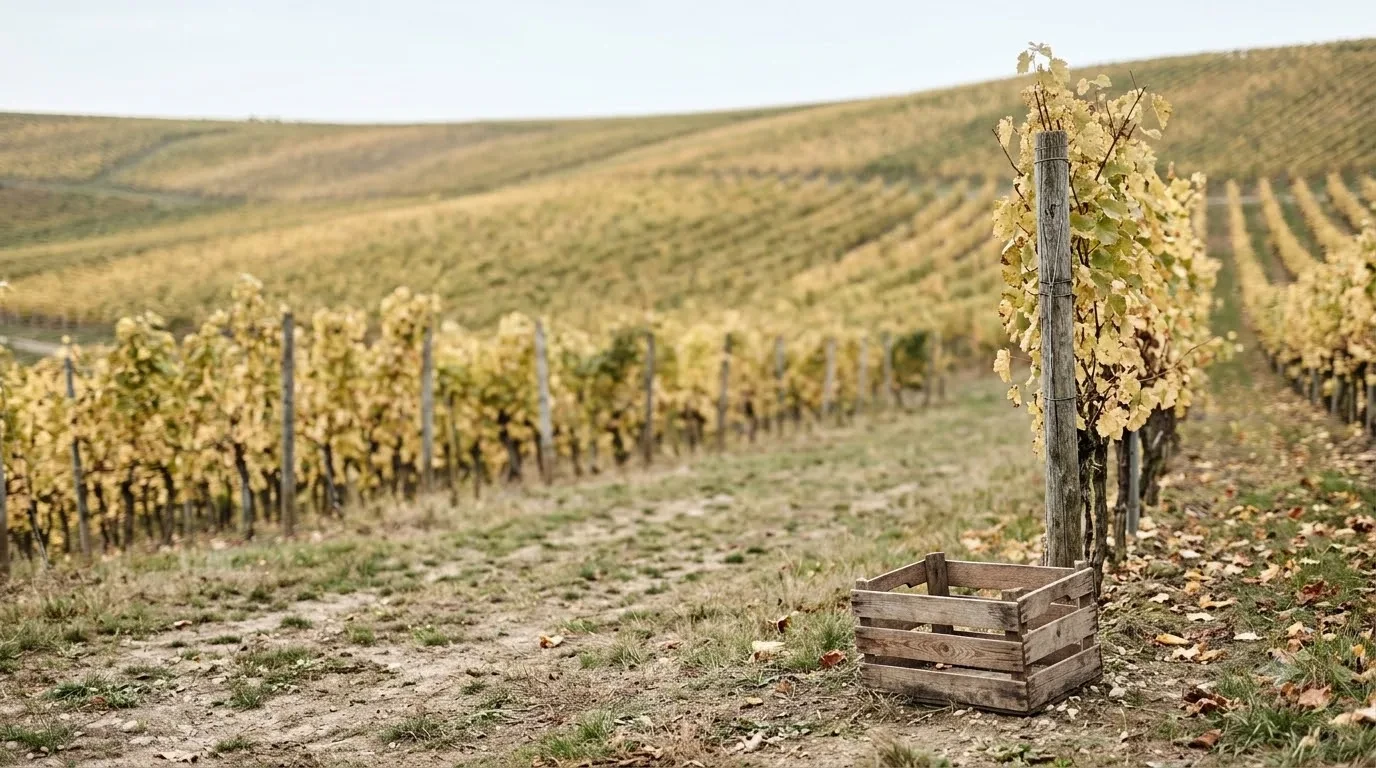
Arkansas vineyards are grouped in three American Viticultural Areas, and they grow a mix of native American grapes and hybrids alongside some European varieties. The state’s best-known districts are Altus, the Arkansas Mountain area and the Ozark Mountain area. Its humid climate and summer rainfall make disease management a constant task, so local growers rely heavily on varieties such as Norton and Muscadine that handle the conditions better than many classic European grapes.
This guide explains where Arkansas vineyards are, how the climate shapes what gets planted, which grapes you are likely to meet on a label, and how to serve and enjoy these wines. If you expect the dry, sunny style of California, the Arkansas profile will feel different, with more earthy, savory and fruit-forward notes.
Where Arkansas Vineyards Are Located
Arkansas has three recognized American Viticultural Areas: the Altus AVA, the Arkansas Mountain AVA and the Ozark Mountain AVA. Each covers a different part of the state’s hilly north and west, and each has its own elevation, soil and local history. The vineyards are spread across rolling country rather than in one large valley, so a visit usually involves a short drive between towns.
Altus is the state’s oldest winemaking center. Viticulture there began in the 1880s, when French Catholic settlers began commercial winemaking alongside Swiss-German immigrants. Four of the oldest continuously operating wineries in Arkansas are located in Altus, which gives the district a heritage that many newer vineyards in the state do not have.
Climate and Why Growers Choose Hardy Grapes
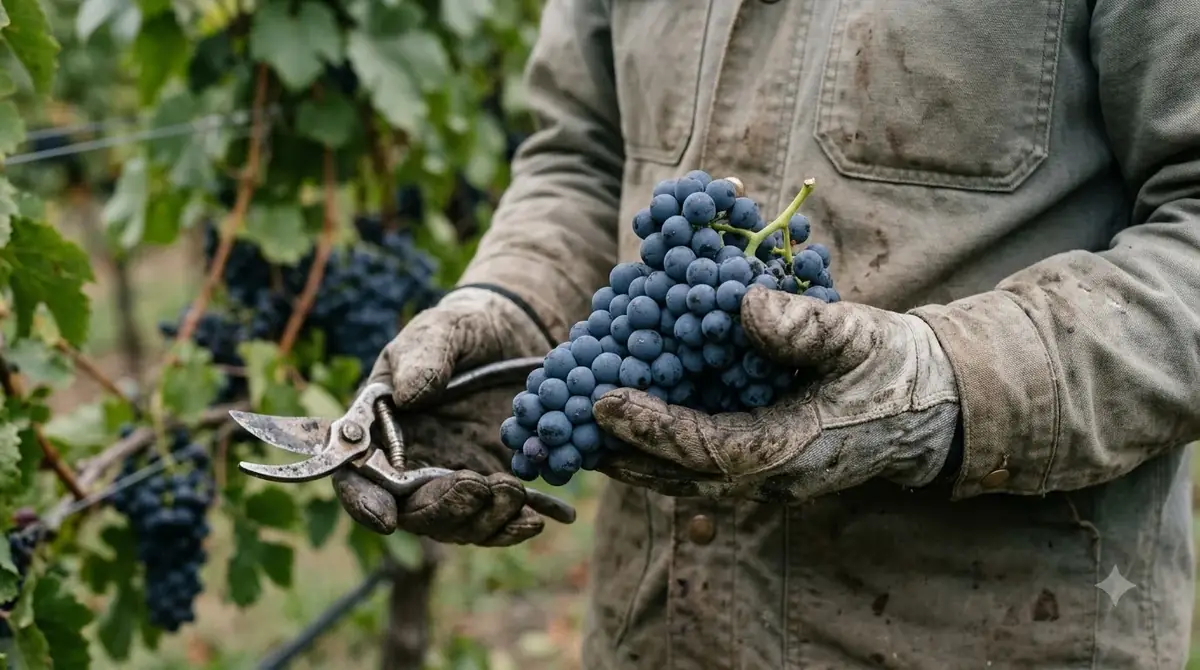
The highlands are described as humid subtropical to continental, with warm summers and rainfall that can arrive at critical moments in the growing season. Humidity encourages fungal disease, and that pressure is one of the main reasons Arkansas vineyards lean toward varieties that tolerate it well.
Growers in the state typically manage canopies closely to improve airflow, schedule sprays around rainfall and keep yields in check. The work is demanding, but it pays off in a regional style that is closely tied to the land. Many wines from the state reflect the place rather than a fixed recipe, and that gives the region a distinct identity among American wine areas.
The seasons add their own challenges. A wet spring can delay bud break and make it harder to get the vines through flowering cleanly, while a hot, humid August can speed up ripening before the acidity has settled. Vintage differences are real here, so a bottle from a strong year may taste noticeably brighter or more concentrated than one from a difficult year.
The state also has a long history of winemaking that was interrupted by Prohibition. At one point Arkansas had around 160 wineries and was a major producer of wine and grapes. Prohibition cut that number sharply, and the modern industry has rebuilt slowly since then.
The Grapes You Will See on Arkansas Labels
Arkansas vineyards grow a wide range of varieties. The most distinctive are the native and hybrid grapes, which bring flavors that differ from typical European wines. Norton is a red grape that is an American hybrid of Vitis vinifera and Vitis aestivalis. Wine Folly’s Norton grape profile describes it as showing excellent promise for winemaking in the American Midwest, with black currant, black cherry, dill and black pepper notes and medium acidity.
Muscadine is another signature. It is a native of the southeastern United States and produces wines with a distinct, musky character. Wine Folly’s Muscadine guide notes flavors of ripe banana, yellow apple, lime peel and cranberry, with an off-dry style and an alcohol range of about 10 to 11.5 percent.
Beyond the native grapes, you may see Catawba, Concord, Niagara and Vidal blanc, along with Chardonnay, Merlot and Cabernet Sauvignon. The mix can be surprising for a visitor, but it is one of the reasons Arkansas wine is worth trying with an open mind.
| Grape | Color and style | Typical flavors |
|---|---|---|
| Norton | Dry red, medium acidity | Black currant, black pepper, dill |
| Muscadine | Off-dry, medium body | Banana, yellow apple, lime peel |
| Vidal blanc | Light, crisp white | Citrus, green apple, floral notes |
| Chardonnay | Dry white, varies with oak | Apple, pear, vanilla when oaked |
How to Serve Arkansas Wines
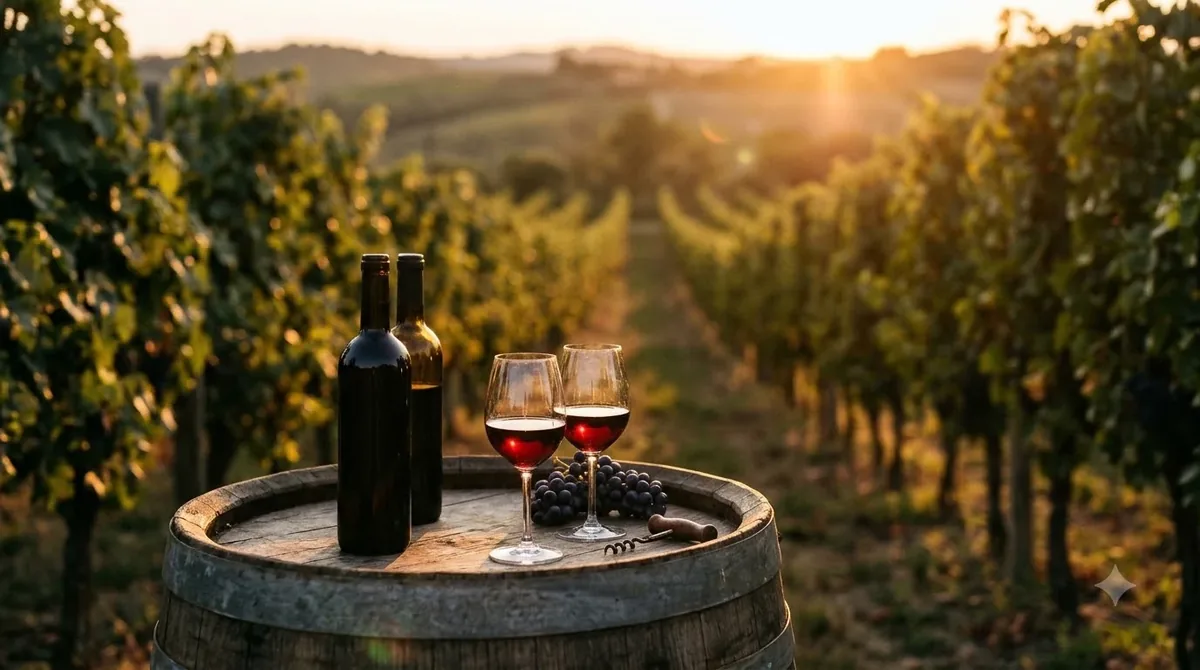
Norton is best served slightly cooler than room temperature, in the range of 60 to 68 degrees Fahrenheit, so its dark fruit stays lively. A medium-sized red glass lets the aromas open. Pair it with grilled sausage, barbecue, smoked meats or a plate of roasted mushrooms. Its savory edge works well with spice.
Muscadine is usually enjoyed a little cooler, around 55 to 60 degrees Fahrenheit. Many people decant young bottles for about 30 minutes to soften the aromas. Off-dry styles suit rich desserts, fruit trifles and custards, and they also work with spicy Southern dishes where a touch of sweetness balances heat.
For Vidal blanc and other whites, chill the bottle well and serve in a standard white wine glass. Lighter whites pair with salads, soft cheeses and grilled chicken, while a richer oaked Chardonnay suits roast pork or creamy pasta.
Planning a Visit to Arkansas Vineyards
Because the vineyards are spread across the state, a practical visit focuses on one district at a time. Altus is the logical starting point for anyone interested in history, since its wineries have been operating for generations. The Ozark and Arkansas Mountain areas offer scenic drives through hill country, so plan extra time for the roads.
Tasting rooms vary widely in size and hours. Many are family-run and may close early on weekdays, so check each winery’s website before you travel. Ask staff which grapes are grown on the property and whether a wine is made from estate fruit or sourced elsewhere, since that answer explains a lot about the bottle in your glass.
Many visitors combine a tasting with a meal at a local restaurant, which is a good way to see how the wines work with regional cooking. Ask the staff for a recommended pairing from the list, and take notes on the bottles you like so you can find them again later.
If you are buying bottles to take home, remember that alcohol laws vary across the country, and some states restrict direct shipping. Confirm the rules for your location before ordering. Keep wines out of hot cars during summer travel, since heat is the main threat to any bottle on a long road trip.
Tip: Try a Norton and a Muscadine side by side. The contrast between a dry, savory red and a fruity, off-dry wine shows how much the state’s grape choices shape its style. For a different regional comparison, the Arizona vineyards guide covers a very dry climate, and the Wine Regions section gives broader context.
Frequently Asked Questions
What is Arkansas best known for in wine?
Arkansas is known for its historic Altus winemaking tradition and for hybrid and native grapes such as Norton and Muscadine. Many wines from the state have an earthy, savory character that differs from California styles.
Are Arkansas wines sweet?
Styles vary. Muscadine is often off-dry, while Norton is a dry red. Read the producer’s description or ask at the tasting room to find the level of sweetness in a specific bottle.
How many AVAs does Arkansas have?
Arkansas has three American Viticultural Areas: Altus, Arkansas Mountain and Ozark Mountain. Each one has its own elevation, soils and history.
Is Norton the same as Cabernet?
No. Norton is an American hybrid red grape with its own flavor profile, including dark fruit, black pepper and dill. Cabernet Sauvignon is a classic European variety, so the two taste quite different.
Arkansas vineyards reward visitors who enjoy discovering grapes they have not tried before. Start with a dry Norton and a fruity Muscadine, then explore the historic Altus wineries to see how the state’s winemaking story developed.
More in Wine Regions
 Willcox Wine Trail: Discover Arizona’s High-Elevation Wine CountryUpdated Nov 20, 2026
 Yakima Valley Wine Region: Find the Best Styles to TryUpdated Nov 20, 2026
 Vosne Romanee Wine Tasting: Identify Aromas and Choose Better PairingsUpdated Nov 20, 2026
 Yakima Valley Wine Festival: Find the Best Seasonal Wine EventsUpdated Nov 20, 2026
 Wales Vineyards: Discover Cool-Climate Wines and Where to VisitUpdated Nov 20, 2026
 Yountville Wine Festival: Discover Napa Wines and Local FoodUpdated Nov 20, 2026