

We may earn a commission when you buy through links on this page, at no extra cost to you. Learn more.
Sauvignon Blanc with seafood is an excellent pairing because the wine’s naturally high acidity, fresh citrus flavors, and herbal aromas complement the delicate sweetness and savory character of fish and shellfish. It works especially well with shrimp, oysters, sea bass, scallops, and grilled white fish. The best results come from matching the wine’s style to the seafood’s texture, cooking method, and sauce rather than choosing a bottle based on grape variety alone.
A chilled glass of Sauvignon Blanc can make a seafood dinner feel brighter and more balanced. Its refreshing acidity provides contrast to buttery textures, while lemon, grapefruit, green apple, and fresh herb flavors complement many traditional seafood seasonings. However, a lean Sauvignon Blanc from the Loire Valley and a more expressive bottle from New Zealand can behave differently at the table. Understanding these distinctions makes it easier to choose the right bottle for everything from a raw oyster platter to garlic shrimp or grilled salmon.
Why Sauvignon Blanc Works So Well With Seafood
Sauvignon Blanc works with seafood because its high acidity refreshes the palate, its light-to-medium body generally suits delicate fish, and its citrus and herbal flavors complement common seafood ingredients. The combination is particularly effective with dishes featuring lemon, lime, parsley, cilantro, and olive oil.
Acidity is the most important characteristic behind this pairing. Fish and shellfish are frequently served with lemon juice, vinegar-based dressings, or other ingredients that provide tartness. A wine with similarly lively acidity can maintain its freshness alongside these flavors. A low-acid wine may seem flat when served with a strongly acidic seafood dish, while a high-acid Sauvignon Blanc can retain its refreshing character.
The grape’s aromatic profile is another advantage. Depending on its origin and production style, Sauvignon Blanc can display aromas of grapefruit, lime, lemon, green apple, gooseberry, passion fruit, grass, and fresh herbs. These characteristics complement the ingredients commonly used in seafood cooking. A grilled sea bass with parsley and lemon, for example, shares several flavor characteristics with a crisp, citrus-forward Sauvignon Blanc.
Body also matters. Most Sauvignon Blanc is relatively light compared with fuller-bodied white wines such as heavily oaked Chardonnay. This makes it a comfortable match for mild fish that could be overwhelmed by a rich or intensely flavored wine. Its acidity can also provide a refreshing contrast to olive oil, fried coatings, and moderately rich seafood preparations.
There is an important distinction between matching the fish and matching the entire dish. A plain piece of cod, cod with cream sauce, and cod with spicy tomato salsa may require three different wine styles. The cooking method and accompanying ingredients can influence the pairing more strongly than the fish itself.
The Best Seafood to Pair With Sauvignon Blanc
Sauvignon Blanc is particularly reliable with shrimp, oysters, scallops, clams, and lean white fish. These seafood choices generally have delicate flavors that work with the wine’s fresh acidity and aromatic character.
Shrimp and prawns
Shrimp is one of the easiest seafood choices for Sauvignon Blanc. Its naturally sweet, mild flavor provides a pleasant contrast to the wine’s tart citrus notes. The pairing works with chilled shrimp cocktail, grilled prawns, shrimp salad, and shrimp served with lemon or fresh herbs.
For grilled shrimp, choose a Sauvignon Blanc with pronounced grapefruit, lime, or tropical fruit aromas. The wine’s freshness complements the slightly smoky exterior and sweet interior of the shrimp. Garlic shrimp is another good option, particularly when prepared with olive oil, parsley, and lemon rather than a heavy butter sauce.
Oysters, clams, and mussels
Raw oysters can pair beautifully with a restrained, mineral-driven Sauvignon Blanc. The wine’s acidity provides contrast to the oysters’ creamy texture and briny flavor. A bottle from Sancerre or another cooler-climate Loire Valley area is a useful starting point when serving oysters with lemon or a light vinaigrette.
Clams and mussels also work well, especially when steamed with garlic, white wine, parsley, or other fresh herbs. Sauvignon Blanc can complement these preparations without overwhelming their natural sweetness. For particularly delicate shellfish, avoid wines with excessive oak influence or an unusually heavy texture.
Scallops and crab
Scallops have a naturally sweet flavor that can work exceptionally well with high-acid white wine. Lightly seared scallops with lemon, olive oil, and herbs are especially suitable for crisp Sauvignon Blanc. The wine balances the scallops’ sweetness while refreshing the palate between bites.
Fresh crab is another appealing choice. Crab cakes, chilled crab salads, and simply steamed crab can all work with Sauvignon Blanc, although the preparation makes a difference. A lightly seasoned crab salad is a particularly natural match for a citrus-driven style. Crab cakes with substantial seasoning or a rich dipping sauce may benefit from a fuller white wine.
Lean white fish
Sea bass, sole, tilapia, and other mild white fish are dependable partners for Sauvignon Blanc. These fish have relatively delicate flavors, so a crisp, light-bodied wine can complement them without dominating the plate.
For example, grilled sea bass with olive oil, lemon, and parsley works well with a mineral Sauvignon Blanc. Sole prepared with a light herb sauce can also benefit from the wine’s fresh acidity. For thicker fish such as halibut or mahi mahi, consider a slightly fuller wine style, especially if the preparation includes a substantial sauce.
How Sauvignon Blanc Styles Change the Pairing
Not every Sauvignon Blanc tastes the same, and regional differences can help determine which seafood dishes work best. Mineral-driven Loire Valley wines, aromatic Marlborough bottles, and fuller Sauvignon Blanc blends each bring different characteristics to the table.
Loire Valley: Sancerre and Pouilly-Fumé
The Loire Valley in France is an excellent starting point for seafood pairings. Sauvignon Blanc from Sancerre and Pouilly-Fumé is commonly associated with fresh acidity, citrus, green fruit, and mineral characteristics. These wines are often relatively restrained in their fruit expression, making them useful companions for seafood with subtle flavors.
Try Sancerre with raw oysters, steamed mussels, fresh crab, or simply grilled sea bass. The wine’s crisp profile supports the natural flavors of the seafood rather than covering them with intense fruit or oak characteristics.
Pouilly-Fumé is another strong choice for lightly seasoned shellfish and white fish. Its combination of freshness and mineral character can work particularly well with seafood served with lemon, olive oil, or fresh herbs. These wines are also good choices for a seafood appetizer course because their acidity helps prepare the palate for subsequent dishes.
Marlborough: New Zealand
Marlborough Sauvignon Blanc is known for its expressive aromas and vibrant fruit character. Common flavor associations include grapefruit, lime, passion fruit, gooseberry, and freshly cut grass. These wines can be more aromatic and immediately expressive than many traditional Loire Valley examples.
This style is especially useful with grilled shrimp, fish tacos, ceviche, and seafood salads. Its citrus and tropical fruit character complements lime-based dressings, while its herbal notes work with cilantro, parsley, and other fresh seasonings.
For a seafood dinner featuring several ingredients, Marlborough Sauvignon Blanc can be a practical choice. It works particularly well when the meal includes grilled prawns, white fish, avocado, cucumber, and citrus dressing. The wine’s lively profile helps connect these different flavors.
South African and other regional styles
South African Sauvignon Blanc offers another interesting direction. Depending on its origin and winemaking approach, it can show mineral, citrus, tropical fruit, or herbaceous characteristics. These differences create opportunities for pairing the wine with several seafood preparations.
Mineral-driven examples can complement oysters, prawns, crab, and simply grilled fish. More aromatic, herbaceous versions can work with seafood salads and dishes containing lime, chili, and coriander. The Sauvignon Blanc South Africa food-pairing recommendations distinguish between mineral, citrus-driven, herbaceous, and oaked styles, illustrating why the individual wine matters.
Other regions, including California and Chile, also produce Sauvignon Blanc suitable for seafood. California examples can range from crisp and restrained to richer styles with greater texture. Chilean examples often provide refreshing citrus and herbal characteristics that work with grilled fish and seafood dishes featuring fresh herbs.
Matching Sauvignon Blanc With Seafood Sauces and Cooking Methods
The sauce and cooking method can change a seafood pairing considerably. Sauvignon Blanc generally performs best with citrus, herbs, olive oil, and light seasonings, while particularly rich sauces may call for a fuller white wine.
Lemon, lime, and fresh herb sauces
Citrus-based seafood dishes are among the most dependable partners for Sauvignon Blanc. Lemon butter used sparingly, lime vinaigrette, fresh parsley, cilantro, dill, and basil can complement the wine’s natural acidity and aromatic profile.
Consider grilled white fish with lemon and parsley, shrimp with lime and cilantro, or a seafood salad dressed with olive oil and lemon juice. A crisp Sauvignon Blanc from Marlborough can provide a lively citrus counterpart, while a mineral Loire Valley example can work particularly well with simpler preparations.
The key is to avoid making the food so acidic that the wine seems less fresh by comparison. A highly acidic dressing should be balanced with enough wine acidity to maintain the pairing.
Garlic, butter, and cream
Garlic is generally friendly to Sauvignon Blanc, especially when paired with lemon, parsley, and olive oil. Garlic shrimp, grilled squid, and steamed mussels with garlic and herbs can all be suitable choices.
Butter and cream require more attention. A lightly buttered fish fillet may still work with Sauvignon Blanc, particularly if lemon juice or fresh herbs provide additional freshness. However, lobster with substantial drawn butter, creamy scallop sauce, or seafood Alfredo can overwhelm a particularly lean Sauvignon Blanc.
For these richer preparations, Chardonnay is often a better choice. Its fuller body and, in some examples, oak-derived richness can match the texture of butter and cream. The goal is to keep the wine and food in balance rather than expecting one grape variety to work equally well with every sauce.
Grilled and smoked seafood
Grilling introduces charred and smoky flavors that can complement the citrus and herbal qualities of Sauvignon Blanc. Grilled shrimp, sea bass, squid, and lightly seasoned white fish are all good options.
For grilled seafood with lemon and herbs, a citrus-driven Sauvignon Blanc is a natural match. For more pronounced char, select a bottle with enough aromatic intensity to remain noticeable alongside the food. Avoid overly delicate wines if the fish has strong smoky seasoning.
Lightly smoked salmon or trout can also work with certain Sauvignon Blanc styles, particularly wines with greater texture or a more pronounced aromatic profile. However, heavily smoked fish may be better suited to fuller whites or other styles with more weight.
Fried seafood
Fried fish, calamari, and battered shrimp can work with Sauvignon Blanc because its acidity provides contrast to the oily coating. A crisp wine is particularly useful with fish and chips served with lemon or a light herb sauce.
For particularly rich fried seafood, sparkling wine is another excellent option. Champagne and Cava offer acidity and bubbles that can refresh the palate after bites of fried food. The best choice depends on the coating, seasoning, and richness of the preparation.
A Practical Sauvignon Blanc and Seafood Pairing Chart
The easiest way to select a bottle is to identify the main seafood ingredient and then consider how it is prepared. The following chart provides useful starting points for common dishes and the Sauvignon Blanc styles that complement them.
| Seafood dish | Recommended Sauvignon Blanc | Pairing reason |
|---|---|---|
| Raw oysters | Mineral-driven Loire Valley | Fresh acidity complements brininess. |
| Grilled shrimp | Citrus-forward Marlborough | Grapefruit and lime complement sweetness. |
| Garlic prawns | Herbaceous Sauvignon Blanc | Fresh herbal aromas complement garlic and parsley. |
| Sea bass | Mineral-driven Sancerre | Delicate fruit and acidity suit mild fish. |
| Seared scallops | Fuller Sauvignon Blanc | Acidity balances natural sweetness. |
| Crab salad | Fresh, citrus-driven Sauvignon Blanc | Citrus complements the crab’s delicate flavor. |
| Fish tacos | Aromatic New Zealand Sauvignon Blanc | Herbal and citrus notes complement fresh toppings. |
| Fried calamari | Crisp, unoaked Sauvignon Blanc | Acidity contrasts with the fried coating. |
| Smoked salmon | Textured Sauvignon Blanc | Greater weight helps accommodate smoky flavors. |
| Butter-poached lobster | Fuller Chardonnay alternative | Additional body better matches the butter. |
These recommendations are starting points rather than strict rules. A grilled shrimp dish with a creamy sauce may need a different wine from grilled shrimp with lime and cilantro. Likewise, a simple sea bass fillet can suit a lean Loire Valley Sauvignon Blanc, while a sea bass dish with a rich cream sauce may be better with Chardonnay.
For a mixed seafood platter, consider choosing a versatile, dry Sauvignon Blanc with noticeable acidity and moderate aromatic intensity. This approach can accommodate shrimp, crab, white fish, and lightly seasoned shellfish without allowing one component to dominate the pairing.
Another useful principle is to consider the strongest flavor on the plate. A delicate fish served with a powerful chili dressing should be paired according to the dressing as well as the fish. Similarly, a seafood dish with a strong garlic or tomato sauce may require a more expressive wine than a lightly seasoned fillet.
Serving Temperature, Glassware, and Pouring Tips
Sauvignon Blanc should be served chilled, generally between 45 and 50 degrees Fahrenheit. This temperature range helps preserve its refreshing acidity and aromatic character while allowing citrus, fruit, and herbal notes to remain noticeable.
Serving the wine too warm can make its alcohol more prominent and reduce the refreshing impression that makes it such a useful seafood companion. Serving it excessively cold can mute its aromas and make the wine seem less expressive. If the bottle has been stored in a refrigerator, allowing it to sit briefly before pouring can help it reach a more suitable temperature.
Glassware also makes a difference. A standard white wine glass with a moderately narrow bowl is a practical choice. It provides enough room for the wine’s aromas while helping maintain its cool temperature. There is no need for specialized glassware to enjoy Sauvignon Blanc with seafood.
For a typical dinner, a 5-ounce pour is a useful serving measure. A standard 750-milliliter bottle contains approximately five such glasses. If you are serving several seafood courses, pouring moderate amounts allows the wine to remain chilled and gives guests room to compare different dishes.
Tip: Chill Sauvignon Blanc to 45–50°F before serving seafood. Keep the bottle in an ice bucket during a long dinner, especially when serving oysters, shrimp, or chilled seafood platters. Avoid leaving the bottle on a warm dining table for an extended period.
For additional practical advice, see our guide on how to serve Sauvignon Blanc, including temperature, glassware, and pouring recommendations.
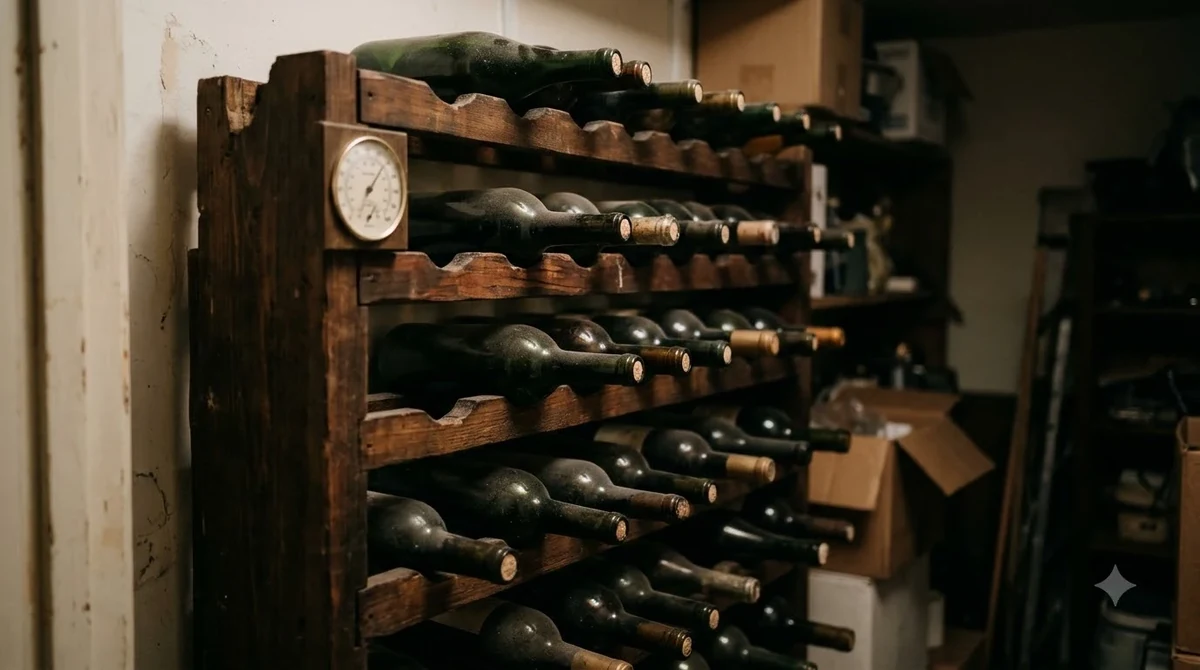
Storage is another consideration if you are buying wine ahead of a seafood dinner. Unopened Sauvignon Blanc should generally be kept in a cool, dark location away from temperature fluctuations. Store cork-finished bottles on their sides, ideally near 55°F, and avoid exposing them to direct sunlight or heat.
Most fresh, aromatic Sauvignon Blanc is intended to be enjoyed while its primary fruit and acidity remain lively. If you are planning a dinner several months ahead, our article on how long Sauvignon Blanc lasts unopened explains the factors that influence bottle longevity.
For readers comparing Sauvignon Blanc with other wine varieties, the broader Wine by Type resource provides additional information about different grapes, styles, and food-pairing characteristics.
Frequently Asked Questions
These answers address common questions about choosing and serving Sauvignon Blanc with seafood, including situations where another wine style may be a better match.
Does Sauvignon Blanc pair with sushi?
Yes, dry Sauvignon Blanc can work with sushi, particularly vegetable rolls, cucumber rolls, and sushi featuring mild white fish or shrimp. Its fresh acidity complements rice vinegar and light seasonings. For sushi with substantial soy sauce, wasabi, or richer fish, dry sparkling wine or Riesling can also be useful alternatives.
Can you pair Sauvignon Blanc with seafood chowder?
It depends on the chowder’s consistency and ingredients. A lighter broth-based seafood soup with clams, herbs, and vegetables can work with crisp Sauvignon Blanc. A thick New England-style chowder containing substantial cream, potatoes, and butter is generally better matched with a fuller-bodied Chardonnay.
Is Sauvignon Blanc suitable for seafood pasta?
Yes, especially with pasta prepared with shrimp, clams, mussels, lemon, garlic, or olive oil. A dry Sauvignon Blanc can complement the fresh ingredients and provide contrast to the pasta’s texture. Tomato-heavy or cream-heavy seafood pasta may call for a different wine depending on the sauce’s richness and acidity.
Should Sauvignon Blanc be served before or during a seafood meal?
It can be served as an aperitif before dinner or alongside the meal. In a multi-course seafood dinner, a crisp Sauvignon Blanc is particularly useful with an opening course of oysters, shrimp, or grilled white fish. More substantial courses may benefit from changing to a fuller white wine as the meal progresses.
Can you pair Sauvignon Blanc with seafood cooked in tomato sauce?
Yes, provided the tomato sauce is not excessively sweet or heavily concentrated. A fresh, high-acid Sauvignon Blanc can complement a seafood dish featuring fresh tomatoes, herbs, and olive oil. For a deeply cooked tomato sauce with pronounced richness, a dry rosé or another fruit-forward wine may offer a more balanced alternative.
Sauvignon Blanc is one of the most versatile white wines for seafood, particularly when the meal features shrimp, oysters, scallops, or simply prepared white fish. Choose a mineral-driven Loire Valley bottle for delicate shellfish or a more aromatic Marlborough style for grilled seafood and citrus-based dishes. By matching acidity, body, and flavor to the preparation, you can create seafood pairings that are refreshing, balanced, and enjoyable from the first course to the last.
More in Wine Types & Grapes
 What Does Mourvèdre Taste Like? Flavor Profile, Regions, and PairingsUpdated Nov 20, 2026
 What Does Marsanne Taste Like? Flavors, Styles, and Food PairingsUpdated Nov 20, 2026
 What Does Malvasia Taste Like? Styles, Flavors, and Food PairingsUpdated Nov 20, 2026
 What Does Grenache Blanc Taste Like? Flavor Profile, Styles, and PairingsUpdated Nov 20, 2026
 What Does Garnacha Taste Like? Key Flavors, Styles, and Pairing TipsUpdated Nov 20, 2026
 What Does Fruit Wine Taste Like? A Complete Flavor and Style BreakdownUpdated Nov 20, 2026