

We may earn a commission when you buy through links on this page, at no extra cost to you. Learn more.
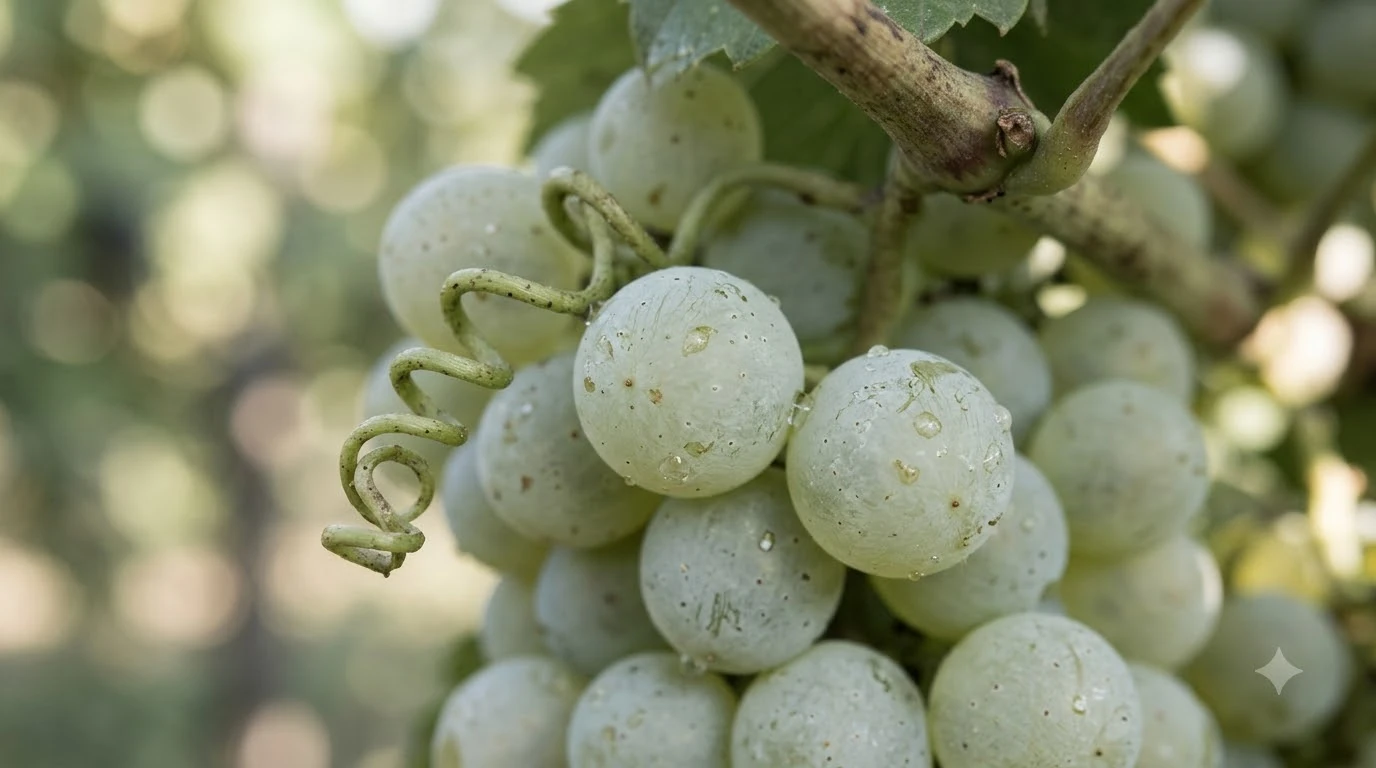
The passerina grape is an indigenous Italian white wine grape known for producing fresh, aromatic wines with crisp acidity, citrus flavors, and delicate floral notes. It grows primarily in the Marche and Abruzzo regions of central-eastern Italy, with smaller plantings in Lazio. Most bottles are dry, light to medium-bodied whites designed for drinking young, although Passerina also appears in sparkling and sweet dessert wine styles.
Italy has many distinctive native white grapes, but some receive considerably less international attention than familiar varieties such as Pinot Grigio, Vermentino, and Verdicchio. Passerina is one of those lesser-known varieties. Its combination of freshness, approachable fruit, and food-friendly acidity makes it particularly appealing to people who enjoy refreshing white wines without heavy oak influence.
Although its traditional home is in central Italy, Passerina has developed a more recognizable identity through regional appellations and producers who bottle it as a single-variety wine. Understanding its growing regions, flavor profile, and different production styles makes it easier to recognize what a bottle offers and how to serve it.
What Is the Passerina Grape?
Passerina is a white grape variety native to central Italy, particularly associated with Marche and Abruzzo. It produces wines that generally emphasize fresh fruit, floral aromas, lively acidity, and a relatively delicate structure rather than pronounced oak flavors or heavy body.
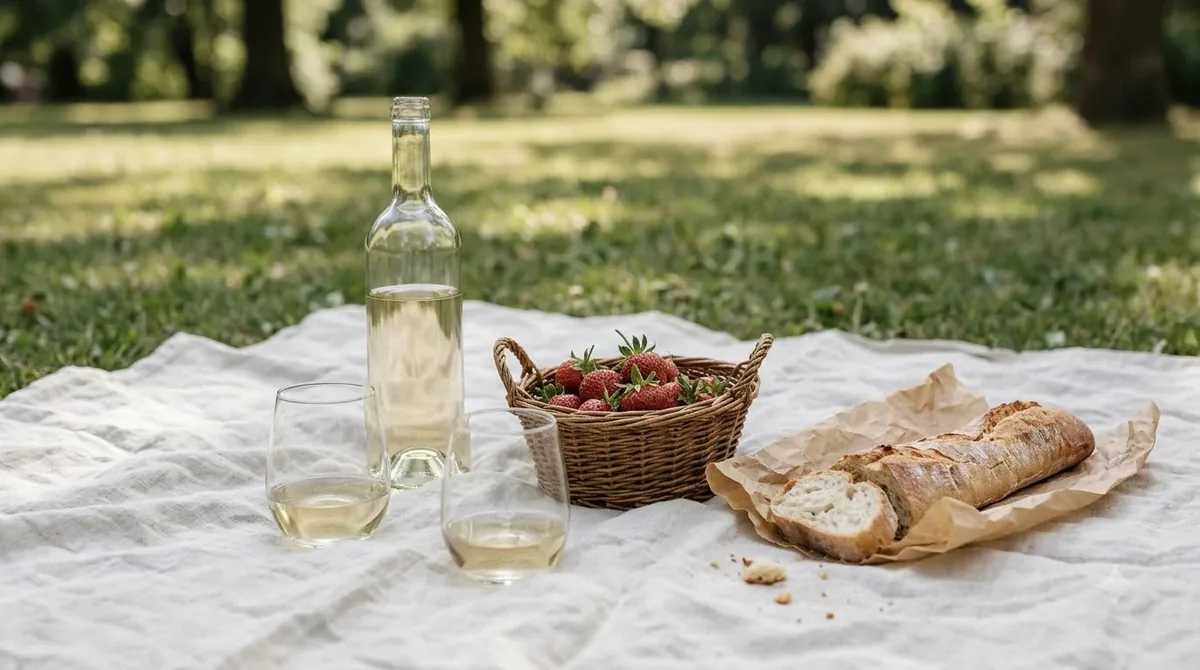
The grape has a long agricultural history in the Adriatic regions of Italy. According to Gambero Rosso, it belongs to the broad family of Trebbiano varieties, although researchers have investigated its precise identity and historical origins. It was traditionally cultivated in areas where local farmers valued its productive qualities, sometimes using it in blends rather than making wines exclusively from Passerina.
The variety eventually received renewed attention from producers interested in preserving native Italian grapes. Rather than treating Passerina simply as a blending component, winemakers began emphasizing its individual characteristics through dedicated vineyard management and separate vinification. This helped establish a clearer identity for wines made entirely or predominantly from the grape.
The name itself has an interesting explanation. Passerina is associated with sparrows, which are attracted to the grape’s berries. Historical names include Pagadebito Gentile, Campolese, and Uva Passera. The names Pagadebito and related expressions also reflect the variety’s historical agricultural importance, when productive grape varieties could help farmers meet their financial obligations.
Passerina is not a red grape and does not produce the deep color or tannic structure associated with varieties such as Cabernet Sauvignon or Montepulciano. Its appeal lies in freshness and aromatic expression. The finished wine is usually pale straw-yellow, sometimes with greenish or golden reflections.
There are several reasons to recognize Passerina as more than another unfamiliar Italian white grape:
- Native Italian identity: It has a long association with the Adriatic regions of central Italy.
- Fresh structure: Its naturally good acidity helps create lively, refreshing wines.
- Versatile production: It can become still white, sparkling, or dessert wine.
- Food compatibility: Its citrus character and moderate weight work particularly well with seafood and vegetable dishes.
For readers exploring lesser-known white grapes, Passerina also offers an interesting comparison with the Spanish Airen grape. Both have important agricultural histories, but their regional identities, typical aromas, and finished wine styles are quite different.
Where Passerina Grows in Italy
Marche and Abruzzo are the principal regions associated with Passerina, particularly the hills surrounding the Adriatic coast. The variety also appears in parts of Lazio, making it an important part of the broader central Italian white wine tradition.

Marche is particularly important for the grape’s modern identity. The region stretches along the Adriatic Sea, with vineyards extending inland toward the Apennine Mountains. The southern part of Marche, especially the Piceno area and the province of Ascoli Piceno, has a strong connection with Passerina production.
The Offida area is especially significant. Vineyards associated with Offida Passerina extend from coastal areas toward the Apennine hinterland, reaching elevations of approximately 600 meters. According to Gambero Rosso, the Mediterranean climate brings hot summers and relatively cold winters, while sea breezes help moderate temperatures during the growing season.
The soils vary across the region. Some inland vineyard sites have substantial clay content, while slopes closer to the coast can contain sand and rock derived from ancient seabed sediments. Moncaro describes Offida vineyards between Acquaviva Picena, Ripatransone, and Offida, with selected vineyard elevations between 150 and 350 meters.
Abruzzo is another important home for Passerina. Its vineyards benefit from the region’s combination of coastal influence and inland elevation. Producers in the province of Chieti and other parts of northern Abruzzo use Passerina to create fresh, aromatic white wines, sometimes under regional geographical indications.
Lazio has smaller areas of cultivation, including an enclave in the province of Frosinone. Although less widely associated with the variety than Marche and Abruzzo, this production demonstrates how Passerina forms part of a wider central Italian viticultural heritage.
The principal regional distinctions can be summarized as follows:
| Region or area | Important location | Typical wine emphasis |
|---|---|---|
| Marche | Offida and Ascoli Piceno | Fresh, aromatic still whites |
| Abruzzo | Chieti and northern Abruzzo | Dry whites with citrus and floral character |
| Lazio | Province of Frosinone | Local still white expressions |
| Piceno | Hills near the Adriatic coast | Still, sparkling, and sweet styles |
These areas are not interchangeable in terms of wine identity. Altitude, soil composition, harvest decisions, and cellar practices all influence the finished wine. A Passerina from a relatively cool hillside vineyard may emphasize citrus and herbal freshness, while grapes from a warmer site can develop more pronounced yellow-fruit aromas.
One useful distinction for shoppers is the difference between a wine labeled with a broad regional indication and one carrying a more specific appellation. A regional label can provide flexibility in production, while a recognized designation such as Offida Passerina communicates a more defined geographical and production identity.
What Passerina Wine Tastes Like
Passerina usually tastes dry, fresh, and fruit-driven, with citrus, apple, yellow fruit, white flowers, and delicate herbal notes. Its acidity provides energy and balance, while its relatively light to medium body keeps the wine approachable with food.
The aroma profile varies by producer and growing location, but several characteristics appear frequently. Lemon, grapefruit, and other citrus fruits provide freshness, while apple, pear, peach, and occasionally apricot add a softer fruit dimension. Floral aromas can include acacia, honeysuckle, white lilac, and other delicate blossoms.
Some examples also show herbal and mineral characteristics. Notes of thyme, sage, or freshly cut herbs can complement the fruit, particularly in wines made to emphasize freshness rather than richness. A subtle saline or stony impression may also appear, especially in wines from vineyards influenced by the Adriatic environment.
Appearance and body
Most still Passerina wines are pale straw-yellow. Greenish reflections are common in young examples, while wines with greater ripeness or development can show more golden color.
The body is generally light to medium rather than full and creamy. The wine should feel refreshing rather than heavy, with enough texture to accompany seafood, pasta, and simple poultry dishes. Some producers retain fine lees during maturation to provide additional texture without sacrificing the variety’s freshness.
Acidity and finish
Acidity is one of Passerina’s defining characteristics. It gives the wine a lively sensation and helps prevent ripe fruit aromas from making the palate feel overly soft. The finish is generally clean, sometimes with a citrus peel, herbal, or gently savory impression.
Not every bottle has identical acidity or intensity. Harvest timing, vineyard conditions, and fermentation choices influence the balance. However, Passerina is generally a useful choice for people who prefer crisp Italian whites to fuller, heavily oaked Chardonnay styles.
The following comparison illustrates the typical differences between its principal flavor characteristics:
| Characteristic | Typical expression |
|---|---|
| Color | Pale straw-yellow to golden yellow |
| Primary fruit | Lemon, grapefruit, apple, pear, peach |
| Floral aromas | Acacia, honeysuckle, white flowers |
| Herbal aromas | Sage, thyme, delicate green herbs |
| Acidity | Medium-high to high, depending on style |
| Body | Light to medium |
| Sweetness | Usually dry in still table wines |
| Finish | Fresh, citrusy, sometimes gently mineral |
Passerina is particularly interesting because it combines aromatic freshness with a relatively restrained structure. It does not need strong oak influence to provide complexity. Many examples are fermented and matured in stainless steel, allowing fruit and acidity to remain at the center of the wine’s character.
For someone familiar with aromatic Italian varieties, Passerina may seem less perfumed than Moscato but more expressive than a very neutral white wine. It occupies a useful middle ground between delicate fruit, floral character, and refreshing acidity.
Dry, Sparkling, and Sweet Passerina Wine Styles
Although dry still white wine is the most familiar expression of Passerina, the grape is not restricted to one production method. Italian producers also use it for sparkling wines and traditional sweet styles, including passito and Vin Santo expressions associated with the Terre di Offida area.
Dry still Passerina
The most recognizable version is a dry white wine made to emphasize fresh fruit, floral aromas, and natural acidity. Fermentation commonly takes place in temperature-controlled stainless steel tanks, helping preserve the grape’s delicate aromatic qualities.
Some producers mature the wine on fine lees, the spent yeast cells left after fermentation. This technique can add a slightly rounder mouthfeel and subtle textural complexity. It does not necessarily make the wine taste sweet or oaky.
For example, Moncaro describes three months of maturation on fine lees in stainless steel for its Offida Passerina. The producer’s technical information also identifies a 12.5% alcohol level. These details illustrate how a modern dry Passerina can retain a fresh profile while gaining additional texture during maturation.
Sparkling Passerina
Sparkling Passerina provides another way to appreciate the grape’s natural acidity. Bubbles emphasize its citrus and floral aromas, creating an option for aperitifs, seafood appetizers, and casual celebrations.
Production methods can vary between producers, and not every sparkling bottle follows the same fermentation process. Some wines emphasize youthful fruit and immediate freshness, while others may involve additional maturation before release.
When selecting a sparkling example, sweetness terminology is useful. Brut is generally a dry style, while Extra Dry is slightly sweeter despite its name. Demi-Sec offers a noticeably sweeter profile. This distinction matters because Passerina’s fresh acidity can make different sweetness levels feel quite balanced.
Passito and Vin Santo
Sweet Passerina wines offer a different experience from the familiar dry white version. Passito production involves concentrating grape sugars through drying techniques before fermentation, creating wines with greater sweetness and more concentrated aromas.
Vin Santo expressions can develop aromas of candied fruit, dried fruit, and spices. Their sweetness is balanced by acidity, helping prevent the wine from feeling excessively heavy. These styles are more suitable for dessert courses than the seafood dishes typically served with dry Passerina.
The existence of several styles makes Passerina particularly interesting for wine enthusiasts. A single grape variety can provide an aperitif wine, a fresh dinner companion, a sparkling alternative, or a dessert wine depending on the production method.
For a broader understanding of how grape varieties shape finished wine styles, explore our Wine by Type resource. Comparing production methods is often more useful than assuming that every wine made from a particular grape will have identical sweetness or texture.
How Passerina Is Made and What to Look for on the Label
Passerina production generally focuses on protecting freshness and preserving delicate aromas. Gentle pressing, temperature-controlled fermentation, and stainless-steel maturation are common techniques, although individual producers can choose different approaches.
Harvest timing is particularly important because the grape’s natural acidity is one of its most valuable characteristics. Producers need sufficient ripeness to develop attractive fruit flavors while maintaining the freshness that distinguishes Passerina from richer white varieties.
Harvest and grape selection
Harvest dates vary according to vineyard conditions, elevation, and the producer’s preferred style. Some Italian producers harvest in September, while later-ripening locations may require additional time before picking.
Moncaro describes hand harvesting with careful grape selection for its Offida Passerina. Selecting healthy fruit helps limit unwanted flavors and gives the winemaker greater control over fermentation.
Other producers may use different harvesting arrangements depending on vineyard size and production requirements. The objective remains similar: deliver grapes with appropriate ripeness and acidity to the winery.
Fermentation and maturation
After harvesting, grapes are usually destemmed and gently pressed. Some producers use short skin contact at controlled temperatures to extract additional aromatic compounds before separating the juice from the skins.
Fermentation commonly takes place in stainless-steel tanks. Temperature control helps preserve fresh fruit and floral characteristics, while the use of stainless steel avoids introducing the pronounced vanilla, toast, and spice notes associated with new oak barrels.
Maturation periods vary. Some wines spend only a short time in stainless steel before bottling, while others remain on fine lees for several months. This difference can influence the finished wine’s texture, aromatic development, and overall weight.
Understanding regional designations
One of the most useful names to recognize is Offida DOCG Passerina. The designation was established in 2011, and its Passerina wine requires a minimum of 85% of the named grape variety according to the regulations described by Gambero Rosso.
Other wines can appear under broader regional indications, including Marche IGT and Terre di Chieti IGT. These labels provide useful geographical information but do not automatically indicate that the wine is made entirely from Passerina.
Some producers make single-variety wines, while others incorporate Passerina into blends. If the purpose is to understand the grape’s individual flavor profile, a bottle specifically identified as 100% Passerina is a useful starting point.
Alcohol content also varies with producer and harvest conditions. Examples from Italian producers commonly fall around 12% to 13% ABV, although individual bottles can differ.
Tip: If you are buying Passerina for the first time, start with a dry Offida DOCG or Marche IGT bottling made primarily from the grape. Look for a relatively recent release, moderate alcohol, and stainless-steel maturation if you prefer a crisp, citrus-driven style.
It is also useful to distinguish Passerina from other lesser-known Italian and European grapes. For example, Brachetto grape is associated with aromatic red and sparkling wines, offering a very different flavor experience. Passerina is firmly within the white-wine category, with freshness and savory food compatibility as its main attractions.
Best Food Pairings and Serving Temperature
Passerina pairs particularly well with seafood, shellfish, fried fish, vegetable dishes, and fresh cheeses. Its acidity refreshes the palate, while its delicate fruit and moderate body complement lighter ingredients without overpowering them.
Seafood is one of the most natural matches. The combination of fresh acidity and citrus aromas works with shrimp, scallops, calamari, mussels, and simply prepared white fish. Wine Enthusiast’s Passerina profile also recommends the grape with lighter fare, including tapas and simple shellfish preparations.
Seafood and shellfish
Try dry Passerina with grilled sea bass, poached cod, steamed mussels, or shrimp salad. The wine’s citrus notes complement the delicate flavors of seafood, while its acidity provides a refreshing contrast to natural richness.
It also works with pasta dishes containing mussels, clams, or light seafood sauces. Linguine with anchovies and olive oil is another useful combination, particularly when the sauce is savory rather than heavily tomato-based.
Fried seafood is especially suitable. Calamari, small fried fish, and lightly battered shrimp benefit from the wine’s acidity, which helps refresh the palate between bites.
Vegetables, cheese, and poultry
Vegetable dishes offer plenty of pairing opportunities. Grilled zucchini, asparagus, artichokes, vegetable risotto, and tempura vegetables can work particularly well when their preparation is not excessively spicy or sweet.
Fresh cheeses are also appropriate. Consider ricotta, fresh mozzarella, young goat cheese, and other mild cheeses that do not overwhelm the wine’s delicate aromas. Slightly aged cheeses can work with fuller examples that have more texture from lees maturation.
Chicken and turkey are good choices when served with simple preparations. Roasted chicken with lemon, grilled turkey, and poultry with light herb sauces complement the wine’s fruit and herbal notes.
Passerina can also accompany pork, particularly simply seasoned grilled or roasted preparations. Its freshness helps balance the richness of the meat without requiring a powerful, tannic red wine.
Foods to approach carefully
Very rich cream sauces can overwhelm lighter Passerina wines. Strongly smoked meats, heavily spiced dishes, and intensely flavored blue cheeses can also dominate its delicate character.
Very spicy chili dishes require particular care. Alcohol and tannin can amplify perceived chili heat, so a relatively low-alcohol, fresh white is generally a more comfortable choice than a powerful red, although the spice level should still be moderate.
Sweet desserts require a different approach. If serving Passerina in a sweet passito style, choose desserts at least as sweet as the wine. Dry Passerina is better reserved for savory dishes rather than very sweet cakes or pastries.
Serving temperature and glassware
For most dry Passerina wines, a serving temperature of 45–50°F is a practical starting point. Some fuller examples can be served slightly warmer, around 50–55°F, to allow their fruit and texture to become more expressive.
Individual Italian producers sometimes recommend temperatures around 50–54°F. Moncaro recommends 10–12°C for its Offida Passerina, while Colonnara specifies 12°C for its Marche IGT bottling.
Use a standard white wine glass with enough room to collect the aromas. Avoid serving the wine extremely cold, because excessive chilling can mute its floral and fruit characteristics.
A standard 5-ounce pour is suitable for a typical 750-milliliter bottle, which provides approximately five glasses. Once opened, keep the bottle refrigerated and aim to enjoy the wine within three to five days for the best preservation of its freshness.
How to Choose, Store, and Enjoy Passerina
The best Passerina for most first-time buyers is a young, dry bottle from Marche or Abruzzo with clear fruit aromas and refreshing acidity. Storage and serving decisions should preserve those qualities rather than encourage unnecessary aging or excessive warming.
Start by considering the type of wine you want. A dry still Passerina is the most straightforward choice for everyday meals, seafood, and aperitifs. A sparkling version is appropriate for celebrations, while passito and Vin Santo styles suit dessert courses.
Next, consider the geographical indication. Offida DOCG Passerina is a useful starting point if you want a wine with a defined regional identity and a substantial proportion of the named grape. Marche IGT and Terre di Chieti IGT can also provide good opportunities to explore the variety.
Producer information can help explain the style. Some wineries emphasize immediate freshness through short stainless-steel maturation, while others use fine lees to add texture. Neither method is automatically better; the right choice depends on whether you prefer a particularly crisp white or one with slightly more weight.
Should you age Passerina?
Most dry Passerina is best enjoyed young. Its appeal is built around fresh citrus, floral aromas, and lively acidity, which are generally most expressive relatively soon after release.
Moncaro specifically recommends consuming its Offida Passerina within the first two years of its life. This is a useful indication of the intended style, although it should not be treated as an absolute aging rule for every producer.
Some wines with greater concentration, careful maturation, or different production methods may develop additional complexity. Sweet wines can also have different aging potential from everyday dry whites. However, buying a standard young Passerina with the intention of storing it for a decade is generally unnecessary.
Storage recommendations
Store unopened bottles in a cool, dark environment with a relatively stable temperature. Around 55°F is a useful target for long-term wine storage. Avoid placing bottles near ovens, radiators, sunny windows, or locations with frequent temperature fluctuations.
For bottles with natural cork closures, horizontal storage helps keep the cork in contact with the wine. Maintain suitable humidity and minimize vibration when possible.
Once opened, reseal the bottle and refrigerate it. The cooler temperature slows oxidation and helps retain fresh fruit aromas. A wine stopper can also reduce unnecessary exposure to air.
Before serving the next glass, remove the bottle from the refrigerator briefly if it has become too cold. A few minutes at room temperature can help restore the aromas and make the wine more expressive.
For anyone building a broader collection of regional white wines, Passerina is a useful addition alongside varieties such as Verdicchio, Pecorino, and Trebbiano. It offers a distinct expression of central Italy without requiring the drinker to move into heavily oaked or unusually aromatic styles.
Frequently Asked Questions
Is Passerina related to Trebbiano?
Passerina has historically been associated with the broad Trebbiano family in discussions of central Italian grape varieties. However, its precise historical identity has been investigated by researchers, and the variety should not simply be treated as interchangeable with every grape carrying the Trebbiano name. Its modern regional identity is particularly connected with Marche and Abruzzo.
Is Passerina suitable for people who prefer Sauvignon Blanc?
Yes, particularly for drinkers who enjoy fresh acidity and citrus flavors. Passerina generally has a more restrained aromatic profile than strongly expressive Sauvignon Blanc, with floral, apple, and yellow-fruit notes alongside its citrus character. It can be an interesting alternative for someone looking to explore Italian white wines.
Does Passerina contain natural bubbles?
Some Passerina wines are produced as sparkling wines, but not every bottle has bubbles. The still versions are the most familiar expressions, while sparkling examples depend on the producer’s chosen fermentation and production method. A bottle specifically labeled as sparkling is the appropriate choice if you want carbonation.
What does Offida DOCG mean on a Passerina label?
Offida DOCG identifies a protected Italian wine designation associated with the Offida production area. The Passerina version requires at least 85% of the named grape variety under the production rules described by Gambero Rosso. It helps distinguish this regional expression from broader Italian geographical indications.
Can Passerina be blended with other grape varieties?
Yes. Passerina has historically been used in blends, and it continues to appear in several central Italian wine denominations. Producers can combine it with other permitted varieties to adjust aromatic intensity, texture, and balance. Single-variety bottlings are particularly useful for appreciating the grape’s individual character.
Passerina deserves attention as one of central Italy’s distinctive native white grapes. Its combination of citrus fruit, floral aromas, refreshing acidity, and flexible production styles makes it an excellent companion for seafood and lighter Mediterranean cooking. Start with a young dry example from Marche or Abruzzo, serve it properly chilled, and explore sparkling and dessert versions to discover the variety’s broader potential.
More in Wine Types & Grapes
 Zinfandel Sugar Content: Dry Red vs. White Zinfandel GramsUpdated Nov 21, 2026
 Best Zinfandel Substitute Options for Sipping and CookingUpdated Nov 21, 2026
 Zweigelt Food Pairing: Best Dishes, Cheeses, and Serving TipsUpdated Nov 21, 2026
 Zinfandel Tannins Explained: How Structure Shapes Every BottleUpdated Nov 21, 2026
 Zinfandel Sweetness Level: Dry Red vs. Sweet White Zin ExplainedUpdated Nov 21, 2026
 Xinomavro Food Pairing: Best Dishes, Styles, and Serving TipsUpdated Nov 21, 2026