

We may earn a commission when you buy through links on this page, at no extra cost to you. Learn more.
Ortega wine is an aromatic white wine made from the German Ortega grape, known for its ripe peach, floral and sometimes spicy flavors. It can range from dry and gently fruity to richly sweet dessert wine, depending on when the grapes are harvested and how the winemaker handles fermentation. Originally bred in 1948, Ortega is grown primarily in Germany and also has a notable presence in English vineyards. Its naturally high sugar potential and relatively soft acidity give it a distinctive personality among European white wines.
For wine drinkers who enjoy fragrant whites but want something less familiar than Riesling, Sauvignon Blanc or Chardonnay, Ortega is an interesting variety to discover. Its history connects German grape breeding with the development of English wine, while its different winemaking styles offer options for both everyday meals and dessert occasions. Understanding its sweetness, aromas, growing regions and serving requirements makes choosing the right bottle much easier.
What Is Ortega Wine and Where Did It Originate?
Ortega is a white wine grape variety developed in Germany in 1948. It was bred by Hans Breider at the Bavarian State Institute for Viticulture and Horticulture in Würzburg through a cross between Müller-Thurgau and Siegerrebe. The resulting grape combines early ripening with the ability to accumulate considerable natural sugar, characteristics that helped it become established in cooler European growing regions.

The name honors José Ortega y Gasset, the Spanish philosopher admired by Breider. The variety was registered in Germany in 1971 and subsequently attracted attention from growers seeking grapes that could ripen reliably before the end of shorter growing seasons. Its early development made it particularly relevant to German vineyards, where autumn weather can create challenges for varieties that require a longer period to reach full maturity.
Ortega belongs to the broader family of German-bred grape varieties developed to improve viticultural performance and wine quality. Its parent varieties contribute to its aromatic character, although Ortega has its own recognizable profile. Müller-Thurgau is associated with relatively approachable, fruity white wines, while Siegerrebe contributes aromatic intensity and the potential for pronounced ripeness.
According to Wines of Germany, Ortega can reach high must weights even in unfavorable growing years. However, warm conditions can cause acidity to decline rapidly while the grapes continue accumulating sugar. This creates an important winemaking consideration: harvesting at the appropriate moment is essential to preserving freshness and preventing the resulting wine from becoming overly soft. The Wines of Germany Ortega profile provides additional information about the grape’s parentage, cultivation and peach-like aromatic character.
Germany remains the variety’s historical home, particularly in Rheinhessen and the Palatinate. It has also developed a following in England, where its early-ripening qualities suit the country’s relatively cool climate. For additional background, readers can explore the Ortega grape and its characteristics as a wine-growing variety.
What Does Ortega Wine Taste Like?
Ortega wine is typically aromatic, fruity and relatively rounded, with ripe peach as one of its most recognizable flavor characteristics. Depending on the growing conditions, harvest timing and winemaking approach, its profile can include apricot, pear, citrus, white flowers and gentle spice. Sweet examples may also develop honeyed fruit flavors and a richer impression on the palate.
Peach is particularly important to understanding the variety. Wines of Germany describes Ortega as having a fine-fruited character and a peach-like bouquet. This aromatic quality can be noticeable before the first sip, making Ortega an appealing choice for people who enjoy expressive white wines. Its fragrance can be more pronounced than its relatively understated acidity might initially suggest.
Dry versions often emphasize fresh orchard fruit, citrus accents and floral aromas. Some English examples also display zesty characteristics that provide a refreshing contrast to their ripe fruit. Off-dry versions introduce a softer impression, with the natural fruit character appearing sweeter and more rounded. Late-harvest and botrytized wines can develop deeper flavors associated with honey, concentrated peach and ripe stone fruit.
Ortega’s body is generally more substantial than that of a particularly light, crisp white wine, although the finished texture depends on the individual bottle. Residual sugar can contribute additional weight, while fermentation choices and lees contact may influence texture and complexity. Skin-contact Ortega can have a more pronounced structure and savory character than conventional white expressions.
Typical flavor characteristics
- Fruit: Peach, apricot, ripe pear and sometimes pineapple.
- Floral: White flowers and delicate aromatic notes.
- Citrus: Lemon and grapefruit accents, especially in fresher examples.
- Spice: Gentle aromatic spice that can become more noticeable in ripe wines.
- Sweetness-related flavors: Honey, concentrated orchard fruit and ripe stone fruit in sweeter bottlings.
These descriptors are not a guarantee that every bottle will contain all the same aromas. A dry Ortega from an English producer may feel quite different from a concentrated German Auslese. The grape provides a recognizable foundation, but harvest decisions and cellar techniques determine the final expression.
It is also important to distinguish aroma from sweetness. A wine that smells strongly of peaches and ripe apricots can still be completely dry. The perception of sweetness depends on residual sugar, acidity and the overall balance of the wine rather than fruit aromas alone.
Is Ortega Wine Sweet or Dry?
Ortega wine can be dry, off-dry, medium-sweet or fully sweet, although its association with high natural sugar levels makes sweeter styles particularly important to its reputation. The variety is capable of reaching the ripeness needed for late-harvest wines, including German Auslese-style expressions. English producers also make dry still wines, demonstrating that Ortega is not limited to dessert wine.

In Germany, Ortega has a long association with wines made from very ripe grapes. Its ability to develop high must weights allows winemakers to produce concentrated wines with pronounced fruit character. When harvested late, the grapes can retain enough natural sugar to support a dessert-style wine. In favorable conditions, botrytis can further concentrate the fruit, although the development of noble rot depends on suitable vineyard conditions.
Sweet Ortega can have a rich texture and flavors of honey, ripe peach and apricot. These characteristics make it suitable for serving with fruit-based desserts, creamy desserts and dishes containing complementary sweet ingredients. The wine should generally be at least as sweet as the dessert, otherwise the dessert can make the wine seem sour or thin.
Dry Ortega offers a different experience. Fermentation converts most of the grape sugar into alcohol, leaving a wine that emphasizes fruit fragrance without substantial residual sweetness. English vineyards have developed this approach, and producers including Biddenden and Westwell have contributed to the variety’s presence in the country’s still-wine scene.
Off-dry Ortega can provide a middle ground. A small amount of residual sugar softens the wine’s profile and makes ripe fruit flavors seem more prominent. This style can work particularly well with dishes that combine mild spice, salt and sweetness, such as Asian-inspired poultry, lightly spiced pork and savory dishes with fruit-based sauces.
Understanding the main styles
| Style | Typical sweetness | Flavor profile | Best use |
|---|---|---|---|
| Dry Ortega | Very little residual sugar | Peach, pear, citrus and flowers | Seafood, poultry and salads |
| Off-dry Ortega | Noticeable but restrained sweetness | Ripe peach, apricot and gentle spice | Lightly spiced dishes and Asian cuisine |
| Medium-sweet Ortega | Pronounced sweetness | Honey, ripe stone fruit and flowers | Fruit desserts and aromatic cheeses |
| Late-harvest Ortega | High natural sweetness | Concentrated apricot, peach and honey | Fruit tarts and creamy desserts |
| Botrytized Ortega | Usually rich and sweet | Honey, concentrated fruit and complex aromas | Blue cheese and rich desserts |
The descriptions above are general style indicators rather than fixed legal sweetness categories. Actual residual sugar varies between producers, vintages and bottlings. German quality classifications can provide useful information about grape ripeness, but they should not be treated as a direct measurement of the finished wine’s sweetness.
Tip: If you prefer crisp white wine rather than dessert wine, look for a dry English Ortega or a German bottling explicitly described as trocken. For a sweeter experience, seek out late-harvest, Auslese or noble-harvest examples.
Where Is Ortega Grown and What Makes Its Growing Conditions Different?
Ortega is primarily associated with Germany, particularly Rheinhessen and the Palatinate, but it has also established itself in England. Its early ripening makes it useful in cooler climates where late-season rain and falling temperatures can prevent slower-ripening grapes from reaching full maturity. The variety’s geographic distribution reflects this practical advantage.
Rheinhessen is one of Germany’s most important wine-growing regions and a principal home for Ortega. The Palatinate is another significant growing area. Both regions support a range of white wine varieties, and Ortega’s ability to reach substantial sugar levels gives local producers flexibility when making aromatic and sweet wines.
The Mosel is also relevant to Ortega’s early history and distribution. Although Riesling is much more closely associated with the region’s international reputation, Ortega became part of the wider German grape-growing landscape. Its ability to ripen early is especially valuable in locations where the growing season does not always offer ideal conditions for later-harvesting grapes.
England represents an important development in the variety’s story. Ortega was introduced there in the early 1970s, and it found a role in vineyards seeking dependable early-ripening white varieties. Kent became particularly associated with its cultivation. Biddenden was among the early growers, while Westwell has explored alternative winemaking methods, including wild-yeast fermentation and amphora use.
Englishwine.com’s British vineyard reference records 324 hectares of Ortega in Germany and 45.17 hectares in Great Britain in its 2024 vineyard figures. The German figure represents a substantial decline from the 951 hectares recorded in 2001. These numbers illustrate how Ortega remains a specialist variety rather than a dominant international grape.
| Growing area | Country | Ortega significance |
|---|---|---|
| Rheinhessen | Germany | One of the principal growing areas |
| Palatinate | Germany | Important regional plantings |
| Mosel | Germany | Associated with its early regional history |
| Kent | England | Established area for English Ortega |
| Other English wine regions | England | Smaller-scale specialist production |
The variety is not without vineyard challenges. Although it ripens early, it can be vulnerable to late spring frost, coulure and late-season botrytis. Coulure refers to poor fruit set after flowering, which can result in uneven or reduced grape clusters. Botrytis can be useful when controlled conditions encourage noble rot, but unwanted bunch rot can damage fruit quality.
Growers therefore need to balance early harvesting advantages against disease management and the potential loss of acidity during warm conditions. Vineyard location, canopy management and harvest timing all influence the quality of the grapes. These factors explain why two Ortega wines from different countries can have noticeably different profiles.
How Ortega Compares With Riesling and Other White Wines
Ortega shares some characteristics with other aromatic white grapes, but its combination of early ripening, high sugar potential and relatively low acidity gives it a distinct identity. It is especially useful to compare Ortega with Riesling and Müller-Thurgau because those varieties help explain its parentage, structure and role in German wine production.
Riesling is generally recognized for its high acidity and ability to produce everything from dry wines to highly concentrated sweet bottlings. Ortega can also produce sweet wines, but it generally has softer acidity. This difference affects how the wines feel on the palate: Riesling often delivers a sharper, more pronounced refreshing sensation, while Ortega tends to emphasize ripe fruit and a rounded impression.
Müller-Thurgau is one of Ortega’s parent varieties. Both grapes can produce aromatic, approachable white wines, but Ortega has a particular reputation for early ripening and high sugar accumulation. Its other parent, Siegerrebe, contributes to its aromatic character. This combination helps explain why Ortega can produce expressive wines even when grown in cooler conditions.
Compared with Sauvignon Blanc, Ortega generally offers a less sharply acidic and less overtly herbal profile. Sauvignon Blanc is associated with pronounced freshness, citrus and green fruit, while Ortega leans toward ripe stone fruit and floral aromas. Chardonnay, meanwhile, usually offers a broader range of textures and winemaking expressions, including oak-aged styles, but its typical fruit profile is less specifically associated with peachy aromatics.
Ortega can also be useful in blends. Englishwine.com’s variety reference identifies its low acidity and high natural sugar levels as reasons it can complement higher-acid varieties such as Riesling. In blending, the goal is to combine fruit intensity and body with enough acidity to maintain freshness. A successful blend should feel balanced rather than simply sweeter or more aromatic.
| Grape | Typical acidity | Tannin | Common characteristics |
|---|---|---|---|
| Ortega | Low to medium | Low | Peach, flowers and ripe fruit |
| Riesling | High | Low | Citrus, apple and mineral notes |
| Müller-Thurgau | Low to medium | Low | Orchard fruit and floral aromas |
| Sauvignon Blanc | High | Low | Citrus, herbs and green fruit |
| Chardonnay | Medium | Low | Apple, citrus and possible creamy or oak notes |
These comparisons describe typical grape characteristics rather than guaranteed outcomes for every bottle. Climate, ripeness, fermentation and blending can substantially change the final wine. For readers exploring other varieties, the Airén grape offers another useful comparison, particularly for understanding how white grapes can differ in acidity, aromatic intensity and regional importance.
Best Food Pairings for Ortega Wine
Ortega pairs well with poultry, mild seafood, aromatic vegetables, lightly spiced dishes and fruit-based desserts. The best match depends primarily on the wine’s sweetness and acidity. Dry Ortega suits lighter savory foods, while sweeter versions can complement dishes with gentle heat or desserts containing ripe fruit and cream.
For dry Ortega, roasted chicken with lemon and herbs is a practical starting point. The poultry provides enough flavor to match the wine’s aromatic intensity without overwhelming its peach and floral notes. Grilled turkey, chicken salads and lightly seasoned pork can also work well, particularly when the preparation includes citrus or fresh herbs.
Seafood is another good option, especially when it is prepared without heavy sauces. Grilled sea bass, poached white fish, shrimp and scallops can complement the fruit-forward character of a dry Ortega. Lemon, parsley and mild seasoning help connect the wine’s freshness with the food. Avoid heavily tannic red wine with oily fish, but Ortega’s lack of significant tannin makes it a more suitable choice.
Off-dry Ortega is particularly flexible with dishes that combine spice and sweetness. Thai-inspired chicken, lightly spiced noodles, ginger-seasoned vegetables and sweet-and-sour pork can all be suitable. A modest amount of residual sugar helps balance spicy ingredients, while the wine’s aromatic fruit complements ginger, citrus and fragrant herbs.
However, extremely hot chili dishes require care. Alcohol can amplify the sensation of chili heat, and a highly alcoholic wine may make a fiery dish feel even hotter. A moderately alcoholic, gently off-dry Ortega is generally a better direction than a powerful wine served with intensely spicy food.
Pairing sweet Ortega with desserts
Sweet Ortega works particularly well with desserts featuring peaches, apricots, pears and baked apples. A peach tart, apricot cake or lightly sweetened fruit salad can echo the wine’s natural aromatic profile. Cream-based desserts are also useful because their texture complements the wine’s rounded mouthfeel.
Cheese can offer another rewarding match. Blue cheese provides salt and intensity that contrast with sweet wine, while creamy cheeses can create a softer pairing. The wine should be at least as sweet as the dessert or sweet accompaniment; otherwise, the food may make the wine taste noticeably less balanced.
Ortega food pairing guide
| Food | Preferred Ortega style | Why it works |
|---|---|---|
| Roast chicken with herbs | Dry | Matches delicate savory flavors |
| Grilled sea bass | Dry | Complements mild seafood and citrus |
| Thai chicken with ginger | Off-dry | Balances gentle spice and aromatic seasoning |
| Sweet-and-sour pork | Off-dry | Connects fruit sweetness with savory flavors |
| Peach tart | Medium-sweet | Echoes the wine’s stone-fruit aromas |
| Blue cheese | Sweet | Contrasts saltiness with concentrated fruit |
| Apricot cake | Late-harvest | Matches the dessert’s fruit intensity |
For a simple dinner, dry Ortega with grilled chicken and roasted vegetables is a reliable combination. For a more adventurous meal, try off-dry Ortega with lightly spiced Asian cuisine. Save the concentrated sweet examples for fruit desserts or cheese courses where their natural richness has room to shine.
How to Serve, Store and Enjoy Ortega Wine
Ortega is best served chilled rather than at room temperature. A serving temperature of 45–50 F works well for most dry and off-dry expressions, while sweeter, more concentrated bottlings benefit from a slightly cooler temperature of approximately 43–50 F. Proper chilling preserves freshness and helps keep the wine’s aromatic profile focused.
A standard 750 ml bottle provides approximately five glasses when each serving is 5 oz. This makes Ortega suitable for a small dinner gathering or a tasting alongside other aromatic white wines. Use a conventional white wine glass with enough room to appreciate the peach and floral aromas. There is no need for a specialized glass to enjoy the variety.
Serving temperature can make a noticeable difference. If Ortega is served too warm, its alcohol and sweetness may seem more pronounced, particularly in richer bottlings. Excessive chilling can mute delicate floral and fruit aromas. Allowing the wine to warm slightly in the glass can reveal more of its fragrance as you drink it.
Opening and storing a bottle
Most Ortega wines do not require decanting. Open the bottle shortly before serving and pour a small sample to assess its temperature and aromas. A complex or concentrated bottle can benefit from a few minutes of air exposure in the glass, but extended decanting is generally unnecessary for this white variety.
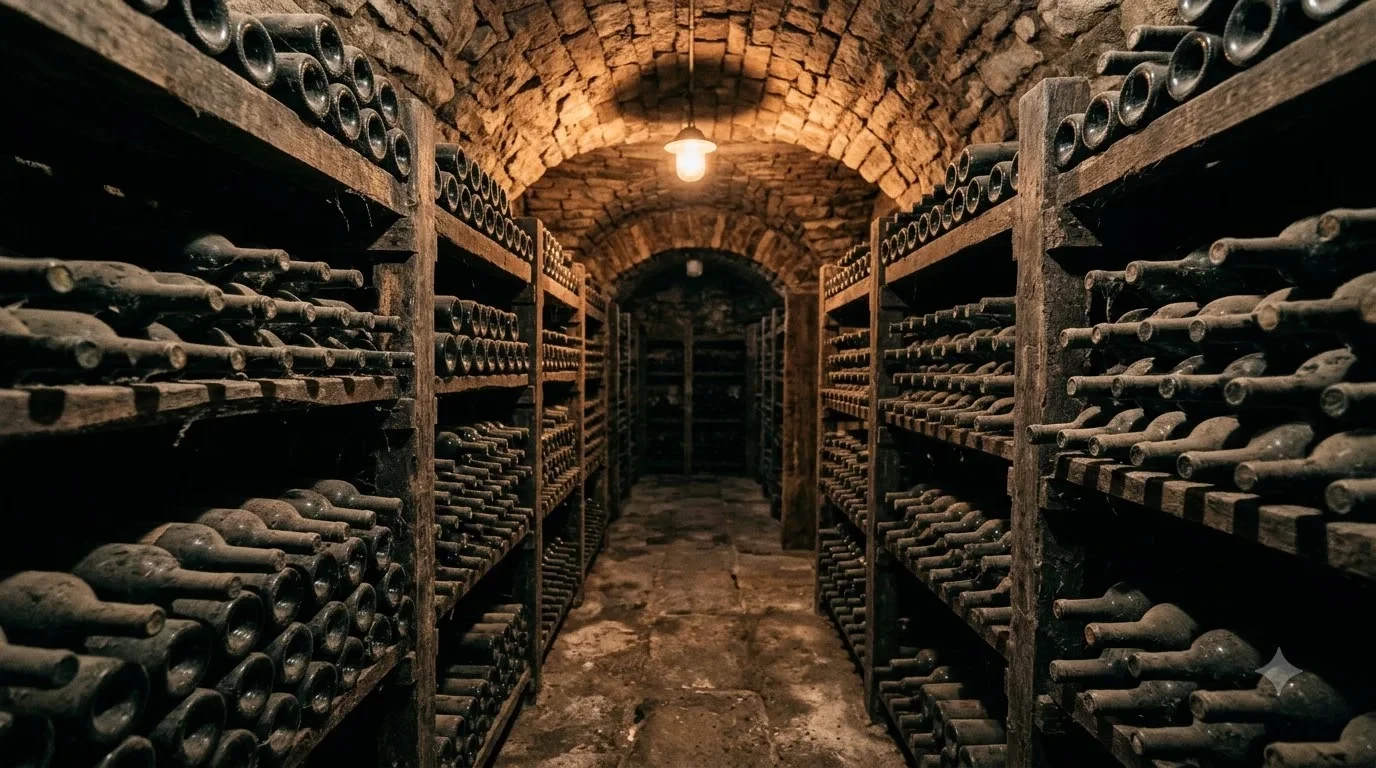
Store unopened bottles in a cool, dark location with a stable temperature. A storage temperature near 55 F is a useful general target for wine. Bottles sealed with traditional corks should generally be stored on their sides to help maintain cork moisture. Avoid direct sunlight, strong temperature fluctuations and locations close to appliances that generate heat.
After opening, reseal the bottle and keep it refrigerated. Most opened still wines retain their best character for approximately three to five days, although the precise period depends on the wine’s style, storage conditions and exposure to oxygen. Sweet wines can sometimes retain their character longer than lighter dry wines, but their condition should be assessed before serving.
For a better experience, take the bottle out of the refrigerator a few minutes before pouring if it is extremely cold. Serve the first glass at the cooler end of the recommended range and let subsequent glasses warm gradually. This allows the wine’s fruit and floral notes to become more expressive without losing its refreshing character.
Frequently Asked Questions
Is Ortega wine made from a hybrid grape?
Ortega is a German-bred intervarietal crossing of Müller-Thurgau and Siegerrebe. It is a deliberately bred grape variety rather than a traditional regional grape with centuries of established cultivation. Its parentage reflects Germany’s efforts to develop varieties suited to local vineyard conditions.
Can Ortega wine improve with bottle aging?
Some concentrated sweet Ortega wines can develop additional complexity with careful bottle aging. The potential depends on residual sugar, acidity, concentration and the producer’s winemaking decisions. Simpler dry examples are generally best enjoyed while their fresh fruit and floral aromas remain prominent.
Does Ortega wine have oak aging?
Most Ortega is made to emphasize its fruit and aromatic qualities rather than prominent oak character. However, some English producers have experimented with barrel-aged versions. Westwell is among the producers associated with alternative approaches to Ortega winemaking.
Can Ortega be used to make sparkling wine?
Ortega is primarily associated with still white wines, including dry and sweet expressions. Its use in sparkling wine is less prominent than that of traditional varieties such as Chardonnay and Pinot Noir. The grape’s early ripening and sugar accumulation make its suitability dependent on harvest timing and the acidity required for the intended sparkling style.
Is Ortega wine widely available in American wine stores?
Ortega is a specialist variety rather than a widely distributed international white wine grape. American availability can therefore be limited compared with Riesling, Sauvignon Blanc or Chardonnay. Specialist importers, retailers focusing on German wines and merchants offering English wines are useful places to investigate.
Ortega is a distinctive white grape that offers much more than its reputation as a sweet German wine might suggest. Its peachy fragrance, early-ripening heritage and versatility across dry, off-dry and dessert styles make it an appealing discovery for curious white wine drinkers. Whether served with grilled seafood, lightly spiced food or a fruit dessert, a well-balanced Ortega offers a rewarding alternative to more familiar aromatic whites.
More in Wine Types & Grapes
 What Does Mourvèdre Taste Like? Flavor Profile, Regions, and PairingsUpdated Nov 20, 2026
 What Does Marsanne Taste Like? Flavors, Styles, and Food PairingsUpdated Nov 20, 2026
 What Does Malvasia Taste Like? Styles, Flavors, and Food PairingsUpdated Nov 20, 2026
 What Does Grenache Blanc Taste Like? Flavor Profile, Styles, and PairingsUpdated Nov 20, 2026
 What Does Garnacha Taste Like? Key Flavors, Styles, and Pairing TipsUpdated Nov 20, 2026
 What Does Fruit Wine Taste Like? A Complete Flavor and Style BreakdownUpdated Nov 20, 2026