

We may earn a commission when you buy through links on this page, at no extra cost to you. Learn more.
The answer to how long does sangria last after opening is 3 to 4 days for homemade sangria with fresh-cut fruit kept at 40°F or below. For the freshest fruit texture and liveliest wine flavor, plan to finish it within 1 to 2 days. Commercial bottled sangria can vary by recipe, so refrigerate it after opening and follow the maker’s storage directions.
Sangria is more perishable than a plain bottle of wine because it combines wine with cut fruit, juice, sweetener, and sometimes soda or other mixers. Oxygen gradually dulls the wine, while the fruit softens and releases juice into the pitcher. Good storage slows those changes, but it does not stop them; the safest approach is to keep the drink cold, limit the time it spends on the table, and treat the fruit as part of the leftover.
How Long Homemade Sangria Lasts After Opening
A homemade pitcher containing sliced apples, oranges, berries, or other fresh fruit is best used within 3 to 4 days in a refrigerator held at 40°F or colder. That is a practical upper limit based on guidance for refrigerated cut fruit, not a laboratory-tested shelf-life guarantee for every sangria recipe; quality is usually better during the first 1 to 2 days.

| Storage situation | Practical limit | What the number means |
|---|---|---|
| Homemade sangria with cut fruit | 3 to 4 days | Conservative refrigerated window based on cut-produce guidance |
| Best fruit texture and flavor | 1 to 2 days | Quality target, not a separate food-safety rule |
| Refrigerator temperature | 40°F or below | Keep the pitcher consistently cold |
| Time at room temperature | 2 hours maximum; 1 hour above 90°F | Discard if the batch exceeds this window |
The exact moment the clock starts depends on how the pitcher was handled. If you made the sangria the night before a party, the time spent chilling overnight already counts. Opening the pitcher again the next morning does not restart the clock, and pouring a glass does not make the remaining mixture newly prepared. Think of the batch as one prepared food-and-drink mixture with a single storage timeline.
Fruit is the main reason to use a shorter window than you might use for an opened bottle of plain wine. According to University of Maine Cooperative Extension, cut, peeled, or cooked produce should be refrigerated within 2 hours and consumed within 3 to 4 days. That guidance is a useful conservative benchmark for sangria made with fresh fruit, especially when the pitcher contains soft berries or cut melon.
For planning, count from the time the fruit is cut and mixed, not from the first glass poured. A pitcher assembled on Friday night and served on Saturday has already used part of its storage window before the first guest arrives. Divide a large batch into two clean, covered containers when practical, so the second portion stays sealed while the first is served. For the best drinking experience, do not wait until the fourth day just because the mixture has stayed cold. Strawberries can lose their shape, apple pieces can turn mealy, and citrus can become less pleasant as its peel and pith steep. A batch made with firm apple and orange slices may hold its texture longer than one loaded with raspberries, peaches, or very ripe berries, but all fruit continues to change while it sits in wine. Thin citrus wheels also expose more peel and pith to the liquid than a small amount of squeezed juice does, so a long soak can make the flavor harsher even when the fruit is still cold. If the recipe includes cut melon, be especially careful about prompt refrigeration and clean preparation.
Ingredients That Shorten Its Best-Quality Window
Sangria recipes vary, and the ingredients determine how quickly the pitcher changes. Wine, fruit, liqueur, juice, sweetener, and carbonated mixers do not all age at the same rate, so a batch with several fresh additions should be treated more cautiously than a simple wine-based drink.
Fresh fruit adds moisture, pulp, and delicate cut surfaces to the mixture. VinePair’s sangria primer describes combinations of wine, sweetener, liqueur, soda, and fruit, including oranges, apples, grapes, blackberries, and citrus. Each piece releases juice as it rests; soft berries may collapse, while apple and pear pieces lose their crispness. Fresh orange or lemon juice adds more pulp and perishable plant material, and adding brandy or triple sec does not make the pitcher shelf-stable.
Soda and sparkling water lose carbonation after being mixed into a pitcher and exposed to air, so add them just before serving rather than storing them in the batch. Traditional red sangria often uses Tempranillo or Garnacha, while white versions may use Sauvignon Blanc or Pinot Grigio; rosé versions work with peaches, melon, and citrus. When choosing a different base, the site’s Wine by Type overview explains wine styles, while how long does orange wine last after opening covers storage for that separate wine style.
Tip: Keep the wine, fruit, and noncarbonated mixers together in the refrigerator, but hold back sparkling water or soda until serving. That preserves the fizz and avoids pouring a flat, diluted pitcher over several days.
The Refrigeration Rules That Matter
Keep sangria at 40°F or below, and get it back into the refrigerator promptly after pouring. The cold temperature slows the quality decline and helps control bacterial growth associated with perishable ingredients such as cut fruit.
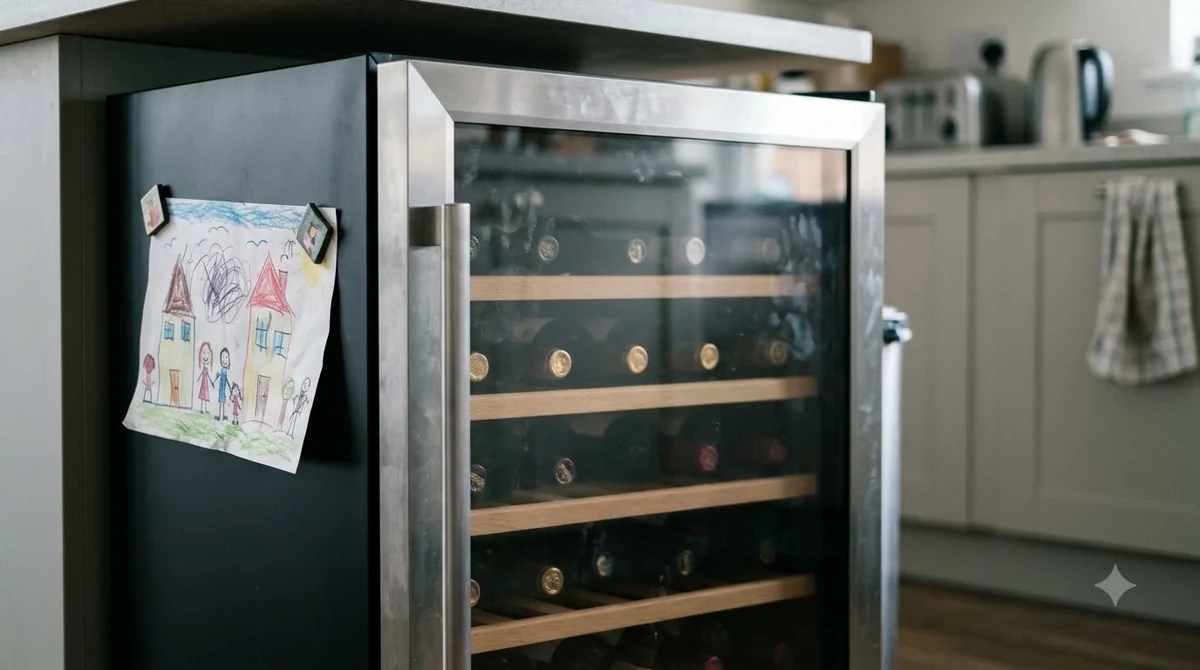
The Centers for Disease Control and Prevention identifies 40°F to 140°F as the food-safety danger zone, where bacteria can multiply quickly. It advises refrigerating perishable food within 2 hours, or within 1 hour when the surrounding temperature is above 90°F. This matters at outdoor gatherings: a pitcher left on a sunny patio table can pass the safe room-temperature window while guests refill their glasses. If it has been out too long, discard it rather than returning it to the refrigerator and relying on smell or a small taste.
Keep a refrigerator thermometer nearby if the appliance temperature is uncertain. University of Maine Cooperative Extension recommends keeping refrigerated produce at 40°F or below and placing cut fruit in clean, covered containers within 2 hours. Wash whole fruit under running water before cutting, use clean hands and utensils, and start with a clean container. Cut the fruit on a clean board, keep it away from raw meat and seafood during preparation, and move the mixed pitcher into the refrigerator as soon as it is assembled. At a party, put only a small amount in the table pitcher and keep the main batch refrigerated, refilling the serving vessel as needed.
How to Store an Open Pitcher
Good storage is straightforward: transfer the remaining sangria to a clean, covered container, seal it, and refrigerate it as soon as possible. A lid reduces exposure to oxygen and refrigerator odors, while a clean vessel helps avoid introducing new contaminants after serving.
If the sangria is still in its original pitcher, cover it tightly with a fitted lid or food-safe wrap. A clean 750-ml bottle or lidded quart-size jug also works, provided it is easy to pour from and has room for the liquid. Remove serving utensils, used ice, and leftover garnishes: melting ice dilutes the drink, while a spoon used in several glasses can transfer food residue back to the batch. Keep ice in individual glasses and use a clean ladle or pour directly from the covered vessel.
Do not top up an old pitcher with new wine or fresh fruit and treat it as a new batch; adding ingredients does not reset the age of the mixture already inside. Serve sangria chilled and pour only the amount likely to be consumed. If you prefer a less-cold glass, let that single serving stand briefly rather than warming the whole pitcher, then return the covered main batch to the refrigerator.
When a batch is nearing the end of its storage window, check both the liquid and the fruit. A normal wine-and-citrus aroma should not have shifted to vinegar-like sharpness, yeasty or rotten notes, or an unexpectedly musty smell. Fruit should not show fuzzy growth, slime, or other visible spoilage. These are reasons to discard the batch, but the absence of obvious warning signs does not prove that a drink kept too warm is safe.
Bottled Sangria and Restaurant Leftovers
Commercial bottled sangria is not identical to a homemade pitcher. Some versions are filtered and packaged without loose fruit, while others may contain juice, flavorings, or visible fruit pieces; the ingredients and production methods vary, so the bottle’s after-opening directions should take priority.
After opening a commercial bottle, close it securely and refrigerate it unless the label gives different instructions. Replace the screw cap between servings; do not leave the bottle open on the counter. If the maker specifies an after-opening period, follow it. A filtered bottled sangria without cut fruit may retain its flavor longer than a homemade pitcher full of strawberries and orange slices, but air exposure still dulls its fruit aromas. For a commercial product containing real fruit pieces, use the same cautious 3-to-4-day refrigerated window as homemade fruit sangria.
Restaurant leftovers deserve extra caution because the storage history may be unknown. A restaurant may prepare a batch in advance, hold it in a dispenser, or add fresh fruit and soda at different stages. Refrigerate a take-home portion promptly, but do not keep it if it spent too long unrefrigerated before you received it. For a separate bottle of fortified wine, use guidance written for that style: Madeira has its own opened-bottle considerations, covered in how long does madeira last after opening. Sangria does not become fortified wine because a recipe includes a splash of brandy.
Signs Sangria Has Passed Its Prime
Quality changes and spoilage are related, but they are not the same thing. A pitcher can taste dull or have limp fruit before it has obvious spoilage, while a batch that has been held at an unsafe temperature should be discarded even if it looks normal.
Oxidation can make sangria smell flat, stale, or less fruity: red versions may lose fresh berry aromas, while white and rosé versions can seem tired. A sharp vinegar-like smell, rotten or musty notes, fuzzy mold, or slimy fruit are reasons to discard the batch. Some pulp settling at the bottom is normal in a homemade pitcher, but mold-like growth or a slick surface is not. Do not taste a suspicious batch to decide whether it is safe.
Flat soda, soft apples, and bitter citrus are generally quality problems rather than automatic proof of food-safety failure, but they show that the drink is past its best. Do not assume brandy, orange liqueur, or added sugar prevents spoilage: typical sangria also contains wine, juice, fruit, or soda, so it is not equivalent to a spirit or fortified wine. If the batch is still within its safe storage window but the fruit texture is unappealing, strain a serving through a fine mesh strainer; removing fruit does not extend the storage period or undo time already spent warm.
Frequently Asked Questions
Can you freeze leftover sangria?
Yes, you can freeze sangria in a freezer-safe container, leaving room at the top for expansion. The thawed fruit will be softer, so freezing the strained liquid or pouring it into ice-cube trays is often more useful than freezing a fruit-filled pitcher. Freezing does not make a batch safe again if it was already mishandled.
Does the fruit in sangria absorb alcohol?
Yes, fruit takes up some of the surrounding liquid as it soaks, so fruit pieces can carry wine and added spirits when served. The amount varies with the fruit, its cut size, and how long it sits in the pitcher. Treat the fruit as part of the alcoholic drink rather than as an ordinary fresh-fruit garnish.
Can you make sangria without adding fruit until serving?
Yes. You can chill a wine, juice, and liqueur base separately, then add washed and cut fruit shortly before serving. This keeps the fruit from softening during a long storage period, although the prepared base still needs to stay refrigerated and should not be kept indefinitely.
Why does homemade sangria sometimes look cloudy?
Cloudiness can come from fruit pulp, citrus juice, or fine particles released as ingredients sit together. A cloudy appearance by itself does not establish whether the drink is spoiled. Look for a change from the recipe’s usual appearance and consider its storage history, not just its clarity.
Should sangria be shaken before serving?
Usually, a gentle stir is enough to redistribute settled juice and fruit flavors. Shaking a carbonated batch can cause it to foam and release bubbles quickly, so mix sparkling water or soda in gently at the end. If the sangria contains soft fruit, stir carefully to avoid crushing it into the drink.
For most homemade sangria, plan on 3 to 4 refrigerated days at most, with the best texture and flavor in the first 1 to 2 days. Keep the pitcher covered at 40°F or below, add carbonated mixers just before serving, and discard any batch with an unsafe temperature history or signs of spoilage.
More in Wine Types & Grapes
 Zinfandel Sugar Content: Dry Red vs. White Zinfandel GramsUpdated Nov 21, 2026
 Best Zinfandel Substitute Options for Sipping and CookingUpdated Nov 21, 2026
 Zweigelt Food Pairing: Best Dishes, Cheeses, and Serving TipsUpdated Nov 21, 2026
 Zinfandel Tannins Explained: How Structure Shapes Every BottleUpdated Nov 21, 2026
 Zinfandel Sweetness Level: Dry Red vs. Sweet White Zin ExplainedUpdated Nov 21, 2026
 Xinomavro Food Pairing: Best Dishes, Styles, and Serving TipsUpdated Nov 21, 2026