

We may earn a commission when you buy through links on this page, at no extra cost to you. Learn more.
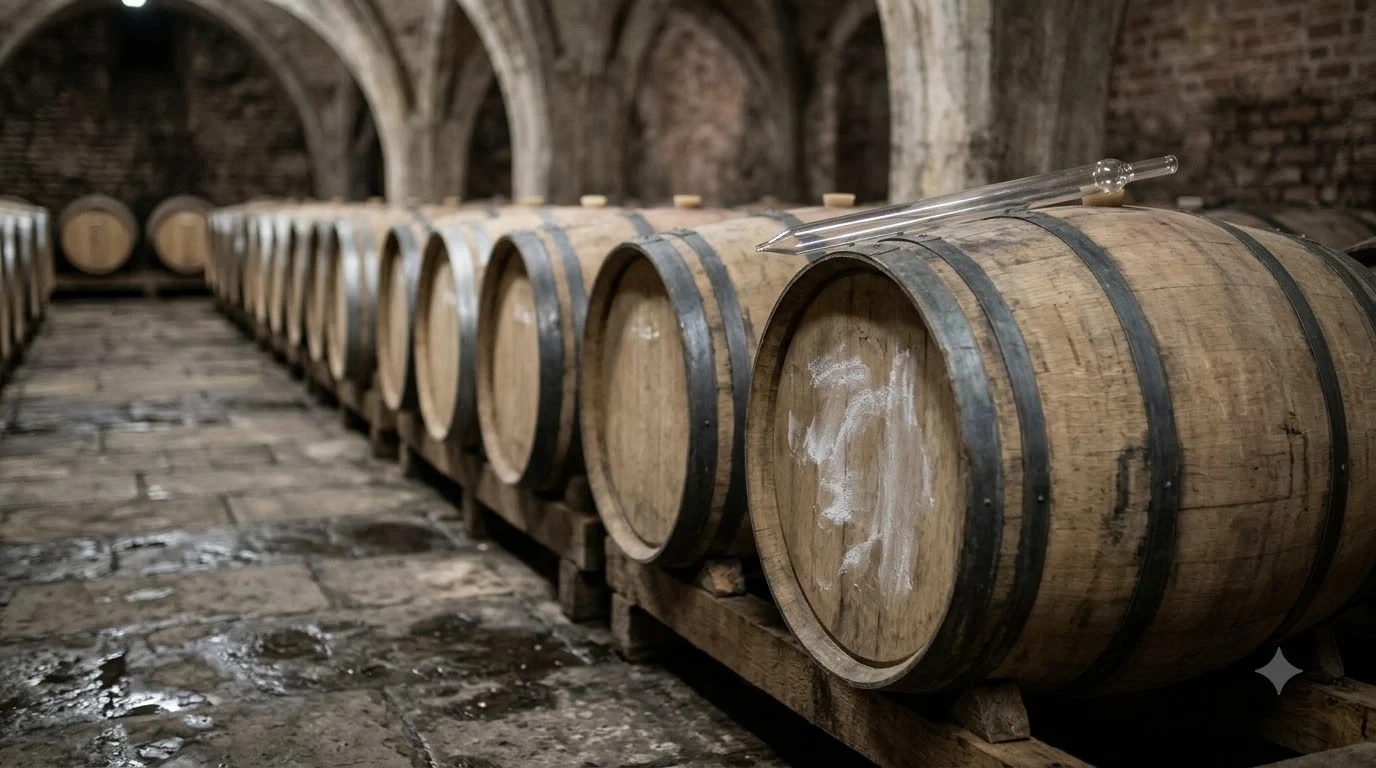
Malbec tannins are generally medium in intensity, creating a noticeable but often smooth, velvety drying sensation rather than the aggressive grip associated with highly tannic red wines. Their strength varies with growing region, grape ripeness, and winemaking techniques. Argentine Malbec commonly emphasizes ripe fruit and supple tannins, while French Malbec from Cahors typically delivers a firmer, more structured experience.
Malbec is popular partly because it combines dark fruit flavors, substantial body, and enough tannin to give the wine structure without necessarily making it difficult to enjoy. However, not every bottle has the same texture. Understanding where tannins come from, how they affect your palate, and what influences their intensity makes it easier to choose a Malbec that suits your preferences. Here is what to look for when comparing bottles from Argentina, France, and other growing regions.
What Malbec Tannins Taste Like in Your Glass
Malbec usually has medium tannins, although some examples feel firmer and more concentrated than others. The typical sensation is a gentle drying or gripping effect across the gums, tongue, and inside of the cheeks, balanced by ripe plum and blackberry flavors.
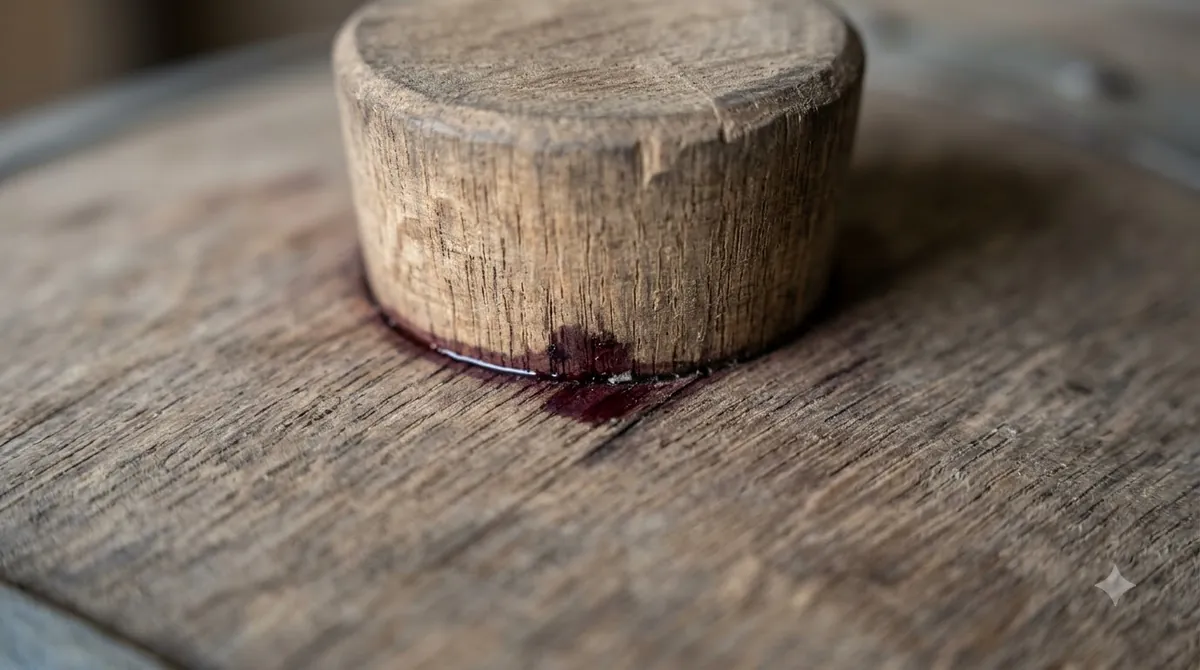
Tannins are naturally occurring compounds found in grape skins, seeds, and stems. During red wine production, grape juice remains in contact with these solid materials, allowing tannins and color compounds to enter the wine. The length of this contact and the winemaking decisions surrounding it influence the finished wine’s structure.
In Malbec, tannins provide definition to an otherwise generous fruit profile. Instead of tasting like fruit juice, the wine has a slightly textured finish that gives the palate something to hold onto. Depending on the bottle, that sensation can feel silky, rounded, firm, or somewhat chewy.
Malbec’s characteristic dark color is another clue to its grape composition. Wine Folly describes the variety as having thick skins that help produce deeply colored wines. These skins contain anthocyanins, the pigments responsible for much of the grape’s purple coloration, alongside tannin compounds that contribute to structure.
It is important to distinguish tannin from bitterness. Tannin creates a drying, sometimes rough sensation, while bitterness is a taste detected on the palate. A wine can have substantial tannin without tasting bitter. Similarly, a strongly flavored Malbec is not automatically highly tannic simply because its fruit seems concentrated.
The most useful comparison is with other familiar red wines. Cabernet Sauvignon generally has higher tannin, Merlot tends to be softer, and Pinot Noir usually has lower to medium tannin with more pronounced acidity. Malbec sits between these styles, making it a practical choice for drinkers who want structure without the intensity of a particularly firm Cabernet.
How Malbec Compares With Other Red Wine Tannins
Malbec typically occupies the medium-tannin category, although its regional styles can move toward medium-high intensity. Compared with Cabernet Sauvignon, it is often rounder and less grippy, while remaining more structured than many softer Merlot and Pinot Noir bottlings.
The following comparison describes typical grape characteristics rather than fixed rules. Ripeness, extraction, vineyard conditions, and aging can change how much tannin you perceive in an individual wine.
| Red wine grape | Typical tannin level | Common mouthfeel | Typical flavor profile |
|---|---|---|---|
| Cabernet Sauvignon | High | Firm, gripping, structured | Cassis, blackcurrant, cedar |
| Malbec | Medium | Rounded, velvety, sometimes firm | Plum, blackberry, cocoa |
| Merlot | Medium | Softer, smoother | Plum, cherry, chocolate |
| Pinot Noir | Low to medium | Silky, relatively delicate | Red cherry, raspberry, earth |
| Syrah | Medium-high to high | Dense, firm, sometimes peppery | Blackberry, pepper, dark spice |
For someone who enjoys the body of Cabernet Sauvignon but finds its tannins too demanding, Malbec can be an appealing alternative. Its dark fruit character provides a similarly substantial impression, but its tannins often feel less forceful. A medium-tannin Malbec can also be a useful transition for someone moving from lighter reds toward fuller-bodied wines.
Merlot is another useful comparison. Both wines can offer plum and dark fruit flavors, but Merlot generally feels softer and less structured. Malbec often has a more noticeable drying finish, particularly when made from concentrated grapes or aged in oak barrels.
Pinot Noir is considerably different. Its lower tannin level and higher acidity generally create a lighter, more delicate impression. If you prefer refreshing red wines with gentle texture, Pinot Noir may be more suitable. If you want darker fruit, fuller body, and a firmer finish, Malbec is a stronger candidate.
These comparisons also help explain why grape variety alone cannot determine a wine’s mouthfeel. A gently extracted Malbec may seem softer than an intensely extracted Merlot, even though the usual structural profiles suggest otherwise.
Why Argentine and French Malbec Have Different Tannins
Argentine Malbec is generally known for ripe fruit and smooth tannins, whereas Cahors Malbec in southwestern France often has a firmer, more savory structure. Climate, vineyard elevation, grape maturity, and winemaking choices explain much of this difference.
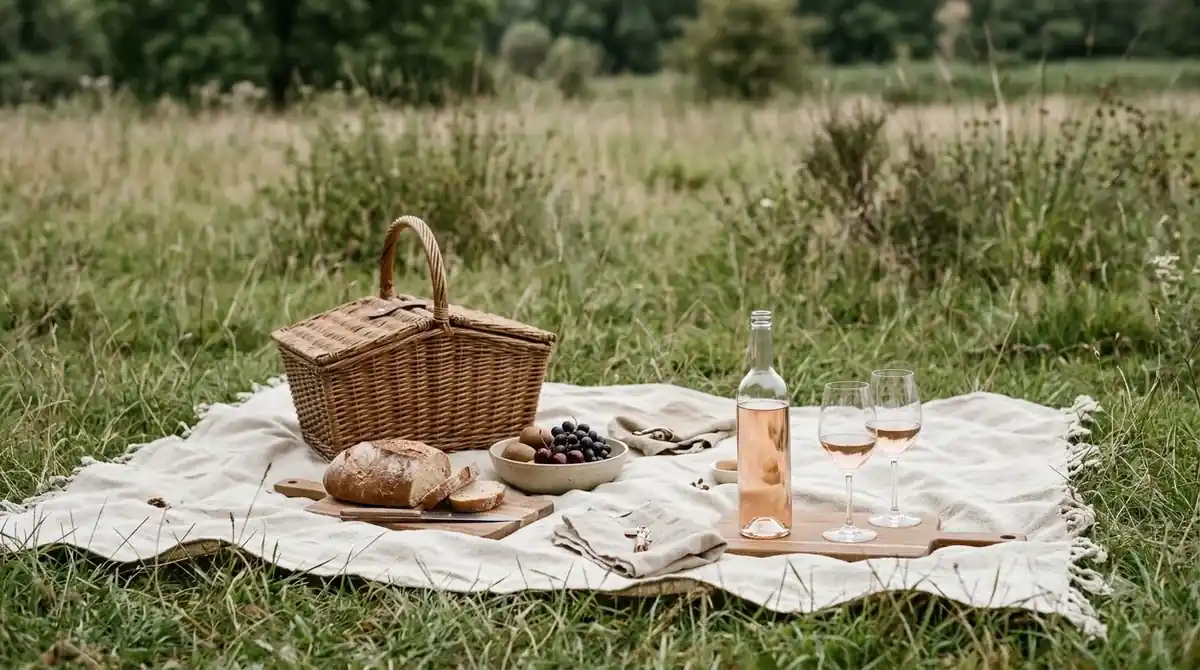
Mendoza and the softer Argentine style
Mendoza is the most recognized region for Argentine Malbec. Its sunny, relatively dry growing conditions help grapes reach full maturity, producing wines with dark fruit flavors and rounded textures. Many examples feature blackberry, black plum, violet, and cocoa.
WSET identifies Luján de Cuyo as an important Malbec-producing department within Central Mendoza. Many vineyards there sit approximately 900–1,100 meters above sea level. Wines from this area are often associated with older vines, a soft and rounded texture, and sweet spice characteristics.
The Uco Valley provides a different expression. Some of its vineyards reach approximately 1,500 meters, where sunny days and cool nights help preserve acidity and fresh fruit characteristics. These conditions can produce Malbec with greater freshness, floral aromas, and a more defined structural impression.
Higher elevation does not automatically mean higher tannin. Rather, the combination of cooler nights, sunlight, grape maturity, and site conditions influences the overall balance. Some Uco Valley Malbecs feel more precise and structured than warmer-site examples, even when their tannins remain relatively polished.
Cahors and the French expression
Cahors is Malbec’s historic French stronghold. The region’s wines are traditionally associated with deep color, dark berry fruit, earthy flavors, cedar, and more pronounced tannins. WSET describes these wines as notoriously tannic and capable of long development.
Compared with many Argentine examples, Cahors Malbec can feel more restrained in fruit and more noticeable in its structural elements. The finish may be firmer, with earthy and savory characteristics replacing some of the sweeter fruit impressions found in Mendoza wines.
This difference makes Cahors particularly interesting for drinkers who enjoy the structure of Cabernet Sauvignon but want to explore another grape. Its stronger tannic profile also makes it suitable for rich dishes and meals featuring substantial amounts of protein and fat.
Neither regional style is inherently better. Argentine Malbec is often an excellent introduction for someone seeking a generous, accessible red, while Cahors is appealing to drinkers who appreciate a more structured, traditional expression.
What Makes Malbec Tannins Stronger or Softer
Malbec tannins are influenced by vineyard conditions and winemaking decisions rather than by grape variety alone. Grape maturity, sunlight exposure, growing temperature, extraction, and barrel aging can all affect the texture and intensity of the finished wine.
Grape ripeness and growing conditions
Grape maturity has an important influence on tannin perception. Riper grapes commonly produce fruit-forward wines in which tannins feel more integrated with the fruit. Less mature fruit can produce a more angular impression, with firm tannins and herbal or green characteristics.
Sunlight also matters. Wine Folly explains that Malbec’s thick skins develop in response to sunny growing conditions and contribute to its color and flavor concentration. Skin characteristics are important because red wine tannins are extracted partly through contact with grape skins during fermentation.
Temperature and elevation further shape the wine. Higher vineyards in Mendoza can experience warm days and considerably cooler nights. These conditions help maintain acidity, creating wines in which freshness and tannin structure can be more clearly defined.
Extraction during fermentation
Extraction refers to the process of drawing color, tannins, and other compounds from grape solids into fermenting wine. Longer skin contact or more intensive extraction can produce a more structured wine, although the result depends on the fruit and the specific techniques used.
Winemakers can adjust extraction through fermentation temperature, the frequency and intensity of cap management, and the length of maceration. Punch-downs and pump-overs, for example, move fermenting liquid through the grape skins and help control the extraction process.
Gentler extraction can preserve Malbec’s fruit character while creating a softer impression. More intensive extraction can result in a wine with greater concentration and a stronger tannic grip. Neither approach is automatically superior; the decision depends on the desired style.
Oak aging and bottle development
Oak aging introduces another layer of complexity. Barrels contribute aromas associated with vanilla, cocoa, coffee, toast, and sweet spice. These flavors can make a Malbec seem richer and more rounded, although oak does not simply remove or neutralize grape tannins.
Oak also contributes its own tannin compounds. The overall result depends on the type of barrel, its age, the length of maturation, and the wine’s original structure. A Malbec aged in new oak may feel more layered and substantial than an unoaked version, but the difference is not always a matter of stronger tannin.
With bottle aging, tannin compounds can undergo chemical changes and gradually form larger structures. Some of these compounds eventually precipitate as sediment. This process can make a mature wine seem less aggressively grippy, although its development depends on the original wine and storage conditions.
Tip: If you find Malbec too drying, start with a younger Argentine bottle described as fruit-forward or unoaked. These wines often emphasize ripe plum and blackberry rather than pronounced oak and firm structure.
How to Recognize Malbec Tannins When Tasting
The easiest way to recognize Malbec tannins is to pay attention to the sensation after swallowing rather than focusing only on its fruit aromas. A drying feeling along the gums and cheeks is a useful indicator, especially when it remains noticeable after the fruit flavors fade.
Begin with a small sip and let the wine move across your tongue. Notice whether the texture feels soft and slippery or whether it creates resistance. Medium-tannin Malbec commonly starts with generous fruit and develops a gentle grip toward the middle and finish.
There are several useful characteristics to assess:
- Initial texture: A rounded Malbec often feels smooth when it first reaches the tongue.
- Mid-palate structure: Tannins become more apparent as the wine spreads across the mouth.
- Cheek sensation: A drying feeling inside the cheeks indicates tannin presence.
- Finish: Firmer examples may leave a more persistent gripping sensation after swallowing.
- Fruit balance: Ripe plum and blackberry can make the wine seem softer, even when tannins are clearly present.
Temperature can influence how the wine feels. A full-bodied red served too warm may seem heavier and more alcoholic, while excessive chilling can make its structure seem more pronounced. A practical serving range for full-bodied red wine is approximately 60–65°F.
Decanting can also improve the experience of some Malbecs. Young, concentrated examples may benefit from approximately 30–60 minutes of aeration. Exposure to air can soften the wine’s initial impression and allow its fruit and aromatic characteristics to become more expressive.
However, decanting does not permanently eliminate tannins. It changes the wine’s presentation and can help certain wines seem more approachable. Older bottles require more care because extended exposure to oxygen may diminish delicate aromas.
Another useful exercise is to compare two Malbecs side by side. Choose one from Mendoza and another from Cahors, then assess their fruit intensity, acidity, and drying sensation. This simple comparison demonstrates how the same grape can produce substantially different expressions.
Best Foods to Pair With Malbec Tannins
Malbec works particularly well with foods containing protein, fat, salt, and rich savory flavors. These elements can soften the perception of tannin and create a more balanced pairing, especially with grilled beef, lamb, burgers, and mature cheeses.
Beef and grilled meats
Grilled steak is one of the most reliable Malbec pairings. A ribeye, sirloin, or grilled flank steak provides enough richness and savory flavor to balance the wine’s dark fruit and tannin structure. Charred surfaces also complement the wine’s occasional cocoa, smoke, and spice characteristics.
Argentine asado is a particularly natural match. Grilled beef, sausages, and other meats provide a variety of textures and flavors that work with Malbec’s full body. Salt and fat soften the perception of tannin, making the wine feel rounder alongside a rich cut of meat.
Lamb, burgers, and hearty dishes
Lamb chops and slow-roasted lamb shoulder are also excellent choices. Their savory richness works well with the wine’s plum and blackberry flavors. Seasonings such as rosemary, black pepper, and garlic complement Malbec without overwhelming its fruit.
Beef burgers offer another accessible pairing. A burger with melted cheddar or blue cheese can balance the wine’s tannins through its fat and salt content. Blue cheese is especially useful because its intense flavor can stand up to a full-bodied Malbec.
For a meat-free meal, try roasted mushrooms, eggplant, or lentil dishes with herbs and a savory sauce. Their earthy flavors can complement the wine’s darker characteristics. Adding olive oil or a richer sauce can also help the pairing feel more balanced.
Foods that require more care
Delicate white fish and oily fish are less reliable choices. Tannic red wines can create an unpleasant metallic or harsh impression alongside certain fish preparations, particularly when the wine overwhelms the food.
Spicy dishes also require attention. Chili heat can become more noticeable alongside alcohol and tannin, so heavily spiced curries or very hot sauces may make Malbec feel harsher. If you prefer spicy food, choose a milder preparation and avoid particularly high-alcohol, strongly structured examples.
Acidity matters as well. Foods with pronounced acidity need a wine with equal or higher acidity to avoid making the wine seem flat. Malbec generally has medium to medium-low acidity, so highly acidic tomato sauces and sharp vinaigrettes may not be ideal partners.
The goal is not to find a food that completely hides the tannins. Instead, choose ingredients that balance the wine’s structure while allowing its fruit, spice, and savory characteristics to remain recognizable.
Choosing and Serving Malbec With the Right Texture
Choosing a Malbec with the right tannin level starts with its region and production style. Mendoza is a useful starting point for smooth, fruit-driven wines, while Cahors is a better place to explore firmer structure and savory complexity.
For a softer experience, look for descriptions such as ripe fruit, silky texture, approachable, or fruit-forward. These terms commonly indicate that the producer intends to emphasize the wine’s generous fruit and rounded mouthfeel.
If you enjoy stronger tannins, look for references to structured, concentrated, age-worthy, or traditional Cahors. Wines from higher-altitude Argentine sites can also offer a more defined structural impression, although freshness and tannin intensity are not interchangeable characteristics.
Production details can provide additional clues. An unoaked Malbec may emphasize fresh fruit and a straightforward texture, while a barrel-aged example may show vanilla, cocoa, coffee, and more pronounced layers of flavor. Oak aging does not guarantee a firmer wine, so consider the overall description rather than relying on barrel maturation alone.
Serving technique makes a difference, too. Follow these practical guidelines:
- Temperature: Serve full-bodied Malbec around 60–65°F rather than at a very warm room temperature.
- Glassware: Use a large-bowled red wine glass to give the wine room to release its aromas.
- Decanting: Try 30–60 minutes for a young, concentrated bottle if its tannins initially seem firm.
- Pour size: A standard wine pour is approximately 5 ounces.
- Storage: Keep unopened bottles on their side in a cool, dark place near 55°F.
- After opening: Refrigerate remaining still wine and aim to enjoy it within approximately 3–5 days.
Alcohol content is another factor to consider. Wine Folly gives a typical Malbec range of approximately 13.5–15% ABV. Alcohol contributes warmth and body, which can make a wine seem heavier even when its tannin level is moderate. For a broader explanation, see our article about Malbec alcohol content.
For readers comparing nutritional information, our guides to calories in Malbec and Malbec carbs cover two additional characteristics that are separate from tannin intensity. You can also explore other grape varieties and wine styles in our Wine by Type section.
For further background on regional styles, the WSET spotlight on Malbec explains how French origins, Argentine growing conditions, and vineyard elevation influence the grape. Wine Folly’s Malbec grape guide also provides a useful overview of its flavors, typical structure, and serving recommendations.
Frequently Asked Questions
Do Malbec tannins come from the grape skins or seeds?
Both grape skins and seeds contain tannin compounds, and stems can contribute additional tannins when included during fermentation. Seed tannins may become particularly noticeable if extraction is aggressive. Winemakers control these contributions through decisions about crushing, maceration, and fermentation management.
Can Malbec develop sediment as it ages?
Yes. Mature red wines can develop sediment as color pigments and tannin compounds combine and eventually settle. This is a natural part of wine development and does not automatically indicate spoilage. Standing an older bottle upright before opening can help the sediment collect at the bottom.
Does Malbec have more tannin than Tempranillo?
The comparison depends on the wine’s origin and production method. Some Tempranillo wines, particularly traditional examples with substantial oak maturation, have considerable structure. Others are softer and more fruit-driven. Malbec is generally medium-tannined, so the two grapes can overlap considerably in perceived intensity.
Can Malbec be made without oak aging?
Yes. Malbec can be fermented and matured in stainless steel tanks or other neutral vessels without spending time in oak barrels. This approach preserves a more direct expression of grape fruit and vineyard characteristics. Such wines can be particularly useful for understanding the variety’s natural plum, blackberry, and floral profile.
What is the difference between tannin and anthocyanin in Malbec?
Anthocyanins are pigments responsible for red and purple wine color, while tannins are compounds that contribute bitterness, astringency, and structure. Both occur in grape skins, but they perform different functions in the wine. Their extraction and evolution are important considerations in red winemaking.
Malbec tannins are generally medium in intensity, offering enough structure to support the grape’s rich fruit without necessarily producing an aggressive finish. For a smooth, approachable style, start with Argentine Malbec from Mendoza; for firmer tannins and savory complexity, explore Cahors. Comparing these regional expressions alongside well-matched food is one of the best ways to understand the variety’s range.
More in Wine Types & Grapes
 Zinfandel Sugar Content: Dry Red vs. White Zinfandel GramsUpdated Nov 21, 2026
 Best Zinfandel Substitute Options for Sipping and CookingUpdated Nov 21, 2026
 Zweigelt Food Pairing: Best Dishes, Cheeses, and Serving TipsUpdated Nov 21, 2026
 Zinfandel Tannins Explained: How Structure Shapes Every BottleUpdated Nov 21, 2026
 Zinfandel Sweetness Level: Dry Red vs. Sweet White Zin ExplainedUpdated Nov 21, 2026
 Xinomavro Food Pairing: Best Dishes, Styles, and Serving TipsUpdated Nov 21, 2026