

We may earn a commission when you buy through links on this page, at no extra cost to you. Learn more.
Madeira sangria is a refreshing, Portuguese-inspired wine cocktail that combines fortified Madeira wine, fresh citrus, fruit, and a chilled mixer for a flavorful pitcher drink. It brings together Madeira’s distinctive nutty, caramel, and dried-fruit character with the bright flavors of oranges, lemons, and apples. A small amount of Madeira blended with dry red wine creates a balanced sangria that is flavorful without becoming overly sweet or alcoholic.
Traditional sangria is commonly associated with Spain, but Portugal has its own vibrant wine and drink traditions. Madeira, the Atlantic island belonging to Portugal, is particularly famous for its fortified wine, fresh citrus, tropical fruit, and distinctive local beverages. Combining these ingredients offers an interesting alternative to conventional red or white sangria. The recipe below explains how to select the wine, prepare the fruit, balance the sweetness, and serve a pitcher that works for summer gatherings, dinner parties, and casual entertaining.
What Makes Madeira Sangria Different?
Madeira sangria stands out because it combines the distinctive character of Madeira fortified wine with the fresh, fruit-forward style of traditional sangria. The result is a drink with more depth, a noticeable citrus character, and a richer finish than many standard wine-based pitchers.
Madeira wine comes from the Portuguese island of Madeira in the Atlantic Ocean. It undergoes fortification and a distinctive maturation process involving heat and controlled oxidation. These techniques help develop flavors that can include roasted nuts, caramel, coffee, citrus peel, dried fruit, and spice. The wine also retains substantial acidity, which helps balance its richness.
Traditional Madeira wine is considerably stronger than ordinary table wine. According to the Madeira Wine Heritage Community Charter, its alcohol content generally falls between 17% and 22% ABV. This makes it important to use fortified wine thoughtfully when preparing a cocktail. Rather than replacing an entire bottle of ordinary wine with Madeira, a balanced recipe can combine a smaller quantity of Madeira with a lighter dry red wine.
The idea also connects with the island’s existing drink culture. Madeira has traditional beverages such as poncha, which combines sugarcane spirit, honey, and lemon. Its local soft drinks include Laranjada, an orange-flavored sparkling drink that has been part of the island’s beverage culture since 1872. These citrus-forward flavors provide natural inspiration for a refreshing sangria.
Madeira sangria is best understood as a Portuguese-inspired variation rather than a single standardized traditional recipe. You can adjust the fruit, wine style, and mixer according to the occasion. The most important elements are a recognizable Madeira character, fresh fruit, refreshing acidity, and controlled sweetness.
Choosing the Best Madeira Wine for Sangria
The best Madeira for sangria is usually a medium-dry or medium-sweet style when you want a rounded fruit flavor. Dry Sercial is another option for drinkers who prefer a sharper, less sweet cocktail, while sweet Malvasia requires less added sugar.
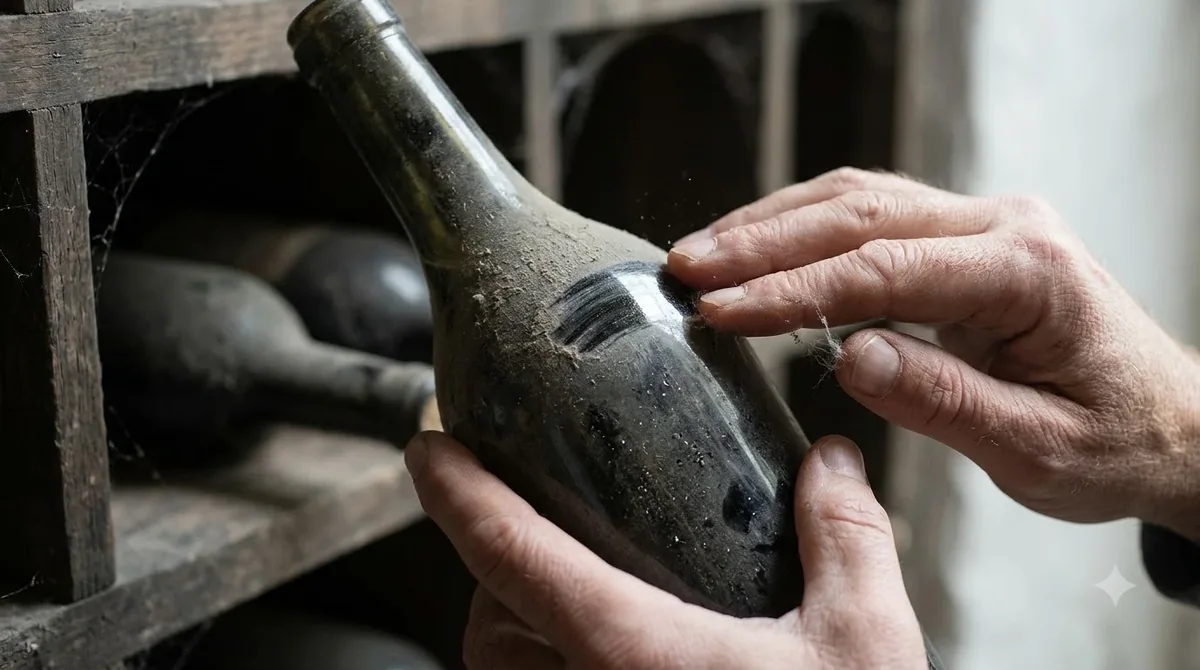
Madeira has four familiar traditional styles that provide a useful starting point for choosing a bottle. Their differences come from grape varieties, fermentation, and the amount of natural sugar remaining after fortification. Understanding these styles makes it easier to decide how much sweetness and intensity your sangria needs.
The four traditional Madeira styles
- Sercial: The driest traditional style. It often shows lemon peel, roasted nuts, herbs, and a firm, refreshing finish. Use it when you want a crisp sangria with prominent citrus.
- Verdelho: A medium-dry style with citrus, dried fruit, smoke, and spice. It provides a useful middle ground between dry and sweet wine.
- Boal or Bual: A medium-sweet style with caramel, orange peel, dried fruit, and nutty flavors. It works particularly well with apples and oranges.
- Malvasia or Malmsey: The sweetest of the four traditional styles. Honey, raisins, toffee, coffee, and candied citrus are common flavor associations. Use a smaller amount or omit additional sugar.
Tinta Negra is another important Madeira grape. Unlike the traditional grape names that are associated with particular sweetness levels, Tinta Negra can produce wines across the sweetness spectrum. For this reason, its stated sweetness style is particularly useful when selecting a bottle.
For a first batch, medium-dry Verdelho is a practical choice because its refreshing acidity and subtle sweetness work with oranges, lemons, and apples. Boal is a good alternative if you want a richer drink with more caramel and dried-fruit character.
For more information about Portuguese fortified wines and other styles, explore our Wine by Type resource. It provides a useful starting point for understanding how different wine categories behave in cocktails and at the table.
Madeira wine selection at a glance
| Madeira style | Sweetness | Typical flavors | Best sangria application |
|---|---|---|---|
| Sercial | Dry | Lemon, nuts, herbs | Crisp citrus sangria |
| Verdelho | Medium dry | Citrus, spice, dried fruit | Balanced fruit sangria |
| Boal | Medium sweet | Caramel, orange, nuts | Rich orange and apple sangria |
| Malvasia | Sweet | Honey, raisins, toffee | Sweet dessert-style variation |
Remember that Madeira is already a concentrated, fortified wine. A little can contribute considerable flavor, so a modest quantity often works better than using it as the only alcoholic ingredient. For a lighter pitcher, combine it with a dry red wine rather than adding more spirits.
Ingredients for a Balanced Madeira Sangria
A balanced Madeira sangria needs a wine base, a measured amount of fortified Madeira, fresh fruit, citrus, and a refreshing mixer. The following recipe makes approximately eight modest servings and provides enough flexibility to adjust sweetness after chilling.
Ingredients
| Ingredient | Quantity | Purpose |
|---|---|---|
| Dry red wine | 750 ml | Main wine base |
| Medium-dry Madeira | 240 ml | Fortified wine character |
| Fresh oranges | 2 medium | Citrus aroma and fruit |
| Fresh lemon | 1 medium | Bright acidity |
| Apple | 1 medium | Crunch and fresh fruit flavor |
| Lemonade | 2 cups | Sweetness and refreshment |
| Sparkling water | 1 cup | Lightness and dilution |
| Granulated sugar | 1–2 tablespoons | Optional sweetness adjustment |
| Fresh mint | 6–8 leaves | Fresh aromatic garnish |
| Ice | As needed | Chilling and serving |
Choose a dry red wine with moderate tannin and fresh fruit character. Merlot is a useful option because its softer tannins and approachable texture allow the Madeira and citrus flavors to remain noticeable. A lighter red blend can also work. Avoid heavily oaked wines or very tannic Cabernet Sauvignon if you want the fruit to remain the main feature.
Fresh oranges and lemons are especially important. Oranges contribute sweetness and aromatic oils, while lemons provide the acidity that keeps the drink refreshing. Apples add texture and absorb some of the surrounding wine and fruit flavors as the pitcher chills.
For the mixer, ordinary lemonade offers an easy balance of sweetness and acidity. Sparkling water provides a lighter finish and prevents the drink from becoming too syrupy. You can also use a citrus-flavored sparkling beverage if you want a more pronounced orange character.
Tip: Start without the optional sugar. Madeira and lemonade already contribute sweetness, particularly if you choose Boal or Malvasia. Chill the mixture first, taste it, and add sugar only if the finished drink needs more sweetness.
How to Make Madeira Sangria Step by Step
Making Madeira sangria involves preparing the fruit, combining the wines, allowing the flavors to develop, and adding the sparkling ingredients shortly before serving. Allow approximately 15 minutes for preparation and another 2–4 hours for chilling.
Step 1: Prepare the fruit
Wash the oranges, lemon, and apple thoroughly. Cut one orange into thin rounds or half-moons, and slice the second orange into smaller pieces. Cut the lemon into thin rounds and the apple into bite-sized cubes.
Remove visible seeds from the citrus slices to prevent unwanted bitterness. You can leave the apple peel on because it adds color and helps the pieces retain their shape during chilling.
If you want a more aromatic pitcher, gently squeeze a few orange pieces before adding them. Avoid crushing all the fruit, since too much pulp can make the finished sangria cloudy and difficult to pour.
Step 2: Combine the wines
Pour the 750 ml bottle of dry red wine into a large glass pitcher. Add the 240 ml of medium-dry Madeira and stir gently until the wines are combined.
This combination provides the main alcoholic foundation. The red wine contributes fresh fruit and a familiar sangria profile, while Madeira supplies deeper notes of nuts, citrus peel, caramel, and spice.
Do not add additional spirits at this stage. Madeira is already fortified, and adding brandy or rum can make the pitcher considerably stronger than intended. The objective is to preserve the wine’s character rather than turn the sangria into a spirit-heavy punch.
Step 3: Add the fresh fruit
Add the prepared oranges, lemon, and apple to the pitcher. Stir gently so the fruit is distributed throughout the wine mixture.
Cover the pitcher and place it in the refrigerator. Allow the fruit to infuse for at least 2 hours, with 3–4 hours providing more time for the citrus and apple aromas to develop.
During this period, the fruit absorbs some of the wine mixture, while its natural aromas become more noticeable in the liquid. Avoid leaving sliced citrus in the pitcher for excessively long periods, as the pith can eventually contribute bitterness.
Step 4: Add lemonade and adjust sweetness
Once the fruit has infused, add the 2 cups of lemonade. Stir gently and taste the mixture. If you prefer a sweeter cocktail, dissolve 1 tablespoon of sugar in a small amount of warm water before adding it to the pitcher.
Add more sugar only if necessary. A sweet Madeira style such as Malvasia may need no additional sweetener at all. If you use dry Sercial, a little extra lemonade or a small amount of sugar can soften the sharper citrus impression.
Step 5: Finish with sparkling water
Pour in the cup of sparkling water immediately before serving. Stir gently to preserve as much carbonation as possible.
Adding sparkling water too early can leave the drink flat by the time guests arrive. Keeping it separate until the final stage also allows you to adjust the texture of individual servings.
Step 6: Serve over ice
Fill wine glasses or large sangria glasses with ice. Pour the drink over the ice, distributing some of the fruit into each glass. Finish with a mint leaf or an additional orange slice.
A pitcher is ideal for entertaining because guests can serve themselves while the fruit remains visible. Keep the remaining mixture refrigerated between servings rather than leaving it on a warm table.
Flavor Variations and Ingredient Substitutions
Madeira sangria is flexible enough to accommodate different fruits, wine styles, and mixers. The best variations preserve the balance between fruit sweetness, citrus acidity, and Madeira’s distinctive fortified character.
Traditional citrus variation
For a citrus-forward version, use additional orange and lemon while reducing the apple. You can also replace part of the lemonade with orange-flavored sparkling water. This combination reflects the citrus character found in several traditional Madeiran drinks.
Visit Madeira describes Laranjada as an orange-flavored, effervescent soft drink that is used in local festivities alongside wine and beer. Using an orange-flavored sparkling mixer is therefore a natural regional inspiration, although it is an adaptation rather than a fixed sangria formula.
Read the official Madeira traditional drinks overview to learn more about the island’s beverage traditions.
Summer berry variation
Strawberries, raspberries, and blueberries can give the pitcher a more contemporary summer character. Add approximately 1 cup of mixed berries alongside the orange and apple.
Strawberries contribute gentle sweetness, while raspberries introduce a sharper fruit flavor. Blueberries provide color without making the mixture excessively tart. This combination works particularly well with a medium-dry Verdelho or a relatively restrained amount of Boal.
Use fresh berries when possible and add delicate raspberries shortly before serving to help them retain their shape.
Tropical fruit variation
For a tropical interpretation, include fresh pineapple or passion fruit. Both flavors connect naturally with Madeira’s island beverage culture and pair well with citrus.
Use approximately 1 cup of diced pineapple or the pulp of 1–2 passion fruits. Reduce the lemonade slightly if the fruit is particularly sweet. A small amount of sparkling water helps prevent the finished mixture from feeling too concentrated.
White Madeira sangria
You can also make a lighter-colored variation using a dry white wine as the main base. Sauvignon Blanc works particularly well because its high acidity complements orange, lemon, green apple, and passion fruit.
Use the same 240 ml quantity of medium-dry Madeira, but replace the dry red wine with 750 ml of dry white wine. Add green apple, orange, lemon, and a few slices of fresh pear. This variation produces a brighter and more delicate fruit profile.
For another approach to white-wine cocktails, our white zinfandel sangria article explores a fruit-forward alternative with a softer flavor profile.
Sweet dessert-style variation
If you prefer a richer cocktail, use a smaller quantity of sweet Malvasia instead of medium-dry Madeira. Pair it with a dry red wine, orange slices, apple, and a modest amount of lemonade.
Because Malvasia already has considerable sweetness, avoid adding the optional sugar. You can also use additional sparkling water to lighten the finished mixture. This approach is better suited to smaller servings after dinner than to a long afternoon of casual drinking.
If you enjoy sweeter red-based cocktails, you may also like our guide to sweet red wine sangria.
Serving Temperature, Food Pairings, and Storage
Madeira sangria should be served thoroughly chilled, preferably over ice in glasses that leave enough room for fruit and garnish. Its citrus, fruit, and fortified wine flavors are best appreciated when the mixture is cold but not excessively diluted.
Refrigerate the prepared wine and fruit mixture for 2–4 hours before serving. Add sparkling water immediately before pouring. This preparation method allows the fruit to infuse while preserving the freshness of the final drink.
Choosing the right serving temperature
A practical serving temperature is approximately 40–45 F for a refreshing pitcher. This keeps the fruit and citrus lively and makes the drink particularly suitable for warm-weather entertaining.
Use chilled glasses if you want the drink to remain cold for longer. Large ice cubes generally melt more slowly than small crushed pieces, so they can help limit dilution during a leisurely gathering.
For a broader explanation of chilling wine-based drinks, see our article on should sangria be chilled.
Food pairings that work well
The combination of citrus, fruit, and fortified wine makes Madeira sangria versatile at the table. However, the sweetness and alcohol content should influence which foods you serve alongside it.
- Grilled chicken: Citrus-marinated chicken and grilled poultry work well with the orange and lemon flavors in the pitcher.
- Seafood appetizers: Shrimp, grilled prawns, and mild white fish are good choices, particularly when prepared with lemon and herbs.
- Cheese boards: Mild cheeses, aged Manchego, and nutty cheeses complement the dried-fruit and roasted-nut notes of Madeira.
- Olives and almonds: Salty snacks provide a useful contrast to the fruit and sweetness in the drink.
- Fruit desserts: Apple tart, citrus cake, and berry desserts can complement a sweeter version made with Boal or Malvasia.
Keep the dessert pairing rule in mind: the wine should be at least as sweet as the dessert. A very sweet cake can make a medium-dry sangria seem sour or thin. Choose a richer Madeira variation when serving particularly sweet desserts.
Spicy foods require more care. Alcohol can intensify the sensation of chili heat, so very hot dishes may overwhelm the drink. Mildly seasoned grilled food, fresh salads, and savory appetizers are generally easier pairings.
How to store leftover sangria
Transfer leftover Madeira sangria to a covered container or airtight pitcher and refrigerate it promptly. For the best fruit character and freshness, aim to consume it within 1–2 days.
If the sangria contains sparkling water, some carbonation will disappear during storage. You can preserve a fresher texture by storing the wine, Madeira, and fruit separately from the sparkling mixer, then combining them again when serving.
Remove citrus slices if the mixture is going to remain refrigerated overnight. This helps reduce the possibility of bitterness from the white pith. The fruit will also become softer as it continues to absorb liquid.
Although Madeira itself is unusually stable because of its production process, sangria is a mixed drink containing fresh fruit and other ingredients. Its storage life should therefore be judged by the more perishable components rather than by the longevity of fortified Madeira on its own.
Frequently Asked Questions
Is Madeira wine the same as Marsala?
No. Madeira is a fortified wine from the Portuguese island of Madeira, while Marsala is a fortified wine from Sicily, Italy. Both can have oxidative characteristics, but their production traditions, regional identities, and flavor profiles are different. They should not be treated as interchangeable names for the same wine.
Can Madeira sangria be made without added sugar?
Yes. You can omit added sugar entirely and rely on the natural sweetness of the fruit, lemonade, and Madeira. A medium-sweet Boal or sweet Malvasia can provide enough sweetness for a fruit-forward version without additional sweetener. The final result will depend on the sweetness of the mixer and the wine proportions.
Does Madeira wine need to be opened before preparing sangria?
Yes. Madeira must be opened and measured like any other bottled wine used in a cocktail. Traditional Madeira bottles may use a cork closure, and older examples can benefit from careful handling when opened. There is no requirement to decant Madeira before mixing it into sangria.
Can frozen fruit replace fresh fruit in Madeira sangria?
Yes. Frozen strawberries, blueberries, and raspberries can be useful substitutes, especially when fresh berries are out of season. They also help cool the drink as they thaw. However, frozen citrus slices and apples can soften quickly, so fresh citrus is generally preferable for an attractive pitcher presentation.
What glassware is traditionally used for Madeira wine?
Madeira is commonly served in small wine or tasting glasses that allow its concentrated aromas to be appreciated. Sangria is different because it contains ice and fruit, so larger wine glasses, stemless glasses, or traditional sangria glasses are more practical. A pitcher is useful when serving several people at once.
Madeira sangria offers a distinctive way to combine Portugal’s famous fortified wine with fresh citrus, seasonal fruit, and refreshing mixers. Start with medium-dry Verdelho and a dry red wine for a balanced first batch, then experiment with berries, tropical fruit, or sweeter Madeira styles. With a few hours of chilling and careful attention to sweetness, this Portuguese-inspired pitcher makes an appealing addition to warm-weather gatherings and relaxed meals.
More in Wine Types & Grapes
 What Does Mourvèdre Taste Like? Flavor Profile, Regions, and PairingsUpdated Nov 20, 2026
 What Does Marsanne Taste Like? Flavors, Styles, and Food PairingsUpdated Nov 20, 2026
 What Does Malvasia Taste Like? Styles, Flavors, and Food PairingsUpdated Nov 20, 2026
 What Does Grenache Blanc Taste Like? Flavor Profile, Styles, and PairingsUpdated Nov 20, 2026
 What Does Garnacha Taste Like? Key Flavors, Styles, and Pairing TipsUpdated Nov 20, 2026
 What Does Fruit Wine Taste Like? A Complete Flavor and Style BreakdownUpdated Nov 20, 2026