

We may earn a commission when you buy through links on this page, at no extra cost to you. Learn more.
For a typical, full-strength Japanese umeshu, the answer to how long does plum wine last after opening is about two months when it is refrigerated and tightly sealed. Some makers recommend a much shorter 7–10 days, especially for lower-alcohol or more delicate fruit liqueurs, so the bottle’s own guidance takes priority. The two-month mark is a practical upper target for a spirits-based style, not a promise that every bottle will taste fresh that long. If your plum wine is 10% alcohol by volume or less, treat it as a drink to finish promptly rather than saving it for weeks.
“Plum wine” can refer to more than one kind of drink. Japanese umeshu is commonly made by steeping ume fruit in an alcoholic base with sugar, while some bottles use a wine or sake base and have a different strength and storage profile. Knowing which style is in your refrigerator makes the timeline easier to judge. The term on the front label may not tell you whether the alcohol came from fermentation or was already present in the liquid used to infuse the fruit.
How Long Plum Wine Lasts After Opening
For a traditional, higher-alcohol umeshu, use about two months as a sensible quality target after opening, provided the bottle is capped tightly and refrigerated. The CHOYA Umeshu USA storage FAQ recommends finishing its umeshu within a couple of months, while warning that products at 10% ABV or lower should be consumed as soon as possible.
That recommendation is not universal. UMESHUYA London advises refrigerating its opened fruit liqueurs and consuming them within 7–10 days. A product listing published by Gifu Prefecture gives a still shorter instruction—consume promptly after opening—for UMEKO, a cloudy umeshu made with sake, plums, and fructose that contains 6% ABV. Those examples show why a single number cannot cover every bottle sold as plum wine.
Use the shortest relevant instruction when the label or producer supplies one. If the bottle is a full-strength, spirits-based umeshu with no shorter direction, aim to enjoy it within one to two months for the best fruit character. If it is a low-alcohol, sake-based, wine-based, cloudy, or otherwise delicate version, finish it much sooner—within days when the producer says so. These are quality windows, not guarantees; temperature swings, repeated opening, and a large amount of air in the bottle can shorten the time the flavor remains lively.
Why Plum Wine Labels Can Mean Different Drinks
The biggest reason storage advice varies is that “plum wine” is a broad retail name, not a precise recipe. Japanese umeshu is generally a liqueur made by steeping ume fruit in an alcoholic base rather than fermenting plum juice into a conventional grape-style wine, as explained in Wine Enthusiast’s overview of Japanese plum wine.
That base matters. Shochu is common, but brandy and sake can also be used to steep ume; some commercial products use a wine base instead. CHOYA’s U.S. FAQ, for example, distinguishes a wine-based green-bottle product from its spirits-based gold-bottle umeshu. The company’s wider product range spans 5.5% to 18% ABV, a broad enough range that “plum wine” alone does not tell you how quickly to use an opened bottle. Read the ingredient and alcohol information before applying advice written for a different style.
There is also a difference between fruit liqueur and fruit wine. A fermented plum wine gets its alcohol from fermentation, while classic umeshu extracts fruit flavor into an already alcoholic liquid. Sugar level, alcohol strength, the base beverage, filtration, and whether the drink contains fruit solids can all affect how it behaves after opening. A sweet, high-proof liqueur may hold its character longer than a low-alcohol fruit drink, but sweetness by itself does not make a bottle immune to oxygen or poor storage. The same caution applies when using advice written for grape wine: a three-to-five-day rule for an ordinary still wine is not automatically the right rule for a spirit-based fruit liqueur, and a liqueur’s longer window should not be assigned to a light, fermented plum wine.
How to Store an Opened Plum Wine Bottle
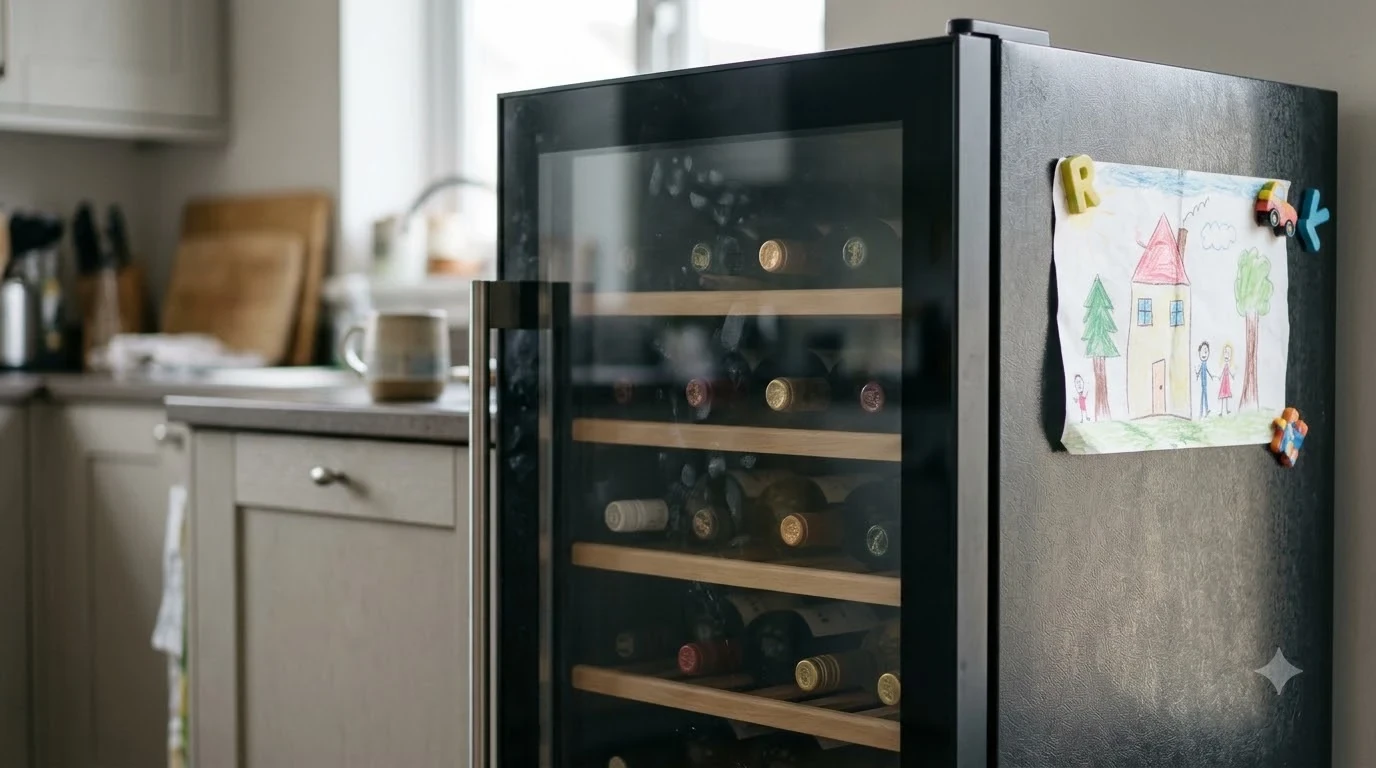
Refrigerate an opened bottle, close it firmly after every pour, and keep it upright. These three habits limit heat exposure and reduce the amount of air repeatedly contacting the remaining drink; they are more useful than leaving a bottle on the counter and hoping its sugar or alcohol will preserve the flavor.
Put the cap or screw top back on as soon as you finish pouring. If the original closure no longer seals, use a clean, tight-fitting stopper that suits the bottle opening. Oxygen exposure drives oxidation, and cooler storage slows the process even though refrigeration cannot stop it completely. A vacuum stopper may help reduce air in some wine bottles, but a sound, airtight closure and a cold refrigerator are the essential steps for plum wine.
For a bottle with only a small amount left, transferring the remainder to a clean, smaller container can reduce the air space above the liquid. A 375-milliliter half bottle is a practical option for a modest leftover portion; choose a container that seals securely and leave as little headspace as is practical. Do not use a container that previously held strongly scented food or another beverage, because residual odors can affect the aroma. Label the container with the opening date so that you can track whether it is still within the producer’s suggested window. Keep the smaller vessel upright, too, and avoid repeatedly pouring the same portion between glasses and storage containers. Each transfer introduces another opportunity for oxygen contact and spills, while the goal is simply to create a dependable seal and keep the drink cold between servings.
Tip: Write the date you opened the bottle on a small piece of removable tape. Refrigerate it immediately, then use the date to plan around the shortest applicable window—7–10 days for a product with that instruction, or about two months only when the producer’s guidance supports that longer period.
What Makes Plum Wine Lose Its Freshness
Most opened plum wine declines in flavor before there is an obvious problem with the bottle. Oxygen gradually dulls the fresh fruit aroma and changes the balance between sweetness, tartness, and alcohol, while warmth speeds the loss of the bright ume character that makes the drink appealing.
Notice whether the aroma still resembles ripe or tart fruit, or whether it has become muted, stale, or sharply vinegary. The color may also become less vivid or turn darker, and the flavor can seem flat rather than sweet-tart. These changes are reasons to stop treating the bottle as a fresh drink, even if it has not reached the date you penciled on the cap. A bottle stored in a warm kitchen, beside a sunny window, or near an oven is likely to lose its best character sooner than one kept cold and shaded. Compare what you notice with a time marker as well: a bottle approaching UMESHUYA’s 7–10-day limit or CHOYA’s roughly two-month recommendation may have lost its fresh ume character even if it was refrigerated.
Check the bottle opening and the liquid before pouring. Visible mold, an unexpected film, unusual fizz in a still product, or a distinctly rotten or otherwise abnormal smell are not normal signs of ordinary aging; do not taste a questionable bottle to decide whether it is acceptable. A change in aroma is often a more useful warning of lost quality than the calendar alone, but an obvious visual change that the producer does not describe as normal is a reason to set the bottle aside. The maker’s description of that specific product is more useful than assuming every bottle should look exactly alike.
How Alcohol Level and Style Change the Timeline
Alcohol level is one of the clearest clues, but it is not the only one. CHOYA specifically advises that its products at 10% ABV or less should be consumed as soon as possible after opening, while its general recommendation for the brand’s umeshu is to finish within a couple of months.
Compare that with UMEKO, the cloudy Gifu product listed at 6% ABV in a 500-milliliter bottle. Its storage instruction is to keep it away from high temperatures and humidity and consume it promptly after opening. In other words, a low-alcohol plum drink should not automatically inherit the longer storage window often quoted for a stronger spirits-based liqueur. The exact liquid, not just the fruit flavor or product name, determines which advice is relevant.
Use this comparison as a quick reference, not as a replacement for the producer’s directions:
| Product or guidance source | Alcohol or style detail | Advice after opening |
|---|---|---|
| CHOYA umeshu, general guidance | Brand range: 5.5%–18% ABV | Finish within a couple of months |
| CHOYA products at or below its low-alcohol threshold | 10% ABV or less | Consume as soon as possible |
| UMESHUYA London fruit liqueurs | Range-specific guidance | Refrigerate; consume within 7–10 days |
| Gifu UMEKO cloudy umeshu | 6% ABV; 500 ml | Consume promptly |
The practical takeaway is to avoid transferring storage advice from one category to another. A spirits-based umeshu, a wine-based plum liqueur, a sake-based cloudy drink, and a fermented fruit wine may all sit on the same store shelf, yet their makers can reasonably give different instructions. When the bottle has a low alcohol percentage or says “consume promptly,” use that shorter window rather than the general two-month reference.
Serving Plum Wine and Using the Last Pour
Plum wine is flexible at the table, so an opened bottle does not have to be served one way. Umeshu can be poured chilled and straight, served over ice, lengthened with soda water, or used in a shochu highball; each method changes the drink’s sweetness and intensity.
For a simple pour, start with a small glass over a large ice cube. As the ice melts, it softens the sweetness and lifts the fruit aroma, so you can see whether the bottle still tastes balanced. For a lighter drink, mix one part umeshu with two or three parts chilled soda water, then adjust to taste. A citrus twist can sharpen the impression of freshness, but avoid using extra sweet mixers if the plum wine already tastes rich. If you prefer a longer drink without carbonation, add cold water gradually; start with a modest splash so the ume flavor remains clear rather than diluted beyond recognition. Serve only the amount you expect to drink, and return the bottle to the refrigerator rather than letting it sit on the table throughout a long meal.
It also works as a cocktail ingredient. Wine Enthusiast describes bartenders using umeshu in place of vermouth in drinks such as a Rob Roy or a spritz, where its sweet-sour profile adds fruit and body. That makes a small remaining quantity useful, as long as it still smells and tastes sound. Plum wine can also accompany fruit desserts or mildly sweet pastries; match the dessert’s sweetness so the drink does not seem thin or sour beside it. For other styles, the storage windows differ substantially: see our guides to how long dessert wine lasts after opening and how long Madeira lasts after opening before applying their advice to umeshu. For a broader overview of categories, browse Wine by Type.
Frequently Asked Questions
These quick answers cover details that often cause confusion, including ume fruit, cloudy styles, and traditional ingredient terms. They can help you identify the kind of plum drink you have before deciding how to store or serve it.
Is ume the same fruit as a common purple plum?
No. Ume is often translated as Japanese plum, but Wine Enthusiast describes it as part of the apricot family, and green or yellow ume are notably tart. The familiar purple supermarket plum is not a direct substitute in flavor or traditional umeshu recipes.
Can homemade umeshu be ready in three months?
Some home recipes recommend steeping ume and sugar in a base spirit in a cool, dark place for at least three months before drinking. That is a minimum infusion period in a recipe, not a recommendation for how long an opened bottle will keep. Follow a recipe designed for food-safe preparation and use its instructions for removing or retaining the fruit.
Does cloudy plum wine always mean it has gone bad?
No. Some products are deliberately made as nigori, or cloudy, umeshu; Gifu’s UMEKO listing describes a velvety, viscous style made with ripe plums. Cloudiness is normal only when it matches the product’s intended appearance, not when it is a new or unexplained change in a previously clear bottle.
Is fruit sediment normal in bottled umeshu?
It can be. UMESHUYA notes that fruit residue may collect at the bottom of the bottle or around its neck without affecting quality, and recommends a light shake before pouring. That guidance applies to its fruit-based range, so compare the appearance with the producer’s description of your bottle.
What does “honkaku umeshu” mean on a Japanese label?
Oenon Group defines honkaku umeshu as plum wine made from just plums, sugars, and alcohol, without added acidulants, coloring, or flavorings. The term describes the ingredient standard; it does not by itself tell you the opened-bottle storage window. Use the producer’s after-opening directions for the specific bottle.
For the best flavor, keep opened plum wine cold, sealed, and upright, and use the shortest storage instruction that fits the bottle. A couple of months may suit a stronger spirits-based umeshu, but low-alcohol and delicate versions often call for a much quicker finish.
More in Wine Types & Grapes
 What Does Mourvèdre Taste Like? Flavor Profile, Regions, and PairingsUpdated Nov 20, 2026
 What Does Marsanne Taste Like? Flavors, Styles, and Food PairingsUpdated Nov 20, 2026
 What Does Malvasia Taste Like? Styles, Flavors, and Food PairingsUpdated Nov 20, 2026
 What Does Grenache Blanc Taste Like? Flavor Profile, Styles, and PairingsUpdated Nov 20, 2026
 What Does Garnacha Taste Like? Key Flavors, Styles, and Pairing TipsUpdated Nov 20, 2026
 What Does Fruit Wine Taste Like? A Complete Flavor and Style BreakdownUpdated Nov 20, 2026