


We may earn a commission when you buy through links on this page, at no extra cost to you. Learn more.
Is cabernet sauvignon keto friendly? Yes, dry Cabernet Sauvignon can fit into a ketogenic diet because a standard 5-ounce glass contains approximately 3.8 grams of carbohydrates. That amount can fit within a daily carbohydrate allowance of 20–50 grams, depending on your individual target and other foods consumed. However, the wine’s residual sugar, serving size, and alcohol content all matter, and low carbohydrate content does not mean alcohol has no effect on ketosis.
Cabernet Sauvignon is one of the best-known full-bodied red wine varieties, appreciated for its dark fruit flavors, firm tannins, and structure. Its relatively modest carbohydrate content makes dry examples a possible option for people following a low-carb eating plan. The key is understanding the difference between carbohydrates, residual sugar, and alcohol, then choosing an appropriate serving rather than assuming every bottle of Cabernet has identical nutritional values.
How Many Carbs Are in Cabernet Sauvignon?
A standard 5-ounce serving of Cabernet Sauvignon contains approximately 3.8 grams of carbohydrates. This makes a dry glass relatively manageable within many ketogenic carbohydrate budgets, although the precise amount varies with the wine’s production and residual sugar.
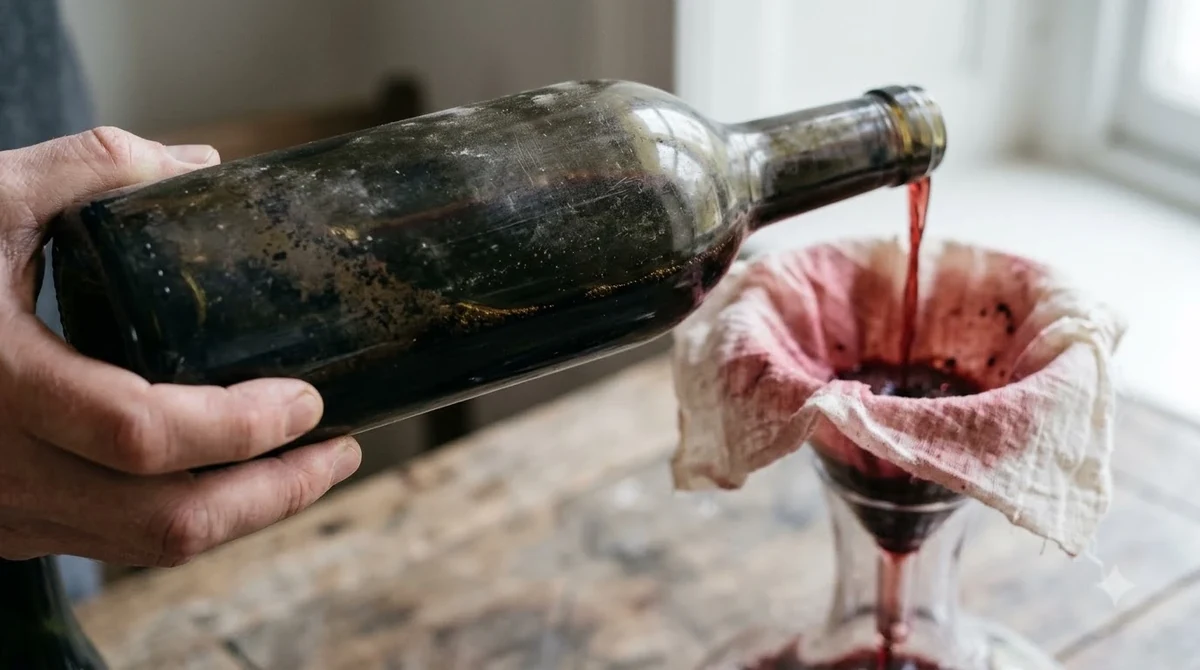
USDA-derived nutrition data for Cabernet Sauvignon lists approximately 3.8 grams of total carbohydrates and 122 calories per 5 fl oz serving. The same serving contains approximately 15.4 grams of alcohol. These figures provide a useful reference point for estimating the nutritional contribution of a typical glass rather than treating every Cabernet Sauvignon as nutritionally identical.
For someone following a strict ketogenic plan with a daily limit of 20 grams of net carbohydrates, 3.8 grams represents approximately 19% of that allowance. On a 30-gram plan, it represents about 13%. Someone following a more flexible 50-gram plan would use approximately 8% of the daily carbohydrate budget on the same glass.
Cabernet Sauvignon is not carbohydrate-free, but it does not automatically exceed the limits of a ketogenic eating plan. The important distinction is between fitting a drink into a carbohydrate allowance and assuming that drinking alcohol has no other metabolic consequences.
Total carbohydrates versus net carbohydrates
Carbohydrates and net carbohydrates are often used interchangeably in discussions about keto, but they are not necessarily the same measurement. Net carbohydrates are generally calculated by subtracting dietary fiber from total carbohydrates. Wine contains essentially no dietary fiber, so its net carbohydrate figure is generally close to its total carbohydrate figure.
For practical tracking, counting approximately 3.8 grams for a standard glass of Cabernet Sauvignon is a reasonable starting point. Do not assume that the number is exactly the same for a different bottle, vintage, or winemaking style. A wine with more residual sugar may contribute more carbohydrates than a particularly dry example.
It also helps to distinguish carbohydrate content from calories. Alcohol contributes calories independently of carbohydrates. Consequently, a wine can have relatively few carbohydrates while still contributing a meaningful amount of energy to the day’s intake.
How serving size changes the calculation
The familiar 5-ounce pour is a useful measurement because it makes nutritional comparisons easier. Restaurant pours and home servings are not always measured, however, and a generous glass can contain substantially more wine than a standard serving.
Using the approximate 3.8-gram figure, the following estimates illustrate how quickly carbohydrates accumulate as the serving increases:
| Cabernet Sauvignon serving | Approximate carbohydrates | Share of a 20 g daily limit |
|---|---|---|
| 2.5 fl oz | 1.9 g | 9.5% |
| 5 fl oz | 3.8 g | 19% |
| 7.5 fl oz | 5.7 g | 28.5% |
| 10 fl oz | 7.6 g | 38% |
| 15 fl oz | 11.4 g | 57% |
These figures are proportional estimates based on a typical 5-ounce serving, not laboratory measurements of individual bottles. They show why measuring a pour matters more than relying on the number of glasses alone.
A 750 ml bottle contains approximately 25.4 fluid ounces, or about five standard 5-ounce servings. Finishing a bottle over an evening therefore represents considerably more carbohydrates and alcohol than drinking one measured glass. Even if the wine is dry, the larger quantity can make it difficult to stay within a strict daily plan.
Why Dry Cabernet Sauvignon Is Better for Keto
Dry Cabernet Sauvignon is generally a better choice for a ketogenic diet than sweet red wine because fermentation converts much of the grape’s natural sugar into alcohol. Less remaining sugar generally means fewer carbohydrates in the finished wine.
Wine begins with grapes containing natural sugars, principally glucose and fructose. During alcoholic fermentation, yeast consumes these sugars and produces alcohol and carbon dioxide. When fermentation continues until most fermentable sugar has been consumed, the resulting wine is considered dry.
Residual sugar refers to the sugar remaining after fermentation. It is an important factor in determining how many carbohydrates a particular wine contains. A Cabernet Sauvignon fermented to dryness will generally have a lower residual sugar content than a deliberately sweet red wine.
However, dry does not mean completely sugar-free. Small quantities of residual sugar and other carbohydrate compounds can remain in wine even when it tastes dry. That is why a dry Cabernet Sauvignon can contain approximately 3.8 grams of carbohydrates per 5-ounce serving rather than zero.
For a useful explanation of how fermentation and residual sugar affect wine choices, see Atkins’ guide to shopping for low-carb wines.
Understanding sweetness in red wine
Cabernet Sauvignon is commonly produced as a dry red wine. Its ripe blackcurrant, blackberry, plum, and cherry characteristics can make it taste fruit-forward, but fruit flavors do not necessarily indicate substantial residual sugar.
There is an important difference between perceived fruitiness and actual sweetness. A wine can smell strongly of ripe blackberries and taste generous and smooth while still being fermented dry. Conversely, a wine with noticeable sweetness can contain more residual sugar even if its fruit aromas are relatively restrained.
Tannins also influence how a Cabernet Sauvignon tastes. These compounds create a drying sensation in the mouth, particularly around the gums and tongue. Firm tannins can make a wine seem less sweet than it actually is, so relying entirely on taste is not a dependable way to estimate carbohydrates.
Winemaking choices also influence the finished profile. Harvesting grapes at different levels of ripeness, fermentation decisions, and blending can change the balance between alcohol, acidity, tannin, and residual sugar. Two Cabernet Sauvignon bottles can therefore have different nutritional characteristics despite sharing the same grape variety.
Dry versus sweet Cabernet Sauvignon
For keto purposes, prioritize a genuinely dry Cabernet Sauvignon rather than a sweet red wine or a wine-based beverage with added sweeteners. Sweetened red wine drinks, sangria, and dessert-style wines can contain substantially more sugar than a conventional dry Cabernet.
Some commercial wines are made with a noticeably softer, sweeter flavor profile. A smooth texture does not automatically mean that a wine contains added sugar, but sweetness is a useful reason to investigate its nutritional information. The residual sugar figure, when available, is more useful than marketing descriptions such as rich, smooth, or ripe.
Dryness is therefore a sensible first selection criterion, but it is not a guarantee of a particular carbohydrate count. For more background on grape varieties, wine styles, and production differences, explore Wine by Type.
How Cabernet Sauvignon Fits Into a Daily Keto Carb Budget
A 5-ounce glass of Cabernet Sauvignon uses approximately 3.8 grams of a daily carbohydrate allowance. Whether that is a comfortable fit depends on how strictly you limit carbohydrates and how much room remains after meals, snacks, and other drinks.
Ketogenic diets are commonly associated with daily carbohydrate targets of approximately 20–50 grams, although individual plans differ. Someone using a 20-gram target needs to account for every serving carefully, while someone following a 50-gram target has more flexibility.
Consider a person using a 20-gram daily limit. A 5-ounce Cabernet Sauvignon serving would use approximately 3.8 grams, leaving 16.2 grams for the rest of the day. Two standard glasses would contribute approximately 7.6 grams, leaving 12.4 grams.
Those calculations are useful for planning, but they should not be interpreted as a recommendation to drink two glasses. The carbohydrate calculation covers only the wine’s carbohydrates. It does not account for alcohol metabolism, total calories, individual tolerance, or the other effects of alcohol.
Example carbohydrate allocations
The following examples demonstrate how a single glass fits into different daily carbohydrate targets:
- 20-gram target: One standard glass uses approximately 19% of the daily allowance.
- 25-gram target: One standard glass uses approximately 15.2% of the daily allowance.
- 30-gram target: One standard glass uses approximately 12.7% of the daily allowance.
- 40-gram target: One standard glass uses approximately 9.5% of the daily allowance.
- 50-gram target: One standard glass uses approximately 7.6% of the daily allowance.
These percentages use 3.8 grams as the estimated carbohydrate contribution of a standard pour. They are not universal measurements for all Cabernet Sauvignon wines.
It is also important to remember that food contributes carbohydrates throughout the day. Leafy vegetables, dairy products, nuts, sauces, and certain seasonings can all add to the total. A glass of wine that fits comfortably on paper may be less convenient on a day when meals have already used most of the available carbohydrate allowance.
Why multiple glasses require more planning
Alcohol consumption is easy to underestimate when wine is poured into large glasses. A glass filled halfway may contain considerably more than 5 ounces, particularly when the glass has a large bowl. Measuring the first pour helps establish a realistic serving size.
For example, three standard glasses would contribute approximately 11.4 grams of carbohydrates using the typical reference figure. That represents more than half of a 20-gram daily allowance. It also represents three times the alcohol contribution of a single glass.
Another consideration is that drinking several glasses can make it harder to maintain planned eating habits. Appetite, food choices, and portion sizes may change during an evening involving alcohol. This can result in additional carbohydrates from snacks, desserts, sauces, and other foods.
Tip: If you include Cabernet Sauvignon in a keto carbohydrate budget, use a measured 5-ounce pour and count approximately 3.8 grams of carbohydrates as a starting estimate. Leave room for the carbohydrates in your meals rather than treating the wine as an extra allowance.
Does Cabernet Sauvignon Affect Ketosis Beyond Carbohydrates?
Yes. Cabernet Sauvignon can affect the body’s metabolism even when its carbohydrate contribution is relatively low. Alcohol is processed differently from dietary carbohydrates, and the liver prioritizes metabolizing alcohol before returning to its usual fat-processing activities.
This distinction is important because ketosis is not determined by carbohydrate intake alone in every practical sense. A low-carb drink can still affect the body’s use of other energy sources, including fat. Consequently, a wine’s carbohydrate count cannot predict exactly how an individual will respond after drinking it.
Alcohol itself is not a carbohydrate. However, it supplies approximately seven calories per gram, compared with four calories per gram from carbohydrates or protein. A glass of Cabernet Sauvignon can therefore contribute substantially more calories from alcohol than from its carbohydrate content.
Alcohol metabolism and fat oxidation
When alcohol enters the bloodstream, the liver prioritizes processing it because the body cannot store alcohol in the same way it stores carbohydrates and fat. This temporarily changes the body’s use of other energy sources, including fat.
Diet Doctor explains that alcohol is used by the body before other energy sources such as body fat. This is relevant to keto because the diet aims to encourage the body to rely more heavily on fat and ketones for energy. Even a beverage with very few carbohydrates can therefore have effects that are separate from its carbohydrate count.
The duration and magnitude of these effects vary. Alcohol quantity, body size, food intake, drinking speed, and individual metabolism all influence the response. It is not possible to promise that one glass will leave every person in ketosis, nor is it accurate to say that every glass automatically ends ketosis.
For additional information about alcohol metabolism and carbohydrate counts, read Diet Doctor’s low-carb alcohol guide.
For someone whose main objective is maintaining a consistent ketogenic state, avoiding alcohol is the simplest way to eliminate this additional variable. For someone who chooses to drink occasionally, a dry wine with a measured serving provides a more predictable carbohydrate contribution than a sweetened cocktail.
Why low-carb does not mean low-calorie
Cabernet Sauvignon illustrates the difference between carbohydrates and calories particularly well. A typical 5-ounce serving contains approximately 122 calories, but only about 3.8 grams of carbohydrates. Most of its energy comes from alcohol rather than sugar.
That distinction matters for people who follow keto primarily for weight management. Staying within a carbohydrate target does not automatically mean that total daily energy intake is within a desired range. Alcohol can add calories without providing the same nutritional value as a balanced meal.
Drinking can also influence food decisions. A person may find it harder to stick to a planned meal or snack routine after consuming alcohol. Cheese, cured meats, nuts, and other low-carb foods can be easy to overeat, while sweet sauces and desserts can add carbohydrates unexpectedly.
For these reasons, the most accurate assessment of Cabernet Sauvignon involves three separate questions: How many carbohydrates does the serving contain? How much alcohol does it provide? And how does that serving fit into the overall eating pattern?
How to Choose a Keto-Friendly Cabernet Sauvignon
Choose a dry Cabernet Sauvignon with a clearly documented residual sugar level and a conventional wine composition. A standard dry bottling is generally a more predictable choice than sweet red blends, flavored wine drinks, or dessert-style reds.
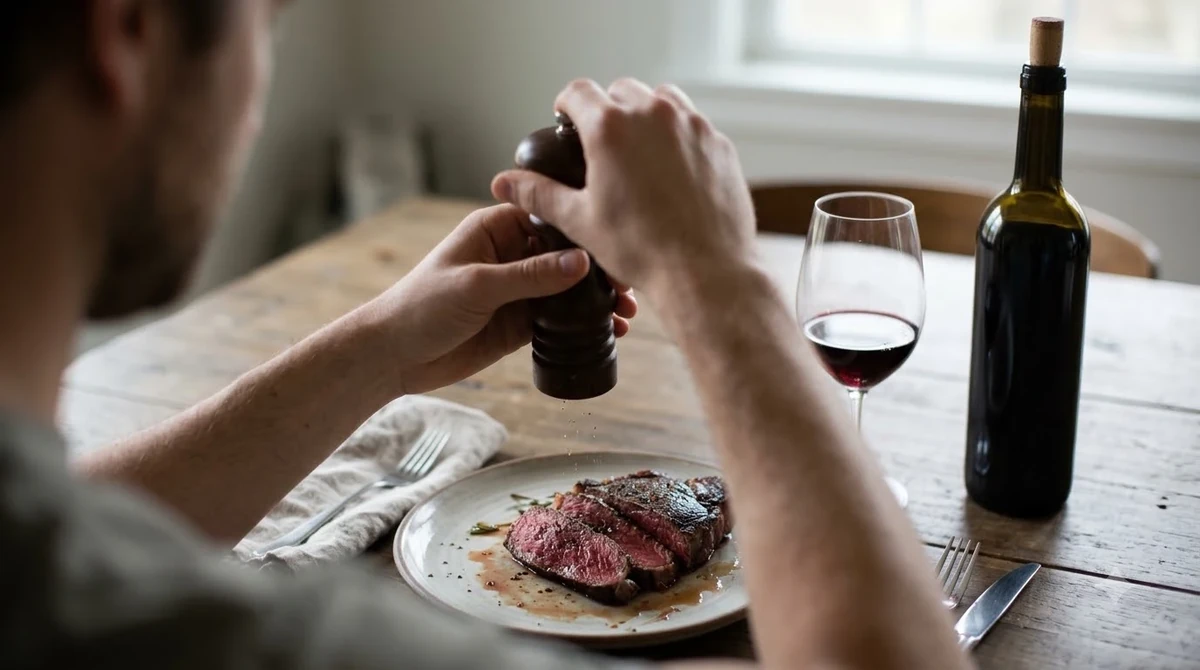
Start with the wine’s technical information when available. Many producers publish details about alcohol by volume, residual sugar, acidity, fermentation, and other production characteristics. Residual sugar is particularly useful because it helps distinguish a dry wine from a sweeter alternative.
Alcohol by volume, or ABV, can provide additional context, but it should not be treated as a direct measurement of carbohydrates. Higher alcohol content may indicate that more sugar was fermented, but grape ripeness and winemaking practices can also influence alcohol levels. A high-ABV Cabernet is not automatically lower in carbohydrates than every lower-ABV example.
What to look for in producer information
When comparing bottles, look for these details:
- Residual sugar: A lower figure generally indicates less remaining grape sugar.
- Alcohol by volume: This indicates the concentration of alcohol, not the precise carbohydrate count.
- Serving size: Nutritional figures are meaningful only when the portion is clearly defined.
- Added ingredients: Flavored wine products and sweetened wine beverages may contain additional sugars.
- Technical information: A producer’s published specifications can help clarify the wine’s production style.
For example, a Cabernet Sauvignon with a documented residual sugar level of 2 grams per liter would be a relatively dry choice. A wine with 10 grams per liter would contain more residual sugar, even though both might be described as Cabernet Sauvignon. These figures describe sugar concentration rather than the complete carbohydrate count of a serving.
A useful conversion is to multiply the residual sugar concentration in grams per liter by 0.15 to estimate the grams of residual sugar in a 150 ml serving. For example, 2 grams per liter corresponds to approximately 0.3 grams of residual sugar in 150 ml, while 10 grams per liter corresponds to approximately 1.5 grams.
This calculation estimates residual sugar only. It should not be mistaken for total carbohydrates, which can include other compounds remaining in the wine.
Does Cabernet Sauvignon from a particular region matter?
Cabernet Sauvignon is produced in numerous wine regions, including Napa Valley, Sonoma County, Bordeaux, Chile, Australia, and Washington State. Regional differences influence fruit ripeness, acidity, alcohol, tannin, and the overall character of the wine.
However, the geographical origin alone cannot establish whether a bottle is keto friendly. A Cabernet Sauvignon from Napa Valley is not automatically lower in carbohydrates than one from Bordeaux, and a bottle from Chile is not necessarily a better choice than one from Australia.
The production style is more useful than the regional name when estimating carbohydrate content. A dry wine from any of these regions may fit a low-carb plan, while a sweeter bottling may contribute more sugar. Comparing producer information is therefore more reliable than choosing a bottle solely because of its country or appellation.
For broader comparisons between red and white wine varieties, is Sauvignon Blanc keto friendly is another useful topic to consider. Sauvignon Blanc is typically a lighter-bodied, high-acidity white wine, and its carbohydrate content can be slightly lower than the typical Cabernet Sauvignon reference figure.
Cabernet Sauvignon Compared With Other Keto-Friendly Wines
Cabernet Sauvignon is not the only wine that can fit into a ketogenic eating plan. Several dry red, white, and sparkling styles have relatively modest carbohydrate counts, although the exact figures vary between bottles and serving sizes.
Comparing wine varieties can help identify alternatives when you want a lighter style or a different food pairing. The figures below are approximate values per 5-ounce serving drawn from the cited nutrition references. They should be treated as typical estimates rather than guaranteed values for individual bottles.
| Wine style | Approximate carbohydrates per 5 oz | General style |
|---|---|---|
| Sauvignon Blanc | 3.0 g | Dry, crisp white |
| Chardonnay | 3.2 g | Dry, medium-bodied white |
| Pinot Noir | 3.4 g | Light to medium-bodied red |
| Merlot | 3.7 g | Medium-bodied red |
| Cabernet Sauvignon | 3.8 g | Full-bodied red |
| Average red table wine | 3.8 g | Varies by blend |
| Riesling | 5.5 g | Dry to sweet white |
| Rosé | 5.8 g | Dry to off-dry pink wine |
| Moscato | 7.8 g | Typically sweet wine |
These estimates illustrate why the grape variety is useful but not sufficient for making a decision. Sauvignon Blanc, for example, averages approximately 3 grams of carbohydrates per serving in the cited reference, compared with approximately 3.8 grams for Cabernet Sauvignon.
Pinot Noir and Merlot are also reasonable alternatives. Their approximate carbohydrate counts are close to Cabernet Sauvignon, so the difference between these wines is relatively small in a normal serving. Personal preference, food pairing, and the actual residual sugar content can be more important than a difference of a few tenths of a gram.
Dry reds for different occasions
Cabernet Sauvignon is particularly suitable for people who enjoy full-bodied red wines. Its blackcurrant, dark cherry, cedar, and sometimes green herbal characteristics work well with richer dishes. Its firmer tannins also give it a more structured mouthfeel than lighter reds.
Merlot is generally softer in tannin and can provide a rounder alternative. Pinot Noir has lighter tannins and higher acidity, making it a useful option with roasted chicken, mushrooms, and some fish dishes. These differences are mainly stylistic rather than dramatic carbohydrate distinctions.
Dry whites and sparkling alternatives
Sauvignon Blanc offers a crisp alternative with citrus, green apple, and herbal notes. Chardonnay is generally rounder, especially when oak aging contributes creamy or buttery impressions. Both can fit a low-carb plan when produced in a dry style.
Brut sparkling wine can also be a suitable alternative. Brut Nature, Extra Brut, and Brut are the drier categories, while Extra Dry, Dry, Demi-Sec, and Doux become progressively sweeter. The word Extra Dry can be confusing because it is sweeter than Brut in sparkling wine terminology.
Sweet Riesling, Moscato, Port, and dessert wines deserve more caution because their sugar levels can be considerably higher. Someone working with a strict carbohydrate target will generally find a conventional dry Cabernet Sauvignon easier to budget for than a sweet dessert wine.
How to Serve and Track Cabernet Sauvignon on Keto
Serving size and drinking habits are just as important as selecting a dry bottle. A measured 5-ounce glass provides a consistent basis for estimating carbohydrates, while larger pours can quickly increase both alcohol and calorie intake.
Cabernet Sauvignon is usually served slightly cooler than a typical room temperature. A serving temperature of approximately 60–65 F is appropriate for full-bodied red wines. Excessive warmth can make alcohol seem more prominent, while serving the wine too cold can suppress its aromas and flavors.
Food pairing can also make a glass of Cabernet more satisfying without requiring sweet accompaniments. Grilled steak, roast beef, lamb, hard cheeses, and mushrooms are classic partners. These foods can be prepared without sugary glazes or sauces that would add unnecessary carbohydrates.
Choose food pairings that suit a low-carb meal
Cabernet Sauvignon has firm tannins, which work well with protein-rich and fatty foods. A grilled ribeye steak, for example, provides fat and savory richness that soften the wine’s drying tannin sensation. Roasted lamb with rosemary and mushrooms is another suitable combination.
Hard cheeses such as aged cheddar and Parmesan can also complement Cabernet Sauvignon. Their savory and salty characteristics provide a contrast to the wine’s dark fruit flavors. A cheese plate can be a convenient accompaniment, although portions of crackers, sweet preserves, and dried fruit should be included in carbohydrate calculations.
Be careful with barbecue sauces, sweet marinades, honey glazes, and balsamic reductions. Although the wine itself may contain relatively few carbohydrates, these additions can contribute substantial sugar to the meal. Choosing herbs, garlic, olive oil, pepper, and unsweetened seasonings can keep the accompanying food closer to a low-carb pattern.
Keep a consistent serving routine
A simple tracking method makes wine consumption easier to account for. Measure the serving, record the estimated carbohydrates, and include the wine in the day’s total rather than estimating afterward.
For example, someone planning a 5-ounce glass with dinner can allocate approximately 3.8 grams of carbohydrates to that serving. If the wine is served with steak and non-starchy vegetables, the carbohydrates from the vegetables and any sauces still need to be included separately.
It is also useful to record the actual bottle and producer. If you regularly buy the same Cabernet Sauvignon, keeping its technical information alongside your food tracking notes makes future estimates more consistent. Different bottlings of the same grape variety may not have identical residual sugar or nutritional profiles.
Storage and opening practices help preserve the quality of the wine, although they do not make it lower in carbohydrates. An unopened Cabernet Sauvignon should be stored away from direct sunlight and significant temperature changes. A bottle intended for aging benefits from stable storage conditions near 55 F, generally on its side if it has a traditional cork.
After opening, recork the bottle and keep it refrigerated. Most still wines are best consumed within approximately 3–5 days after opening, although their aroma and flavor can change over that period. For more information about storage, see how long does Cabernet Sauvignon last unopened.
Young, full-bodied Cabernet Sauvignon may also benefit from decanting for approximately 30–60 minutes. Decanting can soften the wine’s initial impression and allow its aromas to develop, but it does not remove alcohol or reduce its carbohydrate content. Learn more about how long to decant Cabernet Sauvignon before serving a particularly structured bottle.
Finally, remember that a lower carbohydrate count does not make alcohol risk-free. Drinking less or choosing a nonalcoholic alternative avoids alcohol’s metabolic effects altogether. Individual responses vary, and people taking medications or managing medical conditions should not assume that low-carb wine is automatically suitable for them.
Frequently Asked Questions
Does Cabernet Sauvignon contain added sugar?
Traditional Cabernet Sauvignon is made by fermenting grape juice, and its sweetness primarily depends on the sugar remaining after fermentation. Some commercial wine products may use additional sweetening ingredients, but this is not a defining characteristic of conventional dry Cabernet Sauvignon. The producer’s technical information is the best place to investigate a particular bottling.
Does Cabernet Sauvignon contain fiber?
Cabernet Sauvignon contains essentially no dietary fiber in standard nutritional listings. This is why its estimated net carbohydrate count is generally close to its total carbohydrate count. Wine should not be treated as a source of meaningful dietary fiber even though it is made from grapes.
Can Cabernet Sauvignon be used in keto cooking?
Dry Cabernet Sauvignon can be used in recipes such as beef braises, mushroom sauces, and red wine reductions. Cooking does not guarantee that all the alcohol disappears, and the wine’s carbohydrates should still be considered when calculating the finished dish. Reductions can concentrate the remaining sugars as liquid evaporates.
Does oak aging make Cabernet Sauvignon higher in carbohydrates?
Oak aging primarily influences a wine’s aroma, flavor, and texture rather than directly determining its carbohydrate content. Oak can contribute notes such as vanilla, cedar, toast, and baking spices. A barrel-aged Cabernet Sauvignon is not automatically sweeter or higher in carbohydrates than a stainless-steel-aged example.
Can nonalcoholic Cabernet Sauvignon be lower in carbohydrates?
Not necessarily. Removing alcohol does not automatically remove residual sugar, and some nonalcoholic wines retain or receive additional sweetness to improve their flavor. Their carbohydrate content depends on the original wine, the alcohol-removal process, and any ingredients added afterward, so individual nutritional information matters.
Dry Cabernet Sauvignon can fit into many ketogenic eating plans when its carbohydrates are measured and included in the daily total. A standard 5-ounce glass provides approximately 3.8 grams of carbohydrates, but alcohol has metabolic effects beyond its carbohydrate contribution. Choosing a dry bottling, controlling serving size, and understanding the difference between low-carb and alcohol-free are the most useful ways to make an informed decision.
More in Wine Types & Grapes
 Zinfandel Sugar Content: Dry Red vs. White Zinfandel GramsUpdated Nov 21, 2026
 Best Zinfandel Substitute Options for Sipping and CookingUpdated Nov 21, 2026
 Zweigelt Food Pairing: Best Dishes, Cheeses, and Serving TipsUpdated Nov 21, 2026
 Zinfandel Tannins Explained: How Structure Shapes Every BottleUpdated Nov 21, 2026
 Zinfandel Sweetness Level: Dry Red vs. Sweet White Zin ExplainedUpdated Nov 21, 2026
 Xinomavro Food Pairing: Best Dishes, Styles, and Serving TipsUpdated Nov 21, 2026