

We may earn a commission when you buy through links on this page, at no extra cost to you. Learn more.
Is Sauvignon Blanc keto friendly? Yes, dry Sauvignon Blanc is generally keto friendly because a standard 5-ounce glass contains approximately 3 grams of carbohydrates. That relatively small amount can fit into many low-carbohydrate eating plans, including a strict 20-gram daily carbohydrate target. The important distinction is choosing a dry bottle rather than a sweeter Sauvignon Blanc, controlling your serving size, and counting the wine toward your daily carbohydrate allowance.
Sauvignon Blanc is one of the more practical white wine choices for people following a ketogenic diet. Its refreshing acidity, citrus flavors, and generally dry character make it an appealing alternative to sweeter white wines. However, not every bottle has identical nutritional characteristics. Understanding residual sugar, alcohol content, serving sizes, and winemaking styles makes it easier to choose a bottle that fits your carbohydrate goals without giving up the pleasure of a glass of wine.
How Many Carbs Are in Sauvignon Blanc?
A standard 5-ounce serving of dry Sauvignon Blanc contains approximately 3 grams of carbohydrates. This is a relatively small contribution to a ketogenic daily carbohydrate allowance, making dry Sauvignon Blanc a reasonable option for someone who plans their portions carefully.

Wine.com estimates that a 5-ounce serving of dry white wine, including Sauvignon Blanc, contains approximately 3 grams of carbohydrates, less than 1 gram of sugar, and around 120 calories at 13% alcohol by volume. Atkins provides a similar estimate of approximately 3 grams of carbohydrates per glass. These figures make Sauvignon Blanc a competitive choice among conventional dry wines.
These numbers are useful averages rather than guarantees for every bottle. A wine’s carbohydrate content depends partly on how much grape sugar remains after fermentation. A completely fermented dry wine generally contains less residual sugar than a wine made with noticeable sweetness. Different producers may also use different fermentation practices, grape ripeness levels, and finishing techniques.
Serving size is another important part of the calculation. A restaurant pour that looks like one glass may contain considerably more than 5 ounces. If you drink 8 ounces instead of 5, the estimated carbohydrate contribution increases proportionally.
Here is a practical serving calculation using the approximate 3-gram carbohydrate figure for dry Sauvignon Blanc:
| Serving size | Approximate carbohydrates | Share of a 20 g daily limit |
|---|---|---|
| 3 oz | 1.8 g | 9% |
| 4 oz | 2.4 g | 12% |
| 5 oz | 3.0 g | 15% |
| 6 oz | 3.6 g | 18% |
| 8 oz | 4.8 g | 24% |
| 10 oz | 6.0 g | 30% |
The figures in this table are proportional estimates based on a 3-gram carbohydrate count per 5 ounces, not laboratory measurements of individual pours. They illustrate why portion control matters even when a wine has relatively few carbohydrates.
For someone following a 20-gram daily limit, one 5-ounce glass would account for approximately 15% of the allowance. That leaves 17 grams for meals and other beverages. Someone following a more flexible 50-gram daily target would use only 6% of that allowance for the same serving.
Tip: Measure a 5-ounce serving at home before pouring freely. Wine glasses vary considerably in capacity, and filling a large glass halfway does not necessarily produce a standard serving.
Why Dry Sauvignon Blanc Works Better on Keto
The main reason dry Sauvignon Blanc fits a ketogenic eating plan is its relatively low residual sugar. During fermentation, yeast converts grape sugars into alcohol. When fermentation continues until most fermentable sugar has been consumed, the resulting wine is generally dry and contains relatively little residual sugar.
Residual sugar is measured in grams per liter, commonly abbreviated as g/L. Wine.com describes approximately 1–4 g/L as a typical dry-wine range, while the Australian Wine Research Institute uses less than 4 g/L as a typical dry-wine reference for its nutritional calculations. These figures help explain why dry Sauvignon Blanc usually has fewer carbohydrates than sweeter white wines.
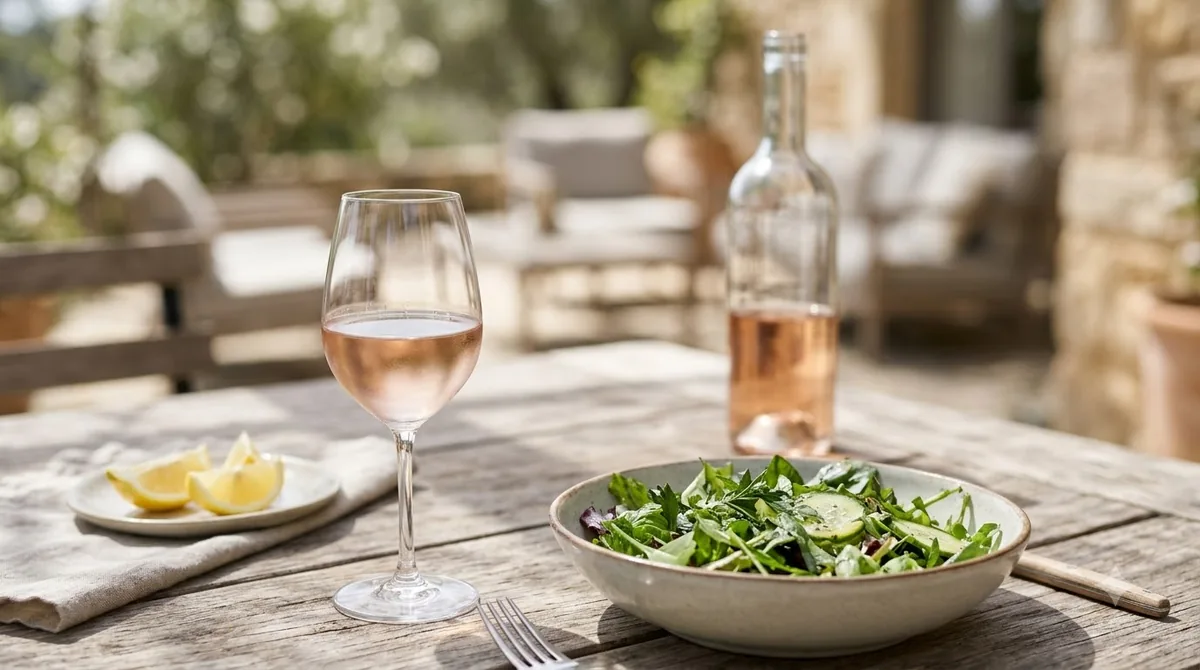
For a practical comparison, consider a wine containing 2.5 grams of residual sugar per liter. A 5-ounce serving represents approximately 0.148 liters, so that portion contains roughly 0.37 grams of residual sugar. That is only one part of the carbohydrate calculation, but it illustrates how little leftover grape sugar a genuinely dry wine can contain.
It is important to distinguish residual sugar from total carbohydrates. Residual sugar refers specifically to the glucose and fructose left after fermentation. Total carbohydrate calculations may account for additional carbohydrate components. Consequently, a wine with a very low residual sugar figure should not automatically be assumed to contain exactly the same number of total carbohydrates.
The Australian Wine Research Institute explains that dry white wine below 4 g/L residual sugar can use a typical available-carbohydrate input of 0.2 grams per 100 grams for its energy calculations. Its methodology also considers alcohol, organic acids, and glycerol. This demonstrates why nutritional calculations are more complicated than simply multiplying a residual sugar number by the volume in a glass. Its wine energy calculation guidance explains the different components used in these calculations.
Another useful point is that fruity aromas do not necessarily indicate high sugar. Sauvignon Blanc can smell like grapefruit, lime, passion fruit, green apple, or ripe tropical fruit while remaining completely dry. These aromas come from the wine’s aromatic compounds rather than necessarily indicating a sweet taste or substantial residual sugar.
For keto purposes, prioritize the wine’s actual dryness and nutritional information rather than relying exclusively on how fruity or refreshing it tastes. A crisp wine can taste generous and fruit-forward without containing much leftover sugar.
How to Choose a Low-Carb Sauvignon Blanc
The easiest approach is to choose a conventional dry Sauvignon Blanc and pay attention to the producer’s technical information. A bottle with a dry profile, relatively low residual sugar, and a clearly stated alcohol percentage is generally a sensible starting point for carbohydrate-conscious wine selection.
Several well-known Sauvignon Blanc styles offer useful starting points. Marlborough in New Zealand is recognized for expressive citrus and tropical-fruit aromas, while Sancerre in France is associated with a restrained, mineral-driven expression of the Sauvignon Blanc grape. California also produces dry examples, ranging from bright and herbal to riper and more tropical in character.
These regional differences primarily describe style, not a guaranteed difference in carbohydrate content. A Marlborough Sauvignon Blanc is not automatically lower in carbohydrates than a Sancerre or California bottling. Individual winemaking decisions and residual sugar levels matter more than the country or region printed on the label.
Check residual sugar information
Some producers publish technical details that include residual sugar in grams per liter. This is particularly helpful when comparing two bottles that both taste dry but have slightly different finishing styles. A figure below 4 g/L is a useful reference for a dry wine, although it does not provide a complete total-carbohydrate measurement.
If the producer provides a nutrition declaration, use its serving size and carbohydrate figures rather than assuming every Sauvignon Blanc has precisely 3 grams. The Australian Wine Research Institute’s calculation guidance also distinguishes dry and semidry wines from products with higher sugar concentrations, reinforcing the importance of knowing the wine’s actual composition.
Understand alcohol by volume
Alcohol by volume, or ABV, indicates how much of the wine’s volume consists of alcohol. Many conventional Sauvignon Blanc wines fall around the 12–14% range, although the exact percentage varies by producer and style.
ABV is useful context, but it should not be treated as a direct carbohydrate measurement. Fermentation can convert grape sugar into alcohol, so alcohol and residual sugar are related during winemaking. However, two wines with similar alcohol percentages can still have different residual sugar levels.
A lower-alcohol wine is not automatically lower in carbohydrates. Some lower-alcohol wines are made by harvesting grapes earlier, while others retain sweetness or use different fermentation techniques. Look at the full nutritional picture instead of selecting a bottle based on ABV alone.
For a practical shopping strategy, begin with a dry Sauvignon Blanc from a reputable producer, look for technical information, and use approximately 3 grams per 5 ounces as an initial estimate when bottle-specific carbohydrate data is unavailable.
Sauvignon Blanc Compared With Other Wines on Keto
Sauvignon Blanc is competitive with several other popular dry wines in terms of carbohydrate content. Estimates from Atkins and USDA-based nutrition comparisons place it among the lower-carbohydrate conventional wine styles, although the differences between many dry wines are relatively small.
The following comparison uses approximate carbohydrate figures for standard 5-ounce servings. These are general reference values rather than guaranteed figures for every producer or bottle.
| Wine style | Approximate carbs per 5 oz | General keto suitability |
|---|---|---|
| Dry Sauvignon Blanc | 3.0 g | Good low-carb option |
| Pinot Grigio | 3.0 g | Good low-carb option |
| Chardonnay | 3.2 g | Good low-carb option |
| Pinot Noir | 3.4 g | Good low-carb option |
| Merlot | 3.7 g | Can fit with portion planning |
| Cabernet Sauvignon | 3.8 g | Can fit with portion planning |
| Riesling | 5.5 g | Depends on sweetness |
| Muscat | 7.8 g | Less suitable for strict keto |
| Late-harvest white wine | 20.6 g | Generally unsuitable for a strict limit |
These figures are approximate reference estimates from USDA-based comparisons and wine nutrition information. Different databases and producers can report different values, particularly for wines with varying residual sugar. Wine.com’s nutrition guide, for example, estimates 3 grams for a standard serving of dry white wine and 9 grams for a 5-ounce serving of off-dry Riesling Kabinett.
Compared with Cabernet Sauvignon, Sauvignon Blanc has approximately 0.8 fewer grams of carbohydrates per 5-ounce serving in the comparison estimates. Someone who enjoys red wine can also explore whether Cabernet Sauvignon is keto friendly, since dry red wines can fit into carbohydrate-conscious meal planning as well.
The biggest differences appear when comparing dry wines with sweeter styles. Riesling can range from very dry to distinctly sweet, so its carbohydrate content varies significantly. Muscat and late-harvest wines are often substantially higher in sugar and carbohydrates. A 5-ounce serving of late-harvest white wine can contain more carbohydrates than an entire strict 20-gram daily allowance.
For anyone trying to minimize carbohydrate intake, a dry Sauvignon Blanc is a more predictable starting point than a sweet Riesling, Moscato, or dessert wine. However, the grape variety alone never guarantees a particular nutritional result.
How Sauvignon Blanc Fits Into a 20-Gram Keto Diet
A strict ketogenic eating plan commonly uses a daily carbohydrate target of approximately 20 grams, although individual plans vary. At approximately 3 grams per 5-ounce serving, dry Sauvignon Blanc can fit into that allowance, but it uses a meaningful portion of the available daily total.
For example, someone working with a 20-gram target could allocate approximately 3 grams to one glass of Sauvignon Blanc. That leaves 17 grams for the rest of the day’s food and beverages. A person following a 30-gram target would have 27 grams remaining after the same serving.
This calculation assumes the wine contains approximately 3 grams of carbohydrates per standard glass. A sweeter bottle or a larger restaurant pour can change the result. Two 5-ounce glasses would contribute approximately 6 grams, equivalent to 30% of a 20-gram daily allowance.
Plan the serving rather than guessing
Portion size is one of the easiest details to overlook. Wine glasses often hold considerably more than a standard 5-ounce serving, particularly oversized white wine glasses. A generous pour of 8 ounces can contribute approximately 4.8 grams of carbohydrates if the wine contains 3 grams per 5 ounces.
When planning a meal, it is useful to account for wine alongside sauces, dressings, marinades, and other ingredients that may contain added sugar. A glass of dry Sauvignon Blanc might contribute relatively few carbohydrates, but a sweetened cocktail or sugary sauce can change the overall meal calculation.
Remember that alcohol is separate from carbohydrates
Low carbohydrate content does not mean that wine is carbohydrate-free, calorie-free, or alcohol-free. Sauvignon Blanc still contains ethanol, and a standard 5-ounce glass at approximately 13% ABV contains a meaningful amount of alcohol.
Alcohol also affects how the body processes energy. During alcohol metabolism, the body prioritizes processing alcohol rather than immediately using other energy sources. This is one reason carbohydrate counting alone does not describe every aspect of drinking wine on a ketogenic diet.
Atkins similarly points out that alcohol can affect appetite and ketone production. Therefore, someone whose main objective is maintaining a particular dietary routine should consider more than the carbohydrate figure when deciding whether to include wine.
There is also a difference between fitting a drink into a carbohydrate allowance and establishing that drinking is appropriate for every individual. The figures in this article describe nutritional composition, not a recommendation to consume alcohol.
Serving and Enjoying Sauvignon Blanc Without Extra Carbs
Dry Sauvignon Blanc is naturally suited to simple food pairings because its bright acidity complements fresh ingredients and lighter dishes. Serving the wine properly and avoiding sugary additions helps preserve its dry character without introducing unnecessary carbohydrates.
For the best serving experience, chill Sauvignon Blanc to approximately 45–50 degrees Fahrenheit. This temperature keeps the wine refreshing while allowing its citrus, herbal, and tropical aromas to remain expressive. A bottle that is too warm may seem less crisp, while excessive chilling can make its aromas harder to appreciate.
For more detailed serving advice, see our guide to how to serve Sauvignon Blanc, including temperature, glassware, and storage recommendations.
Choose naturally low-carbohydrate pairings
Dry Sauvignon Blanc works particularly well with grilled fish, shrimp, shellfish, fresh salads, and roasted chicken. Its acidity cuts through richer textures, while its citrus and herbal character complements fresh herbs, lemon, and green vegetables.
For a simple meal, consider grilled shrimp with lemon, olive oil, and fresh parsley. Another option is roasted chicken with asparagus and a lightly seasoned herb dressing. These combinations allow the wine’s natural acidity to complement the food without requiring sweet sauces or sugary glazes.
Be more careful with prepared dressings, sweet chili sauces, fruit-based reductions, and bottled marinades. A dish that appears suitable for a low-carbohydrate meal can contain added sugar from its seasoning or sauce.
Avoid sweetened wine cocktails
Plain dry Sauvignon Blanc is generally a better choice than a wine cocktail containing fruit juice, simple syrup, sweet liqueur, or regular soda. Those additions can introduce considerably more carbohydrates than the wine itself.
If you want a lighter drink, a small amount of plain sparkling water can add bubbles without the sugar found in sweet mixers. Lemon or lime peel can provide additional aroma without requiring fruit juice or syrup.
It is also useful to keep the distinction between wine styles in mind. A dry Sauvignon Blanc and a sweet Sauvignon Blanc-based cocktail may have very different carbohydrate totals even though both begin with the same grape variety.
Common Mistakes When Counting Sauvignon Blanc Carbs
Most mistakes involving Sauvignon Blanc and keto come from assuming every bottle has identical nutritional values. The grape name, fruity aroma, alcohol percentage, and serving size all provide useful information, but none independently establishes the exact carbohydrate content.
One common misconception is that a wine tasting sweet or fruity must contain large quantities of sugar. Sauvignon Blanc frequently displays aromas of passion fruit, grapefruit, melon, and ripe citrus. Those aromas are not proof of substantial residual sugar. Conversely, a wine that tastes relatively restrained may still contain more residual sugar than expected.
Another mistake is treating residual sugar and total carbohydrates as interchangeable. Residual sugar is an important contributor to a wine’s carbohydrate profile, but nutritional calculations involve other components. The Australian Wine Research Institute’s energy methodology, for example, considers available carbohydrate, organic acids, glycerol, and alcohol rather than relying on sweetness alone.
Some people also assume that wines marketed as low-calorie or low-alcohol must contain fewer carbohydrates. That is not necessarily true. Reducing alcohol can lower calories without producing an equivalent reduction in carbohydrates. Lower-alcohol wines may retain sweetness depending on their production method, so calorie and carbohydrate figures should be considered separately.
Finally, avoid counting an entire bottle as one serving simply because it is shared between two people. A standard 750-milliliter bottle contains approximately five 5-ounce servings. If the bottle is divided equally between two people, each person receives approximately 12.7 ounces, or two and a half standard servings.
That quantity represents approximately 7.6 grams of carbohydrates per person at the 3-gram-per-serving estimate. It also represents considerably more alcohol than one standard glass. Accurate portion calculations are therefore important when comparing a planned serving with what actually ends up in the glass.
For additional information about grape varieties and wine styles, explore Wine by Type. Understanding how different wines are made makes it easier to distinguish dry styles from sweeter options and compare their typical nutritional characteristics. You can also learn more about whether Sauvignon Blanc is gluten free if you have questions about ingredients and wine production beyond carbohydrate content.
Frequently Asked Questions
Does Sauvignon Blanc contain any added sugar?
Many conventional dry Sauvignon Blanc wines do not require added sugar to achieve their characteristic flavor. However, winemaking practices differ, and some wines may receive adjustments or finishing treatments. A producer’s technical information can help clarify the production details of a particular bottle.
Can Sauvignon Blanc be included in intermittent fasting?
Wine contains calories and alcohol, so it is not a calorie-free beverage during a fasting period. A 5-ounce serving of conventional dry Sauvignon Blanc contains approximately 119–120 calories in common nutrition estimates. Whether alcohol fits a particular fasting schedule depends on the rules of that schedule.
Does Sauvignon Blanc contain protein or fat?
Conventional Sauvignon Blanc contains negligible protein and fat. Most of its energy content comes from alcohol, with smaller contributions from carbohydrates and other wine components. This is why its calorie count cannot be determined from its carbohydrate figure alone.
How long does an opened bottle of Sauvignon Blanc stay fresh?
An opened bottle of still white wine generally retains its best drinking qualities for approximately 3–5 days when resealed and refrigerated. Exposure to oxygen gradually changes its aromas and flavors, so keeping the bottle tightly closed between servings helps preserve its freshness.
Does organic Sauvignon Blanc automatically contain fewer carbohydrates?
No. Organic certification relates to grape-growing and production standards rather than guaranteeing a particular residual sugar or carbohydrate level. An organic Sauvignon Blanc can be dry or sweet, just like a conventionally produced example. Its actual fermentation style and nutritional composition determine the carbohydrate figure.
Dry Sauvignon Blanc is generally a keto-friendly white wine, with approximately 3 grams of carbohydrates in a standard 5-ounce serving. Choosing a dry bottle, checking producer information, and measuring your pour make it easier to account for wine within a daily carbohydrate target. For anyone who enjoys crisp, refreshing white wine, Sauvignon Blanc can remain an appealing option without requiring a large carbohydrate allowance.
More in Wine Types & Grapes
 What Does Mourvèdre Taste Like? Flavor Profile, Regions, and PairingsUpdated Nov 20, 2026
 What Does Marsanne Taste Like? Flavors, Styles, and Food PairingsUpdated Nov 20, 2026
 What Does Malvasia Taste Like? Styles, Flavors, and Food PairingsUpdated Nov 20, 2026
 What Does Grenache Blanc Taste Like? Flavor Profile, Styles, and PairingsUpdated Nov 20, 2026
 What Does Garnacha Taste Like? Key Flavors, Styles, and Pairing TipsUpdated Nov 20, 2026
 What Does Fruit Wine Taste Like? A Complete Flavor and Style BreakdownUpdated Nov 20, 2026