

We may earn a commission when you buy through links on this page, at no extra cost to you. Learn more.
How to pronounce pinot meunier: Say “pee-noh muh-NYAY,” using a French-style pronunciation with a soft final syllable that sounds approximately like “yay.” The name has four spoken syllables: pee, noh, muh, and nyay. The grape is one of the three principal varieties used in Champagne, alongside Pinot Noir and Chardonnay. Learning its pronunciation makes it easier to discuss Champagne styles, recognize grape varieties on wine labels, and order bottles with confidence.
French wine names can look more complicated than they sound, and Pinot Meunier is a good example. Although the spelling may initially seem unfamiliar to English speakers, a little attention to the sounds makes the name manageable. It also helps to understand what the grape contributes to Champagne, why the word Meunier has its particular spelling, and how the variety differs from Pinot Noir. This guide covers the pronunciation, its French origins, and the wine itself so you can use the name naturally in conversation.
The Correct Pronunciation of Pinot Meunier
The most useful English-friendly pronunciation is “pee-noh muh-NYAY.” It follows the French pronunciation closely enough to be understood in a restaurant, wine shop, tasting room, or conversation with a Champagne enthusiast. The important detail is the ending: Meunier should sound closer to “muh-nyay” than to the English word “me-you-ner.”
Break the full name into four spoken syllables: pee-noh-muh-nyay. The first two belong to Pinot, while the final two make up Meunier. Rather than treating the name as a long, complicated French word, say the parts slowly and then connect them at a natural conversational pace.
There are small differences between English pronunciation guides. For example, the LCBO lists “pee-noh MOON-yay” as its practical pronunciation. That spelling is helpful for English speakers, although the French vowel in Meunier is not exactly the same as the English long oo sound in moon. A softer vowel, followed by the nyay ending, gives a closer French approximation.
French pronunciation also differs from English in its treatment of syllable stress. English speakers often emphasize one syllable strongly, but French generally gives a phrase a more even rhythm, with emphasis falling toward the end of the spoken group. For Pinot Meunier, avoid making the first syllable of Meunier excessively loud. Let the final sound complete the name naturally.
Tip: Practice saying “pee-noh muh-NYAY” three times slowly, then repeat it at normal speaking speed. Concentrate on the final “nyay” sound rather than trying to pronounce every written letter separately.
How to Break Down Each French Sound
The easiest way to improve your pronunciation is to study Pinot and Meunier separately. Pinot is relatively familiar to wine drinkers because it also appears in Pinot Noir and Pinot Blanc. Meunier is the less familiar word, so it deserves most of your attention.
Pronouncing Pinot
Pinot is pronounced approximately “pee-noh.” There are two syllables, and the final t is silent. This is important because an English speaker might instinctively try to pronounce the final consonant, especially when reading the name for the first time.
The first syllable sounds like “pee,” while the second resembles “noh.” Keep the vowels relatively smooth rather than separating them with a strong English-style break. The result should sound like one short French word rather than two unrelated sounds.
Once you have practiced Pinot, compare it with the other familiar grape names in the Pinot family. Pinot Noir is pronounced approximately “pee-noh nwahr,” while Pinot Blanc is “pee-noh blahn.” The same first two syllables appear in all three names.
Pronouncing Meunier
Meunier is the more challenging part. A useful approximation is “muh-NYAY.” Its two syllables should flow together, and the final sound resembles the French pronunciation of a soft nyay rather than the English word near.
The French spelling contains the letter combination eu, which does not have a straightforward English equivalent. In standard French, this vowel is commonly represented by the phonetic symbol /ø/. English pronunciation guides often substitute a familiar vowel to make the word easier to say, but no English spelling perfectly reproduces the original sound.
The combination of n and i also requires attention. The sound is closer to the ny in canyon than to a plain English n followed by a separate y. Practice saying “muh-nyay” as a connected unit, without inserting an extra syllable.
Putting the Name Together
Begin with Pinot, pause briefly, and then say Meunier. Once the individual words feel comfortable, remove the pause. The complete pronunciation becomes “pee-noh muh-NYAY.”
A useful exercise is to say the name in three stages:
- First repetition: “pee-noh.”
- Second repetition: “muh-NYAY.”
- Third repetition: “pee-noh muh-NYAY.”
Repeat the exercise at least five times. Focus on keeping the final two syllables connected. You do not need to imitate every feature of a native French accent to communicate the grape’s name clearly.
What the Word Meunier Means in French
Meunier is a French word meaning miller, referring to someone who works in a mill. The name has a direct connection to the appearance of the grapevine: the undersides of its leaves have a distinctive whitish, powdery appearance that resembles flour dust.
According to Decanter, this flour-like appearance explains the variety’s name. It is a memorable way to connect the spelling with the grape’s physical characteristics. Once you understand the meaning, the word becomes easier to remember because it is no longer just an unfamiliar collection of French letters.
The grape is also known simply as Meunier. This shorter name is common among Champagne growers and producers. You may encounter both names on wine lists, tasting notes, and producer descriptions, and they refer to the same grape variety.
Why the Name Matters to Wine Drinkers
The name offers a small piece of information about the vine itself. Pinot Meunier is a dark-skinned grape, and its powdery-looking leaves distinguish it visually from many other varieties. Its relationship with Pinot Noir is another useful detail: Decanter describes Meunier as a genetic mutation of Pinot Noir, recognized during the 1500s.
That relationship does not mean the wines are interchangeable. Pinot Meunier has its own growing characteristics and can contribute a different balance of fruit, texture, and freshness to a wine. Its distinctive character is particularly important in Champagne, where blending several varieties allows producers to create a more complex final wine.
For an additional pronunciation comparison, see our guide to how to pronounce Pinot Blanc. The shared Pinot spelling makes it a useful companion exercise, especially if you are learning several French grape names at once.
Why Pinot Meunier Is Important in Champagne
Pinot Meunier is one of Champagne’s three principal grape varieties, together with Pinot Noir and Chardonnay. According to the Comité Champagne, it represents 31% of vineyard plantings in the region. Its contribution is particularly important in blends that benefit from roundness, supple texture, and fresh fruit character.
The three principal grapes have different roles. Pinot Noir contributes structure and body, while Chardonnay brings freshness and delicate floral and citrus characteristics. Meunier adds a softer, fruit-driven dimension that helps bring the blend together. These differences explain why the variety remains important even though it receives less attention from consumers than its two better-known partners.
Champagne’s Three Main Grapes
The Comité Champagne provides the following breakdown of vineyard plantings:
| Grape variety | Share of plantings | Main contribution |
|---|---|---|
| Pinot Noir | 38% | Body, structure, red-fruit character |
| Chardonnay | 31% | Freshness, floral and citrus aromas |
| Meunier | 31% | Roundness, supple texture, yellow-fruit character |
These percentages total 100% and demonstrate that Meunier is not a minor curiosity in Champagne production. It accounts for almost one-third of the region’s vineyard plantings. The figures also show why understanding its name is useful: a person discussing Champagne is likely to encounter the variety regularly.
The Marne Valley Connection
The Marne Valley is particularly associated with Meunier. This area west of Épernay contains vineyard sites with clay and chalk soils, and the grape is well suited to the growing conditions found there. Wine Enthusiast describes the stretch from Épernay toward Château-Thierry as an important center of Meunier-focused Champagne production.
One of the variety’s advantages is its relatively late bud development. Because its buds open later than those of Pinot Noir and Chardonnay, Meunier is less susceptible to certain spring frost events. This characteristic makes it valuable in cooler locations where early spring weather can threaten the developing vines.
Meunier also contributes a recognizable fruit profile. The Comité Champagne associates it with yellow-fruit aromas and a supple style. These characteristics make it useful in non-vintage Champagne, where producers combine wines from different harvests to maintain a recognizable house style.
For further information about the region’s grape varieties, the official Comité Champagne grape-variety explanation describes the characteristics and growing conditions of Pinot Noir, Chardonnay, and Meunier.
What Pinot Meunier Wine Tastes Like
Pinot Meunier is generally associated with approachable fruit character, supple texture, and freshness. In Champagne, it can contribute yellow-fruit aromas, roundness, and a generous impression of fruit. Its character varies according to the growing site, winemaking decisions, and the other varieties used in a blend.
Common fruit associations include pear, apple, peach, and apricot. Some examples also show floral notes or a subtle mineral character. The exact profile depends on the producer, so not every bottle will display the same combination of aromas.
Blended Champagne and Single-Variety Bottles
Most consumers encounter Meunier as part of a Champagne blend. Its role is to complement Pinot Noir and Chardonnay rather than simply imitate them. The result can be a sparkling wine with a fruit-forward profile and a rounded texture.
However, Pinot Meunier is increasingly being presented on its own. Grower-producers have demonstrated that the grape can make distinctive wines without relying on the other two principal varieties. Wine Enthusiast describes the growing interest in Meunier-only and Meunier-dominant Champagne, particularly among growers in the Marne Valley.
A notable example discussed by Wine Enthusiast is Gosset’s 2007 Grand Blanc de Meunier. The producer made 5,000 bottles, released in 2018. The wine demonstrated that a carefully made 100% Meunier Champagne could retain freshness and aromatic complexity after extended aging.
A Champagne made entirely from Meunier can also be described as a blanc de noirs. The term refers to a white wine made from dark-skinned grapes. Although the grape skins are dark, the juice itself is sufficiently light to produce a white sparkling wine when the winemaking process limits color extraction.
Still Red and Rosé Versions
Meunier is not restricted to sparkling wine. In regions outside Champagne, including parts of California, Germany, and New Zealand, producers also make still red and rosé wines from the grape.
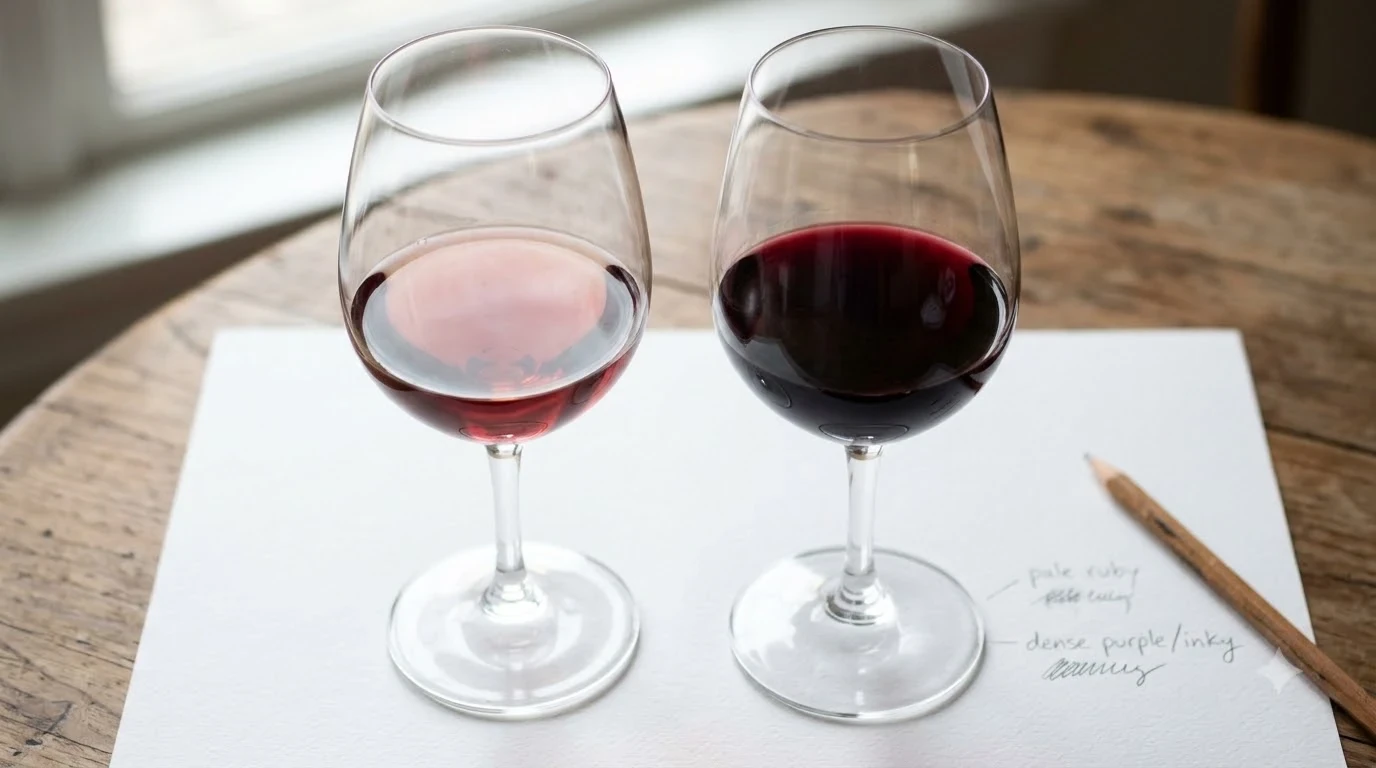
Decanter describes these still wines as generally light-bodied, with pale color, bright acidity, light fruitiness, and possible smoky undertones. They offer a different way to discover the variety without relying on Champagne’s traditional blending approach.
These wines are useful examples of why grape varieties should not be defined exclusively by their most famous regional expression. Meunier has a long association with sparkling wine, but its qualities can also work in still-wine production.
How to Use the Name When Ordering Wine
Knowing the pronunciation is most useful when you can put it into a natural sentence. You do not need a complicated French accent or a long explanation of the grape’s history. A clear pronunciation and a little knowledge of its role in Champagne are enough for most restaurant and wine-shop conversations.
For example, you might ask, “Do you have a Champagne with a higher proportion of Pinot Meunier?” This question tells the server that you are interested in a particular grape’s contribution to the blend. Alternatively, you could ask whether a bottle is made entirely from Meunier or combines it with Pinot Noir and Chardonnay.
Useful Wine-Shop Phrases
Try practicing these sentences aloud:
- “I’m interested in trying a Pinot Meunier Champagne.”
- “Does this bottle contain Pinot Meunier?”
- “Is this a 100% Meunier Champagne?”
- “Can you recommend a Champagne from the Marne Valley?”
- “How does the Meunier character compare with Pinot Noir?”
These phrases are practical because they connect the pronunciation with genuine questions about the wine. They also help distinguish between asking for a grape variety and asking for a specific regional wine style.
What to Look for on the Label
Champagne labels do not always make the grape composition immediately obvious. Many bottles identify the producer, cuvée, vintage status, and sweetness category without listing the exact percentages of each grape variety.
Look for terms such as Meunier, Pinot Meunier, blanc de noirs, or a producer’s description of the blend. A blanc de noirs is not automatically a 100% Meunier wine because Pinot Noir can also be used to make this style. If the grape composition matters to your choice, look for a producer’s technical description.
For a broader introduction to choosing wines, our Wine by Type resource provides context on the differences between grape varieties and wine styles. You can also explore what Pinot Meunier is to learn more about its origins, growing characteristics, and role in wine production.
Simple Ways to Remember and Practice the Pronunciation
The best way to remember Pinot Meunier is to connect its pronunciation with familiar words and repeat the complete name in realistic situations. Instead of memorizing a complicated phonetic transcription, concentrate on the four spoken syllables and the soft final sound.
Use a Three-Step Practice Routine
Start by saying Pinot five times. Remember that the final t is silent. Next, repeat Meunier five times, concentrating on the transition between the soft opening vowel and the nyay ending. Finally, combine the words and say “pee-noh muh-NYAY” several times without stopping between them.
It can also help to listen to native French recordings. Pronunciation resources such as Forvo provide recordings from French speakers, allowing you to compare your own pronunciation with natural speech. Listen for the vowel in Meunier and the way the final syllable connects with the preceding sound.
Practice With Other Pinot Varieties
Learning related wine names can reinforce the same pronunciation pattern. Pinot Noir, Pinot Blanc, and Pinot Gris all begin with the same two-syllable word. Once you are comfortable with Pinot, you can focus your attention on the second part of each grape name.
Try this short sequence:
- Pinot Noir: pee-noh nwahr.
- Pinot Blanc: pee-noh blahn.
- Pinot Gris: pee-noh gree.
- Pinot Meunier: pee-noh muh-NYAY.
Each name has a different ending, but the shared Pinot pronunciation makes the group easier to learn. Practicing the four varieties together also provides a useful introduction to the terminology commonly found on wine lists.
Another useful exercise is to read a wine list aloud before visiting a restaurant. Find one bottle that mentions Meunier and practice asking about its grape composition. Repeating the name in a complete sentence makes it easier to recall than simply memorizing the sounds in isolation.
Remember that communication is more important than achieving a perfect accent. Wine professionals are familiar with the different pronunciation habits of international customers. Saying “pee-noh muh-NYAY” clearly will make your meaning understandable, even if your French vowels are not identical to those of a native speaker.
Frequently Asked Questions
Is Pinot Meunier pronounced differently in American and British English?
English-language pronunciation guides sometimes use different spellings to approximate the French sounds. American and British speakers may also differ in vowel quality and rhythm. The underlying French name remains the same, and “pee-noh muh-NYAY” is a useful approximation for both audiences.
Can Pinot Meunier appear under another grape name?
Yes. The variety is also known as Schwarzriesling, particularly in Germany, and can appear under other regional synonyms. These names refer to the same grape variety rather than different members of the Pinot family.
Is Pinot Meunier permitted in rosé Champagne?
Yes. Pinot Meunier is among the three principal varieties used for Champagne rosé. Producers can obtain rosé color through skin maceration or by blending still red Champagne wine with white base wine before the second fermentation.
Does Pinot Meunier grow only in France?
No. Beyond France, the variety is cultivated in Germany, California, and New Zealand, among other locations. Its international presence means that a wine labeled Pinot Meunier does not necessarily come from Champagne or even from France.
Can a bottle of Pinot Meunier Champagne be called a blanc de blancs?
No. Blanc de blancs refers to Champagne made exclusively from white grape varieties, principally Chardonnay. Because Pinot Meunier has dark skins, a white Champagne made entirely from this grape is classified as blanc de noirs instead.
Pinot Meunier is pronounced approximately “pee-noh muh-NYAY,” and its unfamiliar spelling becomes much easier once you divide it into four spoken syllables. Remember that it is one of Champagne’s three principal grapes, contributing fruitiness and roundness alongside Pinot Noir and Chardonnay. Practice the name a few times, and you will be ready to recognize it, discuss it, and order it confidently.
More in Wine Types & Grapes
 What Does Mourvèdre Taste Like? Flavor Profile, Regions, and PairingsUpdated Nov 20, 2026
 What Does Marsanne Taste Like? Flavors, Styles, and Food PairingsUpdated Nov 20, 2026
 What Does Malvasia Taste Like? Styles, Flavors, and Food PairingsUpdated Nov 20, 2026
 What Does Grenache Blanc Taste Like? Flavor Profile, Styles, and PairingsUpdated Nov 20, 2026
 What Does Garnacha Taste Like? Key Flavors, Styles, and Pairing TipsUpdated Nov 20, 2026
 What Does Fruit Wine Taste Like? A Complete Flavor and Style BreakdownUpdated Nov 20, 2026