

We may earn a commission when you buy through links on this page, at no extra cost to you. Learn more.
How long does wine last in the fridge? Opened wine keeps best cold, but the answer depends on the style, the cork or cap, and how much air is left in the bottle. Fridge storage slows the changes that make wine taste flat, and it is the right habit for most opened bottles of white, rosé, and sparkling wine. Unopened bottles are a different question, because a fridge can dry out corks and is not the best place to keep wine for the long term.
Many people put a half-finished bottle in the refrigerator and then wonder whether it is still good the next day or the next week. This guide explains how cold storage affects opened and unopened wine, which styles hold up best in the fridge, and what to check before you pour.
What the fridge does for an opened bottle
Wine changes slowly at room temperature. Oxygen that gets in through the cork or the top of the bottle reacts with the wine’s compounds, and warmth speeds that reaction up. Fruit flavors fade, the wine can turn dull or sharp, and aromas that were fresh begin to smell flat or stale. Cold slows all of these changes, which is why a fridge is a useful place for an opened bottle.
The fridge does not stop oxidation, though. Air is still present in the bottle, and the cold cannot undo changes that have already happened. For that reason, the cold helps most when it is combined with a tight seal and the least possible time with air in the bottle. A bottle that has been open for a long time will not recover once it has faded, even if it goes back into the cold.
Temperature stability matters as much as the cold itself. A fridge that cycles on and off keeps the wine at a changing temperature, and each warm-up lets the wine breathe a little more. The door shelf is the warmest part of most refrigerators, because it opens every time someone reaches for the milk, so the back of a middle shelf is often the better spot for an opened bottle. A steady cold spot protects the wine more than a bottle pushed to the very back of a crowded shelf where it is forgotten.
Think of the fridge as a pause button rather than a rewind. It holds the wine where it is, and it works best when the bottle goes in soon after you open it. Leaving a bottle on the counter for an hour after dinner and then chilling it overnight gives the air time to do its work first.
How opened wine holds up by style
Not every wine handles the fridge the same way. Light, fresh wines with high acidity tend to keep their character well when chilled. Full-bodied reds are more sensitive, because the tannin and fruit balance can shift as the wine sits, and they also taste better at a moderate temperature than at fridge cold. Sparkling wine loses its fizz quickly once opened, so it needs a sealed stopper and a cold environment to keep even a little life.
The table below gives a general guide to what to expect. It describes common patterns rather than fixed deadlines, and the actual result depends on the bottle, the producer, and how much wine is left in it.
| Wine style | How it does in the fridge | Tip |
|---|---|---|
| Light white (Sauvignon Blanc, Pinot Grigio) | Holds its fresh character well when chilled | Re-cork tightly and keep it upright |
| Rosé | Usually fresh and fruity for a while in the cold | Serve it chilled, and taste before pouring a second glass |
| Full-bodied red (Cabernet, Syrah) | Fades and can taste flat faster than whites | Use a stopper, and let the wine warm briefly before serving |
| Sparkling wine | Loses fizz quickly once opened | Use a proper sparkling stopper and drink it soon |
Storing unopened bottles in the fridge
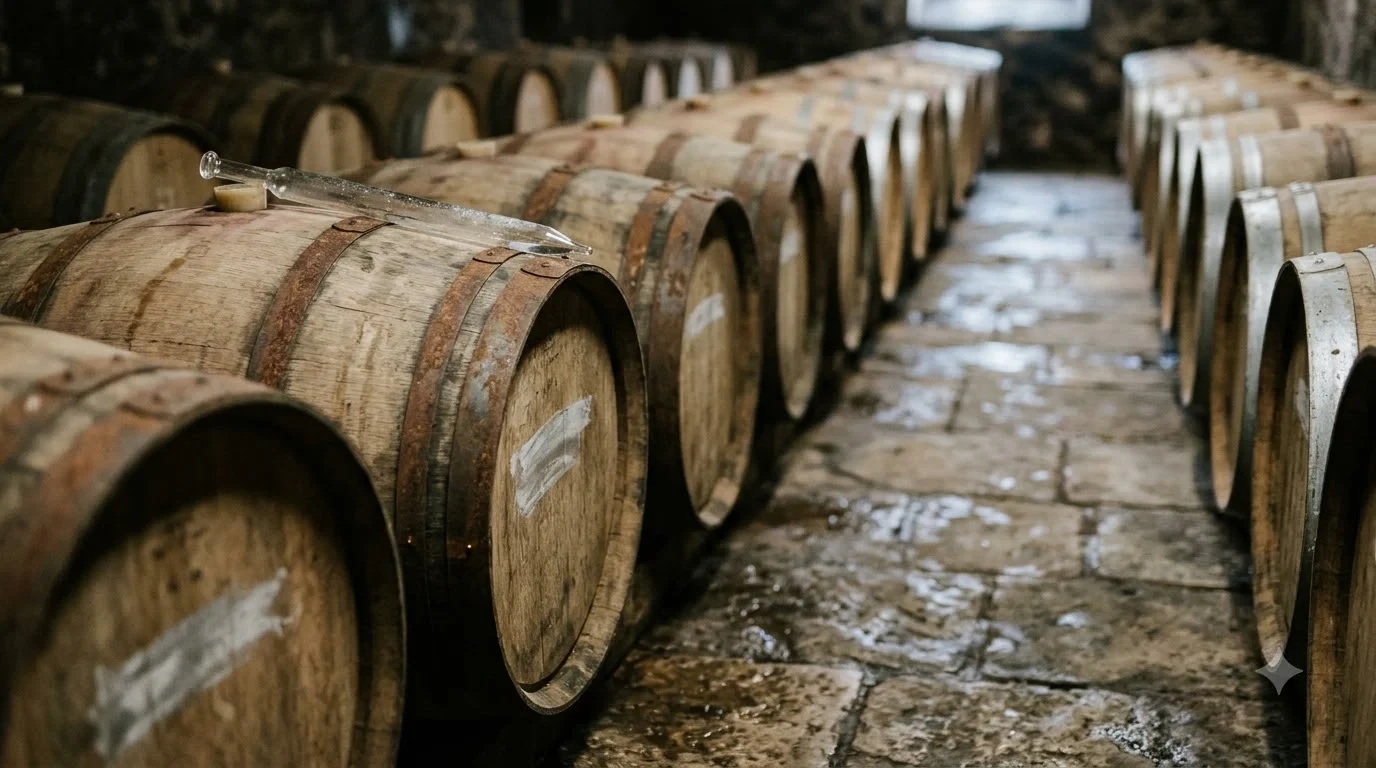
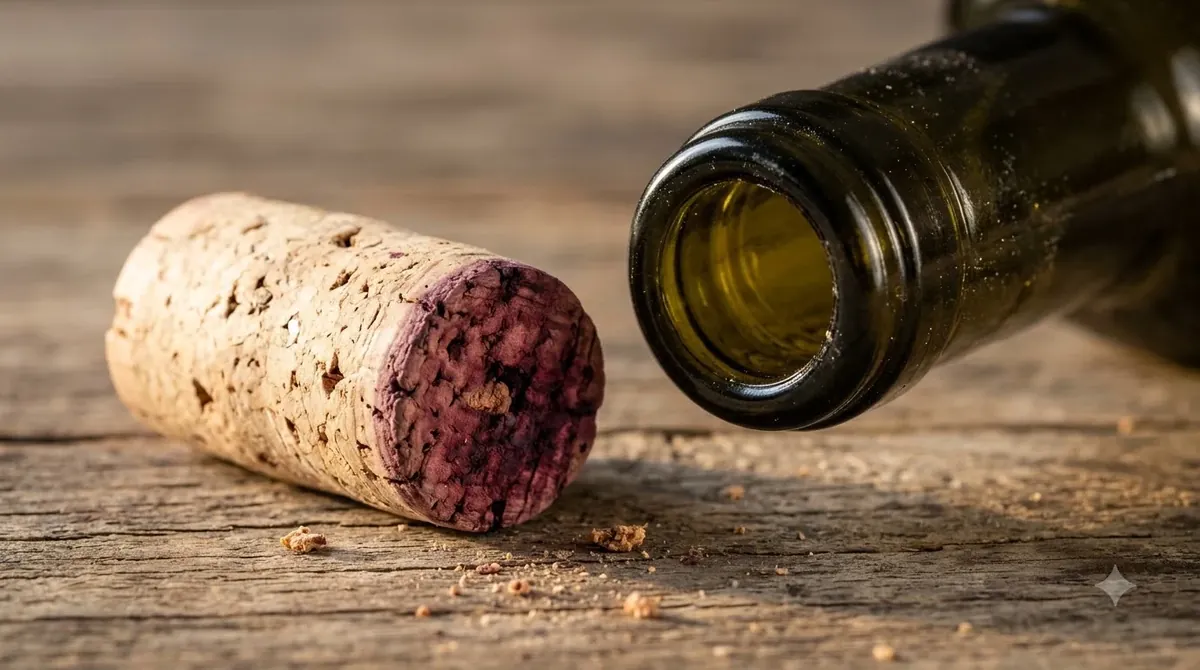
A fridge is not the best home for an unopened bottle that you plan to keep for a long time. Cold, dry air can dry out a cork and let in oxygen over the months, and a wine expert quoted in the overview of wine storage advises against keeping bottles in a refrigerator for long-term storage for exactly this reason. Champagne is the notable exception among well-known sparkling wines, since producers describe it as keeping well for several years when stored on its side in a cool, dark, draft-free place.
For everyday bottles meant to be drunk within a short time, the fridge is less of a concern. If you are chilling a bottle of white or sparkling wine before a dinner, a few hours in the fridge is fine. A bottle that you plan to keep for months should go in a cool cupboard or a wine fridge set for storage, not the kitchen fridge where the temperature moves each time the door opens.
How to store an opened bottle
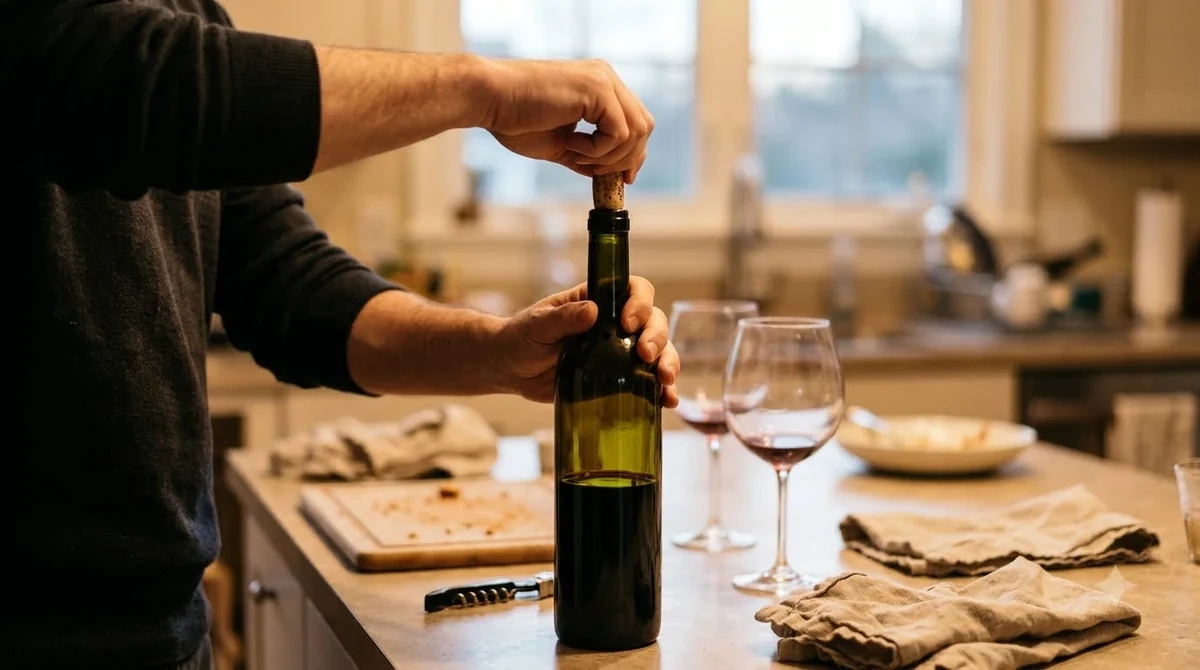
Start with the stopper. A wine stopper that fits the neck well slows the air that reaches the wine, and it helps more than most people expect. Store the bottle upright in the fridge door or on a shelf, away from strong smells, because wine can pick up odors from food. Keep the bottle out of the light, since bright light can bring out stale notes over time.
Think about how much wine is left. A bottle that is half full has more air above the wine than one that is nearly empty, so moving the leftover wine into a smaller bottle can help. Some people also use vacuum pumps that remove air from the bottle. These devices can slow changes a little, but they do not turn an old bottle back into a fresh one.
When you pour, taste before you serve. Fresh fruit and a clean finish are good signs, while a dull, sour, or vinegary note means the wine has changed. Trust your nose too, because a wine that smells wrong is usually past its best even if the taste is not yet clearly off.
Frequently Asked Questions
Can I put an opened bottle of wine in the fridge?
Yes. Cold slows the changes that happen once air reaches the wine, so the fridge is a good place for an opened bottle. Re-cork or stopper it tightly and keep it upright.
Does red wine need to go in the fridge after opening?
Red wine can be stored in the fridge to slow its decline, but it should be taken out a little before serving so it does not taste sharp or muted from the cold. Full-bodied reds are the most sensitive to heat and air.
Should I keep unopened wine in the fridge?
For short periods, yes. For months or years, a cool, dark cupboard or a wine fridge set for storage is a better choice, because a regular fridge is cold and dry, which can affect corks over time.
How can I tell if opened wine has gone bad?
Look for dull color, flat fruit, a sour or vinegary smell, and a taste that seems sharp or stale. Sparkling wine that has lost its fizz is past the point where it will taste as intended.
A fridge is a practical tool for wine, not a perfect one. Cold slows the clock on an opened bottle, and it keeps lighter styles fresh for longer than the room would. For boxed wine, which behaves differently because its bag collapses as you pour, read the guide on how long boxed wine lasts. If you are curious about the basics of storage and serving, the wine basics Q&A has more practical answers.
More in Wine Basics
 Which Rose Is Best for Your Taste, Budget, and Food PairingsUpdated Nov 21, 2026
 Is Cheap Wine Bad? How to Find Bottles Worth DrinkingUpdated Nov 21, 2026
 What To Write On A Wine Gift Tag: Thoughtful Messages For Every OccasionUpdated Nov 21, 2026
 Which Wine Is Best For Weight Loss? Compare Lower-Calorie ChoicesUpdated Nov 21, 2026
 What Is The Best Wine For Mimosas? Choose Bubbly That Balances Orange JuiceUpdated Nov 20, 2026
 Which Prosecco Is Best for Your Taste and OccasionUpdated Nov 20, 2026