


We may earn a commission when you buy through links on this page, at no extra cost to you. Learn more.
The erbaluce grape is a white wine grape native to northern Piedmont, Italy, best known around Caluso for crisp dry wines, traditional-method sparkling wines, and sweet passito. Its naturally high acidity gives the dry wines freshness and gives the sweet and sparkling styles a firm backbone. The grape is closely linked to the Erbaluce di Caluso DOCG, a denomination whose rules recognize more than one style.
Erbaluce is a useful discovery for drinkers who enjoy white wines with clear freshness, restrained fruit, and a sense of place. A bottle may be still and dry, sparkling and lees-aged, or sweet from dried grapes, so the style name matters as much as the grape name. The regional profile from Piemonte’s official wine agriculture site is a helpful starting point for understanding the appellation and its permitted expressions.
Where Erbaluce Comes From in Piedmont
Erbaluce’s best-known identity is tied to Canavese, especially the hills around Caluso northeast of Turin. The Erbaluce di Caluso DOCG zone covers 36 municipalities across three provinces, and the denomination received DOCG recognition in 2010.
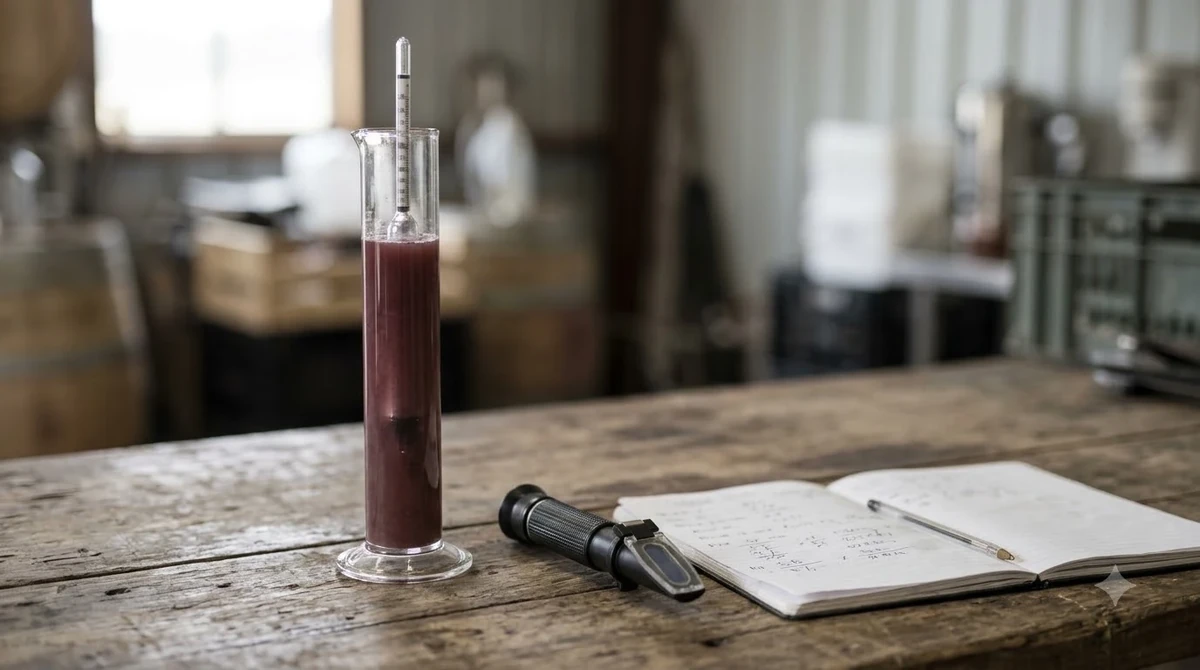
According to Regione Piemonte, the growing zone includes 32 municipalities in the Province of Turin, one in the Province of Vercelli, and three in the Province of Biella. That geography is more useful than treating Erbaluce as a general Piedmont wine: the name points to a specific northern corner of the region, around the town of Caluso and across the Serra d’Ivrea. The terrain is a patchwork of hills rather than one uniform valley, so vineyards can differ in exposure, elevation, and soil even within the denomination.
The grape is the sole variety in Erbaluce di Caluso DOCG. The regional specification describes the wine as straw-yellow, dry, fresh, and distinct, with a minimum total alcohol level of 11% by volume and minimum total acidity of 5.0 grams per liter for the standard wine. Those figures help explain why the appellation is associated with a brisk, food-friendly white rather than a soft, low-acid style.
Caluso is the central reference point, but nearby communities also contribute to the wider Canavese identity. The official regional producer directory lists growers and wineries in places such as Piverone, Candia Canavese, Mazzè, Agliè, and San Giorgio Canavese. This spread shows that Erbaluce is a local grape with a defined home, not a single-estate specialty.
Vineyard Conditions and the Grape’s Local Character
Erbaluce grows most characteristically in the glacial-origin hills of northern Piedmont, where nearby lakes and mountain air help shape the local microclimate. Its concentration around Caluso is matched by a growing interest in the variety among producers looking for distinctive regional white wines.
The hills around Caluso are shaped by glacial deposits, and Wine Enthusiast describes the area as having a mild microclimate influenced by lakes and steady breezes from the mountains of nearby Valle d’Aosta. These conditions give useful context to the grape’s freshness: the wines are not defined by tropical ripeness, but by a line of acidity that carries citrus, floral, and mineral impressions. The wider Canavese setting also connects Erbaluce with a landscape of vineyards, lakes, and foothills rather than the warmer, more famous red-wine districts farther south in Piedmont.
Erbaluce’s planted area around Caluso has expanded. Decanter reports that it reached 373 hectares after growing by 65% over a period of about 15 years. That is still a modest footprint compared with Piedmont’s best-known varieties, but it shows that growers have been putting more attention into the grape instead of allowing it to remain a niche local planting. For context on how indigenous white grapes are gaining ground across the region, Decanter’s report on Piedmont’s changing white-wine landscape places Erbaluce alongside varieties such as Arneis, Timorasso, and Nascetta.
Flavor, Aroma, and Structure in the Glass
Dry Erbaluce is usually crisp and linear, with white flowers, citrus, green apple, and a subtle almond or mineral finish. Its acidity is one of its defining traits, while its aromas tend to be measured rather than overpowering.
Wine Enthusiast describes dry Erbaluce di Caluso with notes of white spring flowers, citrus, almond, and mineral character. Decanter identifies crisp green apple, lemon, and floral aromas as recurring features, too. In practical terms, expect a wine that feels fresh and focused: lemon or green apple may lead, white blossom can appear above the fruit, and a faint almond-like or stony note may linger after the sip. Individual bottles can lean more floral, citrus-driven, or savory depending on the producer and vintage.
The palate is generally dry, with acidity that gives the wine shape and keeps it from feeling heavy. That does not mean every Erbaluce is thin or austere. Lees aging can add texture and a broader middle without removing the fresh finish. Azienda Agricola Renato Bianco, for example, describes picking its grapes in small, shallow boxes, gently pressing them, fermenting at controlled temperature in stainless steel, and aging the wine for several months on its yeast. Those choices can add aromatic detail and a rounded texture while preserving the grape’s brisk profile.
Some quality examples develop more complexity with time in bottle. Wine Enthusiast notes that floral, citrus, almond, and mineral sensations in dry Erbaluce can develop more fully after three or four years. That is a useful point of distinction: a straightforward bottle may be enjoyable young, while a more concentrated wine from a producer with a careful cellar approach may reward a few years of patience. The grape’s acidity helps keep the wine lively as secondary aromas emerge.
Still, Sparkling, and Passito Styles
Erbaluce is made in three broad styles: dry still wine, traditional-method sparkling wine, and sweet passito from dried grapes. The Erbaluce di Caluso rules also distinguish Passito Riserva, so the appellation recognizes four named types when the reserve category is counted separately. This is one example of how wine by type helps clarify what a label promises.
The dry still wine is the most direct introduction to the grape. It is generally straw-yellow, dry, and fresh, with the regional specification setting a minimum alcohol level of 11% and minimum total acidity of 5.0 grams per liter. The minimum non-reducing extract is 17.0 grams per liter, another regulatory figure that describes the wine’s composition rather than a flavor that a drinker can identify on its own. In the glass, this style works as an aperitif with food or alongside a meal where citrusy freshness is welcome.
Erbaluce di Caluso Spumante is made only by the traditional or classic method. That means the second fermentation that creates the bubbles takes place in the bottle, rather than in a pressurized tank. The method can bring a finer mousse and lees-derived notes, while the grape’s high acidity keeps the sparkling wine lively. It can suit an aperitif, seafood, or a celebratory meal where a crisp sparkling wine is preferred over a softer, fruitier style.
Passito begins with grapes that are left to wither and concentrate before fermentation. Regione Piemonte states that the withering period lasts from February 1 of the year after harvest; the extended drying reduces the fruit’s water content and concentrates the remaining sugars and flavor. The resulting wine is sweet, but its acidity gives it definition rather than letting the sweetness feel flat. The reserve Passito is a separate named category within the appellation, not simply another name for the dry wine.
| Style or measure | Figure or method | What it means |
|---|---|---|
| Dry Erbaluce di Caluso | 100% Erbaluce | The appellation wine is made from the named grape alone. |
| Standard wine minimum alcohol | 11.0% ABV | The minimum total alcoholic strength set in the regional specification. |
| Minimum total acidity | 5.0 g/L | A legal compositional floor that supports the wine’s fresh profile. |
| Minimum non-reducing extract | 17.0 g/L | A further analytical requirement for the standard wine. |
| Passito withering | From February 1 after harvest | The grapes are dried to concentrate sugar and flavor. |
| Dry wine serving range | 8–10°C (46–50°F) | A cool serving temperature that preserves freshness. |
Food Pairings for Erbaluce’s Fresh Acidity
Dry Erbaluce is especially good with fish, rice dishes, light appetizers, and preparations that benefit from a bright, clean finish. Passito is better suited to dessert, especially dry pastries and Piedmont hazelnut cake.
For a dry bottle, start with seafood, freshwater fish, shellfish, herb omelets, or a simple risotto. Regione Piemonte specifically lists appetizers, fish dishes, and rice dishes as natural matches, while local producer Renato Bianco also recommends soups, broths, egg dishes, herb omelets, and risotto. The wine’s acidity refreshes the palate between bites, making it useful with dishes that have butter, olive oil, or a creamy component but are not so rich that they bury the wine.
Acidity also matters when a dish contains lemon, tomato, vinegar, or another sharp ingredient. A wine with equal or higher acidity is usually the safer match, so Erbaluce can work with a citrus squeeze on grilled fish or a lightly acidic dressing. Salt and fat soften tannin in red wines, but Erbaluce is a white wine with no meaningful red-wine tannin to manage; focus instead on matching its freshness to the dish’s acidity and weight. Avoid overwhelming a delicate bottle with heavy chili heat, which can make alcohol and spice sensations seem stronger.
Passito calls for a different pairing strategy. The wine should be at least as sweet as the dessert, so it can stand beside dry pastry, almond cookies, Piedmont hazelnut cake, or a cheese course. Regione Piemonte also lists marbled cheeses as an interesting match. A small pour alongside a not-too-sweet hazelnut dessert makes the dried apricot and honeyed almond notes feel integrated rather than cloying. For a regional contrast, readers may also explore the Brachetto grape, another Piedmont variety used for aromatic wines, though its red-fruit profile offers a different direction from Erbaluce’s white-grape freshness.
How to Serve, Store, and Choose a Bottle
Serve dry Erbaluce cool, around 46–50°F, and give it a brief moment in the glass to open. A straightforward dry bottle is often enjoyable young, while more concentrated examples can gain complexity over three or four years.
The protected-area profile recommends serving Erbaluce di Caluso at 8–10°C, which is approximately 46–50°F. That temperature keeps the acidity vivid without muting the wine’s floral and citrus aromas. A standard white-wine glass is suitable; avoid serving it so cold that the aromatics disappear. For the sparkling style, use a temperature in the sparkling-wine range of 40–50°F, and pour gently to preserve the bubbles. Passito can be served cool, around 43–50°F, in a smaller dessert-wine pour.
When choosing a bottle, first decide which style you want, then look for the producer and the exact appellation wording. Erbaluce di Caluso identifies the DOCG wine from the defined zone, while a bottle simply described as Erbaluce may have a different local or regional designation. For dry wine, a fresh young bottle is a sensible choice for casual drinking; look for a producer’s more structured or lees-aged bottling if you want additional texture. The winery’s notes can clarify whether the wine was fermented in stainless steel, aged on lees, or matured further in bottle. For contrast, the airen grape is chiefly associated with Spain, not northern Piedmont.
Tip: Read the style description before choosing a food match. “Spumante” means sparkling, while “Passito” signals a sweet wine made from dried grapes; the same Erbaluce name can therefore lead to very different pairings.
Store an unopened bottle on its side in a cool, dark place near 55°F if it has a natural cork. Once opened, reseal the bottle and keep it in the refrigerator; most still whites stay in good shape for about three to five days. If the wine has been open for a day or two, use it with a weeknight fish dish or risotto rather than saving it for a special occasion. Sparkling bottles are best finished sooner, usually within one to three days with a suitable closure.
Frequently Asked Questions
What is the possible origin of the name Erbaluce?
A local producer’s historical notes connect the name to a dialect form of “Albaluce” and to the Latin words “alba lux” or “albalux.” The same account treats that derivation as a historical explanation rather than a definitively proven etymology.
How far back is Erbaluce documented in writing?
Renato Bianco’s account cites a reference in a book associated with Duke Carlo Emanuele I of Savoy in 1606. It also points to later references in studies by the Agrarian Society of Turin in 1799 and by Gatta in 1833.
Were Erbaluce grapes ever eaten fresh?
Yes. The 1606 description cited by the Caluso producer notes that the grapes were good to eat and could be kept for that purpose, in addition to being used for wine. It describes dense, plentiful bunches with tough skins and a rosy-pink tone at maturity.
Which local producers are listed in the Caluso area?
The protected-area producer directory includes Cantina Sociale della Serra in Piverone, Azienda Vitivinicola Orsolani in San Giorgio Canavese, and Azienda Vitivinicola Renato Bianco in Caluso. The same directory also lists growers in Candia Canavese, Mazzè, Agliè, and other nearby communities.
Can the appellation name appear without the word Erbaluce?
Regional product information also refers to Erbaluce di Caluso as “Caluso.” That shorter name is a local appellation reference, not a different grape variety.
Erbaluce offers a clear taste of northern Piedmont through its fresh dry whites, bottle-fermented sparkling wines, and concentrated passito. Start with a dry Erbaluce di Caluso to understand its acidity, then explore Spumante or Passito to see how the same grape changes with the method. Its range makes it a rewarding choice for drinkers who want a distinctive Italian white beyond the region’s better-known reds.
More in Wine Types & Grapes
 Zinfandel Sugar Content: Dry Red vs. White Zinfandel GramsUpdated Nov 21, 2026
 Best Zinfandel Substitute Options for Sipping and CookingUpdated Nov 21, 2026
 Zweigelt Food Pairing: Best Dishes, Cheeses, and Serving TipsUpdated Nov 21, 2026
 Zinfandel Tannins Explained: How Structure Shapes Every BottleUpdated Nov 21, 2026
 Zinfandel Sweetness Level: Dry Red vs. Sweet White Zin ExplainedUpdated Nov 21, 2026
 Xinomavro Food Pairing: Best Dishes, Styles, and Serving TipsUpdated Nov 21, 2026