

We may earn a commission when you buy through links on this page, at no extra cost to you. Learn more.
Blaufrankisch food pairing works best with grilled or roasted meats, savory sausages, mushrooms, and aged cheeses because the wine’s bright acidity cuts richness while its firm, fine tannins meet protein and fat. The Austrian red grape brings dark cherry, plum, berry, and pepper notes, with enough freshness to balance dishes that might overwhelm softer reds. Choose lighter preparations for fresher bottles and richer, slower-cooked food for concentrated examples.
Blaufränkisch is grown most famously in Austria’s Burgenland, although the same grape appears as Lemberger in Germany and Kékfrankos in Hungary. Its range runs from juicy, medium-bodied reds to structured wines with savory depth, so the best match depends on the bottle as well as the recipe. Start with roast meat or grilled sausages, then use the wine’s acidity, tannin, and weight to fine-tune the rest of the plate.
Why Blaufränkisch Works So Well With Savory Food
Blaufränkisch has the freshness to refresh the palate between bites and enough structure to stand beside richly flavored food. Expect dark forest berries, cherry or plum, peppery spice, and distinct acidity; tannins can feel firm in youth but become more supple as the wine ripens or ages. Austrian Wine’s grape-variety overview describes the same combination of freshness, structure, and dark-berry character.
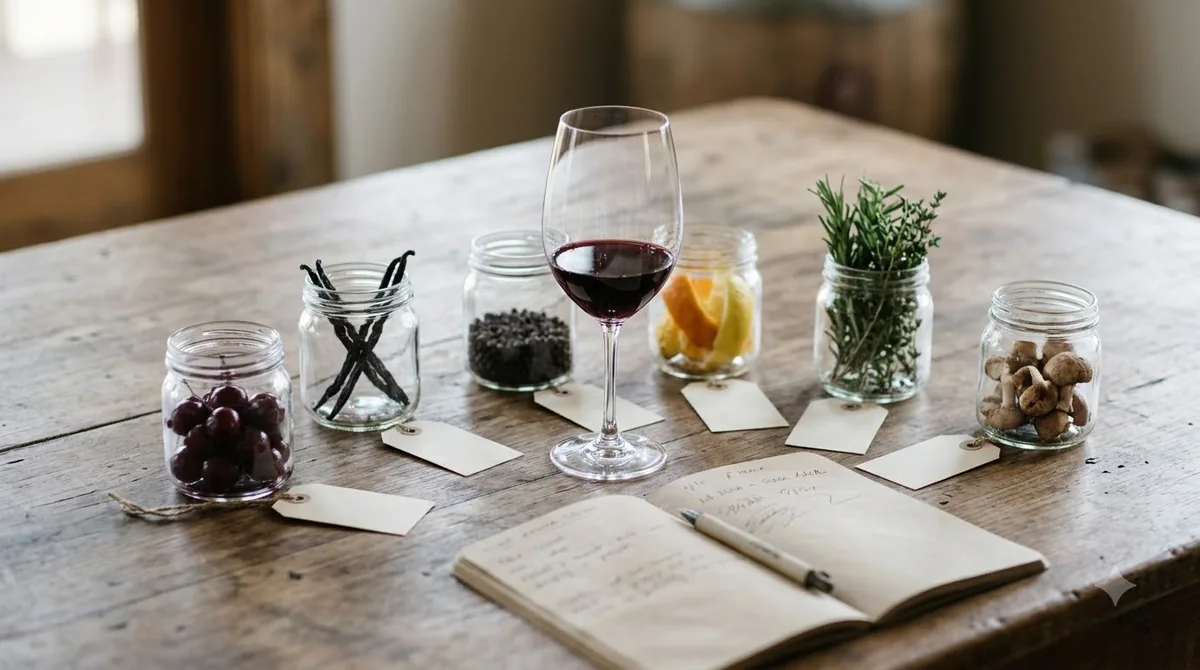
That combination gives the wine more range than a simple, soft red. Acidity helps it keep pace with fatty cuts, browned meat, and savory sauces, while its tannins respond well to protein and fat. Salt also makes tannin seem less drying, which is one reason a well-seasoned steak or a slice of cured ham can feel more harmonious with Blaufränkisch than an unsalted, lean dish. The wine’s fruit and pepper notes add another layer to grilled edges, herbs, and smoky flavors.
Think of Blaufränkisch as a partner for savory dishes rather than a wine that needs a heavy meal every time. A medium-bodied bottle can work with roast chicken, lentils, or a mushroom tart; a concentrated, oak-influenced example is better suited to beef short ribs or venison. The central rule is to keep the intensity in balance: delicate food can be overwhelmed by a powerful red, while a richly sauced dish may flatten a lighter bottling.
Grilled and Roasted Beef, Lamb, and Game
Grilled beef, roast lamb, venison, and other game are dependable matches for structured Blaufränkisch. Browning, savory juices, and a little fat give the wine enough flavor and texture to work against, while its acidity keeps the pairing from feeling heavy.
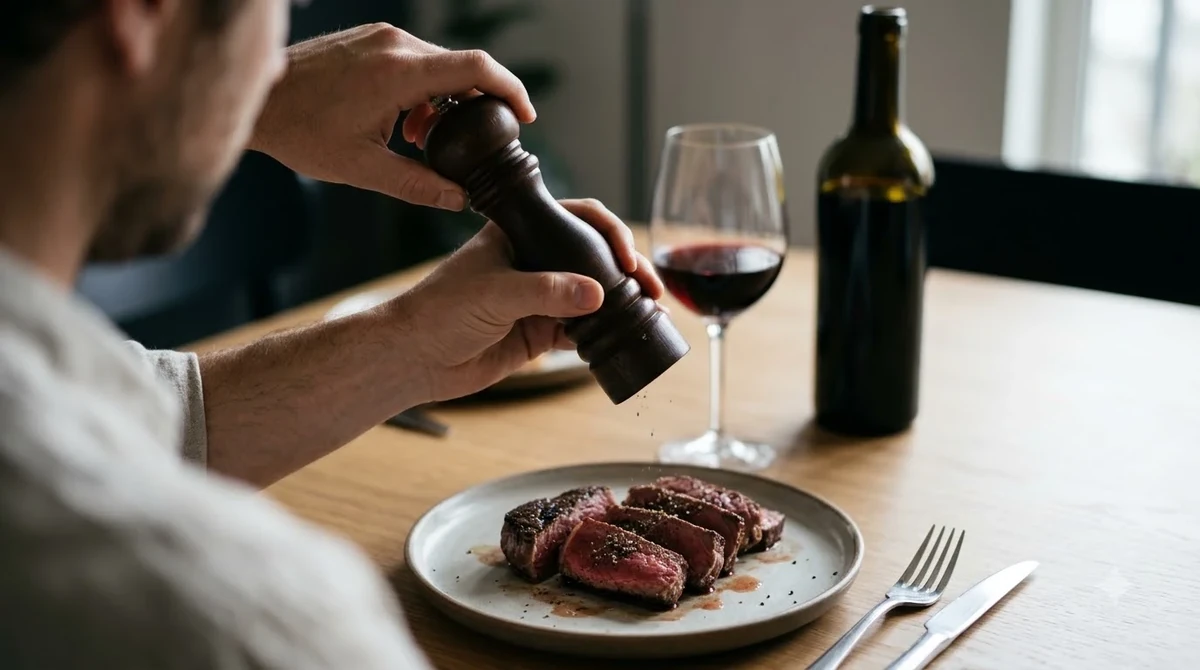
For a straightforward dinner, serve grilled flank steak or sirloin with rosemary, black pepper, and roasted potatoes. A leaner cut benefits from a little olive oil or a pan sauce rather than an aggressively sweet glaze. Salt the meat properly, allow the surface to brown, and keep any sauce savory; those details help soften the perception of tannin without covering the wine’s cherry and pepper character. A rib-eye or grilled strip steak can stand up to a fuller Mittelburgenland or Eisenberg bottling, while a simpler roast beef sandwich is better with a fresher, less extracted style.
Lamb is especially flexible. Roast a leg with garlic, thyme, and rosemary, or grill lamb chops and serve them with white beans or charred vegetables. The wine’s acidity balances the lamb’s richness, and its dark fruit works naturally with herbs and browned edges. For game, try venison loin with a restrained juniper sauce, slow-cooked venison shoulder, or wild boar with root vegetables. Decanter’s food-pairing advice also points to well-aged beef, venison, and wild boar as strong partners, particularly for mature bottles that call for simple roast meat rather than heavily spiced casseroles.
Keep the sauce in proportion to the wine. A pan reduction made with stock, mushrooms, and a small splash of wine is usually more suitable than a very sweet berry sauce. If you use fruit, choose tart cherries or plums and keep the sugar low; Blaufränkisch has ripe fruit aromas, but a dry red will taste sharper beside a sweet glaze.
Pork, Duck, Sausages, and Charcuterie
Pork and duck bring both savory flavor and enough fat to soften Blaufränkisch’s tannins. Sausages, salami, and smoked ham are useful choices for a casual meal, especially when the bottle is fresh, bright, and not heavily oaked.
Roast pork loin with fennel seed, garlic, and crisp potatoes is a good match for a medium-bodied bottle. Pork shoulder, pork belly, or slow-roasted Mangalitsa-style pork can handle a wine with more concentration because the fat adds a softening effect to the tannin. For duck, choose roast breast with a savory pan sauce or a whole roast duck with red cabbage. The cabbage’s sweetness should stay moderate; a sharp, vinegar-heavy preparation can make the wine seem less generous because acidic food needs a wine with equal or higher acidity.
For a grill or picnic, pair Blaufränkisch with bratwurst, smoked sausage, cevap-style minced-meat kebabs, or grilled pork skewers. Add mustard, onions, pickles, and crusty bread, but go easy on very sweet barbecue sauce. A lighter Austrian-style bottle can also accompany salami and smoked ham without making the food taste small. For a broader comparison of savory red-wine matches, the site’s Carignan food pairing ideas offer another route for grilled meat, herbs, and rustic dishes.
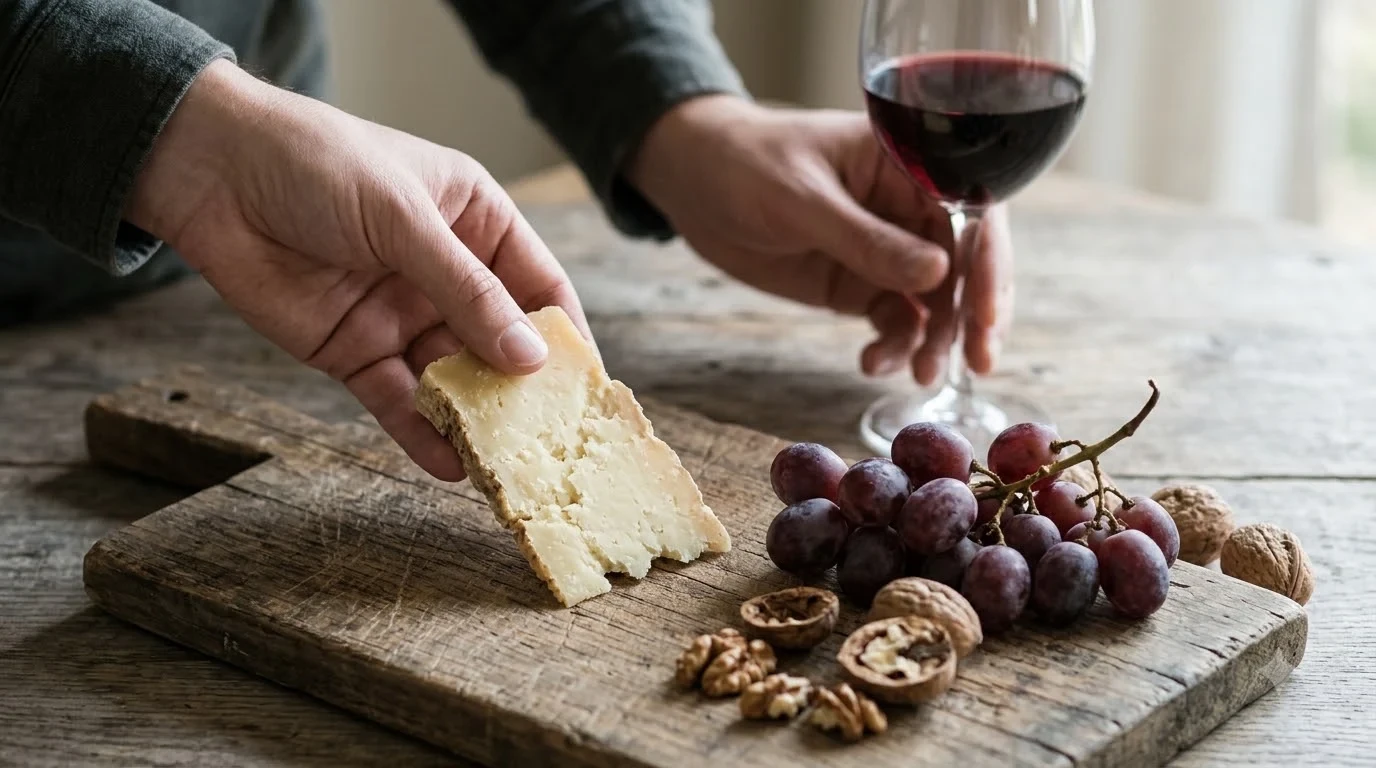
Build a charcuterie board around the wine rather than filling it with every possible flavor. Choose two or three cured meats, a firm cheese, roasted nuts, olives, and bread. Avoid loading the board with intensely hot chili salami or sweet fruit preserves: strong chili heat can make alcohol and tannin feel more aggressive, while a sweet topping can make a dry red seem austere.
Goulash, Paprika, and Other Spiced Dishes
Blaufränkisch has a natural affinity for Central European dishes seasoned with paprika, black pepper, caraway, and marjoram. Its cherry-and-berry fruit can meet the savory spice in goulash, while its acidity helps balance the richness of beef, onions, and slow-cooked sauce.
For beef goulash, cook onions until soft and sweet, add paprika without scorching it, then simmer the beef until tender. The result should be deeply savory rather than sugary or sharply hot. A fuller Blaufränkisch, especially one with earthy notes or some oak, can match the stew’s concentration. The same approach works with beef short ribs, braised ox cheek, or a paprika-scented pork stew. Decanter notes that the more structured, earthy, oak-influenced Kékfrankos style can work with classic goulash, while lighter examples are better suited to simpler dishes.
Spice level matters. Moderate paprika, black pepper, cumin, or caraway can complement the wine, but a dish dominated by fresh habanero, cayenne, or very hot chili sauce is a risk. Alcohol and tannin amplify chili heat, so a high-alcohol, firm-tannin red may seem hotter and more bitter beside a fiery dish. If you want heat, keep it in the background and bring balance with browned meat, onions, beans, or a little fat rather than adding more chili.
Tomato-based stews can work when they are rounded and savory, but avoid a sauce that is aggressively acidic. The meal should not taste sharper than the wine. For a milder version, serve goulash with buttered egg noodles, spaetzle, or potatoes; these starches soften the dish and let the wine’s fruit show. A spoonful of sour cream can help cool a paprika-rich sauce, although a very tart garnish may pull the pairing out of balance.
Mushrooms, Vegetables, Beans, and Aged Cheese
Blaufränkisch is not limited to meat. Its earthy, peppery side makes it a natural partner for browned mushrooms, roasted eggplant, lentils, and other savory plant-based dishes, provided the preparation has enough depth to match the wine.
Try grilled portobello caps with thyme and garlic, mushroom barley, lentil stew with smoked paprika, or roasted eggplant with olive oil and herbs. Browning is useful: it adds savory notes that connect with the wine’s dark fruit and spice. A little olive oil, butter, or toasted nuts can provide the richness that helps the tannins feel less firm. White beans with rosemary, charred onions, and roasted root vegetables also work, especially with a lighter or less oaky Blaufränkisch. Avoid building the plate around a very acidic vinaigrette; a dressing with generous lemon or vinegar can make the wine taste flatter and more severe.
For cheese, choose aged cheddar, Manchego, Pecorino, or a firm Alpine-style cheese. Their salt and fat can soften the wine’s tannic grip, while the concentrated, savory flavors meet its fruit and spice. Young, very soft cheeses can make a structured red taste out of balance, and blue cheese is often too assertive unless the wine has enough body and the rest of the plate includes bread or another mellowing element. A cheese board with aged cheese, walnuts, mushrooms, and cured meat can make a full meal with a medium-bodied bottle.
Fish is more difficult. Oily fish such as salmon, mackerel, or sardines can clash with a tannic red, particularly if the wine is concentrated or oak-aged. A lightly chilled, low-tannin Blaufränkisch might work with grilled tuna in some cases, but for most delicate seafood meals a crisp white or sparkling wine is a safer direction. Browse Grenache Blanc food pairing suggestions for a white-wine alternative with vegetables, seafood, and herb-driven dishes.
Choose the Bottle Style and Serve It at the Right Temperature
Blaufränkisch changes with its site, ripeness, and winemaking, so use the wine’s weight as your guide. A fresh, fruit-forward bottle suits sausages, pork, mushrooms, and weeknight grilling; a denser, more structured wine calls for steak, game, and long-braised dishes.
Regional names provide useful clues, though they are not rigid flavor guarantees. Leithaberg includes limestone and schist soils and can produce elegant, mineral-leaning Blaufränkisch. Mittelburgenland, often called Blaufränkischland, has loam, sand, limestone, and slate, with a range of red-wine expressions. Eisenberg in southern Burgenland is associated with slate and iron-rich loam, and its wines can show both structure and freshness. The grape also grows on the dry, sandy loams of Spitzerberg in Carnuntum. These regional contrasts help explain why one Blaufränkisch may feel sleek and savory while another tastes darker and more concentrated.
Serve the wine slightly cool rather than warm. A light, bright example is best around 55–60°F, while a fuller, more structured bottle can be served around 60–65°F. If the room is warm, a short spell in the refrigerator can bring the wine into range; very cold service, however, can mute fruit and make tannin seem more prominent. Use a medium or large red-wine glass to give the aromas room, and pour about 5 ounces. A 750 ml bottle provides roughly five standard glasses.
| Blaufränkisch style | Serving temperature | Good food matches | Preparation cue |
|---|---|---|---|
| Fresh, lighter, fruit-forward | 55–60°F | Grilled sausages, salami, roast chicken, lentils | Keep sauces savory and seasoning moderate |
| Medium-bodied, balanced | 55–60°F | Pork loin, duck, mushrooms, aged cheddar | Use herbs, browned edges, and a little fat |
| Fuller, structured, or oak-influenced | 60–65°F | Steak, lamb, venison, goulash, short ribs | Choose slow cooking, roasting, or grilling |
Young, full-bodied reds can benefit from 30–60 minutes in a decanter, particularly when the tannins feel firm or the aromas seem closed. A lighter bottle usually needs only time in the glass. If you open the wine before dinner, keep it cool and avoid leaving it beside a hot stove or in direct sunlight.
Tip: Put a fruit-forward Blaufränkisch in the refrigerator for about 15 minutes before serving if it feels warm. Start with grilled sausage or roast pork, then move to richer beef or lamb dishes with a more concentrated bottle.
For more on how grape varieties shape the style in your glass, see the site’s Wine by Type overview. If your meal is lighter and calls for a celebratory option instead of red, the sparkling rosé food pairing guide offers ideas for snacks, seafood, and picnic dishes.
Frequently Asked Questions
Questions about Lemberger, Kékfrankos, decanting, and cellaring often come up when choosing a bottle. These details can help you understand the label and decide whether to open the wine now or hold it.
Is Blaufränkisch the same grape as Lemberger?
Yes: Lemberger and Kékfrankos are regional names for the same variety, which is also called Franconia in Italy. Blaufränkisch is the Austrian name most often used in international wine writing.
Should I decant an older Blaufränkisch?
Not automatically. Older bottles can contain natural sediment, so stand the bottle upright before opening and pour slowly; prolonged exposure to air can also cause delicate mature aromas to fade.
Is Blaufränkisch usually a dry wine?
Yes, most Blaufränkisch is made as a dry red rather than a sweet wine. Ripe cherry and plum aromas can suggest sweetness, but the finish is generally savory and refreshing.
What does Kékfrankos mean on a Hungarian wine label?
Kékfrankos is the Hungarian name for Blaufränkisch. In Hungary it is also an important component of Egri Bikavér, commonly translated as Bull’s Blood, a regional red blend.
Can a good Blaufränkisch age for several years?
Yes, especially wines from strong sites with balanced acidity and firm, ripe tannins. Some single-vineyard examples can reward a decade or more in the cellar, although simpler regional bottlings are generally intended for earlier drinking.
For the most reliable match, pair the bottle’s body and tannin with the weight of the dish: grilled meat, roast pork, sausages, earthy vegetables, and aged cheese are strong starting points. Keep chili heat and sharp acidity in check, serve the wine slightly cool, and let the food’s savory flavors bring out Blaufränkisch’s dark fruit and freshness.
More in Wine Types & Grapes
 What Does Mourvèdre Taste Like? Flavor Profile, Regions, and PairingsUpdated Nov 20, 2026
 What Does Marsanne Taste Like? Flavors, Styles, and Food PairingsUpdated Nov 20, 2026
 What Does Malvasia Taste Like? Styles, Flavors, and Food PairingsUpdated Nov 20, 2026
 What Does Grenache Blanc Taste Like? Flavor Profile, Styles, and PairingsUpdated Nov 20, 2026
 What Does Garnacha Taste Like? Key Flavors, Styles, and Pairing TipsUpdated Nov 20, 2026
 What Does Fruit Wine Taste Like? A Complete Flavor and Style BreakdownUpdated Nov 20, 2026