

We may earn a commission when you buy through links on this page, at no extra cost to you. Learn more.
Central Coast wine comes from a long strip of California coastline, running from the San Francisco Bay Area south to Santa Barbara County, where cool ocean air shapes the grapes. Chardonnay is the leading variety across the appellation, and Pinot noir, Syrah, and Cabernet Sauvignon are also widely planted. The region is one of the largest American Viticultural Areas in the state, so the wines range from crisp, mineral whites to structured reds, depending on the valley and the grower.
This guide covers what the Central Coast label means, which grapes do best, how the coastal climate changes the style of the wine, and how to choose a bottle. It is written for shoppers and drinkers who see the name on a label and want to know what they are getting.
What the Central Coast Appellation Covers
The Central Coast American Viticultural Area stretches along the coast of central California, from the Bay Area in the north through Monterey and San Luis Obispo counties to Santa Barbara. It is a very large umbrella, covering roughly 1.42 million acres. Inside it are dozens of smaller appellations, and the label on a bottle often names a more specific place such as Paso Robles, Santa Ynez Valley, or Edna Valley.
Because the name is so broad, the Central Coast is best understood as a collection of coastal climates rather than a single style. Some valleys open directly to the Pacific and stay cool into the afternoon. Others sit farther inland, where the days are warmer and the wines are riper. Knowing which sub-region a bottle comes from is often the quickest way to predict how it will taste.
The Climate That Defines the Style
The defining feature of the region is its maritime climate. Fog and wind from the Pacific pull cool air into the vineyards, which slows ripening and keeps acidity high. That is why Chardonnay and Pinot noir thrive in the cooler spots, while warmer pockets suit Syrah, Grenache, and bold red blends. The variation from one valley to the next is considerable, and it is part of the appeal.
In Santa Barbara County, the regional wine site describes an impressive array of microclimates, with cooler areas such as the Santa Maria Valley and the Sta. Rita Hills contrasting with the warmer Happy Canyon. Growers often plant different varieties on different sites within the same county, so a single producer can offer a crisp white from the coast and a fuller red from a warmer bench.
| Grape | Typical style in the Central Coast | Where it often shows up |
|---|---|---|
| Chardonnay | Fresh and balanced, with citrus and stone fruit; oak styles vary | Across the appellation, and the leading variety by planted acreage |
| Pinot noir | Bright red fruit with silky texture | Cooler coastal valleys |
| Syrah | Dark fruit, savory notes, and peppery spice | Warmer inland pockets and Rhône-style blends |
| Cabernet Sauvignon | Structured, with dark fruit and firm tannins | Warmer sites suited to ripening |
Grapes and Styles to Know
Chardonnay is the workhorse of the region, and it is grown in enough places that you will see a wide spread of styles. Lean, unoaked Chardonnay tends to come from the cooler sites, where the acidity keeps the wine lively. Richer versions with more oak and texture are common too, especially from warmer vineyards. If you enjoy a crisp white, look for bottles described as coastal or cool-climate.
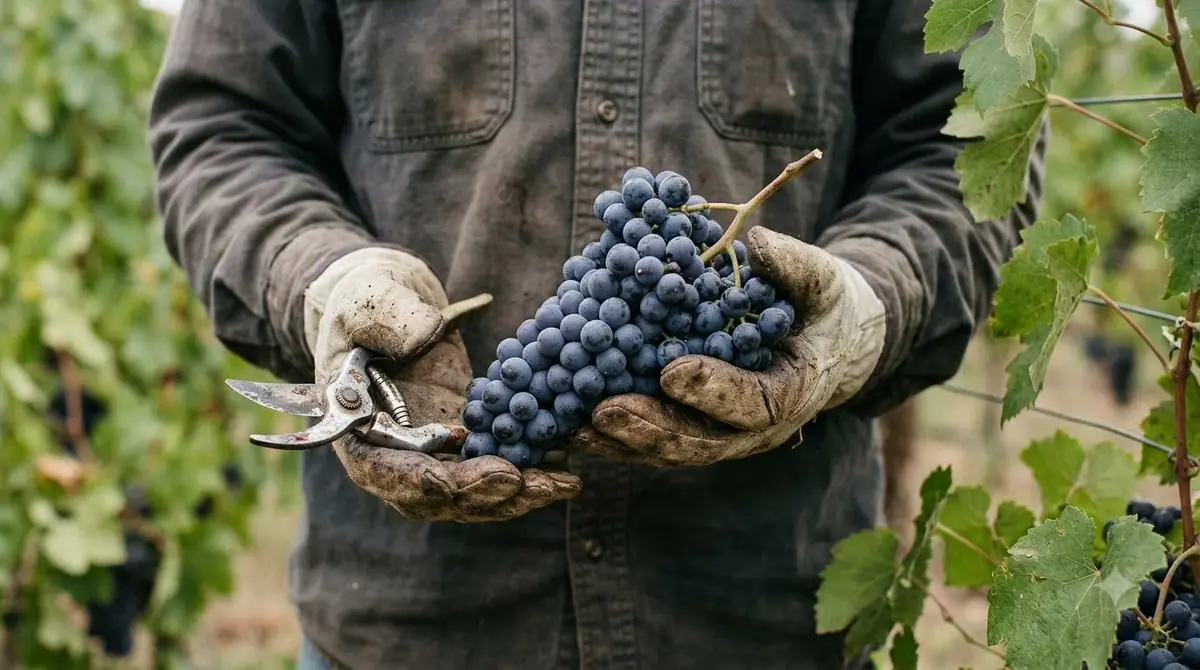
Pinot noir is the other grape that many people associate with the Central Coast. The cool nights and long, gentle growing season help keep the fruit bright, and the best bottles show red cherry and earthy spice without heaviness. Syrah and the Rhône-style blends from the warmer inland areas are fuller, with darker fruit and more pepper. Cabernet Sauvignon is also planted widely, and it tends to show more structure and concentration on the warmer sites.
The region also grows a long list of other varieties. Industry listings for the appellation include more than thirty grapes, so it is worth reading the back label to see what is in the blend, especially for blends and lesser-known whites.
Recognition and Why It Matters
The Central Coast has built a reputation over several decades, helped by critical attention from national wine publications. The Santa Barbara County region alone is home to seven American Viticultural Areas and nine wine trails, and the county’s regional wine site highlights Wine Enthusiast’s 2021 Wine Region of the Year award as evidence of the area’s rising profile. Recognition matters because it signals a region that is still experimenting, with growers trying new sites and varieties rather than settling into one style.
For a shopper, that experimentation is good news. The region has enough range to offer something for almost every palate, from light, zesty whites to deep, dark reds, and many producers are small enough that their bottles are not easy to find outside the area.
How to Choose a Central Coast Bottle
Start with the sub-region on the label. A Santa Maria or Sta. Rita Hills bottle will usually be cooler and more restrained than one from a warmer inland valley. If you like crisp, mineral whites, look for Chardonnay from a coastal appellation. If you prefer richer, more textured wines, try a warmer site or a Rhône-style blend.
- Check whether the label names a sub-region, since that tells you more than the broad Central Coast name alone.
- Read the grape list if it appears, especially on blends, to understand the style before you open the bottle.
- For a first bottle, a Pinot noir or a cool-climate Chardonnay is a reliable starting point for most drinkers.
Food is a useful guide as well. Coastal whites and Pinot noir are relaxed partners for seafood, roasted poultry, and mushroom dishes, because their acidity and lighter body do not overwhelm delicate flavors. The fuller reds from warmer valleys suit grilled meats, barbecue, and hearty pasta sauces. Many Central Coast tasting rooms also serve small plates built around local produce, which makes it easy to taste several styles in one afternoon and see how the grape and the place fit together.
Regional context helps too. Readers who want to compare the Central Coast with a neighboring coastal area can look at the Sonoma Coast vineyards, which share a similar cool-climate character, and for a warmer contrast the Arizona vineyards show how much a desert setting changes the grapes. For a broader overview of how climate and soil shape each region, the Wine Regions guide is a good place to continue.
Frequently Asked Questions
What is Central Coast wine?
Central Coast wine is made from grapes grown along the central California coast, from the Bay Area to Santa Barbara County. The cool maritime climate gives the wines fresh acidity and a range of styles across the broad appellation.
What grape is the Central Coast best known for?
Chardonnay is the leading variety by planted acreage, and it is grown in many different climates across the region. Pinot noir is the other grape most often linked to the Central Coast, especially from the cooler valleys.
Is Central Coast wine cool-climate wine?
Many of the best wines come from cool, coastal sites, but the appellation is large and includes warmer inland valleys. The sub-region named on the label is the best guide to the style you will find.
How do I pick a good Central Coast wine?
Look at the sub-region and the grape on the label first. Cooler coastal sites suit crisp whites and Pinot noir, while warmer valleys tend to produce fuller reds and Rhône-style blends.
Central Coast wine rewards curiosity. Pick a bottle from a cool valley for a bright, food-friendly glass, then try a warmer site to see how far the style can stretch within one coastline.
More in Wine Regions
 Willcox Wine Trail: Discover Arizona’s High-Elevation Wine CountryUpdated Nov 20, 2026
 Yakima Valley Wine Region: Find the Best Styles to TryUpdated Nov 20, 2026
 Vosne Romanee Wine Tasting: Identify Aromas and Choose Better PairingsUpdated Nov 20, 2026
 Yakima Valley Wine Festival: Find the Best Seasonal Wine EventsUpdated Nov 20, 2026
 Wales Vineyards: Discover Cool-Climate Wines and Where to VisitUpdated Nov 20, 2026
 Yountville Wine Festival: Discover Napa Wines and Local FoodUpdated Nov 20, 2026