

We may earn a commission when you buy through links on this page, at no extra cost to you. Learn more.
should tempranillo be chilled? Yes—most bottles benefit from a modest chill, but the goal is cool rather than cold: aim for about 60–65°F for fuller styles and 55–60°F for lighter, fruit-forward examples. A short stay in the refrigerator can soften the impression of alcohol and help the wine feel balanced, especially in a warm room. Avoid serving it straight from a very cold refrigerator, because excessive chill can mute fruit, oak, and savory aromas. Start slightly cool, pour a small taste, and let the glass warm naturally.
Tempranillo is a flexible red grape, not a single fixed style. A young, juicy Spanish red may feel lively at the cooler end of the range, while a structured Rioja Reserva or powerful Ribera del Duero usually shows better with a little more warmth. The easiest approach is to chill the bottle briefly, then adjust by the style in your glass.
The Best Serving Temperature for Tempranillo
For most Tempranillo, serve the wine cool, not cold. A useful target is 60–65°F for medium- to full-bodied bottles, while lighter, fruit-led versions can be served at 55–60°F.
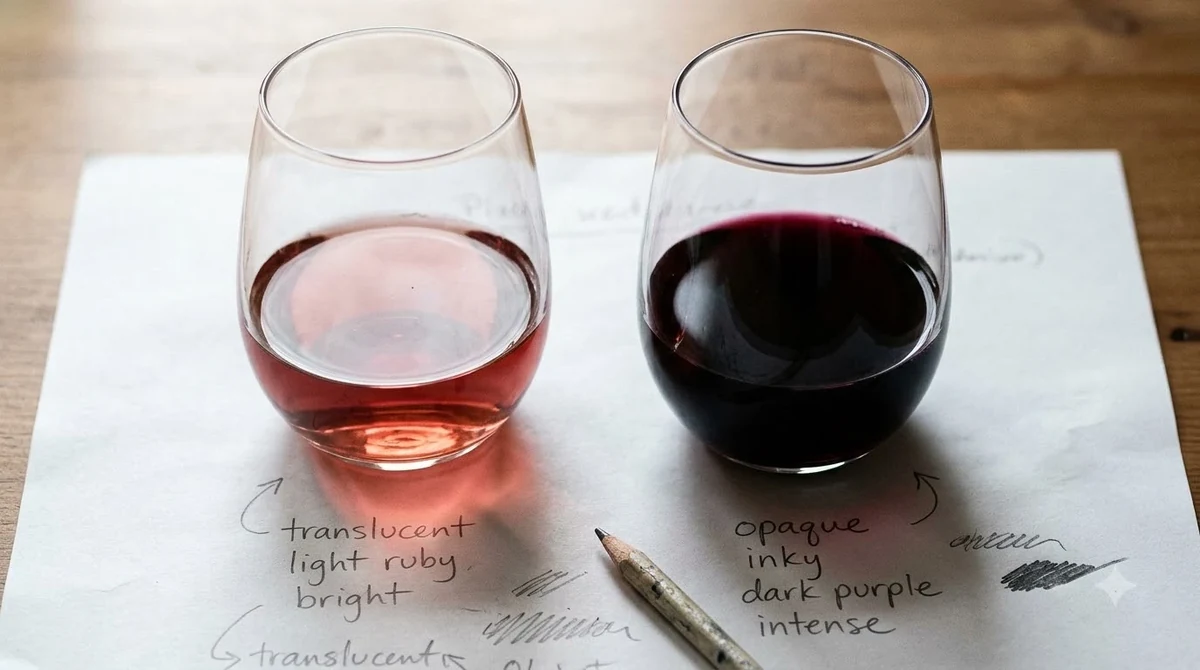
That range is a little cooler than many living rooms. In its wine serving-temperature guide, Wine Enthusiast groups Tempranillo with fuller-bodied reds and recommends 60–65°F, noting that this temperature helps keep fruit, tannin, acidity, and alcohol in balance. Its varietal reference gives a slightly cooler handling target of 55–60°F, which is a sensible choice for a lighter, less oak-driven bottle. Those recommendations are not contradictory: Tempranillo can range from brisk and easygoing to concentrated and firmly structured.
Use the style in the bottle as your guide. A young, juicy wine intended for early drinking often benefits from the lower end, especially if it has a fresh red-fruit profile and modest oak influence. A richer wine with deeper color, stronger tannins, and time in barrel is generally better closer to 60–65°F, where its aromas can open without the alcohol seeming hot. If you are unsure, begin around 60°F; a glass warms quickly, and you can always let it sit for a few minutes.
| Tempranillo style | Serving target | Practical approach |
|---|---|---|
| Young, lighter, fruit-forward | 55–60°F (13–16°C) | Chill briefly; pour while cool and allow the glass to warm |
| Typical medium- to full-bodied red | 60–65°F (16–18°C) | About 25 minutes in the refrigerator from roughly 72°F |
| Cellar-cool bottle, around 55°F | Let it rise toward 60°F | Skip extra chilling; give it time in the glass |
The refrigerator timing in the middle row follows Wine Enthusiast’s guidance for full-bodied reds starting at about 72°F; real cooling speed varies with bottle shape, fridge temperature, and how full the refrigerator is. The target matters more than the clock. A wine thermometer is helpful, but a quick chill followed by a small taste is usually enough for a casual meal.
Why a Modest Chill Works
A little cooling can make Tempranillo taste more balanced, especially when the room is warm. The aim is to restrain the sensation of alcohol without suppressing the fruit and savory detail that make the grape distinctive.
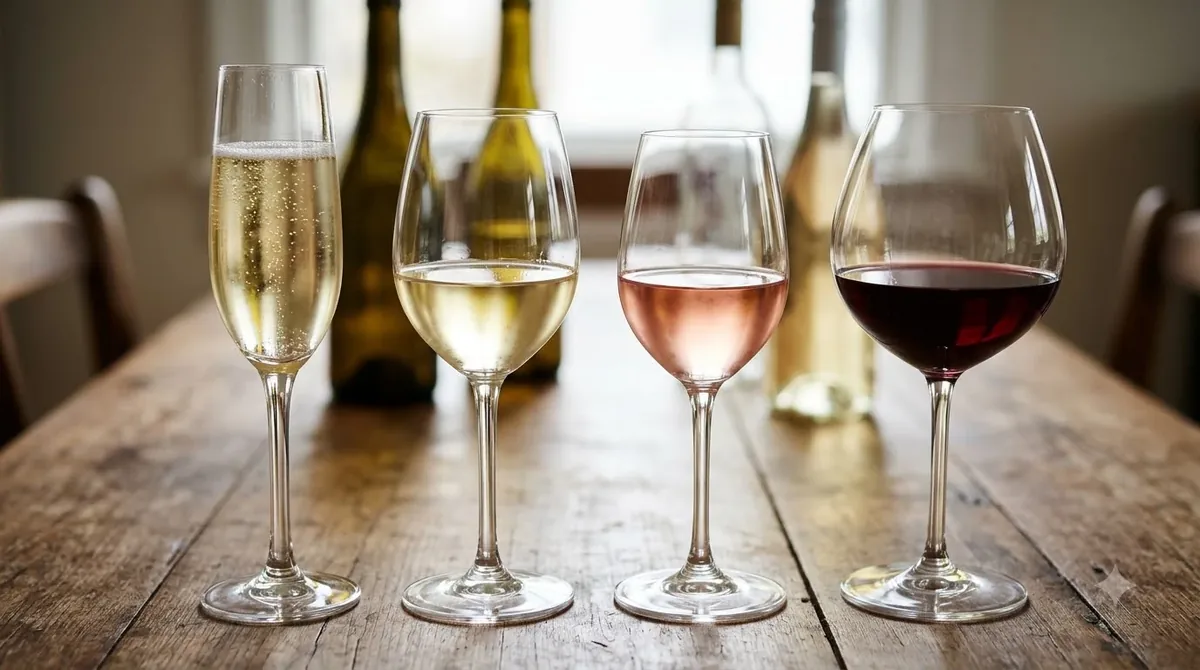
When red wine gets too warm, alcohol can become more noticeable and the wine may seem heavy or “soupy.” Decanter explains that excessive warmth can make alcohol feel hot while diminishing the freshness and acidity that balance ripe fruit. A short stint in the refrigerator or an ice bucket can correct a bottle that has been sitting in a warm kitchen or dining room. This is one reason the old instruction to serve red wine at room temperature can mislead: modern indoor temperatures are often higher than the cool rooms in which that tradition developed.
Tempranillo commonly has enough body and tannin to feel substantial, but its shape varies by origin and winemaking. A cooler serving temperature can make a powerful wine feel more composed and can keep alcohol from dominating the finish. It does not remove tannin or change the wine’s structure; it changes how those elements register in the glass. If a wine feels broad, warm, or loose at the first pour, give the bottle 10–20 minutes in an ice-water bucket or a short refrigerator rest, then reassess.
Do not confuse a cool red with a cold red. At very low temperatures, aromas become harder to perceive, fruit can seem muted, and tannins may feel firmer or more drying. That is especially unhelpful in an aged Tempranillo whose appeal may include cedar, tobacco, leather, or spice alongside berry fruit. A light chill should sharpen the outline of the wine, not hide its character.
How Rioja and Ribera del Duero Styles Differ
Tempranillo from Rioja and Ribera del Duero can call for slightly different handling because the wines often differ in weight, concentration, and oak influence. Think of 55–60°F for a lighter, younger expression and 60–65°F for a more structured, age-worthy bottle.
Rioja is not one uniform style. Its wines can be fresh and fruit-led, polished and oak-shaped, or mature and layered. The Rioja regulatory council describes Crianza reds as having at least two years of aging, including at least one year in a 225-liter oak barrel. Reserva requires at least three years between barrel and bottle, with at least one year in oak and six months in bottle; Gran Reserva has a five-year minimum aging period, including two years in oak and two years in bottle. These rules provide context for the label, but they do not dictate one exact serving temperature.
A younger Rioja with lively cherry and plum character may be comfortable near 58–60°F. A Reserva or Gran Reserva with more oak-derived spice and developed notes of tobacco or leather often benefits from 60–65°F, so its aromas are not closed down. The council explains the official categories on its Rioja classification page; the aging terms describe minimum maturation rather than a guarantee of body or flavor intensity.
Ribera del Duero Tempranillo can be darker, more concentrated, and more tannic than many Rioja examples. That does not mean it should be served warm. A brief chill can bring a high-alcohol bottle into better balance, but give a muscular wine a little more time in the glass than a young, light-bodied red. In either region, consider the actual wine rather than assuming that the region name or the word Reserva alone decides the temperature.
A Practical Way to Chill the Bottle
Use a short, controlled chill rather than leaving Tempranillo in the refrigerator for hours. Start with the bottle’s actual temperature, then check the wine after cooling instead of relying on a rigid timer.
If the bottle has been stored at an ordinary indoor temperature of about 68–72°F, place it in the refrigerator for roughly 20–25 minutes before serving. Wine Enthusiast lists 25 minutes as a refrigerator guideline for full-bodied reds from a 72°F starting point. A lighter, fruitier Tempranillo can take a little longer if you are aiming for the 55–60°F range, but check it as you go: a domestic refrigerator is much colder than the ideal temperature for red wine.
For a faster, more even chill, stand the bottle in an ice-water bath for about 10–20 minutes, then dry it and pour a small sample. Water transfers heat more efficiently than cold air, so a bucket with both ice and water can cool the bottle quickly. Avoid burying the bottle in ice alone and forgetting it; the objective is a modest temperature drop, not a near-freezing bottle.
If the wine is already stored near 55°F, it may need no further chilling. Open it, pour a small amount, and let it warm in the glass. A bottle that is too cold can recover gradually, while a bottle served too warm takes time to cool once poured. A young, full-bodied bottle can also be decanted for 30–60 minutes; that helps it open, but decanting is a separate decision from chilling and should not be used as a substitute for serving at the right temperature.
Tip: When you are deciding between two temperatures, begin a few degrees cooler than your final target. The wine will warm in the glass, especially during a long dinner, so a slightly cool first pour gives you room to adjust.
Glassware, Pour Size, and Temperature at the Table
Good serving habits help Tempranillo stay in its best temperature range after the bottle is opened. Use a medium or generously sized red-wine glass, pour moderate servings, and avoid holding the bowl in your hand for long periods.
A glass with a rounded bowl gives the wine room to release cherry, plum, herbal, and oak-spice notes. A wider bowl is useful for a structured Rioja or Ribera del Duero, while a standard red-wine glass is perfectly suitable for a younger everyday bottle. A narrow glass is not essential, and elaborate stemware is not required; the practical priorities are a clean glass, enough room to swirl, and a stem that keeps your hand away from the bowl.
A standard pour is 5 ounces. A 750-milliliter bottle holds about 25.4 fluid ounces, or roughly five 5-ounce glasses with a small amount left over. Smaller pours are useful when the wine is warming at the table: a guest can finish a modest serving while it is still cool, then receive another pour rather than leaving a large glass of wine to heat up. Keep the bottle in a cool place between pours instead of beside a stove, sunny window, or warm serving dish.
Pay attention to the room and the pace of the meal. On a hot patio, aim for the lower end of the appropriate range and return the bottle to an ice bucket between pours. In a cool dining room, a bottle opened at 58°F may naturally reach a more expressive temperature in the glass. If the wine is served with several courses, do not try to maintain one exact number at every moment; keep it within the useful range and let the aromas develop as you drink.
Food Pairings That Suit Tempranillo
Tempranillo is especially comfortable beside savory food with enough flavor to meet its fruit, acidity, and tannin. Serve it cool enough to stay fresh, then pair it with grilled lamb, roast pork, chorizo, mushrooms, or tomato-based dishes.
Grilled lamb and beef bring savory depth that works with Tempranillo’s cherry and plum character, while a little fat softens the impression of tannin. Chorizo, jamón, and other salty tapas can also be good matches because salt makes tannin seem less aggressive. Roasted peppers, eggplant, mushrooms, and herbs echo the wine’s savory side without overpowering a younger, fruit-driven style. For a richer bottle, braised short ribs or slow-cooked lamb offer enough weight to match the wine.
Tomato sauce needs a little more care. The wine should have acidity that can stand up to the dish; otherwise, the tomato can make it seem flat or harsh. A medium-bodied Tempranillo with bright fruit is often a better choice for tomato pasta than a very oaky, high-alcohol bottling. If the food is strongly acidic, choose a wine with equal or higher acidity rather than assuming that more body will solve the pairing.
Very spicy dishes are less reliable. Chili heat can seem stronger alongside alcohol and tannin, so a fiery sauce may make a powerful Tempranillo feel hotter and more astringent. Oily fish can also clash with tannic red wine; choose a lighter, fresher wine for sardines or delicate grilled fish. For a party where guests expect a cold, fruit-forward pitcher, the answer to should sangria be chilled is different from the guidance for a bottle of still Tempranillo. Sweet dessert wines have their own serving needs, too, as explained in should ice wine be chilled. Sparkling wine is normally served much colder, so see should sparkling wine be chilled for that separate temperature range. To compare styles beyond this grape, browse Wine by Type.
Frequently Asked Questions
These quick answers cover naming, grape identity, and serving details that go beyond the temperature range above.
Is Tempranillo always a dry red wine?
Dry red wine is the familiar style, but Tempranillo grapes are also used in rosé, sparkling, and dessert wines. The grape’s color and structure make it best known for red bottlings, yet the finished style depends on how the winemaker handles the fruit. A bottle made in a different style may need a different serving temperature from a still red.
Is Tempranillo the same grape as Tinto Fino?
Yes. Tinto Fino is a local name for Tempranillo in Ribera del Duero, while Tinta del País is another name used in parts of Spain. In Portugal, the same grape is commonly called Tinta Roriz or Aragonez. The local name often signals the region’s tradition rather than an entirely different grape variety.
What does the name Tempranillo mean?
The name comes from the Spanish word “temprano,” meaning early. It refers to the grape’s tendency to ripen earlier than many other red varieties grown alongside it. That early-ripening habit is one reason the variety is so closely associated with parts of northern Spain.
Can I add ice cubes to a glass of Tempranillo?
You can, but melting ice dilutes the wine and changes its balance. For a more controlled chill, cool the bottle in an ice-water bucket or use a chilled glass for a short period before pouring. If you do add ice, use it only when dilution is acceptable for the occasion rather than treating it as the standard way to serve the wine.
Does the vintage year determine the serving temperature?
No. The vintage year identifies when the grapes were harvested, not the temperature category for the finished wine. Two bottles from the same harvest can differ because of vineyard conditions, ripeness, blending, extraction, barrel treatment, and time in bottle. Use the wine’s weight and style as the deciding factors.
Tempranillo is best served cool enough to stay fresh but warm enough to show its fruit, oak, and savory detail. Start around 60°F for a typical bottle, adjust cooler for a lighter style, and let the glass do the final fine-tuning. A brief chill is usually all it needs.
More in Wine Types & Grapes
 What Does Mourvèdre Taste Like? Flavor Profile, Regions, and PairingsUpdated Nov 20, 2026
 What Does Marsanne Taste Like? Flavors, Styles, and Food PairingsUpdated Nov 20, 2026
 What Does Malvasia Taste Like? Styles, Flavors, and Food PairingsUpdated Nov 20, 2026
 What Does Grenache Blanc Taste Like? Flavor Profile, Styles, and PairingsUpdated Nov 20, 2026
 What Does Garnacha Taste Like? Key Flavors, Styles, and Pairing TipsUpdated Nov 20, 2026
 What Does Fruit Wine Taste Like? A Complete Flavor and Style BreakdownUpdated Nov 20, 2026