

We may earn a commission when you buy through links on this page, at no extra cost to you. Learn more.
Traverse City Wine Country is Michigan’s cool-climate wine destination, centered on the Old Mission and Leelanau peninsulas along Grand Traverse Bay. The two peninsulas are separate American Viticultural Areas, and each offers its own mix of vineyard scenery, tasting rooms, and wine styles. Expect lively Riesling, crisp Pinot Gris, Chardonnay, Cabernet Franc, Pinot Noir, and a growing range of sparkling wines. The easiest way to enjoy the area is to choose one peninsula per day, leave time for food and scenery, and arrange a safe ride between tastings.
Known for cherries, beaches, and lake views, northwestern Michigan has also developed a distinctive cool-climate wine scene. Freshwater bays soften the local growing conditions, and visitors can choose a compact Old Mission loop, a longer Leelanau drive, or a few tastings based in Traverse City.
Where Traverse City’s Two Wine Peninsulas Meet
Traverse City’s wine country is organized around two AVAs that extend into the waters around Grand Traverse Bay: Old Mission Peninsula to the east and Leelanau Peninsula to the west. Old Mission is the more compact outing, while Leelanau spreads across a larger rural landscape with more than 20 wineries on its official trail.
Old Mission Peninsula projects north from Traverse City between the East and West arms of Grand Traverse Bay. The Old Mission Peninsula Wine Trail describes it as 19 miles long and four miles wide at its broadest point, with all 10 member wineries within about five miles of one another. The peninsula’s northbound route gives the outing a natural spine, with tasting rooms along the drive toward the northern end.
West of the city, Leelanau Peninsula has a more dispersed pattern of vineyards, farms, villages, and shoreline. Its official wine trail promotes more than 20 wineries, with Suttons Bay, Leland, and Northport useful when mapping a route. Plan around a smaller cluster and leave time for the road between stops. The Traverse City wine region overview can orient first-time visitors.
The two AVAs are not interchangeable labels for one continuous vineyard strip. Their boundaries and exposures differ, which can shape the wines in the glass. Treat Old Mission as a concentrated sequence of stops and Leelanau as a wider countryside exploration; both are close enough to make Traverse City a practical base, but covering both in one afternoon leaves little time to enjoy either.
How Lake Michigan Shapes the Growing Season
Lake Michigan and Grand Traverse Bay moderate the local climate, helping vines cope with a northern growing season that would otherwise be more difficult for many European wine grapes. Wine publications describe the lake effect as extending Michigan’s cool-climate growing season by up to a month, while growers on Old Mission point to the bays’ warmer fall water and cooler spring conditions as important vineyard influences.
Large bodies of water warm and cool more slowly than land. In autumn, the bays release stored heat; in spring, cool water can delay early warmth and help reduce frost risk. The Old Mission Peninsula Wine Trail cites this pattern as one reason the area can ripen vinifera grapes despite its cool climate. Slope, aspect, soil, and distance from the water still make one vineyard different from another nearby.
Leelanau’s growing season is described as cooler than some neighboring Michigan wine areas, with a later spring and earlier harvest that help preserve acidity. Old Mission has a slightly different exposure because the peninsula is bordered by the two arms of Grand Traverse Bay, creating a distinctive microclimate over a relatively compact area. Across both peninsulas, glacially formed soils contribute to vineyard diversity, although soil composition changes from site to site. The combination of lake moderation, slope, and soil helps explain why bright, fresh wines are central to the local style.
Cool-climate viticulture requires growers to select varieties that can ripen during a shorter season and survive winter conditions. A cool year can emphasize citrus, green apple, herbs, and taut acidity; a warmer site or vintage may bring riper orchard fruit and a rounder palate. These differences are part of the region’s character, not a sign that every bottle should taste alike.
Grapes and Wine Styles to Look For
Riesling is the signature grape to seek out in Traverse City wine country, particularly on Leelanau Peninsula, where it is the most widely planted wine grape according to Wine Enthusiast’s regional reporting. Chardonnay, Pinot Gris, Pinot Noir, and Cabernet Franc are also established choices, while sparkling wine has become an important part of the area’s identity.
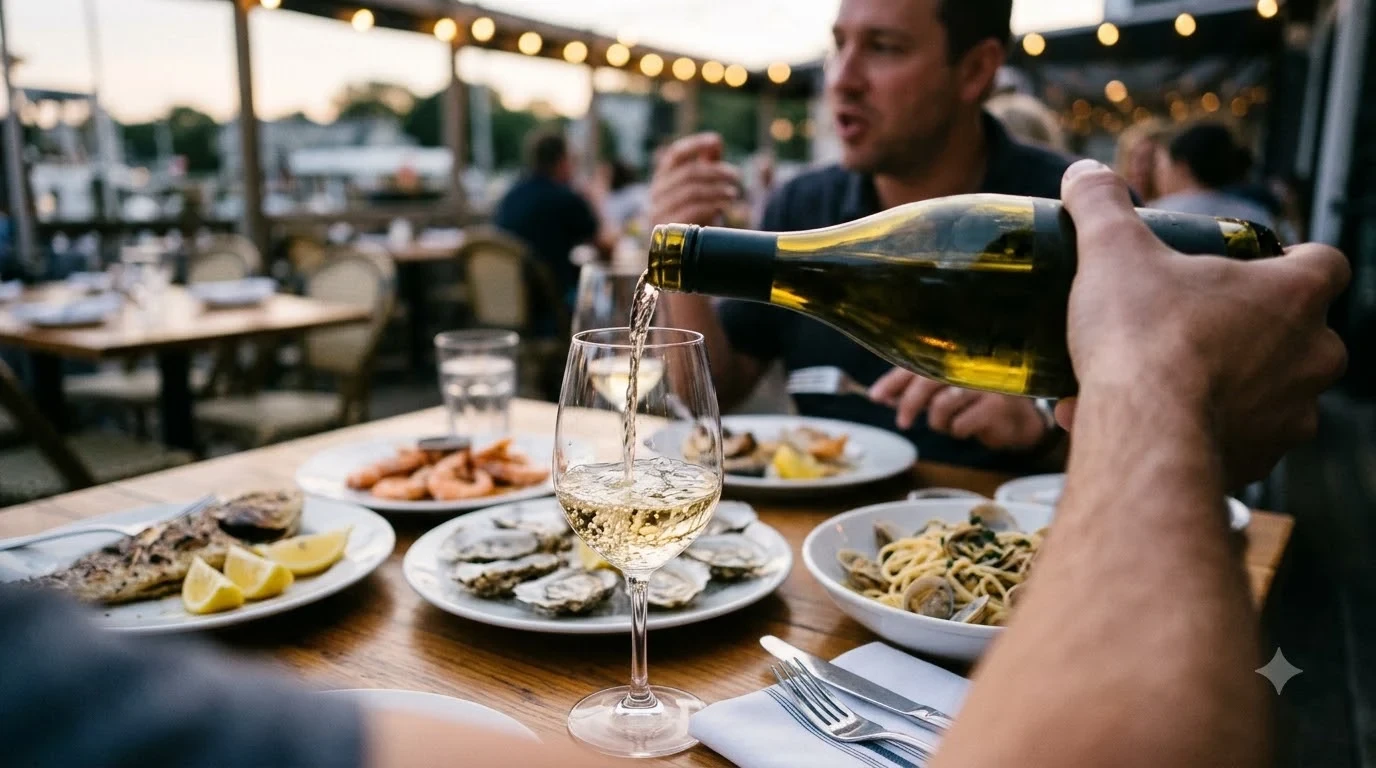
Riesling ranges from bone-dry to noticeably sweet, with acidity keeping it lively. Dry examples show lime, lemon, green apple, and mineral or floral notes; off-dry bottlings add peach, pear, and gentle sweetness. Do not assume every Michigan Riesling is sweet. Chardonnay may emphasize apple, citrus, and freshness or gain weight from malolactic fermentation and oak, while Pinot Gris commonly gives crisp pear, citrus, and orchard-fruit flavors. These whites suit seafood, poultry, and dishes that benefit from freshness.
For red wine, look for Pinot Noir and Cabernet Franc before expecting the dense styles associated with warmer regions. Pinot Noir generally has low-to-medium tannin and bright acidity, with red cherry, cranberry, and earthy notes; Cabernet Franc can offer red fruit, pepper, leafy herbs, and firmer structure. Gamay and Blaufränkisch also appear among northern Michigan’s cool-climate varieties. These reds often show best slightly cool rather than warm.
Sparkling wine deserves a place on the list because cool conditions help preserve its freshness. In traditional-method wines, the second fermentation takes place in the bottle, creating bubbles and adding texture from time on the lees. Ask whether a pour is dry or sweet, then compare fruit and acidity. For more context, Wine Enthusiast’s overview of Michigan’s cool-climate AVAs explains how the northern peninsulas differ from the southern wine areas.
Old Mission or Leelanau: Which Peninsula Fits Your Trip?
Old Mission Peninsula is the practical choice for a first tasting day built around a clear route, with 10 trail wineries along a 19-mile finger of land. Leelanau is the better fit for visitors who want a broader countryside drive, more than 20 official trail options, and stops near communities such as Suttons Bay, Leland, and Northport.
Choose Old Mission for a compact loop
Old Mission is straightforward geographically: travel north from Traverse City, follow the peninsula road, and choose a handful of wineries rather than trying to visit every stop. The official trail lists Chateau Grand Traverse, Chateau Chantal, 2 Lads, Brys Estate, Mari Vineyards, and Peninsula Cellars. Select two or three that match your interests, then add a meal or scenic stop. The narrow drive alternates between glimpses of East Bay and West Bay, with Mission Point Lighthouse and Old Mission State Park as landmarks near the northern end. The traverse city wine trail resource can help compare routes and tasting stops.
Choose Leelanau for a wider countryside route
Leelanau covers more ground, so choose a focus before leaving town. Suttons Bay is a useful starting point for the eastern side, while Leland and Northport work for a northern or western loop. The official trail promotes more than 20 wineries and provides a map for self-guided planning. Choose a producer known for sparkling wine, or select tasting rooms with the dry whites and reds you want to compare. Because the wider geography makes detours harder to fit into a short day, use actual driving times, check opening days, and leave space for lunch. On a two-day trip, give one day to Old Mission and another to Leelanau.
How to Plan Winery Visits and a Sensible Itinerary
A successful wine-country day starts with a realistic number of stops, a designated driver or paid transportation, and a little room in the schedule. The Old Mission Peninsula Wine Trail recommends allowing 30 to 60 minutes for a winery visit, and it asks summer and fall groups of six or more to contact wineries at least one week ahead for reservations.
| Planning detail | Verified figure | How to use it |
|---|---|---|
| Old Mission Peninsula length | 19 miles | Plan a northbound route with time for stops and the return drive. |
| Old Mission trail wineries | 10 wineries | Choose a few tasting rooms rather than trying to complete the full list. |
| Old Mission winery spacing | All 10 within about 5 miles | Stops are concentrated, but tasting and conversation still take time. |
| Typical winery visit | 30–60 minutes | Two or three visits can already fill a relaxed afternoon once travel and meals are included. |
| Advance notice for larger groups | At least 1 week for groups of 6+ in summer and fall | Contact each winery before arrival and confirm its group policy. |
| Leelanau Peninsula Wine Trail | More than 20 wineries | Choose one cluster or direction rather than crossing the peninsula repeatedly. |
The figures in the table come from official trail visitor information. They are planning benchmarks, not a promise that every tasting room will be open or available on the same day. Reservations, group limits, tasting formats, and opening hours vary, so confirm details directly before setting out.
For a relaxed first day, choose two or three tasting rooms, allow about an hour at each, and reserve time for lunch and a scenic stop. Begin with the winery whose wines interest you most; a guided flight or cellar visit may take longer than a walk-up pour. Old Mission’s trail FAQ says there is no shuttle service between its wineries, although regional cab and shuttle services are available. Book a guided tour, arrange a driver, or agree on a taxi route in advance; the Old Mission Peninsula Wine Trail visitor FAQ explains group and transportation details.
For a multi-day trip, combine tastings with time in Traverse City, which offers restaurants, shops, and places to stay, while the peninsulas add beaches, parks, and rural scenery. Check the Traverse City wine festival information when planning around organized events, and use the Wine Regions library to compare northern Michigan with other American cool-climate areas.
Best Seasons, Food Pairings, and Tasting Basics
Summer and fall are the busiest periods for winery visits, with harvest activity and fall color making September and October especially appealing. The Old Mission trail says sparkling-wine grapes can be harvested as early as August in a warm season and are usually picked in early September, while many white grapes are typically harvested in September and red grapes can remain on the vine until late October or early November.
Harvest windows are guides, not fixed dates. Grape variety, site exposure, weather, and wine style all influence picking: late-harvest Riesling needs more sugar development than a dry sparkling base wine. Harvest can make private tastings and group visits busier, so a weekday or shoulder-season visit may be easier to arrange. Winter is also possible: Traverse City’s tourism office says most area wineries remain open, although some close or reduce hours. Confirm opening times and allow extra time for winter driving.
Pair the region’s high-acid whites with food that benefits from freshness. Dry Riesling and Pinot Gris suit freshwater fish, shellfish, roast chicken, pork, and salads with citrus or vinaigrette; Chardonnay can work with richer fish, creamy poultry, and vegetables with butter. Pinot Noir and Cabernet Franc pair with roast poultry, mushrooms, pork, and grilled vegetables. Pinot Noir’s lower-to-medium tannin is more flexible with delicate foods than high-tannin Cabernet Sauvignon, while Cabernet Franc’s firmer structure and herbal character suit savory grilled dishes. Avoid oily fish with heavily tannic reds, and remember that salt and fat soften tannin while acidic food needs a wine with equal or higher acidity.
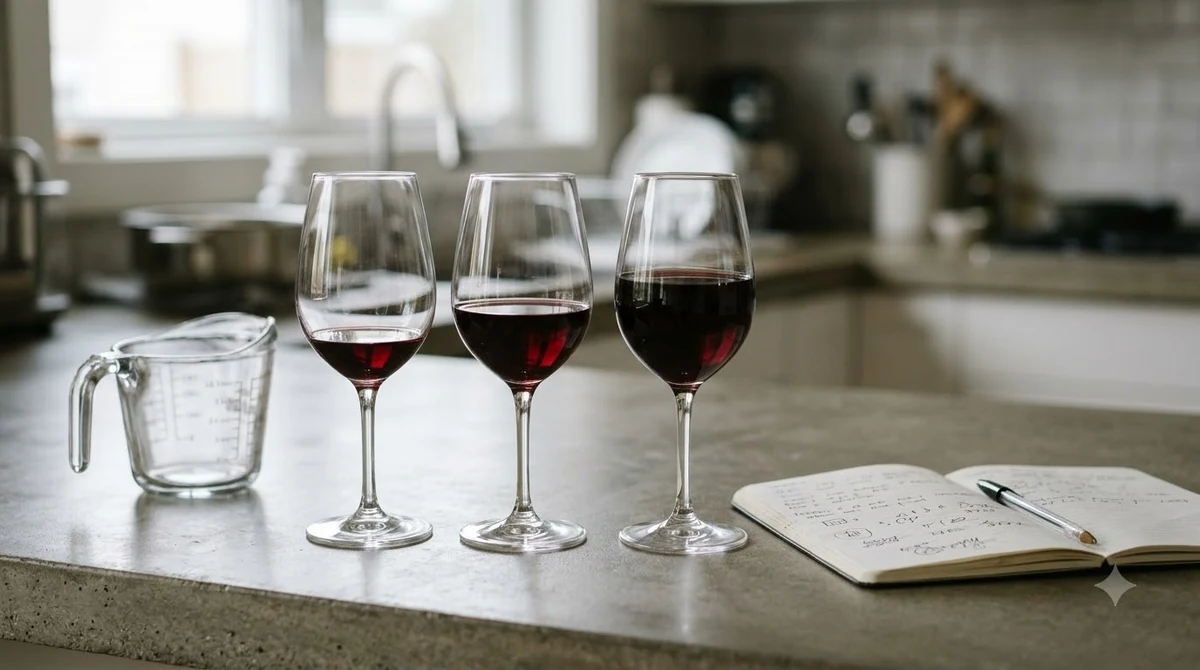
Serve the wines cool enough to show freshness without muting their aromas: 45–50°F for light whites and rosé, 50–55°F for fuller whites, 55–60°F for lighter reds, and 60–65°F for fuller reds. Sparkling wines suit 40–50°F and sweet whites 43–50°F. A short chill can help a red served too warm. Use a small pour, take time between samples, and drink water alongside the wines.
Tip: Build a tasting flight around contrast: try a dry Riesling beside an off-dry version, then compare Pinot Gris with Chardonnay or Pinot Noir with Cabernet Franc. Make notes on acidity, body, sweetness, and finish, and arrange transportation before the first pour.
Frequently Asked Questions
Visitors often ask whether a 19-mile Old Mission route suits a half-day, how to plan around Leelanau’s 20-plus wineries, and what to expect at individual tasting rooms. These answers cover family visits, pet policies, harvest conditions, and practical details.
Are children allowed at Old Mission Peninsula wineries?
Children are allowed at Old Mission Peninsula Wine Trail wineries, and some locations provide kid-friendly activities or beverages. Contact the individual tasting room ahead of time to learn what is available for a particular visit.
Can I bring my dog to a Traverse City winery?
Pet policies differ by property, and outdoor access is not the same as indoor tasting-room access. The Old Mission Peninsula Wine Trail says only service animals are permitted inside its licensed tasting rooms, while some wineries may allow leashed pets in designated outdoor areas.
How many grapes go into one bottle of wine?
The Old Mission Peninsula Wine Trail offers an approximate calculation of about 1,024 grapes per bottle. It derives that estimate from typical clusters and juice yields, so the actual number varies with grape size, growing conditions, and winemaking choices.
When is ice wine harvested in northern Michigan?
The Old Mission Peninsula Wine Trail describes ice-wine harvest as taking place when the temperature reaches 15°F for three consecutive days. That may occur in December or January in some winters, and in other years the required conditions may not occur at all.
Can I buy one gift card for all Old Mission wineries?
The Old Mission Peninsula Wine Trail says it does not offer a trail-wide gift card. Individual wineries may sell their own gift cards, so a gift intended for a particular tasting room should be purchased directly from that business.
Traverse City’s wine country is best enjoyed as two complementary destinations: the concentrated route on Old Mission and the more expansive countryside of Leelanau. Choose a few thoughtful stops, make transportation and reservations part of the plan, and let the region’s crisp wines, lake views, and welcoming tasting rooms set the pace.
More in Wine Regions
 Willcox Wine Trail: Discover Arizona’s High-Elevation Wine CountryUpdated Nov 20, 2026
 Yakima Valley Wine Region: Find the Best Styles to TryUpdated Nov 20, 2026
 Vosne Romanee Wine Tasting: Identify Aromas and Choose Better PairingsUpdated Nov 20, 2026
 Yakima Valley Wine Festival: Find the Best Seasonal Wine EventsUpdated Nov 20, 2026
 Wales Vineyards: Discover Cool-Climate Wines and Where to VisitUpdated Nov 20, 2026
 Yountville Wine Festival: Discover Napa Wines and Local FoodUpdated Nov 20, 2026