

We may earn a commission when you buy through links on this page, at no extra cost to you. Learn more.
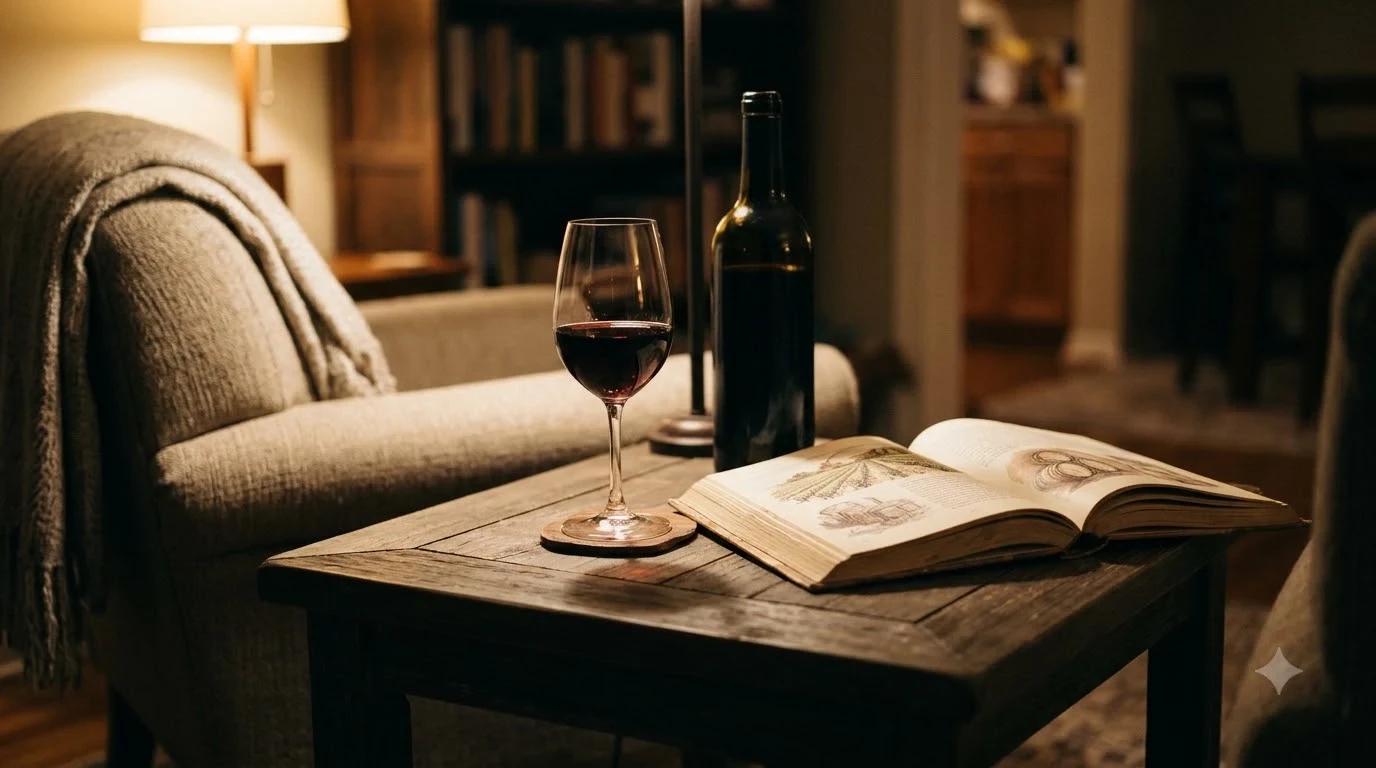
Calories in chenin blanc typically range from approximately 110 to 130 calories per 5-ounce glass, depending primarily on alcohol content and residual sugar. A standard serving of dry Chenin Blanc generally contains around 120 calories, while sweeter versions can contain more because of their remaining grape sugar. Alcohol concentration, wine style, and the amount poured all influence the final number, making the bottle’s alcohol percentage and your serving size useful starting points.
Chenin Blanc is one of the most versatile white wine grapes, producing everything from crisp, dry Loire Valley whites to rich South African bottlings and intensely sweet dessert wines. That variety makes it important to distinguish between individual wine styles rather than assuming every bottle has the same nutritional profile. Understanding how alcohol and sugar contribute calories can help you estimate what is in your glass without giving up the flavors that make Chenin Blanc appealing.
How Many Calories Are in a Glass of Chenin Blanc?
A standard 5-ounce glass of Chenin Blanc generally contains about 120 calories, although individual bottles can fall below or above that estimate. The most useful reference point is ordinary dry white wine, which the USDA nutrient database lists at approximately 121 calories per 5-fluid-ounce serving.
Chenin Blanc does not have one fixed calorie count because the grape can produce wines with different alcohol concentrations and residual sugar levels. A dry, relatively low-alcohol bottle will generally contain fewer calories than a stronger or sweeter expression. For practical purposes, approximately 110 to 130 calories is a reasonable working estimate for many dry, still Chenin Blanc wines.
Consider a typical dry bottle with 12.5 percent alcohol by volume. Its calorie content should be relatively close to the standard white wine reference. A wine with 14 percent alcohol, however, contains more alcohol in the same volume and will generally provide more calories. Sweetness can add another variable, although the effect depends on how much sugar remains after fermentation.
The following estimates use the USDA reference of 121 calories per 5-ounce serving as a practical baseline. They are portion calculations rather than laboratory measurements of a specific Chenin Blanc.
| Serving size | Approximate calories | Equivalent portion |
|---|---|---|
| 2 ounces | 48 | Small tasting pour |
| 3 ounces | 73 | Small wine serving |
| 5 ounces | 121 | Standard wine serving |
| 6 ounces | 145 | Generous glass |
| 8 ounces | 194 | Large glass |
| 750 ml bottle | Approximately 605 | Five standard 5-ounce servings |
These figures make serving size particularly important. Someone pouring an 8-ounce glass rather than a standard 5-ounce serving receives approximately 60 percent more wine and therefore approximately 60 percent more calories. The difference comes from the volume consumed, not a change in the grape variety.
A full 750 ml bottle contains approximately 25.4 fluid ounces. Dividing that volume into five equal 5-ounce servings leaves a small amount remaining, making approximately 600 calories a useful estimate for a standard dry bottle. A sweeter or higher-alcohol bottle may contain considerably more.
How Alcohol Content Affects Chenin Blanc Calories
Alcohol is usually the biggest contributor to calories in dry Chenin Blanc. A wine’s alcohol-by-volume percentage, commonly written as ABV, indicates how much of its volume consists of pure alcohol, and higher ABV generally means more calories in an equally sized pour.
Alcohol supplies approximately 7 calories per gram. This is more than the approximately 4 calories supplied by each gram of carbohydrate. As a result, choosing a wine with lower alcohol content can make a meaningful difference even when two bottles have similar residual sugar levels.
For example, compare a 5-ounce glass of a 12 percent ABV Chenin Blanc with the same serving size of a 14.5 percent ABV version. The stronger wine contains substantially more alcohol by volume. Although its final calorie count also depends on residual sugar and winemaking details, it will generally have a higher calorie contribution from alcohol.
Understanding typical Chenin Blanc alcohol levels
According to South Africa Wine, many South African Chenin Blanc wines fall within the 12 to 14.5 percent ABV range. This relatively broad range reflects differences in grape ripeness, vineyard conditions, and winemaking choices. Its South African Chenin Blanc overview also documents the variety’s characteristic fruit profiles and extensive plantings.
Cooler-climate Loire Valley examples can have different alcohol profiles from riper wines produced in warmer regions. However, geographic origin alone does not establish the calorie count. A dry South African wine at 12 percent ABV may contain fewer calories than a dry Loire wine at 13.5 percent ABV, depending on their respective compositions.
One useful example comes from Villiera’s Stellenbosch Chenin Blanc 2025. Its technical information lists 13.28 percent alcohol by volume and 2.1 grams of residual sugar per liter. This combination illustrates why alcohol concentration deserves attention even when a wine has very little remaining sugar.
For consumers comparing two bottles, look at the ABV figures before assuming that a particular region or producer always makes a lighter wine. A difference of one or two percentage points can matter more than the distinction between two similarly dry Chenin Blanc expressions.
Tip: When comparing two dry Chenin Blanc bottles, start with their ABV percentages. If one bottle contains 12 percent alcohol and the other contains 14 percent, the lower-alcohol option will generally have fewer alcohol-derived calories per equal serving.
Does Dry Chenin Blanc Have Fewer Calories Than Sweet Chenin Blanc?
Dry Chenin Blanc generally contains fewer calories from residual sugar than sweet Chenin Blanc, but alcohol still plays a major role in the total. The important distinction is that dry wine has fermented most of its grape sugar into alcohol, whereas sweeter wine retains more sugar in the finished product.
During fermentation, yeast converts grape sugars into alcohol and carbon dioxide. When fermentation stops with sugar remaining, the resulting wine can taste off-dry, medium-sweet, or distinctly sweet. The remaining sugar contributes additional carbohydrate calories to the finished wine.
Dry Chenin Blanc often tastes crisp because its natural acidity balances the fruit flavors. A bottle from Savennières, for example, may show lemon, green apple, mineral character, and a firm acidic structure without tasting sugary. That does not mean it contains absolutely no residual sugar, but it is generally a lower-sugar choice than a dessert-style bottling.
Why sweet Chenin Blanc contains more sugar
Some Loire Valley producers deliberately make sweet Chenin Blanc from late-harvested grapes or grapes affected by botrytis, also known as noble rot. This process concentrates the grape sugars and produces wines with flavors such as honey, apricot, marmalade, and ripe stone fruit.
Quarts de Chaume and Coteaux du Layon are well-known examples of appellations producing these concentrated sweet wines. Their richness comes partly from the retained grape sugar, which can raise their calorie content beyond that of an ordinary dry white wine.
However, sweetness alone cannot tell you exactly how many calories a bottle contains. A moderately sweet wine with relatively low alcohol might contain fewer total calories than a high-alcohol dry wine. Both variables need to be considered together.
Understanding residual sugar
Residual sugar is normally expressed in grams per liter. It describes the sugar remaining in the wine after fermentation rather than the total amount of sugar originally present in the grapes.
For a simple calculation, every gram of carbohydrate contributes approximately 4 calories. A wine containing 10 grams of residual sugar per liter therefore has approximately 1 gram of sugar in a 100 ml serving. That sugar contributes roughly 4 additional calories to the serving.
This calculation is useful for understanding the contribution of sugar, but it does not provide the wine’s complete calorie count. Alcohol, other carbohydrates, and the precise serving volume must also be considered.
Dry Chenin Blanc is consequently a practical starting point for someone who wants to avoid the additional sugar found in dessert wines. For more information about the grape’s sweetness, aromas, and structure, read what Chenin Blanc tastes like.
How Loire Valley and South African Styles Compare
Loire Valley and South African Chenin Blanc can differ considerably in alcohol, ripeness, and sweetness, but neither region automatically produces the lower-calorie option. Comparing individual bottles is more useful than making a decision based entirely on their geographic origin.
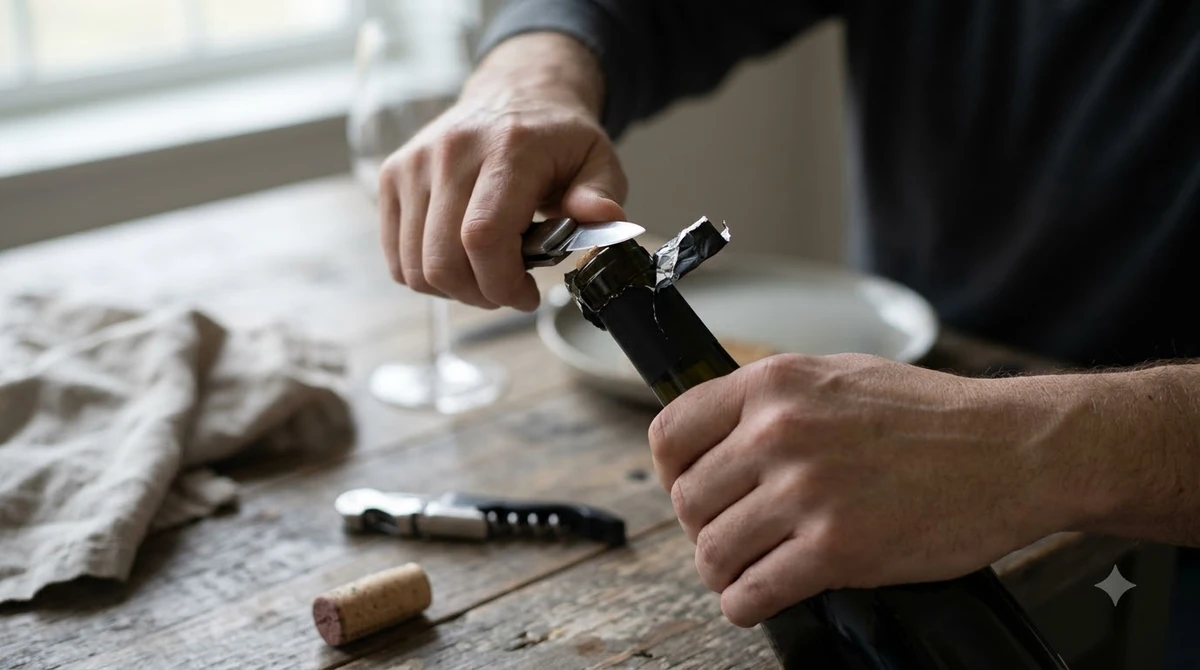
The Loire Valley is Chenin Blanc’s traditional home in France. Appellations such as Vouvray and Savennières demonstrate the grape’s ability to produce very different expressions. Savennières is particularly associated with dry, structured wines, while Vouvray can range from dry to sweet and sparkling.
South Africa has developed a particularly strong identity around Chenin Blanc, also known locally as Steen. South African wines frequently emphasize ripe pear, peach, yellow apple, guava, and tropical fruit. Some are fresh and unoaked, while others have fuller textures from oak fermentation or lees aging.
Comparing two regional examples
A dry Savennières with moderate alcohol may provide a relatively straightforward calorie estimate close to the standard white wine reference. A South African Chenin Blanc with 13.5 percent ABV could contain more calories from alcohol, even if both wines are equally dry.
On the other hand, a sweet Vouvray with substantial residual sugar could exceed the calorie content of both dry examples. This is why the words Loire Valley or South Africa are not sufficient nutritional information on their own.
Villiera’s 2025 Stellenbosch example provides a useful illustration of how producer information helps. Its 13.28 percent ABV and 2.1 grams per liter of residual sugar describe a wine that is relatively dry but has a meaningful alcohol contribution. The producer also reports 6.8 grams per liter of total acidity, which helps explain its fresh structural character.
Origin can still help you anticipate the style before opening a bottle. If you want to learn more about the grape’s history and geographical roots, explore where Chenin Blanc is from.
For a more detailed introduction to the different wine categories, including sparkling, white, red, and dessert styles, visit Wine by Type. Understanding the category helps establish expectations, although the specific bottle remains the best source for estimating its nutritional composition.
Calories and Carbohydrates in Chenin Blanc
Dry Chenin Blanc contains relatively little carbohydrate compared with many sweet wines and sugary mixed drinks. Most of its calories generally come from alcohol, while the remaining carbohydrates contribute a smaller portion of the total.
The USDA reference for standard white table wine lists approximately 3.8 grams of carbohydrates in a 5-ounce serving, including approximately 1.4 grams of naturally occurring sugars. These figures provide a useful comparison point for dry Chenin Blanc, although individual bottles can differ.
Carbohydrates and calories are related but are not interchangeable measurements. A glass can contain relatively few grams of carbohydrates while still providing more than 100 calories because alcohol supplies a substantial amount of energy.
What influences carbohydrate content?
The main consideration is residual sugar. A dry Chenin Blanc that has fermented most of its available grape sugar will generally have fewer carbohydrates than a sweet late-harvest wine made from concentrated grapes.
For example, a wine containing 2 grams of residual sugar per liter provides approximately 0.3 grams of residual sugar in a 5-ounce serving. By contrast, a wine containing 50 grams per liter provides approximately 7.4 grams in the same volume. The difference is substantial even though both wines come from the same grape variety.
These examples illustrate residual sugar only. They do not represent the complete carbohydrate content because other compounds can also contribute to the wine’s nutritional composition.
Calories, carbohydrates, and serving size
Serving size remains an important consideration when comparing nutrition figures. A 5-ounce glass and an 8-ounce glass of the same wine have the same nutritional composition per ounce, but the larger serving provides approximately 60 percent more calories and carbohydrates.
A 750 ml bottle divided into five equal standard servings also makes it easier to understand the total. If each glass contains approximately 121 calories, the bottle provides approximately 605 calories. Dividing the same bottle into three large pours changes the amount in each glass, not the total amount of wine.
It is also important to distinguish residual sugar from sweetness perceived on the palate. Chenin Blanc’s naturally assertive acidity can make a wine taste crisp even when some sugar remains. Conversely, ripe fruit aromas can create an impression of sweetness without indicating a particularly high sugar concentration.
This explains why tasting notes alone cannot provide an accurate carbohydrate estimate. A wine described as having peach, pineapple, or honey aromas is not necessarily a sweet wine.
Choosing a Lower-Calorie Chenin Blanc and Measuring Your Pour
For a relatively lower-calorie Chenin Blanc, start with a dry wine that has a comparatively modest ABV and serve a measured 5-ounce portion. This approach addresses the two most important practical factors: alcohol concentration and the quantity consumed.
Look for dry descriptions such as Sec on appropriate French labels, or choose a producer that clearly identifies its wine as dry. Vouvray Sec is one example of a Loire Valley style worth exploring. A dry South African Chenin Blanc can also be suitable, provided its alcohol concentration is comparable.
Read the wine information carefully
The ABV figure is usually the easiest piece of information to find on a bottle. A wine at 11.5 percent alcohol will generally contribute fewer alcohol-derived calories than an otherwise similar wine at 14 percent.
Residual sugar information is also useful when available. A technical description listing 2 grams per liter provides a different picture from one listing 40 grams per liter. However, producers do not always publish complete nutritional information, so the absence of a residual sugar figure should not be interpreted as proof that a wine contains none.
Do not assume that an unoaked wine is automatically lower in calories than an oaked wine. Oak fermentation and aging can change texture, aroma, and flavor without necessarily adding a significant amount of sugar. The finished wine’s alcohol and carbohydrate composition are what matter for calorie estimates.
Measure your serving rather than relying on the glass
Wine glasses come in different shapes and capacities. A large bowl can hold considerably more than 5 ounces while still looking only partly full. Measuring the pour once with a kitchen measuring cup or wine measure helps establish what a standard serving looks like in your usual glass.
A useful practical approach is to compare a 5-ounce serving with a 6-ounce and an 8-ounce pour. The difference between the smallest and largest portion is approximately 73 calories using the standard white wine reference. Repeated generous pours can therefore change the total more than choosing between two similar dry Chenin Blanc bottles.
Temperature and storage are separate considerations from nutritional content. Chenin Blanc is generally best served chilled, with lighter expressions served cooler and richer, oak-aged versions slightly warmer. A typical serving range of 45 to 55 degrees Fahrenheit helps preserve freshness while allowing the wine’s fruit and texture to show.
For practical serving recommendations, including temperature guidance for different Chenin Blanc styles, see the Chenin Blanc guide.
Finally, remember that a standard 750 ml bottle contains approximately five 5-ounce glasses. Using that measurement makes it easier to estimate both the calories per serving and the total calories in the bottle without confusing glass capacity with serving size.
Frequently Asked Questions
Does sparkling Chenin Blanc have more calories than still Chenin Blanc?
Not necessarily. Sparkling Chenin Blanc can be made in different sweetness styles, and its calorie content depends on alcohol and residual sugar rather than bubbles alone. Traditional-method sparkling wines and sparkling Vouvray can have different compositions, so compare their individual specifications rather than assuming every sparkling bottle has the same nutritional value.
Can aging change the calories in Chenin Blanc?
Normal bottle aging does not substantially change the overall calorie content of a finished wine. A dry Savennières that develops honey, beeswax, and nutty aromas after several years is not necessarily sweeter or higher in calories than it was when young. Its evolving aromas reflect chemical changes during maturation rather than the addition of sugar.
Does oak-aged Chenin Blanc contain more calories?
Oak aging does not automatically increase the calorie content of Chenin Blanc. Oak can contribute vanilla, toast, spice, and a fuller mouthfeel, but these sensory characteristics do not establish a higher residual sugar level. The alcohol concentration and finished wine composition remain the more useful indicators.
Is Steen the same grape as Chenin Blanc?
Yes. Steen is the traditional South African name for Chenin Blanc rather than a separate grape variety. The name appears on South African wine labels and reflects the grape’s long history in the country’s wine industry, particularly in the Western Cape.
How many glasses of Chenin Blanc are in a magnum bottle?
A standard magnum contains 1.5 liters, which is twice the volume of a regular 750 ml bottle. It therefore provides approximately 10 standard 5-ounce servings, with a small amount remaining. At an estimated 121 calories per serving, a dry magnum would contain approximately 1,210 calories.
For most dry Chenin Blanc wines, approximately 120 calories per standard 5-ounce glass is a practical estimate, although alcohol concentration and residual sugar can change the final number. Choosing a dry, moderately alcoholic bottle and measuring your serving provides a more reliable estimate than relying on the grape variety or region alone. Chenin Blanc’s wide range of styles makes it possible to find fresh, expressive wines across several sweetness levels while understanding what each glass contributes.
More in Wine Types & Grapes
 What Does Mourvèdre Taste Like? Flavor Profile, Regions, and PairingsUpdated Nov 20, 2026
 What Does Marsanne Taste Like? Flavors, Styles, and Food PairingsUpdated Nov 20, 2026
 What Does Malvasia Taste Like? Styles, Flavors, and Food PairingsUpdated Nov 20, 2026
 What Does Grenache Blanc Taste Like? Flavor Profile, Styles, and PairingsUpdated Nov 20, 2026
 What Does Garnacha Taste Like? Key Flavors, Styles, and Pairing TipsUpdated Nov 20, 2026
 What Does Fruit Wine Taste Like? A Complete Flavor and Style BreakdownUpdated Nov 20, 2026