

We may earn a commission when you buy through links on this page, at no extra cost to you. Learn more.
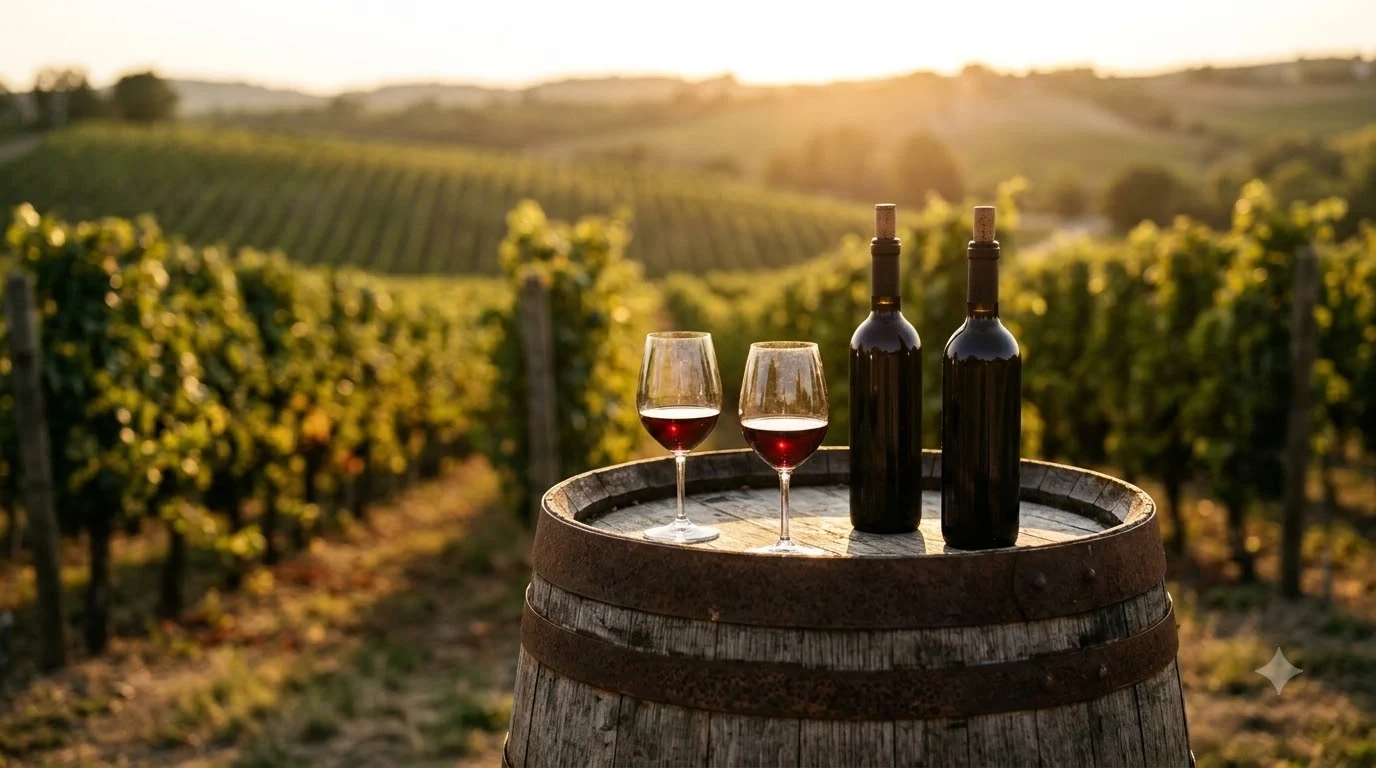
Txakoli vineyards are located in Spain’s Basque Country, where Atlantic coastal conditions, hillside sites, and indigenous Hondarrabi grapes produce distinctive, fresh wines with lively acidity. The vineyards belong to three principal wine regions: Getariako Txakolina, Bizkaiko Txakolina, and Arabako Txakolina. Each has its own landscape, climate, and growing conditions, making the region particularly interesting for understanding how geography influences wine character.
Along the Bay of Biscay, vineyards climb green hillsides, follow narrow valleys, and occupy small plots overlooking fishing villages and the sea. This northern Spanish wine country looks different from the country’s better-known Mediterranean and inland growing regions. Rainfall, humidity, cool Atlantic influences, and limited sunshine during parts of the growing season all affect how growers manage their vines. Understanding the vineyards is the best way to appreciate why Txakoli tastes different from many other Spanish white wines.
Where Txakoli Vineyards Are Located in the Basque Country
Txakoli vineyards occupy three geographically distinct areas in Spain’s Basque Autonomous Community. Getariako Txakolina covers Gipuzkoa, Bizkaiko Txakolina covers Biscay, and Arabako Txakolina is centered on the Ayala Valley in Álava.
These areas share an Atlantic climate and a strong association with indigenous grape varieties, but their landscapes differ. The best-known coastal vineyards are concentrated around Getaria, Zarautz, and Aia in Gipuzkoa. Here, the Bay of Biscay influences growing conditions, while green hills and sloping agricultural land create a recognizable vineyard landscape. The Getariako Txakolina designation was officially recognized in 1989, and its geographical boundaries expanded across Gipuzkoa in 2007.
Bizkaiko Txakolina occupies a broader area of Biscay, including vineyard sites near the coast and further inland. Its producers work with varied elevations, valleys, and hillside exposures. Some vineyards are close to the metropolitan surroundings of Bilbao, while others are located in quieter agricultural districts. This geographical variety contributes to differences in ripening conditions and wine styles.
Further inland, Arabako Txakolina is associated with the Ayala Valley in northern Álava. Its production area includes five municipalities: Aiara, Artziniega, Amurrio, Llodio, and Okondo. The landscape combines Atlantic influences with a more sheltered inland setting, creating growing conditions that differ from those immediately beside the sea.
The three designations give buyers a useful starting point when comparing bottles. A wine from Getaria may reflect stronger coastal influences, while one from Ayala can express a different balance of sunlight, rainfall, and seasonal temperature variation. For broader geographical context, explore our guide to Wine Regions, which explains how location and growing conditions shape regional wine identities.
Atlantic Climate, Rainfall, and Vineyard Conditions
The Atlantic climate is one of the defining influences on Txakoli vineyards. Frequent rainfall, maritime humidity, moderate temperatures, and changing winds make vineyard management particularly important throughout the growing season.
Getariako Txakolina provides a useful example of these conditions. According to Basque Wine, the area receives approximately 1,600 millimeters of rainfall annually. Reported temperatures range from around 2°C during winter to 35°C in summer. These figures illustrate the combination of wet conditions and occasional summer warmth that growers must accommodate. The regional profile published by Basque Wine’s Getariako Txakolina overview also describes the strong coastal influence on vineyard location and wine character.
Unlike vineyards in dry Mediterranean areas, Basque growers cannot assume that rainfall will be limited during the growing season. Moisture management is essential because persistent humidity can increase pressure from fungal vineyard diseases. Good airflow, canopy management, careful pruning, and appropriate site selection help protect the developing grapes.
Coastal exposure also affects ripening. Sea breezes moderate temperatures, while wind direction can influence humidity and the rate at which grapes mature. In Biscay, the Atlantic climate brings mild summer temperatures, abundant winter and spring rainfall, and warmer southerly winds that can produce drier autumn conditions.
Arabako Txakolina offers a slightly different climatic picture. Basque Wine reports an average annual temperature of approximately 13.1°C and annual rainfall of around 899 millimeters. Its more sheltered inland position helps explain why its vineyards do not experience precisely the same conditions as those around Getaria.
Sunlight is another important consideration. In a region where rain and cloud cover can complicate ripening, growers pay attention to vineyard orientation, slope, and canopy density. A well-positioned vineyard can receive enough sunlight to encourage grape development while retaining the freshness that makes Txakoli recognizable.
Tip: When comparing Txakoli bottles, start with the designation of origin. Getariako, Bizkaiko, and Arabako Txakolina provide geographical clues about the vineyard environment and help explain differences in freshness, ripeness, and aromatic expression.
Hillside Vineyards, Soil Types, and Growing Methods
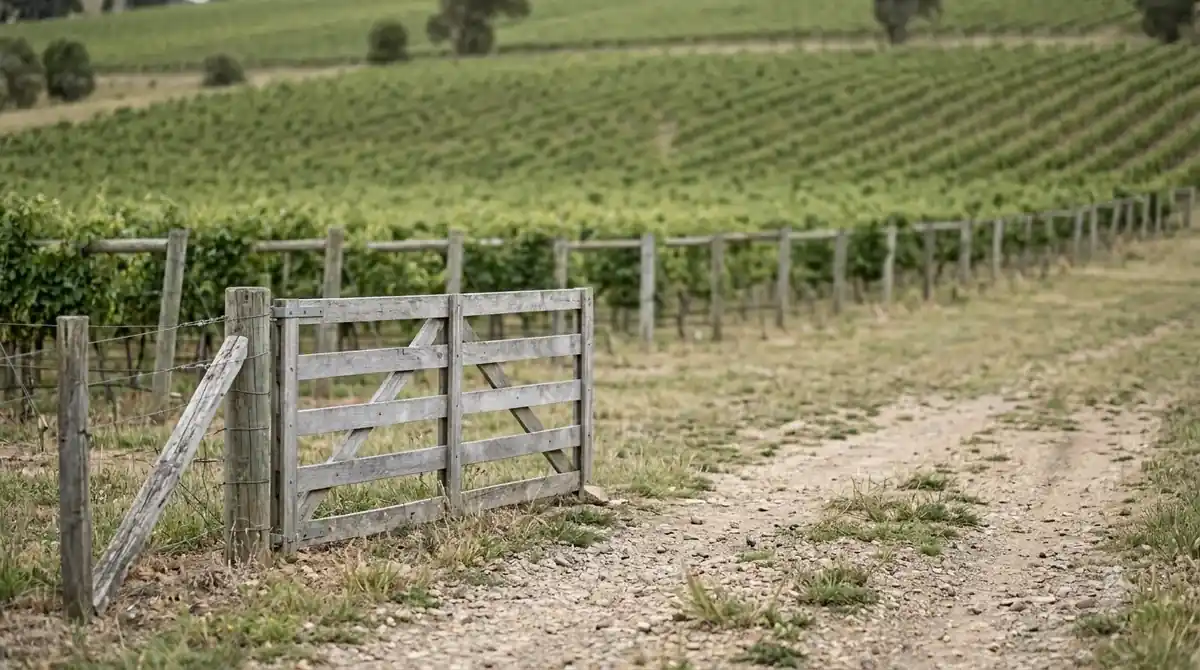
Txakoli vineyards frequently occupy sloping ground because elevation, orientation, drainage, and exposure are important advantages in a humid Atlantic climate. Many traditional sites face southeast, allowing vines to receive useful morning sunlight while gaining some protection from prevailing maritime winds.
In Getaria, vineyards generally range from almost sea level to approximately 100 meters in elevation. The Basque Government describes the area’s terrain as steep in places, with vines trained on wires or supported above the ground. Some vineyards occupy terraces, while others follow the natural contours of the hillside.
Soil composition contributes another layer of regional character. Getaria’s vineyard soils generally consist of clay beneath a sandstone layer. This combination influences water retention, drainage, and the way growers manage vines during wet periods. The relatively shallow planting environment also makes slope position and soil structure important considerations when choosing vineyard sites.
Vine training is especially significant in these conditions. Traditional high-trained systems, including pergola-style arrangements, lift grape clusters away from the ground. Improved air circulation and reduced contact with damp soil can help limit moisture-related problems. Modern trellised systems also give growers more direct control over canopy growth and exposure.
Vineyard orientation matters in Biscay as well. Its vineyards range from sea level to approximately 400 meters, according to Basque Wine. These sites include shallow, acidic, clay-rich soils containing calcite and marl. Downslope planting helps vines receive more sunlight despite the region’s generally cloudy climate.
Planting density and yield management are additional tools. Txakoli Uriarte reports planting densities between 2,500 and 3,300 vines per hectare, with 13,000 kilograms per hectare identified as the maximum authorized production benchmark under its designation. These figures demonstrate how vineyard spacing and crop limits form part of production management.
Across the region, the objective is to maintain healthy vines, manage humidity, and give grapes enough exposure to reach suitable ripeness. The combination of hillside positioning, local soils, and training methods is not simply a visual characteristic. It is a practical response to the demands of Atlantic viticulture.
Hondarrabi Zuri, Hondarrabi Beltza, and Other Grapes
Indigenous grape varieties are central to the identity of Txakoli vineyards. Hondarrabi Zuri is the leading white variety, while Hondarrabi Beltza is the principal native red variety associated with the region.
Hondarrabi Zuri produces the fresh white wines most commonly associated with Txakoli. Its character can include citrus, green apple, white fruit, fresh herbs, and floral notes. The grape’s naturally lively acidity is particularly suited to the Atlantic growing environment, where growers seek freshness alongside sufficient ripeness.
Hondarrabi Zuri dominates Getariako Txakolina. According to the Basque Government, it accounts for approximately 95% of the area’s vineyard plantings, with Hondarrabi Beltza representing the remaining 5%. These figures illustrate how strongly the traditional white grape shapes the region’s vineyard identity.
Hondarrabi Beltza provides an alternative expression. This red grape can produce red wines and rosé, including wines known locally as ojo de gallo. Its fruit character and refreshing acidity distinguish these wines from heavier, more tannic red styles commonly associated with warmer Spanish growing areas.
Other varieties are also present, depending on the designation and individual producer. Hondarrabi Zuri Zerratia, associated with Petit Courbu, is an authorized variety in Getariako Txakolina. Gros Manseng, Riesling, and Chardonnay are also permitted in that designation under applicable regulations.
Bizkaiko Txakolina producers may work with additional grapes, including Mune Mahatsa, Izkiriota, Izkiriota Ttippia, Riesling, Chardonnay, and Sauvignon Blanc. These varieties offer different aromatic and structural possibilities while Hondarrabi remains central to the region’s identity.
For wine drinkers, grape variety provides a useful way to understand what might appear in the glass. Hondarrabi Zuri generally points toward bright, refreshing white wine, while Hondarrabi Beltza offers a route into the region’s smaller production of red and rosé wines.
Comparing the Three Txakoli Vineyard Regions
Getariako, Bizkaiko, and Arabako Txakolina share indigenous grapes and Atlantic influences, but their vineyard geography creates meaningful differences. Comparing their locations, rainfall, and production areas helps explain the range of wines produced under the Txakoli name.
Getariako Txakolina is the most immediately associated with the coastal image of Txakoli. Its vineyards cluster around the historic wine-growing territory of Gipuzkoa, and approximately 90% are located near the coast. The combination of sea breezes, hillside exposure, and high rainfall is particularly important to its identity.
Bizkaiko Txakolina has a more varied geographical profile. Coastal and inland vineyard sites create differences in exposure, elevation, and growing conditions. The designation includes growers working with both traditional native varieties and other authorized grapes, contributing to a broad range of expressions. Its Bizkaiko Txakolina regional profile provides further details about its vineyard elevations, soils, grapes, and production.
Arabako Txakolina is the smallest of the three areas in the 2020 regional figures published by Basque Wine. Its vineyards are concentrated in the Ayala Valley, where a more sheltered inland environment and somewhat lower annual rainfall distinguish it from the coastal districts.
| Designation | Location | Key vineyard characteristics | Recorded vineyard area |
|---|---|---|---|
| Getariako Txakolina | Gipuzkoa | Coastal hillsides, clay and sandstone, Atlantic exposure | 440 hectares |
| Bizkaiko Txakolina | Biscay | Coastal and inland slopes, varied elevations and exposures | 426 hectares |
| Arabako Txakolina | Ayala Valley, Álava | Inland Atlantic setting, sheltered valleys and hillsides | 99 hectares |
The vineyard figures in the table come from Basque Wine’s 2020 data. They should be understood as historical regional statistics rather than a claim that the current planted area is unchanged. The three designations have different geographical characteristics, so direct comparisons require consistent data.
For a wine enthusiast, the most useful distinction is geographical rather than simply stylistic. Getaria offers a particularly strong coastal connection, Biscay provides considerable site diversity, and Ayala demonstrates how Txakoli can develop beyond the immediate shoreline.
These regional differences also make Txakoli an interesting comparison with other maritime wine-growing areas. Readers interested in a contrasting southern hemisphere example can explore our guide to Tasmania vineyards, where cool maritime conditions also play an important role in grape development.
Harvesting, Vineyard Management, and Wine Production
Harvest timing is particularly important in Txakoli vineyards because growers must balance grape ripeness with the acidity that defines the wines. Harvest generally takes place in early autumn, although the precise picking date depends on weather, grape variety, and individual vineyard conditions.
Growers monitor the development of sugar levels and acidity as the season progresses. Picking too early can produce wines with excessively sharp acidity and underdeveloped fruit character. Waiting too long can reduce freshness and change the balance that producers seek. In a rainy region, the possibility of unfavorable weather also makes harvest decisions especially important.
Vineyard work begins long before picking. Pruning establishes the structure of the vine, while canopy management controls foliage growth and improves sunlight exposure. In humid conditions, maintaining sufficient space around the grape clusters can help reduce moisture accumulation and improve airflow.
Growers also monitor crop levels. Excessive production can make it harder for vines to ripen grapes evenly, particularly when sunlight is limited. Careful yield management and vineyard observation help producers maintain a balance between production and quality.
Harvested grapes are transported to wineries for sorting, pressing, and fermentation. In Getariako Txakolina, many vineyards and wineries are located close together, helping hand-picked grapes reach the pressing stage in good condition.
Most Txakoli is produced as a white wine, although rosé and red expressions are also made. Fermentation techniques vary between producers. Some wines emphasize freshness and primary fruit, while others explore different textures and maturation approaches, including fermentation in wooden casks.
The regional designation system provides an important framework for maintaining authenticity. Regulatory councils oversee the geographical origin and production requirements associated with each protected designation. For consumers, the designation offers reassurance that the wine comes from an established production area and follows the relevant regional rules.
Anyone interested in understanding the connection between vineyard and bottle should also explore Txakoli wineries. Visiting a producer can provide a closer look at pruning, harvesting, grape handling, and the decisions that influence the final wine.
Visiting Txakoli Vineyards and Enjoying the Wines
Visiting Txakoli vineyards offers an opportunity to experience Basque wine culture through landscapes, local food, and small-scale producers. Getaria, Zarautz, and Aia are particularly useful starting points for exploring the coastal vineyards of Gipuzkoa.
Getaria is a natural destination for visitors interested in the connection between vineyards and the sea. Its surrounding hillsides contain traditional vineyard sites, and the town is also known for its fishing heritage and seafood restaurants. The nearby landscape makes it possible to appreciate how closely wine production is connected to the Atlantic coastline.
Zarautz offers another perspective on the region, with vineyards and agricultural landscapes around the coastal settlement. Aia provides a more rural setting where visitors can see how Txakoli production fits into the wider countryside of Gipuzkoa.
In Biscay, vineyard visits can introduce travelers to a different arrangement of coastal and inland growing sites. Producers such as Txakoli Uriarte provide information about their vineyard environment, including grape varieties, planting densities, and regional production standards. Winery visits should be arranged directly because tasting availability and tour schedules vary.
Travelers exploring Arabako Txakolina can look toward Amurrio and the surrounding Ayala Valley. The area’s combination of green countryside, small towns, and vineyard sites offers a different experience from the busy coastal wine destinations.
What to Expect When Tasting Txakoli
White Txakoli is generally the best starting point for understanding the region. Expect fresh acidity, light to moderate body, and aromas that can include citrus, green apple, white fruit, and herbs. Some examples have a gentle natural carbonic sensation that adds to their lively impression.
Serve light white Txakoli at approximately 45–50°F. This temperature keeps the wine refreshing while allowing its aromas to remain accessible. A standard 5-ounce pour is suitable for tasting, especially when comparing wines from different designations or producers.
Food pairing is another important part of the experience. The wine’s acidity works particularly well with seafood, shellfish, grilled fish, and other dishes with fresh or salty flavors. Its freshness can also complement fried seafood by balancing richness without overwhelming delicate flavors.
For a broader regional comparison, readers can also explore Uruguay vineyards, where Atlantic influences and coastal geography contribute to another distinctive South American wine-growing identity.
Txakoli is not limited to white wine. Rosé offers a fruitier alternative, while red Txakoli provides an opportunity to discover Hondarrabi Beltza. These less common expressions can be particularly interesting for visitors who want to understand the full range of grapes grown across the Basque Country.
Frequently Asked Questions
Is Txakoli the same as Chacolí?
Yes. Txakoli and Chacolí are different spellings associated with the same traditional Basque wine name. Txakoli is the commonly used Basque spelling, while Chacolí appears in Spanish-language geographical and regulatory terminology. The protected regional names identify the origin of the wine rather than separate grape varieties.
Are all Txakoli wines slightly sparkling?
No. Some traditional white Txakoli wines have a noticeable light carbonic sensation, but this does not mean every bottle is classified as sparkling wine. The level of dissolved carbon dioxide depends on the producer’s winemaking approach and the individual wine. Still examples are also available.
Can Txakoli vineyards produce organically certified wine?
Yes. Producers can pursue organic certification under the applicable European Union regulations, provided their vineyard and production practices meet the required standards. Certification is producer-specific rather than an automatic feature of any of the three Txakoli designations. Look for an appropriate organic certification mark on the bottle.
What does the word Hondarrabi mean in grape names?
Hondarrabi is part of the traditional naming system used for indigenous Basque grape varieties. The name appears in several related grape designations, including Hondarrabi Zuri and Hondarrabi Beltza. The word Zuri means white, while Beltza means black in Basque, reflecting the color distinction between the two varieties.
Do Txakoli vineyards grow grapes for sparkling wine?
Txakoli producers can experiment with different winemaking styles, including sparkling expressions. However, traditional Txakoli is primarily associated with fresh regional wines, especially white examples made from Hondarrabi Zuri. Sparkling production is not a defining requirement of the three designations, and production methods depend on the individual winery.
Txakoli vineyards reveal a distinctive side of Spanish wine, shaped by Atlantic weather, hillside cultivation, and indigenous grapes. From the coastal slopes of Getaria to the varied sites of Biscay and the sheltered Ayala Valley, each designation offers a different perspective on Basque viticulture. Exploring these vineyards provides a deeper appreciation of the landscapes, growing traditions, and fresh wines that make Txakoli special.
More in Wine Regions
 Willcox Wine Trail: Discover Arizona’s High-Elevation Wine CountryUpdated Nov 20, 2026
 Yakima Valley Wine Region: Find the Best Styles to TryUpdated Nov 20, 2026
 Vosne Romanee Wine Tasting: Identify Aromas and Choose Better PairingsUpdated Nov 20, 2026
 Yakima Valley Wine Festival: Find the Best Seasonal Wine EventsUpdated Nov 20, 2026
 Wales Vineyards: Discover Cool-Climate Wines and Where to VisitUpdated Nov 20, 2026
 Yountville Wine Festival: Discover Napa Wines and Local FoodUpdated Nov 20, 2026