

We may earn a commission when you buy through links on this page, at no extra cost to you. Learn more.
The sardinia wine region is the Italian island’s distinctive wine landscape, best known for mineral Vermentino, warm Cannonau reds, and structured Carignano del Sulcis. Its vineyards range from granite hills in northeastern Gallura to sandy coastal plains in the southwest and rugged inland valleys. The result is a broad collection of dry whites, savory reds, aromatic wines, and rare traditional styles that reward looking beyond the island’s two best-known grapes.
Sardinia sits in the western Mediterranean, but its wines do not fit one simple profile. Sea breezes, intense sunshine, varied elevations, and a long history of trade have shaped local varieties and winemaking traditions. For American wine drinkers, the easiest starting point is to learn the three signatures—Vermentino, Cannonau, and Carignano—then use the place name on the label to discover more specialized wines.
Where Sardinia’s vineyards reflect the island’s landscape
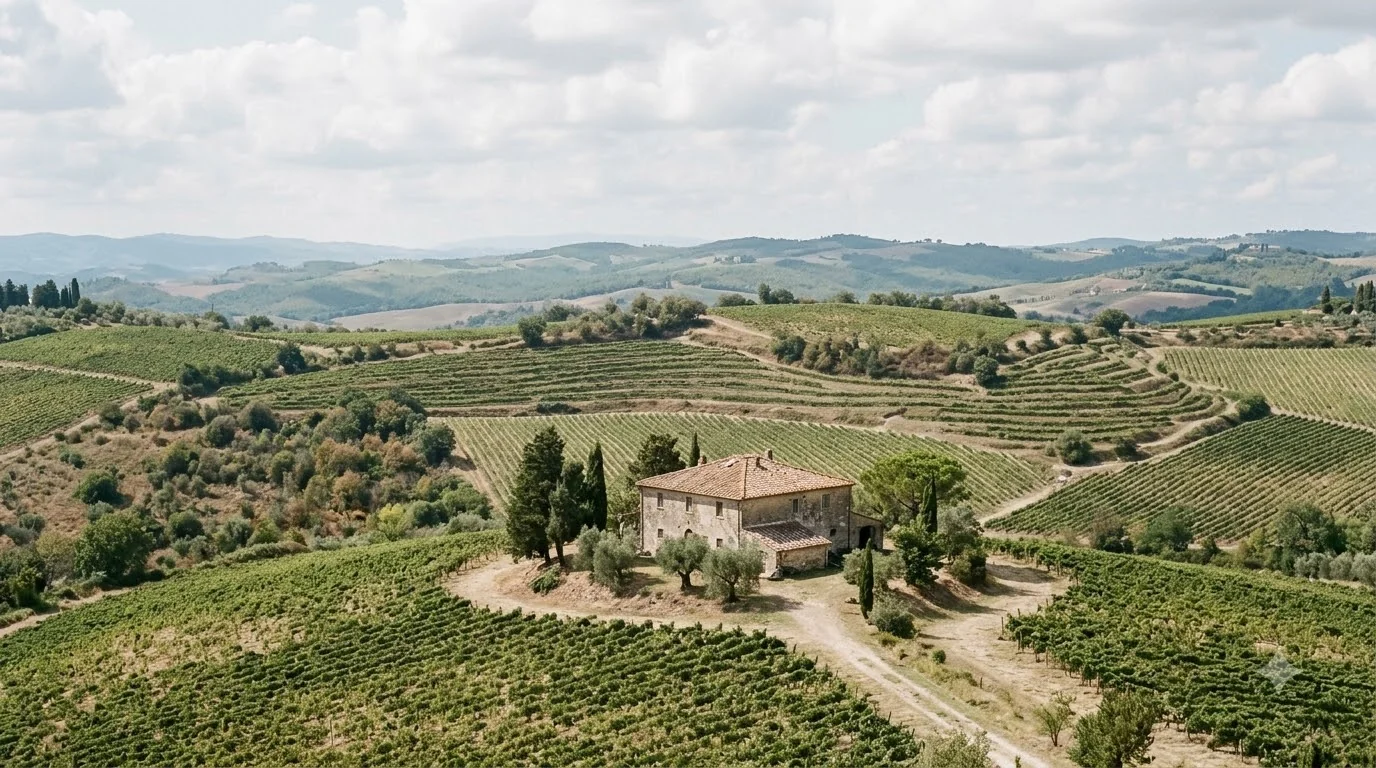
Sardinia’s wine identity changes from coast to interior and from north to south. Granite-rich Gallura in the northeast is the leading home of Vermentino, while the warm, sandy Sulcis district in the southwest is associated with Carignano; inland communities such as Oliena, Jerzu, and Mamoiada are closely linked with Cannonau.
In Gallura, around Olbia and Arzachena, weathered granite, sand, and strong maritime winds help define the white wines. Decanter notes a marked day-to-night temperature difference in this northeastern area and traces Vermentino cultivation there to the 14th century. The combination of sun, wind, and lean soils is often reflected in citrus, white-flower, herb, and saline notes rather than tropical fruit.
West toward Alghero, the local varieties include Torbato and Cagnulari, used for distinctive whites and dry reds. Farther south, the Sulcis district around Sant’Antioco is known for Carignano; sandy soils and a hot, dry climate have allowed some ungrafted, bush-trained vines to survive.
The central and eastern interior is more mountainous, with Ogliastra, Jerzu, and Oliena producing Cannonau that can differ from warm coastal bottlings. A wine map therefore tells you more than the island name alone. Sardinia’s variety contrasts with the tightly alpine Savoie wine region, where mountain sites shape a different set of grapes and styles.
The three grapes that define Sardinian wine
Vermentino, Cannonau, and Carignano give a useful first picture of the island: one expressive white grape and two reds with different textures and regional identities. Each responds to its growing place, so the same grape name can cover a range of body, ripeness, and winemaking choices. For another concise introduction, see Decanter’s overview of Sardinian grape varieties.
Vermentino: the island’s signature white
Vermentino is Sardinia’s best-known white grape, especially in Gallura. It commonly makes a dry wine with citrus, pear, peach, white flowers, Mediterranean herbs, and a saline edge. Stainless-steel fermentation preserves freshness, while lees stirring, skin contact, or partial barrel ageing can add texture. Granite soils and strong winds often contribute to a taut, mineral impression.
Vermentino di Sardegna DOC can be made across the island, while Vermentino di Gallura DOCG is tied to historic Gallura in the northeast. The latter is the more specific place name and a strong starting point. Its seafood-friendly freshness differs from the cooler-climate island whites of the Tasmania wine region.
Cannonau: the leading red
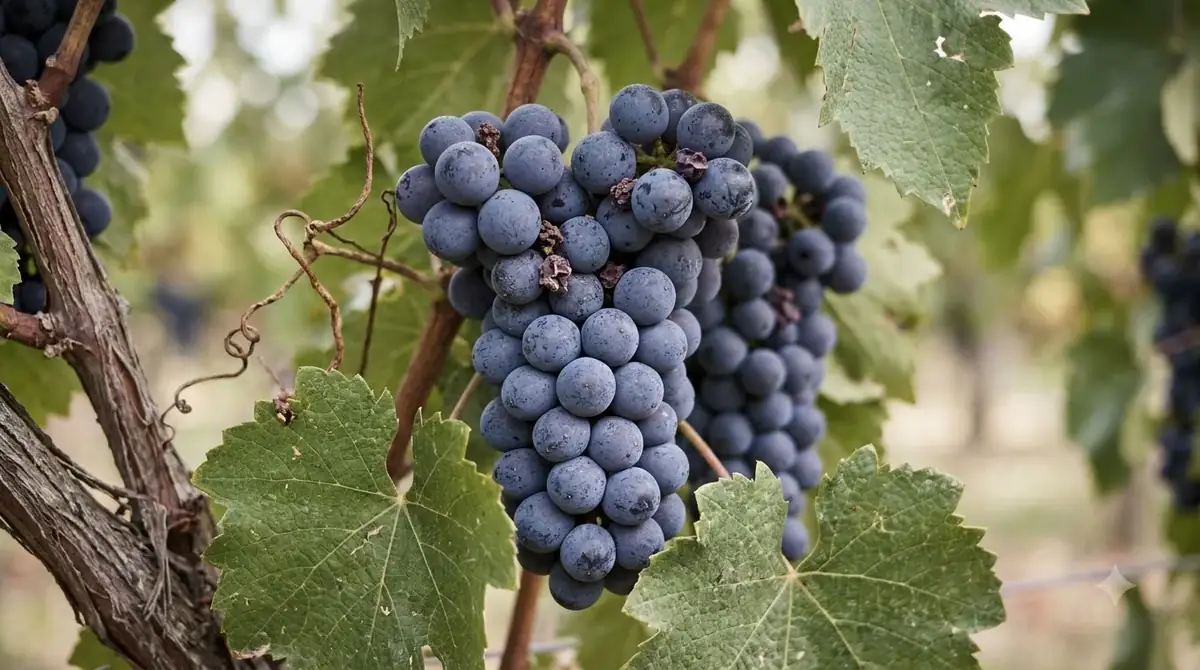
Cannonau is Sardinia’s principal red grape and is generally identified with Grenache, also called Garnacha, although the exact relationship is debated. Wines often show medium to full body, ripe raspberry or cherry, spice, dried herbs, and earthy notes. They can be broad and warming, but fresher examples show bright red fruit and a savory finish.
Cannonau di Sardegna DOC applies across the island, with distinctive subzones including Oliena (also called Nepente di Oliena), Jerzu, and Capo Ferrato. Oliena and Jerzu sit in the mountainous central interior near the Gennargentu range; Capo Ferrato is in the southeast. These names point to more specific expressions than the island-wide DOC alone.
Carignano: a southern red with structure
Carignano is the grape behind Carignano del Sulcis DOC in the southwest. It produces deeply flavored reds with dark berries, sweet spice, dried herbs, and a firm but often rounded structure. Sulcis’s dry climate and sandy soils shape the style; some vines are ungrafted and bush-trained. The wines often have generous alcohol and suit grilled or roasted food.
Known internationally as Carignan, Sardinian Carignano can be powerful without matching versions from France or Spain. Soil, vine age, harvest decisions, and cellar work all shape the wine. Drinkers familiar with Syrah or other structured Mediterranean reds will find a useful comparison, though the local fruit and herbal notes remain distinctive.
How Sardinia’s DOCG and DOC labels work
Sardinia has one DOCG, Vermentino di Gallura, and 17 DOC appellations listed by Federdoc. The names identify defined production areas and, in many cases, specify the grape composition; understanding a few of those rules makes a label much easier to read.
The regional agricultural authority states that Vermentino di Gallura DOCG must contain at least 95% Vermentino and come from the historic Gallura area. Vermentino di Sardegna DOC is broader, covering the whole island and requiring at least 85% Vermentino. Cannonau di Sardegna DOC requires at least 85% Cannonau, rising to 90% for the Classico type. Carignano del Sulcis DOC requires at least 85% Carignano. These minimums show why the place name and appellation can matter as much as the grape printed prominently on the front label.
| Appellation | Key grape rule | Geographic clue |
|---|---|---|
| Vermentino di Gallura DOCG | At least 95% Vermentino | Historic Gallura, northeast Sardinia |
| Vermentino di Sardegna DOC | At least 85% Vermentino | Across Sardinia |
| Cannonau di Sardegna DOC | At least 85% Cannonau; 90% for Classico | Island-wide, with Oliena, Jerzu, and Capo Ferrato subzones |
| Carignano del Sulcis DOC | At least 85% Carignano | Historic Sulcis, southwest |
| Malvasia di Bosa DOC | At least 95% Malvasia | Planargia, around Bosa |
| Nuragus di Cagliari DOC | At least 80% Nuragus | Southern Sardinia |
Other appellations describe blends and less familiar varieties. Mandrolisai DOC uses at least 35% Bovale Sardo, with Cannonau and Monica each making up 20% to 35%. The regional directory also lists Alghero, Cagliari, Girò di Cagliari, Nasco di Cagliari, Sardegna Semidano, and Vernaccia di Oristano. Consult the Sardinia regional authority’s DOC directory for the complete list.
DOC and DOCG identify geographical origins and production rules, not simple quality scores. Gallura names one part of the island, while Cannonau di Sardegna and Vermentino di Sardegna cover wider areas. For more context on European origin labels, see our overview of wine regions.
Distinctive Sardinian wines beyond the famous grapes
Less-exported varieties make some of Sardinia’s most memorable bottles. Nuragus, Vernaccia di Oristano, Malvasia di Bosa, Torbato, Cagnulari, and the Mandrolisai blend show why the island is more than a two-grape destination.
Nuragus is a historic white grape found mainly in the south, around Cagliari. It generally makes a light-bodied, restrained wine for early drinking. High yields can leave it neutral, while careful production may show pear, apple, white flowers, and salinity. Its fresh style suits seafood and simple vegetables.
Vernaccia di Oristano is a distinctive traditional wine from the west-central area around Oristano, made entirely from Vernaccia grapes. Styles range from dry to sweet, and some develop a Sherry-like character through oxidative ageing and flor, the yeast film that forms on the wine’s surface. Wine Enthusiast notes a historical record from 1327. The style appeals to drinkers who enjoy savory complexity, nuts, and dried fruit.
Malvasia di Bosa comes from Planargia around the west-coast town of Bosa, and its DOC requires at least 95% Malvasia. Torbato is associated with Alghero and appears in still and sparkling styles; Sella & Mosca is a known producer. Cagnulari is another Alghero specialty, usually made as a dry red, while Mandrolisai offers a less common blend of Bovale Sardo, Cannonau, and Monica. Sardinia’s viticultural history is wider than its export profile suggests; for a contrasting study in altitude and place-specific labels, explore the Switzerland wine region.
Pairing Sardinian wines with island cooking
Sardinian food pairs naturally with the island’s wines: shellfish and bottarga with whites, roast lamb and suckling pig with reds, and aged sheep’s-milk cheese with either. Use Vermentino or Nuragus for delicate seafood, and Cannonau or Carignano for roasted meat and savory flavors.
Vermentino suits grilled fish, prawns, clams, mussels, and seafood pasta. Citrus and salinity refresh the palate, while its body works with fregola and shellfish. Try a dry Gallura bottling with fried seafood or bottarga, cured roe grated over pasta. Nuragus is gentler with raw seafood, simply cooked white fish, and lightly seasoned vegetables.
Cannonau works with roasted lamb, goat, and porceddu, Sardinia’s suckling pig; its ripe red fruit and herbs echo browned meat and rosemary. Carignano suits grilled sausages, braised beef, tomato sauces, and aged pecorino. Salt and fat soften red-wine tannin, while fruit and structure provide a counterpoint.
Try Cannonau or Carignano with aged Pecorino Sardo, or pair Vernaccia di Oristano’s nutty oxidative character with mature cheese. For dessert, choose a wine at least as sweet as the food: sweet Malvasia or Moscato suits honeyed pastries such as seadas better than a dry white. Texture matters too: Vermentino’s freshness works with lemon, herbs, and shellfish, while Cannonau’s ripe fruit fits browned meat. Avoid tannic reds with oily fish, and remember that alcohol and tannin amplify chili heat; a lower-alcohol white or lightly chilled rosé is often a better match.
Tip: Match the intensity as well as the ingredients. A delicate Nuragus can disappear beside porceddu, while a high-alcohol Carignano may overwhelm a simply grilled sea bass; choose Vermentino for the fish and save the red for the meat course.
Choosing, serving, and storing Sardinian bottles
For a first purchase, choose by style and meal rather than trying to memorize every local designation. Vermentino di Gallura is a dependable dry white, Cannonau di Sardegna offers the classic red, and Carignano del Sulcis is the richer southern style; Nuragus or Vernaccia di Oristano adds an unusual comparison. Read the appellation and grape first, then consider producer and vintage: an island-wide DOC covers several areas, while Gallura or Sulcis narrows the origin. Stainless-steel Vermentino is often crisp and youthful; lees, oak, or skin contact can signal more texture, while a producer’s description helps distinguish fresher Cannonau from fuller Carignano.
Serve light Vermentino and Nuragus at 45–50°F, or fuller whites at 50–55°F. Full-bodied Cannonau and Carignano are generally best around 60–65°F; a slightly cooler pour can balance a warm-climate red. A 750-milliliter bottle yields about five 5-ounce glasses. Decant a young, concentrated red for 30–60 minutes if it needs air.
Store unopened bottles on their side in a cool, dark place near 55°F. Refrigerate opened still wine and finish it within three to five days; bring reds back toward serving temperature before pouring. Sparkling wine generally keeps for one to three days after opening with a proper stopper. For a compact tasting, pour Vermentino, Nuragus, Cannonau, and Carignano in that order, moving from lighter whites to reds to compare citrus, herbs, red berries, and dark fruit.
Frequently Asked Questions
How many native grape varieties are associated with Sardinia?
Decanter describes Sardinia as home to 120 native grape varieties. Only a selection appears regularly in export markets, which is one reason lesser-known grapes such as Nasco, Semidano, and Girò can be difficult to find outside Italy.
What extra control comes with the DOCG designation?
Sardinia’s regional agricultural authority says DOCG wines undergo stricter controls than DOC wines. It also specifies that DOCG bottles carry a numbered guarantee strip and are sold in containers smaller than five liters, so the designation has a visible traceability element as well as a geographic one.
Can Vermentino di Gallura age?
Most Vermentino is made to drink young, but selected higher-quality wines can develop over several years. Decanter notes that mature examples may become more mineral and show petrol-like aromas, a departure from the fresh citrus and floral profile of a young bottle.
Is all Cannonau made in a heavy style?
No. Winemaker Antonella Corda describes harvesting Cannonau earlier than many Grenache wines to retain freshness and red-berry character. At her winery, fermentation takes place in stainless steel without pump-overs, and only about 10–15% of the wine is aged in French oak barriques.
What makes the Ziru Vermentino bottling unusual?
Antonella Corda’s Ziru is made from 100% Vermentino but is not labeled as Vermentino because of its unconventional method. The grapes undergo skin maceration, fermentation, and aging in amphorae; a Decanter tasting account describes a 10-month amphora ageing period for the wine.
Sardinia rewards exploration because its wines connect a clear set of signature grapes with sharply different landscapes, traditions, and local foods. Start with Vermentino di Gallura, Cannonau, and Carignano del Sulcis, then branch into Nuragus, Vernaccia di Oristano, and Malvasia di Bosa to discover the island’s wider identity.
More in Wine Regions
 Willcox Wine Trail: Discover Arizona’s High-Elevation Wine CountryUpdated Nov 20, 2026
 Yakima Valley Wine Region: Find the Best Styles to TryUpdated Nov 20, 2026
 Vosne Romanee Wine Tasting: Identify Aromas and Choose Better PairingsUpdated Nov 20, 2026
 Yakima Valley Wine Festival: Find the Best Seasonal Wine EventsUpdated Nov 20, 2026
 Wales Vineyards: Discover Cool-Climate Wines and Where to VisitUpdated Nov 20, 2026
 Yountville Wine Festival: Discover Napa Wines and Local FoodUpdated Nov 20, 2026