

We may earn a commission when you buy through links on this page, at no extra cost to you. Learn more.
England wine tasting introduces you to cool-climate wines, especially traditional-method sparkling wine, aromatic Bacchus, and increasingly accomplished still Chardonnay and Pinot Noir. Sussex and Kent are the easiest starting points for a range of vineyard visits, while Essex, Hampshire, and Surrey offer distinctive regional styles. The best destination depends on whether you want sparkling wine, still whites, reds, or a broader tour of England’s vineyards.
English wine is no longer a curiosity reserved for specialist lists. A vineyard visit connects the bottle to its setting: chalk or clay beneath the vines, a cool growing season, the work in the winery, and the choices that shape each vintage. This guide covers where to go, which grapes to seek, how to taste comparatively, and how to organize a rewarding visit.
What an England Wine Tasting Includes
An English vineyard tasting commonly combines an introduction to the estate, an explanation of its winemaking, and a guided sample of its wines, although the format varies by producer. Expect to hear about the cool conditions at roughly 51–53 degrees north latitude, the long daylight hours that can help grapes ripen slowly, and the frost or hail risks that make harvests variable.
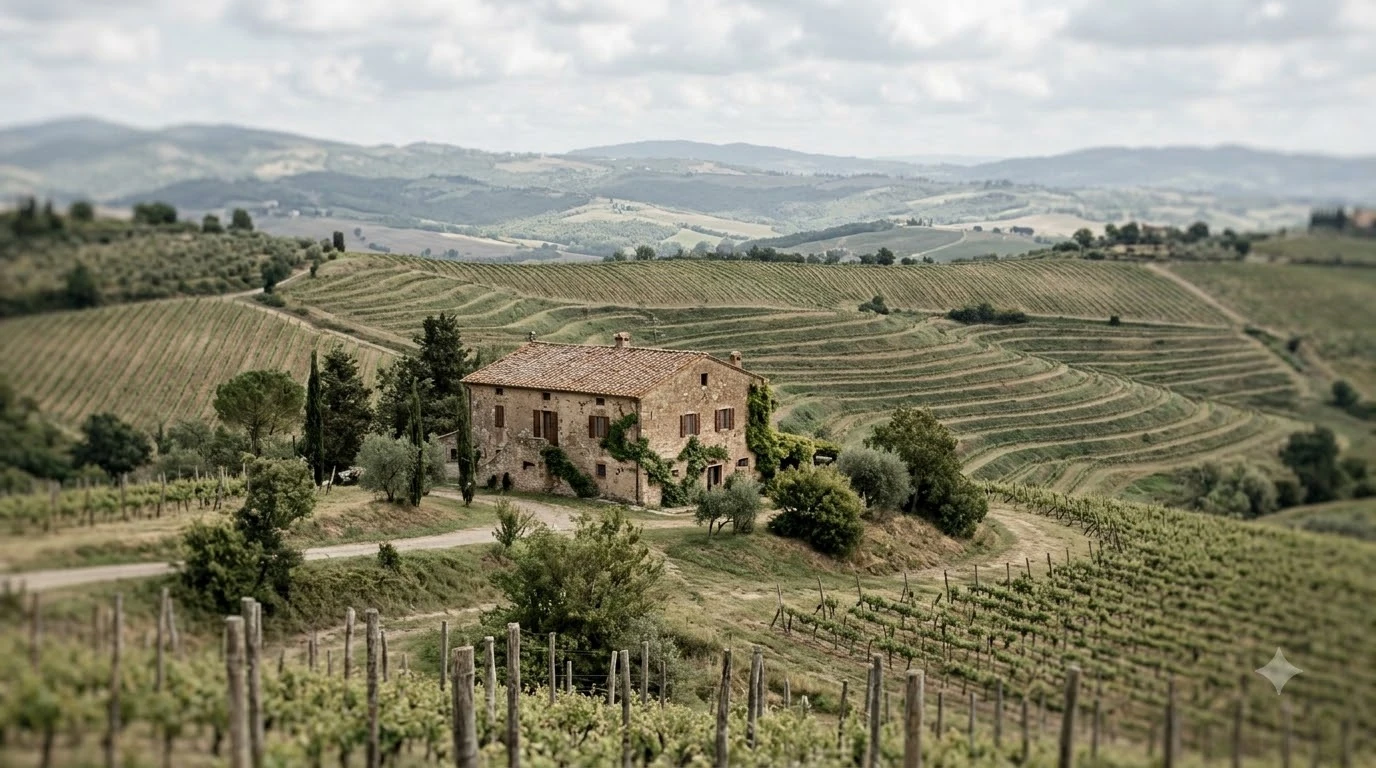
Many visits begin among the vines, where a guide can point out row direction, slope, soil, and grape varieties. In the South Downs, chalk is part of the story; in Essex’s Crouch Valley, low elevations, London clay, and light reflected from the River Crouch help explain the area’s reputation for still wine. Drainage, water availability, aspect, and local weather all affect how evenly grapes ripen.
The winery portion links the landscape to decisions in production. For traditional-method sparkling wine, a second fermentation takes place in the bottle, followed by lees aging and the steps used to remove spent yeast. Ask how long the wine stays on its lees and which grapes make up the blend. For still wine, ask whether Chardonnay was fermented or aged in oak, whether Bacchus was made to emphasize fresh aromatics, and how the winemaker managed acidity in a cool year.
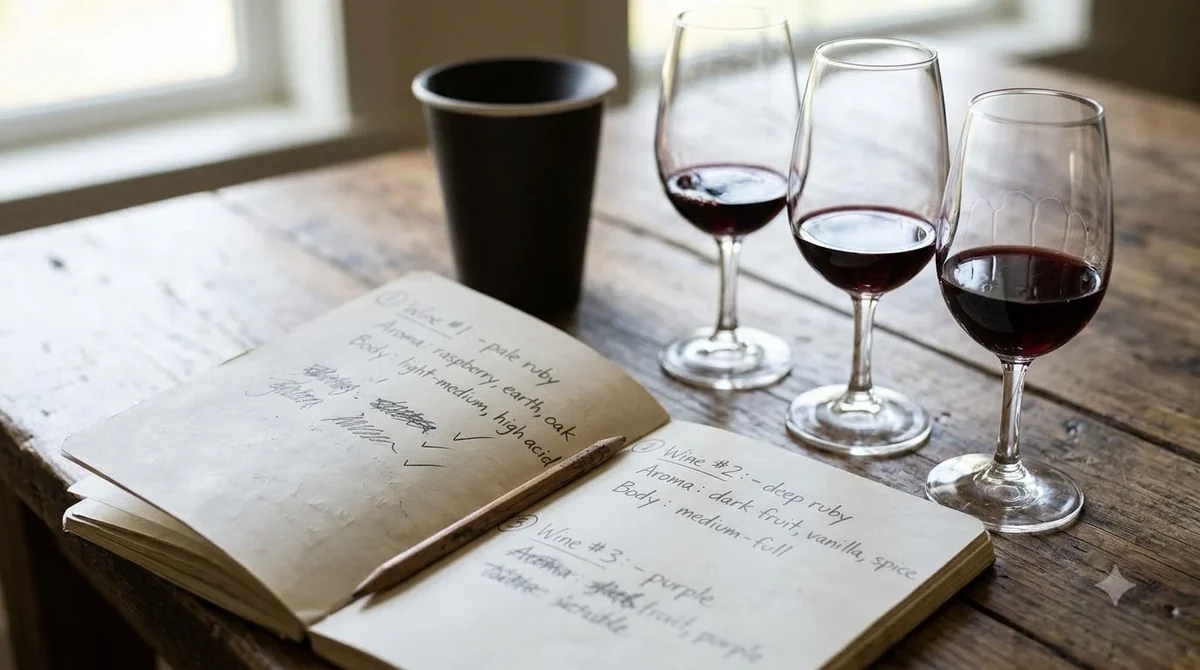
Compare wines rather than judging each pour in isolation: try two sparkling wines side by side, or Bacchus from two counties before Chardonnay. Note the grape, vintage, production method, and sweetness. Confirm the booking’s duration, food options, and whether any outdoor portion runs in wet weather.
Where to Go: England’s Main Wine Regions
The strongest concentration of English wine visits is in the southeast, especially Sussex, Kent, Surrey, and Hampshire, while Essex is a leading destination for still wine. WineGB’s regional summary identifies Kent and Sussex as the two largest county planting areas, with Essex and Hampshire also significant.
The figures below are vineyard-area totals displayed by WineGB from Wine Standards data. They show the scale of planting, not the number of public tasting rooms or the amount of land open to visitors.
| County or area | Vineyard area | Styles to explore |
|---|---|---|
| Kent | 1,239 hectares | Traditional-method sparkling, Chardonnay, Bacchus |
| Sussex | 1,132 hectares | South Downs sparkling wine, still whites |
| Essex | 469 hectares | Crouch Valley Chardonnay, Pinot Noir, Bacchus |
| Hampshire | 426 hectares | Chalk-grown traditional-method sparkling |
| Surrey | 130 hectares | Sparkling wine, rosé, low-intervention styles |
| England total | 4,489 hectares | Vineyards across additional counties |
Sussex is a strong first choice for sparkling wine and established estates. The South Downs provide a defining chalk landscape, and traditional-method wines use Chardonnay, Pinot Noir, and Pinot Meunier. Sussex has the United Kingdom’s first regional Protected Designation of Origin, requiring at least 15 months in bottle and focusing on the classic Champagne varieties. Kent is the most densely planted English wine county in WineGB’s summary. Its warmer, drier conditions suit Chardonnay, and producers also make sparkling wines and aromatic still whites such as Bacchus; a visit can be combined with the countryside around Canterbury and the county’s long fruit-growing tradition.
Essex deserves attention from visitors who prefer still wine. In the Crouch Valley, low sites, sunshine, and London clay support Chardonnay and Pinot Noir; Bacchus, Pinot Blanc, Sauvignon Blanc, and Pinot Gris add variety. Hampshire is cooler, with vineyards around the South Downs and the Test, Itchen, and Meon river valleys, and is strongly associated with refined sparkling wine based on Chardonnay, Pinot Noir, and Pinot Meunier. Surrey offers chalk and Upper Greensand in the Surrey Hills, along with sparkling wines, rosés, and low-intervention bottlings. Beyond the southeast, the East includes Norfolk and Suffolk, the West stretches to Cornwall, Devon, and Somerset, and vineyards are also found in Yorkshire. For broader comparisons, use the site’s Wine Regions overview as a starting point.
The Grapes and Wine Styles to Compare
English tastings are not limited to one signature style. Traditional-method sparkling wine is the best-known category, but visitors can also find dry whites, rosé, light reds, sweet wines, pét-nat, and skin-contact bottlings. A useful flight includes both the classic sparkling grapes and varieties that give English still wines a distinctive aromatic profile.
Start with Chardonnay, Pinot Noir, and Pinot Meunier, the classic sparkling trio. Chardonnay can bring citrus, apple, and a firm line of acidity; Pinot Noir contributes structure and red-fruit character; Pinot Meunier can add a rounder fruit profile. Compare the blends and ask whether a wine is vintage or non-vintage. Bottle fermentation and lees aging can create fine bubbles and bready or biscuit-like notes alongside fresh fruit.
Bacchus is the still-white grape to seek out. Its aromas may suggest elderflower, citrus, gooseberry, and fresh herbs, with lively acidity. It often appeals to drinkers who enjoy expressive Sauvignon Blanc, although Bacchus changes with site and winemaking. Taste it beside English Chardonnay: Bacchus emphasizes perfume and freshness, while Chardonnay may offer more breadth, texture, or oak influence, with flavors from lemon and green apple to peach, toast, and spice. Pinot Noir is more challenging because achieving ripeness and managing disease pressure require careful site selection. Successful examples can show delicate red fruit, fine tannin, and refreshing acidity.
Other grapes include aromatic Ortega and Solaris, plus Seyval Blanc, Pinot Gris, and Pinot Blanc. Producers also make rosé, orange wine, pét-nat, and col fondo sparkling wine. Pét-nat is bottled before the first fermentation has finished, so the remaining fermentation creates bubbles; col fondo may retain yeast sediment rather than being riddled and disgorged. Still wine deserves space: Decanter reported that 30 of 64 English still wines in one panel tasting reached 90 points or more. Its English still-wine guide highlights Chardonnay, Pinot Noir, and Bacchus. Compare aromatic whites with an Alsace wine tasting, red-wine body and tannin with Bolgheri wine tasting, or warmer growing conditions through Willcox wine tasting.
How to Taste English Wine Like a Pro
A repeatable method helps separate personal preference from a wine’s structure. Use the same sequence for each sample—look, smell, taste, and assess the finish—and keep notes short when comparing wines from Sussex, Kent, or Essex.
Look and smell
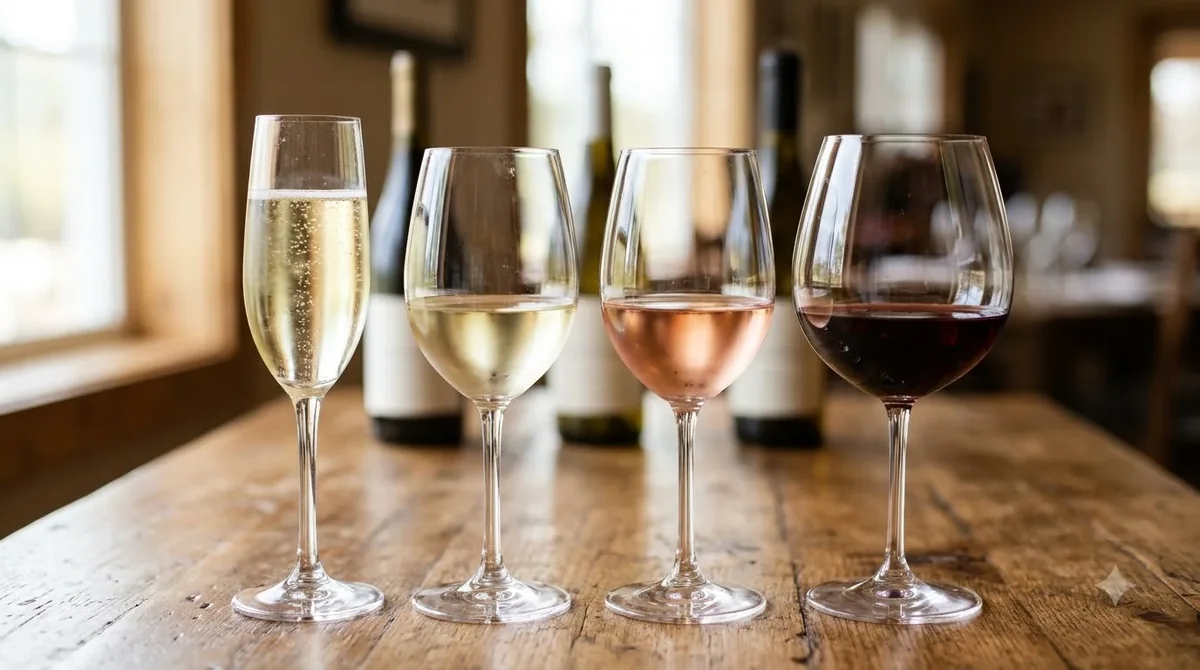
Hold the glass against a light background and note color and clarity. A sparkling wine may be pale lemon, while rosé can range from onion-skin to salmon pink; color alone does not determine quality. For sparkling wine, observe whether the bubbles appear fine and persistent. Smell before swirling, then gently rotate the glass and smell again. Look for lemon, apple, pear, peach, red berries, elderflower, herbs, toast, and biscuit.
Assess palate and finish
Acidity is one of the most useful features in English wine. Notice whether your mouth waters after a sip and whether the acidity feels crisp, sharp, or integrated. Body describes weight on the palate: a lean Bacchus may feel lighter than a rounded Chardonnay. For sparkling wines, consider the mousse and how it supports the wine; for reds, note whether tannin feels fine, firm, drying, or soft. The finish is the flavor and sensation that remain after swallowing. Judge balance rather than intensity alone. Note the strongest aroma, the main structural feature, and whether you would want the wine with food; record its grape, county, and vintage when available.
Tip: Taste in a consistent order: begin with dry sparkling wine, move to aromatic whites and fuller whites, then rosé and reds, and finish with any sweet wine. Sip water between samples and pause before comparing a second flight.
Plan a Vineyard Route and Book the Right Visit
Choose a compact area before selecting individual wineries. Sussex and Kent offer the broadest choice of tours, while Surrey and Hampshire are useful alternatives for visitors based near London or Winchester. A one-region day is easier to organize than trying to combine Kent, Cornwall, and Yorkshire in the same itinerary.
For a first visit, plan one guided tour and one additional tasting. A tour explains vineyard rows, grape varieties, and winemaking; a second appointment lets you compare another producer without rushing. Allow time for drives between South Downs estates or Kent villages rather than assuming neighboring vineyards are within walking distance. Travelers from London should compare transport before reserving: Denbies near Dorking is reported as less than an hour from London by train, but other estates may require a taxi or longer transfer. If driving, appoint a non-drinking driver or book transport with the tour.
Book directly with the estate or through a reputable tour operator. Confirm the meeting point, duration, tasting format, group size, accessibility, cancellation rules, and whether the visit includes a vineyard walk or only a seated flight. Ask about food, children, dogs, and indoor seating in wet weather; never assume a winery accepts walk-ins simply because it sells wine online. Season affects the experience: spring and summer show vines in leaf, harvest can restrict access to working areas, and winter visits often focus on the tasting room and cellar. Check the estate’s calendar.
Match the itinerary to your interests. Sparkling-wine fans should prioritize Sussex, Kent, or Hampshire and request a flight with different blends or lees-aging periods. Still-wine enthusiasts should consider Essex’s Crouch Valley or an estate with several Bacchus and Chardonnay bottlings. Ask whether wines are available on site and whether the winery ships internationally; customs and alcohol-import rules vary by destination.
Pair English Wines with Food and Serve Them Well
Food makes differences between English wines easier to understand. High acidity cuts through richness, bubbles refresh the palate, and moderate-bodied wines suit delicate dishes better than heavily seasoned meals. Match sweetness to the dish, watch chili heat, and avoid tannic reds with oily fish.
Traditional-method sparkling wine works with oysters, fried seafood, smoked salmon, fish and chips, and salty cheeses. Its acidity and bubbles refresh the palate after fried or creamy textures. A dry sparkling wine is also a good aperitif; a richer bottle with extended lees aging can match roast chicken, mushrooms, or savory pastry.
Bacchus pairs well with goat cheese, asparagus, spring vegetables, herb-roasted chicken, and shellfish; its aromatic character complements parsley, mint, dill, and citrus. English Chardonnay suits roast chicken, seared scallops, white fish, pork, and dishes with butter or cream. A lean stainless-steel style favors lemon-seasoned seafood, while a fuller or oak-influenced version can handle richer poultry or mushrooms. Pinot Noir suits roast duck, grilled salmon, mushrooms, or pork tenderloin; its low-to-medium tannin and high acidity make it more flexible than high-tannin Cabernet Sauvignon.
Serve sparkling wine at 40–50°F, light whites and rosé at 45–50°F, fuller whites at 50–55°F, light reds at 55–60°F, and full reds at 60–65°F; sweet whites generally show well at 43–50°F. Use a standard 5-ounce pour at a meal; a 750-milliliter bottle provides about five glasses. Refrigerate opened still wine and finish it within 3–5 days; opened sparkling wine is usually best within 1–3 days when resealed and kept cold. Wine should be at least as sweet as dessert, and acidic food needs equal or higher acidity. Salt and fat soften tannin, while chili heat is amplified by alcohol and tannin.
Frequently Asked Questions
These additional details help put England’s vineyard culture into context and answer questions that often arise after choosing a region.
What is England’s oldest commercial vineyard?
Hambledon Vineyard in Hampshire dates to 1952, when Major General Sir Guy Salisbury-Jones established it with the aim of making wine from Seyval Blanc. The estate later added Champagne varieties, reflecting the region’s suitability for cool-climate sparkling wine.
Where can someone study viticulture and winemaking in England?
Plumpton College in Sussex is a significant center for wine education. Its program offers master’s degrees in viticulture and oenology, the study of grape growing and winemaking. Its presence reflects how the region has developed expertise alongside its vineyards.
How far north do English vineyards extend?
Vineyards have been documented as far north as York. The largest concentration remains in southern England, but the presence of northern sites shows that English wine production is not confined to the counties closest to the Channel.
Is Cornwall part of England’s wine scene?
Yes. Camel Valley, near Bodmin in Cornwall, is one of the region’s best-known producers and is associated with sparkling wine. Cornwall’s maritime climate gives it a different setting from the chalk-focused vineyards of Sussex and Hampshire.
Can I meet the winemaker during a vineyard visit?
Some estates schedule winemaker talks or cellar walk-throughs, but a standard tour does not guarantee that the winemaker will be available. Ask for a winemaker-led date when booking if technical questions about blending or lees aging are a priority.
For a first trip, choose Sussex or Kent for English sparkling wine, or Essex for still Chardonnay, Pinot Noir, and Bacchus. Book a visit that explains both vineyard and winery, taste comparatively, and leave time for the landscape that gives these wines their cool-climate character.
More in Wine Regions
 Willcox Wine Trail: Discover Arizona’s High-Elevation Wine CountryUpdated Nov 20, 2026
 Yakima Valley Wine Region: Find the Best Styles to TryUpdated Nov 20, 2026
 Vosne Romanee Wine Tasting: Identify Aromas and Choose Better PairingsUpdated Nov 20, 2026
 Yakima Valley Wine Festival: Find the Best Seasonal Wine EventsUpdated Nov 20, 2026
 Wales Vineyards: Discover Cool-Climate Wines and Where to VisitUpdated Nov 20, 2026
 Yountville Wine Festival: Discover Napa Wines and Local FoodUpdated Nov 20, 2026