

We may earn a commission when you buy through links on this page, at no extra cost to you. Learn more.
Petaluma Gap wine is California coastal wine from a distinctive Sonoma and Marin County appellation known for its wind-shaped Pinot Noir, Chardonnay, and Syrah. Persistent Pacific breezes and morning fog slow grape ripening, helping preserve acidity while developing concentrated flavors and distinctive textures. The region’s most recognizable wines combine cool-climate freshness with more structure and richness than many people expect from a coastal growing area.
California has many wine regions influenced by the Pacific Ocean, but the Petaluma Gap has an especially distinctive identity. Its geography creates a natural corridor for cool marine air, exposing vineyards to afternoon winds that influence how grapes develop throughout the growing season. The result is a varied collection of wines, from floral, finely structured Pinot Noir to mineral-driven Chardonnay and peppery Syrah. Understanding the appellation’s location, growing conditions, and major vineyards makes it easier to recognize what distinguishes these bottles.
Where the Petaluma Gap Wine Region Is Located
The Petaluma Gap is an American Viticultural Area spanning southern Sonoma County and northern Marin County in Northern California. Its approximately 202,476 acres extend from the Pacific coast near Bodega Bay toward San Pablo Bay, with the city of Petaluma serving as an important geographical reference point.
The appellation was officially approved on December 7, 2017, and took effect on January 8, 2018. This recognition established a distinct identity for a winegrowing area whose environmental characteristics had already attracted growers and winemakers. The Petaluma Gap Winegrowers Alliance, founded in 2005, played an important role in pursuing official recognition and explaining the region’s distinctive growing conditions.
Although the AVA covers more than 200,000 acres, vineyards occupy a much smaller area. Approximately 4,000 acres are planted to wine grapes, creating a relatively concentrated winegrowing landscape within a much larger geographical boundary. This distinction matters because the appellation describes an agricultural region, not a continuous expanse of vineyards.
The Petaluma Gap also has an interesting relationship with neighboring wine regions. It overlaps geographically with the larger Sonoma Coast AVA in Sonoma County and sits within the broader North Coast AVA. Consequently, grapes from certain vineyards may qualify for more than one appellation designation, depending on the applicable boundaries and labeling requirements.
For wine enthusiasts, the Petaluma Gap name provides more specific geographical information than simply seeing Sonoma County or Sonoma Coast on a bottle. It identifies a particular combination of coastal exposure, wind patterns, and vineyard conditions. Readers exploring other California appellations can also browse our guide to Wine Regions to understand how American Viticultural Areas help identify wine origins.
The region is not defined by a single village or one dominant estate. Instead, its identity comes from a network of vineyards spread across rolling hills, valleys, and coastal-influenced sites. This grower-oriented structure explains why the same vineyard can supply grapes to several different wineries, each producing a different interpretation of the location.
How Pacific Winds and Fog Shape the Climate
The defining characteristic of Petaluma Gap wine is the influence of Pacific marine air. A roughly 15-mile-wide opening in the coastal mountain range allows cool ocean air to move inland toward San Pablo Bay, creating conditions that differ from more sheltered parts of Sonoma County.
The daily weather pattern is particularly important. During the growing season, mornings frequently begin with cool temperatures and fog. Sunshine usually becomes more prominent later in the morning, allowing temperatures to rise before afternoon breezes strengthen. As the day progresses, the marine air brings renewed cooling, and fog often returns during the evening or night.
According to Wine Enthusiast’s reporting on the appellation, daily temperature swings of approximately 40–50 degrees Fahrenheit can occur during the growing season. These substantial differences between daytime warmth and nighttime cooling help explain why grapes can develop ripe flavors while retaining refreshing acidity.
Wind influences the vines as well as the temperature. Strong, persistent air movement can reduce photosynthetic activity as vines respond to water loss and environmental stress. This slows sugar accumulation and can extend the period grapes remain on the vine before harvest. The resulting smaller berries and thicker skins can contribute to concentrated fruit character, texture, and tannin structure.
These conditions also create challenges for vineyard management. Growers must consider wind exposure, water availability, canopy management, slope direction, and the timing of seasonal weather changes. A site receiving moderate afternoon breezes may behave differently from an exposed hillside where stronger winds repeatedly stress the vines.
The Petaluma Gap Winegrowers Alliance describes the area as having a mild Mediterranean climate, with warm, dry summers and cool, wet winters. However, its coastal influence makes the region cooler and windier than many inland California growing areas. More information about these growing conditions is available from the Petaluma Gap Winegrowers Alliance climate overview.
The combination of sunshine, cool air, and extended ripening is particularly useful for grapes that benefit from a long growing season. Pinot Noir, Chardonnay, and Syrah are the principal varieties, although individual vineyards can produce meaningful differences in ripeness, acidity, and structure.
The Three Signature Grapes: Pinot Noir, Chardonnay, and Syrah
Pinot Noir, Chardonnay, and Syrah define the Petaluma Gap’s wine identity. According to Sonoma County’s regional wine information, Pinot Noir represents approximately 75% of vineyard acreage, Chardonnay accounts for 13%, and Syrah represents another 12%.
Pinot Noir is the dominant variety by a substantial margin. Its relatively thin skins and preference for cooler growing conditions make it particularly suitable for the region. Petaluma Gap Pinot Noir can combine red cherry, raspberry, cranberry, and strawberry flavors with floral aromas, savory undertones, and noticeable acidity.
Texture and structure vary according to the vineyard site and winemaking decisions. Some examples emphasize delicate red fruit, fresh acidity, and floral detail. Others are denser, with darker fruit, firmer tannins, and a more substantial palate. Wines from Gap’s Crown Vineyard, for example, have been described as having brambly red fruit, floral notes, and spice.
Chardonnay is the second major variety. The region’s cool growing conditions help preserve acidity, making it possible to produce wines with citrus, apple, pear, and mineral characteristics. Depending on fermentation and aging choices, the wine may be crisp and restrained or fuller in texture with notes of vanilla, toast, and subtle spice.
Oak treatment is an important consideration when choosing Petaluma Gap Chardonnay. Stainless-steel fermentation generally emphasizes freshness and primary fruit, while barrel fermentation or aging can contribute creamier textures and more complex aromas. Neither approach defines the appellation by itself; vineyard conditions and winemaking decisions work together.
Syrah occupies a smaller but particularly interesting position in the region. Its character often resembles cool-climate Northern Rhône examples more than the very ripe, jammy Syrah associated with warmer locations. Expect black pepper, dark berries, violets, savory herbs, and sometimes smoky or meaty nuances.
Rodgers Creek Vineyard is an important reference point for understanding the appellation’s Syrah identity. Winemaker David Ramey has highlighted its pronounced rotundone character, referring to the aromatic compound associated with Syrah’s distinctive peppery notes.
| Grape variety | Approximate vineyard share | Typical characteristics | Common wine style |
|---|---|---|---|
| Pinot Noir | 75% | Red cherry, raspberry, floral notes, savory spice | Fresh, structured red |
| Chardonnay | 13% | Citrus, apple, pear, mineral notes | Crisp to medium-bodied white |
| Syrah | 12% | Black pepper, dark berries, violet, savory herbs | Structured, savory red |
| Other varieties | Less than 1% | Depends on grape and vineyard | Small-production specialty wines |
These percentages provide a useful overview of the region’s planting distribution rather than a guarantee about the composition of any particular bottle. Producers also experiment with less common varieties, including Viognier, Riesling, Grenache, and other grapes suited to individual vineyard conditions.
What Petaluma Gap Wines Taste Like
Petaluma Gap wines are generally recognized for balancing ripe fruit with coastal freshness. The region’s cool temperatures and persistent winds help preserve acidity, while longer ripening periods and favorable sunlight can contribute concentration and texture.
Pinot Noir offers one of the clearest expressions of this balance. Red cherry, cranberry, raspberry, and pomegranate are common fruit associations, often accompanied by rose petals, baking spices, forest-floor notes, or subtle earthiness. Acidity provides definition, while the structure can range from delicate to relatively firm depending on the vineyard and producer.
Unlike extremely light-bodied interpretations of cool-climate Pinot Noir, some Petaluma Gap examples have considerable density. Decanter has highlighted how the region’s combination of wind exposure and afternoon sunshine can contribute to fuller-bodied, structured Pinot Noir compared with certain colder coastal sites. This helps explain why wines from different Petaluma Gap vineyards should not automatically be expected to taste identical.
Chardonnay offers a different expression of the appellation. Fresh examples may emphasize lemon, green apple, pear, and a mineral impression. More substantial versions can develop ripe stone-fruit character, creamy texture, and subtle toast or vanilla from barrel aging. Acidity remains an important part of the wine’s structure.
Syrah tends toward savory rather than overtly sweet fruit expression. Blackberry, blueberry, black pepper, violet, and herbal notes can appear alongside earthy or smoky characteristics. The peppery quality associated with rotundone is particularly relevant to understanding the identity of wines from Rodgers Creek Vineyard.
There is also meaningful variation within the appellation. Southern Marin sites such as McEvoy Ranch can produce lighter, more floral expressions, while higher-elevation vineyards such as Gap’s Crown and Sun Chase can produce richer wines with more substantial mouthfeel. These differences demonstrate why the name of an individual vineyard can be just as useful as the AVA designation.
Not every wine will show every characteristic described here. Clone selection, harvest timing, fermentation, oak treatment, extraction, and aging all influence the final result. A restrained Chardonnay from one producer may taste quite different from a barrel-aged bottling sourced from another vineyard, even if both carry the same appellation.
Notable Vineyards and Wineries to Know
Petaluma Gap is particularly interesting because vineyard identity often plays a larger role than the physical location of a winery. Several established vineyards supply fruit to multiple producers, allowing wine enthusiasts to compare different interpretations of the same growing site.
Gap’s Crown Vineyard is one of the region’s best-known vineyard names. Located in Sonoma County, it is associated with Pinot Noir and Chardonnay and supplies grapes to several producers. Its western-facing slopes and distinctive soils contribute to the site’s individual character.
The soils described by Wine Enthusiast include clay loam, sandy loam, volcanic material, and gravelly river cobbles. Differences in exposure, drainage, and wind patterns across the vineyard can influence ripening and the character of individual blocks. Wines made from its fruit are often recognized for their structure, concentration, and floral-spice character.
Sun Chase Vineyard is another important site. It is associated with Alex Guarachi and supplies Pinot Noir and Chardonnay to multiple producers. Its higher-elevation position relative to some southern sites can contribute to a different ripening environment and richer wine styles.
Roberts Road Vineyard, owned and farmed by the Sangiacomo family, is another notable source of Petaluma Gap grapes. Its fruit has appeared in vineyard-designated wines from different producers, giving consumers an opportunity to compare how individual winemaking approaches interpret the same vineyard.
Rodgers Creek Vineyard deserves particular attention from Syrah enthusiasts. Its association with David Ramey’s wines has helped establish a reputation for cool-climate Syrah with pronounced pepper and savory characteristics. The site demonstrates that Petaluma Gap’s identity extends beyond Pinot Noir and Chardonnay.
Keller Estate is a significant winery within the appellation. Its La Cruz Vineyard was planted to Chardonnay in 1989, and the estate later expanded its grape varieties to include Pinot Noir, Syrah, Viognier, and Pinot Gris. Keller Estate is also notable for being among the wineries with a tasting room within the appellation.
Other producers associated with Petaluma Gap fruit include Kosta Browne, Ramey Wine Cellars, Rodney Strong Vineyards, Patz & Hall, and Trombetta Family Wines. Some producers operate tasting rooms elsewhere in Sonoma County, so a wine carrying the Petaluma Gap designation does not necessarily come from a winery physically located inside the AVA.
For a closer look at the area’s producers, explore our guide to Petaluma Gap wineries. Readers interested in comparing individual growing sites can also consult our overview of Petaluma Gap vineyards.
How to Choose, Serve, and Pair Petaluma Gap Wine
The easiest way to choose Petaluma Gap wine is to begin with the grape variety and the style you enjoy. Pinot Noir suits drinkers who appreciate fresh red fruit and structured but relatively moderate tannins, Chardonnay works for those who prefer coastal white wines, and Syrah offers a more savory and peppery alternative.
When comparing Pinot Noir bottles, pay attention to vineyard-designated labels. Gap’s Crown, Sun Chase, and Roberts Road can offer useful points of comparison because they identify specific growing locations rather than simply the broad appellation. Differences in elevation, exposure, and soil can translate into different expressions of fruit and texture.
For Chardonnay, consider whether the producer emphasizes freshness or barrel influence. A lightly handled version may work particularly well with seafood and vegetable dishes, while a richer barrel-aged example can stand up to roasted chicken, creamy sauces, and richer preparations.
For Syrah, look for descriptions involving black pepper, savory herbs, dark berries, or Northern Rhône-style character. These clues suggest a more restrained, aromatic approach rather than a heavily ripe, sweet-fruited style.
Serving temperature makes a meaningful difference to the wines’ aromas and structure. Pinot Noir is generally best served at 55–60°F, while full-bodied Syrah benefits from approximately 60–65°F. Chardonnay is usually most expressive around 50–55°F, although lighter examples can be served slightly cooler.
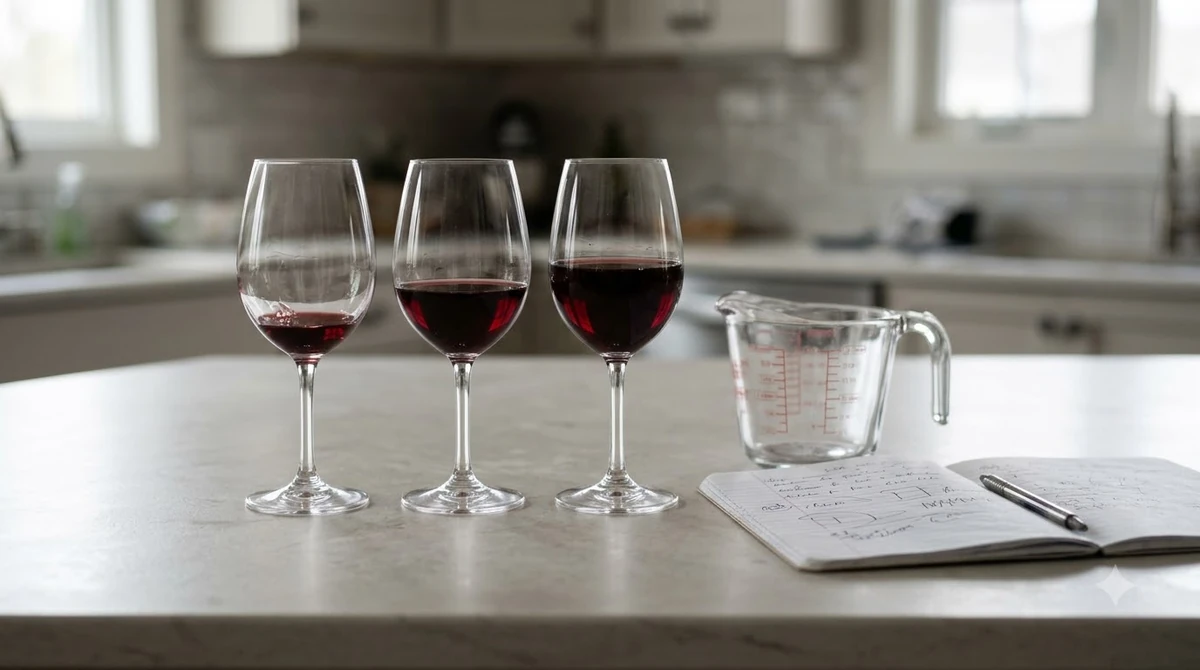
A 750 ml bottle provides approximately five standard 5-ounce servings. Pouring moderate amounts gives the wine room to release its aromas without filling the glass too far. Pinot Noir and Syrah can benefit from a little time in the glass, while most fresh Chardonnay can be enjoyed shortly after opening.
Food pairing should take acidity, tannin, richness, and seasoning into account. Petaluma Gap Pinot Noir works particularly well with roast chicken, duck, mushroom dishes, pork tenderloin, and salmon preparations that are not overly oily. Its acidity helps balance richer food, while its moderate tannin is generally more accommodating than that of Cabernet Sauvignon.
Chardonnay is a natural partner for grilled fish, shellfish, roast poultry, and dishes with butter-based sauces. Its acidity can balance richness, while oak-aged versions can complement roasted flavors and creamy textures. For an acidic dish containing lemon or vinaigrette, choose a Chardonnay with enough freshness to maintain balance.
Syrah is well suited to grilled lamb, beef, sausages, roasted mushrooms, and dishes seasoned with rosemary, thyme, or black pepper. Its more substantial structure works with savory flavors, while salt and fat can soften the perception of tannin.
Tip: Avoid serving full-bodied red wines too warm. A Petaluma Gap Pinot Noir served around 57°F or a Syrah served around 62°F can show more clearly defined fruit, acidity, and savory aromas than the same wine served at a warm room temperature. If a bottle is too cold, allow it to warm gradually in the glass.
For storage, keep unopened bottles in a cool, dark location near 55°F, ideally with consistent temperatures and limited vibration. Store cork-finished bottles on their sides to keep the cork from drying out. Once opened, refrigerate still wines and generally aim to finish them within three to five days, depending on the wine and its condition.
Frequently Asked Questions
Is Petaluma Gap wine part of Sonoma Coast?
Petaluma Gap and Sonoma Coast are separate AVA designations, although their geographical boundaries overlap in Sonoma County. A wine from an eligible vineyard may use either appellation when it meets the relevant labeling requirements. The Petaluma Gap designation provides more specific information about this particular wind-influenced growing area.
When was the Petaluma Gap officially recognized?
The federal approval was published on December 7, 2017, and the appellation became effective on January 8, 2018. The recognition followed years of work by local growers and winemakers. The Petaluma Gap Winegrowers Alliance formally submitted its application in 2015.
Can Petaluma Gap wine be made into sparkling wine?
Yes. The region’s naturally high-acid grapes and relatively low sugar accumulation can provide suitable raw material for sparkling wine production. Pinot Noir and Chardonnay are particularly relevant varieties for traditional-method sparkling wines, which undergo their second fermentation in the bottle.
Are all Petaluma Gap vineyards located near the Pacific Ocean?
No. Although the appellation reaches the Pacific coastline, many commercial vineyards are farther inland. The western boundary is the ocean, but the immediate coastal environment can be too cold for consistent grape production. The appellation’s vineyard sites are distributed across its valleys, hillsides, and inland areas.
Does the Petaluma Gap have a long history of grape growing?
Yes. General Mariano Vallejo planted grapevines near the Petaluma Adobe during the 1830s. Before Prohibition, the area had approximately 1,000 acres producing wine grapes. Modern recognition as a distinct AVA came much later, but local viticulture has historical roots stretching back nearly two centuries.
Petaluma Gap wine offers a distinctive expression of California’s coastal growing conditions, with persistent winds, marine fog, and diverse vineyard sites shaping its principal varieties. Pinot Noir remains the region’s signature, but Chardonnay and Syrah deserve equal attention from anyone interested in understanding its range. Exploring wines from different vineyards and producers is one of the best ways to appreciate the appellation’s character and the influence of its remarkable geography.
More in Wine Regions
 Willcox Wine Trail: Discover Arizona’s High-Elevation Wine CountryUpdated Nov 20, 2026
 Yakima Valley Wine Region: Find the Best Styles to TryUpdated Nov 20, 2026
 Vosne Romanee Wine Tasting: Identify Aromas and Choose Better PairingsUpdated Nov 20, 2026
 Yakima Valley Wine Festival: Find the Best Seasonal Wine EventsUpdated Nov 20, 2026
 Wales Vineyards: Discover Cool-Climate Wines and Where to VisitUpdated Nov 20, 2026
 Yountville Wine Festival: Discover Napa Wines and Local FoodUpdated Nov 20, 2026