

We may earn a commission when you buy through links on this page, at no extra cost to you. Learn more.
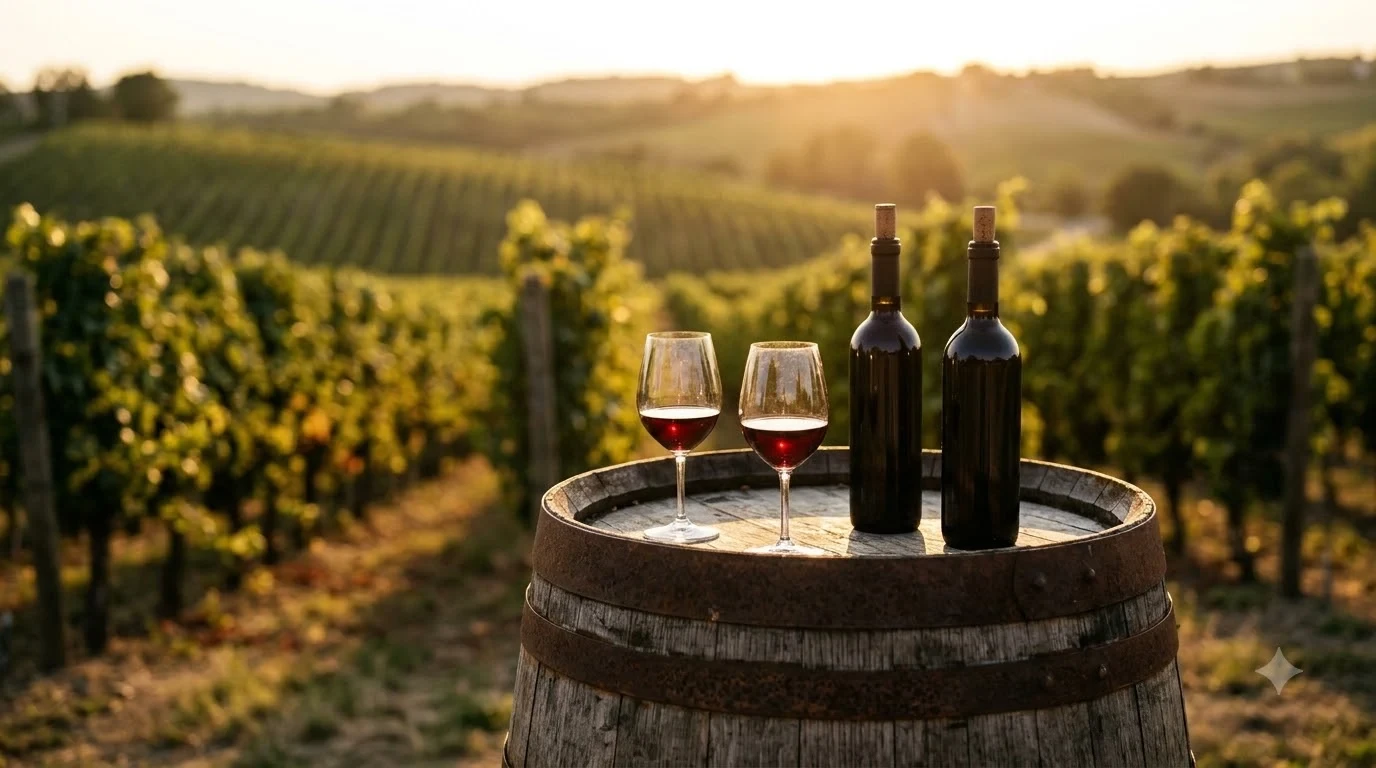
Cyprus vineyards are concentrated around the foothills and high slopes of the Troodos Mountains, where indigenous grapes such as Xynisteri, Mavro, and Maratheftiko produce fresh whites, characterful reds, and the historic sweet wine Commandaria. The island combines a long Mediterranean growing season with mountain elevations that can exceed 1,500 meters, creating a range of conditions across its seven official wine routes. Understanding the regions and their native varieties makes it easier to choose bottles that show more than the island’s famous dessert wine.
Cyprus is a small island with a surprisingly varied wine map. Its producers work with traditional grapes and international varieties, from coastal-influenced vineyards near Paphos to steep inland plots around Pitsilia and the villages associated with Commandaria. The result is a wine culture that links ancient techniques with modern cellar practices, and that rewards attention to place rather than assumptions about a single island style.
Where the Vineyards Grow and Why Elevation Matters
Most of Cyprus’s main wine-growing areas lie around the foothills of the Troodos range in the island’s center and southwest. The mountain setting is crucial: Decanter describes vineyards reaching a maximum elevation of about 1,520 meters, while the hotter Mediterranean lowlands create a different ripening environment from the cooler, higher sites.
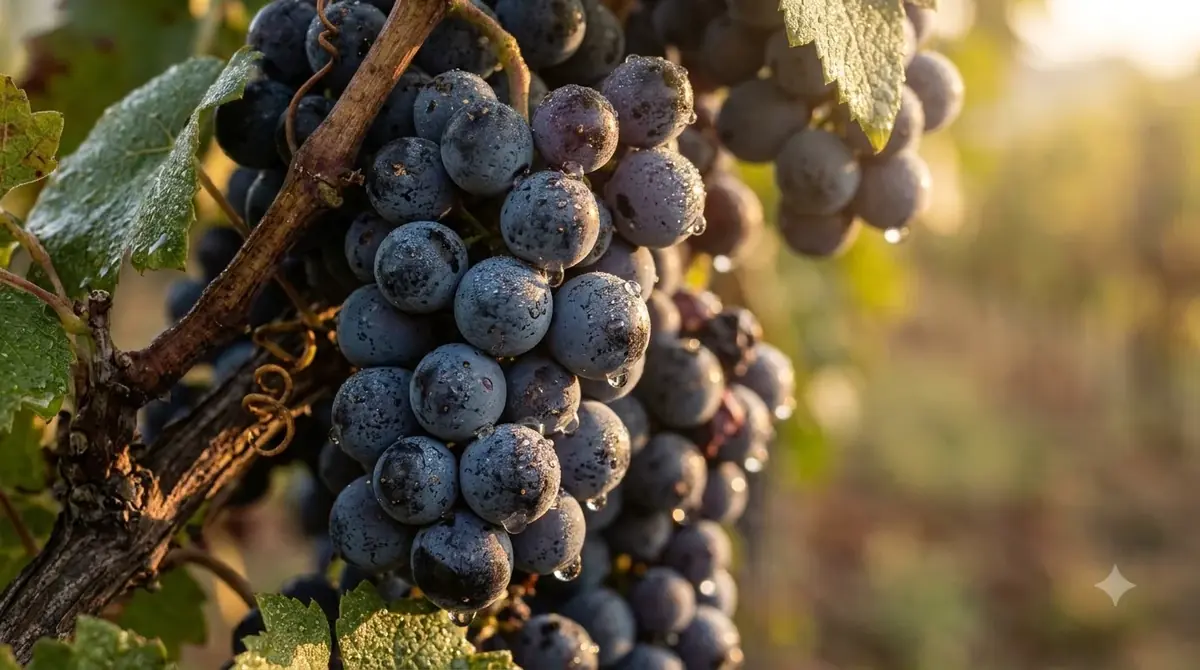
Cyprus has long, hot summers, and Decanter notes that desert winds from the Sahara also influence viticulture. Water is scarce in many growing areas, so vineyard landscapes often include terraces that help farmers work steep slopes. Some sites use trellised vines and irrigation, while others retain old bush-trained vines. The combination of exposure, slope, altitude, soil, and water availability means that two vineyards a short drive apart can produce grapes with noticeably different balances of ripeness and freshness.
Elevation is one practical response to heat. Higher sites can retain more acidity and develop flavor at a slower pace than warmer lowland sites, which is one reason producers have invested in mountain vineyards. Decanter reports that Kyperounda uses fruit from an average altitude of around 1,400 meters, with some plots reaching 1,520 meters; it also describes Tsiakkas plantings at approximately 1,460 meters in Pitsilia. Those figures help explain why mountain-grown Xynisteri can feel lively even in a warm island climate.
Cyprus is also notable because the island is described as phylloxera-free. Decanter reports that many vineyards include old bush vines, including examples at Santa Irene in Farmakas that were described as 150 years old and dry-farmed. That is a producer-specific example rather than a claim about every vineyard, but it illustrates the survival of very old plant material in parts of the island. For readers comparing mountain-influenced wine regions, the contrasts with Tasmania vineyards are useful: both demonstrate how elevation and regional climate can shape wine, even though their overall climates are very different.
Seven Wine Routes and Their Regional Differences
Cyprus’s official wine-tourism network has seven routes, each organized around geography, local grape varieties, and nearby places of interest. The routes are a useful way to understand the island’s wine map because they connect wineries with villages, taverns, museums, and cultural sites rather than treating a wine region as a collection of tasting rooms.
The seven routes are Laona–Akamas, Vouni Panagias–Ambelitis, Diarizos Valley, Krasochoria Lemesou (the Limassol wine villages), Commandaria, Pitsilia, and Mountainous Larnaka–Lefkosia. The western routes around Paphos show several distinct profiles. Laona–Akamas benefits from sea breezes and is associated with Xynisteri whites and Maratheftiko reds; the route includes four wineries. The Vouni Panagias–Ambelitis route climbs to around 800 meters and includes ten wineries, with Xynisteri, Maratheftiko, and Mavro among the grapes grown there.
Diarizos Valley lies at a lower altitude than several of the island’s other main wine-growing areas. The local tourism authority highlights the indigenous red grape Mavro along this route, which follows the Diarizos River east of Paphos. Farther east, Krasochoria Lemesou covers the wine villages northwest of Limassol, while the Commandaria route links the designated villages north of the city. Pitsilia occupies mountainous country near the upper Troodos slopes, and the Mountainous Larnaka–Lefkosia route extends the wine map into the island’s east-central interior.
The routes are not interchangeable. A visitor interested in coastal influence and aromatic whites might begin around Laona–Akamas; someone looking for high-altitude vineyards could prioritize Pitsilia or Vouni Panagias–Ambelitis; and anyone studying traditional sweet-wine production should focus on Commandaria. The official Cyprus wine routes overview lists all seven itineraries and explains that the routes were designed around regional geography and indigenous grapes. It is a helpful starting point for planning a trip, but winery hours and tasting arrangements still need to be confirmed directly.
Indigenous Grapes to Know: Xynisteri, Mavro, and Maratheftiko
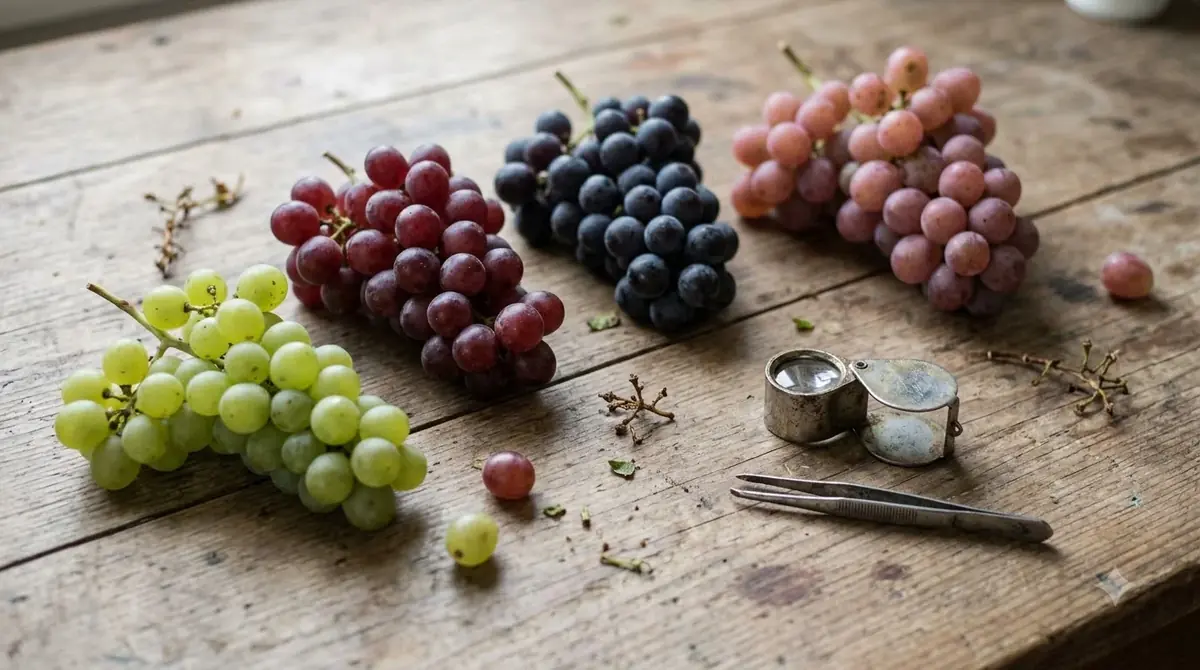
Cyprus’s native grapes are central to its identity, and three varieties provide a strong introduction: Xynisteri for white wine, Mavro for red wine and traditional blends, and Maratheftiko for more structured, aromatic reds. International grapes also grow on the island, but native varieties offer the clearest sense of how Cypriot producers interpret their own landscape.
Xynisteri is the island’s most widespread white grape. The Cyprus tourism authority describes it as producing pale, light wines with a relatively modest alcohol level of about 11 to 11.5 percent. Depending on site and winemaking, a bottle may emphasize citrus, green apple, peach, apricot, or melon, with freshness that makes it a natural match for grilled fish, shellfish, salads, and vegetable dishes. The grape is not limited to simple early-drinking styles: high-elevation fruit and careful cellar work can produce whites with more texture and the ability to develop in bottle.
Mavro is a dark-skinned local variety whose name means “black.” The tourism authority describes its berries as large and juicy and its wines as relatively light in color and taste. That lighter profile helps explain its traditional role in blends and in Commandaria, where it is combined with Xynisteri after the grapes have been dried. Dry Mavro wines can be useful introductions to Cyprus for drinkers who prefer softer reds rather than highly tannic, heavily extracted styles.
Maratheftiko is a native red grape known for more vivid fruit and floral character. The Pafos regional tourism authority associates it with red fruit, violets, and roses, while Decanter notes that Maratheftiko and Yiannoudi are unusual because they cannot self-pollinate, a practical challenge for growers. Producers also work with varieties such as Ofthalmo, Yiannoudi, Morokanella, Promara, Spourtiko, and Vasilissa. Chardonnay, Sauvignon Blanc, Riesling, Cabernet Sauvignon, and Syrah are among the international grapes found on the island, so a Cyprus wine list can move from local varieties to familiar international styles without leaving the region.
Commandaria: The Island’s Historic Sweet Wine
Commandaria is Cyprus’s best-known traditional wine and one of the world’s oldest named wines still in production. It is a sweet, fortified-or-unfortified style made only within a defined area from the indigenous varieties Xynisteri and local Mavro, and its production rules tie the wine to a specific group of villages north of Limassol.
The Commandaria PDO covers 14 villages, including Zoopigi, Lania, Sylikou, and Agios Mamas. According to Cyprus’s National Commission for UNESCO, the grapes must come from non-irrigated vineyards in those communities and are sun-dried before vinification. The grapes’ concentration gives the wine its natural sweetness and intense aromas. The designated area sits between Limassol and the Troodos range, with vineyards between 400 and 900 meters above sea level.
Place matters as much as the method. The UNESCO account describes hot, dry summers, abundant sunshine, limited rainfall, and soils that include limestone and volcanic material. The western part of the region has calcareous soils and slopes, while the eastern side rises into rocky volcanic terrain. Commandaria must mature in oak casks for at least two years, and it may be fortified or made without fortification. Together, those conditions connect the wine in the glass with the villages, grapes, and climate that define the appellation.
Commandaria is not simply a historic curiosity. It remains a distinctive dessert wine, often showing concentrated dried-fruit character, and it works well with blue cheese, nut-based desserts, dried figs, or a small piece of dark chocolate. Serve it in a smaller pour than a dry table wine and avoid pairing it with a dessert sweeter than the wine itself. Cyprus’s National Commission for UNESCO documents the traditional vineyard and winemaking practices as part of the island’s intangible cultural heritage; its Commandaria heritage record describes the protected area and the 14 communities involved.
What Cyprus Wines Taste Like and How to Serve Them
Cyprus does not have one universal house style. Xynisteri often provides a refreshing white-wine starting point, Mavro can deliver a lighter red, and Maratheftiko or international-variety reds can have firmer structure. Commandaria sits in a different category as a concentrated sweet wine, so tasting across these styles gives a clearer picture of the island than relying on one familiar label.
For everyday pairings, use the wine’s structure as a guide. Fresh Xynisteri generally suits grilled sea bream, calamari, halloumi, lemony vegetables, and herb-forward dishes. A lighter Mavro can work with grilled chicken, pork, tomato-based meze, or mildly spiced sausages. Maratheftiko and fuller Syrah-based reds have more presence for lamb, roasted vegetables, and dishes with herbs or char. Salt and fat can soften tannin, while a very spicy dish can make alcohol and tannin feel more pronounced. As with other wine regions, acidic dishes need a wine with at least as much acidity, and sweet foods call for a wine at least as sweet as the dessert.
| Cyprus wine style | Typical character | Serving temperature | Useful pairing |
|---|---|---|---|
| Xynisteri and other light whites | Citrus, orchard fruit, lively freshness | 45–50°F | Seafood, salads, grilled halloumi |
| Richer or fuller-bodied whites | Riper fruit, broader texture | 50–55°F | Roast poultry, richer fish, creamy vegetables |
| Light reds, including softer Mavro | Fresh red fruit, moderate structure | 55–60°F | Chicken, pork, tomato-based meze |
| Structured reds, including Maratheftiko | Red or dark fruit, floral notes, firmer tannin | 60–65°F | Lamb, grilled meats, roasted eggplant |
| Commandaria | Sweet, concentrated dried-fruit character | 43–50°F | Blue cheese, dried figs, nut desserts |
Temperature makes a measurable difference. Serving a white too warm can make its alcohol feel more prominent and its acidity less refreshing, while serving a red too warm can exaggerate alcohol and soften its structure. A useful baseline is a 5-ounce pour; a standard 750-milliliter bottle holds about five such glasses. Chill light whites before serving, and give structured reds a little time in the glass after opening rather than assuming every red needs to be served at room temperature.
Tip: Put Xynisteri in the refrigerator a few hours before dinner, then let the bottle warm slightly in the glass if its aromas seem muted. Serve Commandaria cool, around 43–50°F, so its sweetness stays balanced by its acidity and aromatic detail.
Vineyard Practices, Producers, and Planning a Visit
Cyprus’s wine landscape reflects both environmental constraints and a changing approach to quality. Water scarcity, summer heat, and steep terrain make vineyard work demanding, yet the island’s elevation range gives growers options for protecting freshness. Traditional bush vines and dry-farmed plots sit alongside trellised vineyards, irrigation in selected sites, and wineries using modern equipment. The contrast is visible around Pafos: in Stroumbi, SODAP-Kamanterena has produced wine since 1947; Kathikas is associated with Vasilikon and Sterna; and Statos–Agios Fotios has boutique producers including Avakas and Kolios. The Pafos regional tourism authority also identifies Vouni Panayia, Tsangarides in Lemona, Lagria in Salamiou, and Nelion in Pretori as winery stops. Tasting-room access and tour schedules can differ by producer and season.
For a first trip, choose one route and allow time for the villages between wineries rather than attempting to cross the entire island in a single day. Around Paphos, Laona–Akamas and Vouni Panagias–Ambelitis offer good contrasts between sea-influenced slopes and higher inland vineyards; around Limassol, Krasochoria and Commandaria provide different ways to explore the wine villages and the historic sweet wine. Travelers interested in appellation systems can compare Cyprus’s PDO structure with Chianti Classico vineyards, where place names and production rules also define regional identity. Before setting out, contact wineries to confirm whether visits require an appointment, which languages are available, and whether tastings include local varieties. The official tourism portal advises visitors to check opening times before traveling.
When buying bottles outside the island, look beyond the country name and check the grape, region, and style. A dry Xynisteri, a red made from Maratheftiko, and a bottle of Commandaria are very different experiences. A small notebook can help distinguish Xynisteri from one producer to another, or record whether a Maratheftiko comes from a higher or lower site. The same approach helps when comparing Cyprus with other regions: Uruguay vineyards show a different Atlantic-influenced setting, while a broader overview of Wine Regions can place Cyprus among the world’s major and emerging wine areas. Starting with one bottle of each local style, then exploring a second producer of the same grape, reveals how elevation, harvest decisions, and cellar choices affect the final character.
Frequently Asked Questions
These answers cover the island’s archaeological evidence, the older name for Commandaria, and a few practical distinctions among local wine and spirits.
How old is winemaking in Cyprus?
Chemical analysis of 18 vessel fragments found near Erimi identified tartaric acid, a component associated with wine. The fragments date to the Chalcolithic period, between 3500 and 3000 BC, and were examined by Italian archaeologists in 2005.
Was Commandaria once known by another name?
Yes. Cyprus’s Pafos regional tourism authority notes that the sweet wine was known in antiquity as “Cyprus Nama.” The name Commandaria is linked to the medieval Latin term for the administrative district associated with the Knights Templar and later the Hospitallers.
How is a wine route different from a PDO?
A wine route is a visitor itinerary that can connect wineries with taverns, restaurants, churches, museums, and other local attractions; a PDO is a legally protected designation tied to a defined origin and production rules. Cyprus’s seven official routes were created in two EU-funded project phases, from 2004 to 2006 and from 2007 to 2013.
What is Zivania?
Zivania is Cyprus’s traditional grape spirit. The island’s tourism authority notes that Mavro and Xynisteri are also used in its production, so the two important native grapes appear in both the wine tradition and the island’s distilling culture.
How many wine PDO designations does Cyprus have?
Decanter lists seven: Commandaria, Krasochoria Lemesou, Krasochoria Lemesou–Afamis, Krasochoria Lemesou–Laona, Pitsilia, Laona–Akamas, and Vouni Panagias–Ambelitis. This is a separate classification from the seven tourism wine routes, even though several names overlap.
Cyprus offers much more than a single historic sweet wine: its mountain vineyards, native grapes, and seven wine routes create a varied picture of Mediterranean winemaking. Begin with Xynisteri, Maratheftiko, and Commandaria, then use the region or route on the label to explore the island one producer and village at a time.
More in Wine Regions
 Willcox Wine Trail: Discover Arizona’s High-Elevation Wine CountryUpdated Nov 20, 2026
 Yakima Valley Wine Region: Find the Best Styles to TryUpdated Nov 20, 2026
 Vosne Romanee Wine Tasting: Identify Aromas and Choose Better PairingsUpdated Nov 20, 2026
 Yakima Valley Wine Festival: Find the Best Seasonal Wine EventsUpdated Nov 20, 2026
 Wales Vineyards: Discover Cool-Climate Wines and Where to VisitUpdated Nov 20, 2026
 Yountville Wine Festival: Discover Napa Wines and Local FoodUpdated Nov 20, 2026