

We may earn a commission when you buy through links on this page, at no extra cost to you. Learn more.
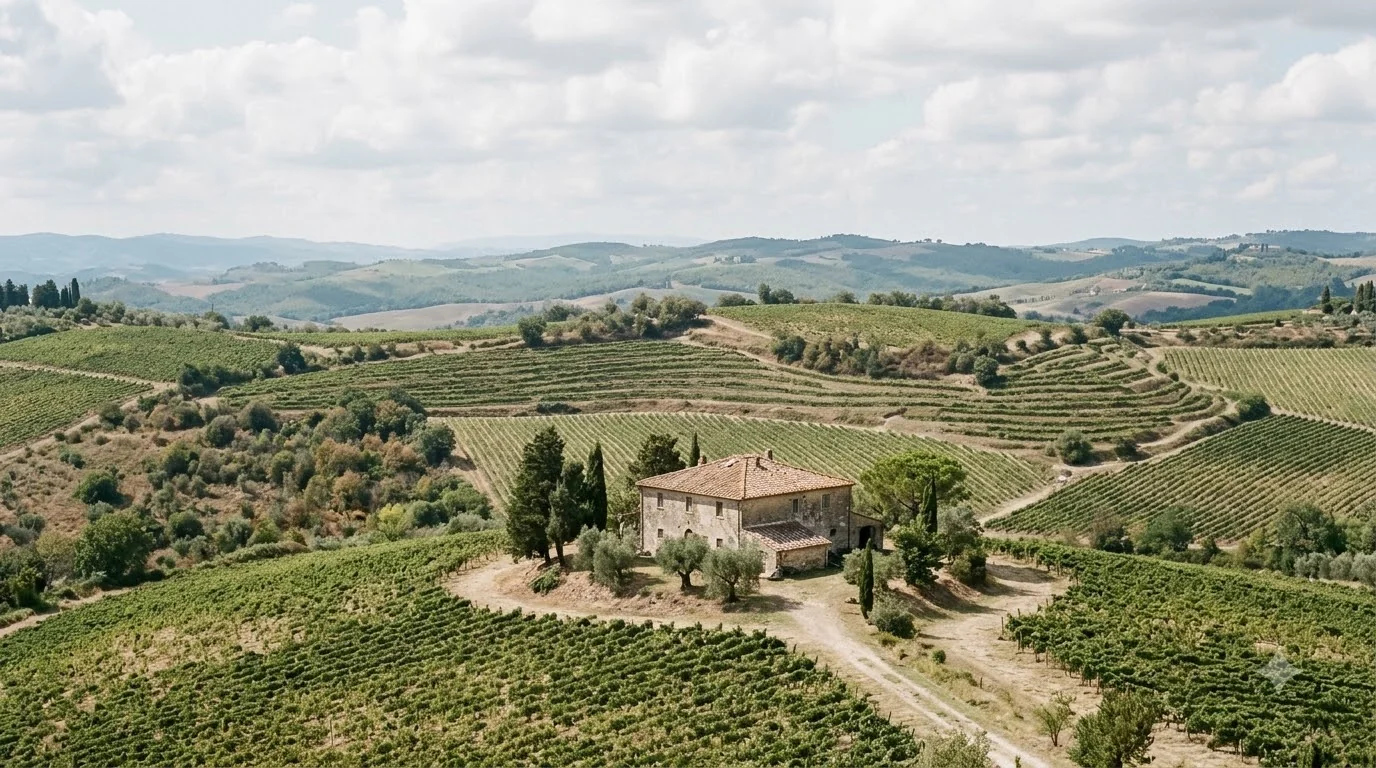
The japan wine region encompasses several distinct wine-producing areas, led by Yamanashi, Nagano, Hokkaido, and Yamagata, each producing wines shaped by its climate, landscape, and grape varieties. Yamanashi is best known for the indigenous white grape Koshu, while Nagano has developed a strong reputation for Merlot and Chardonnay. Hokkaido specializes in cool-climate winemaking, and Yamagata contributes distinctive regional wines to Japan’s expanding domestic industry. Together, these areas offer a fascinating alternative to more familiar European wine regions.
Japanese wine has a relatively short commercial history compared with France, Italy, or Spain, but its development reflects a serious commitment to matching grape varieties with local growing conditions. Mountain valleys, coastal influences, significant rainfall, and seasonal temperature differences all affect how grapes ripen. Understanding the major wine-producing areas makes it easier to recognize Japanese bottles, appreciate their individual characteristics, and choose wines that complement food. For anyone exploring international wine, Japan deserves attention alongside established destinations such as the Savoie wine region and the Switzerland wine region.
Japan’s Wine Geography and Winemaking History
Japanese wine production is spread across an archipelago with substantial differences in climate, elevation, and growing conditions. The country’s principal wine-producing prefectures are Yamanashi, Nagano, Hokkaido, and Yamagata, although vineyards and wineries also operate in other parts of Japan.
Japan’s modern commercial wine industry began during the Meiji Era, a period of rapid modernization and increased engagement with Western agricultural and industrial practices. According to the Japan Wineries Association, two young men from Yamanashi established the foundations of domestic commercial winemaking in the 1870s after studying French wine production in France. Grapes had already been cultivated in the area for centuries, primarily as table fruit, but turning them into wine required different equipment, skills, and agricultural decisions. The Japan Wineries Association’s overview of Japanese wine provides additional background on this development and the country’s principal grape varieties.
The country’s geography presents both opportunities and challenges. Mountain ranges create elevated vineyards and sheltered valleys, while coastal areas experience maritime influences. Japan generally receives more rainfall and humidity than major European wine-producing areas. Growers must therefore pay close attention to vineyard ventilation, disease prevention, canopy management, and harvest timing.
Temperature differences are equally important. Hokkaido experiences substantial winter snowfall, while southern areas such as Kyushu can regularly exceed 30 degrees Celsius during summer. This wide climatic range allows Japanese producers to work with both cool-climate European varieties and grapes developed or adapted specifically for Japanese conditions.
The wine industry also includes many small and medium-sized producers. Their individual approaches can differ considerably, even within the same prefecture. Some emphasize indigenous grapes and regional identity, while others concentrate on international varieties such as Cabernet Sauvignon, Chardonnay, Sauvignon Blanc, and Pinot Noir.
Japan’s wine culture is also closely connected with its food traditions. The delicate flavors of seafood, grilled fish, vegetables, rice dishes, and lightly seasoned meat create opportunities for wines that emphasize freshness rather than heavy extraction or aggressive oak. This relationship between cuisine and winemaking helps explain the distinctive character of many Japanese bottles.
Yamanashi: The Historic Heart of Japanese Wine
Yamanashi is the most important starting point for understanding Japanese wine. Its long winemaking history, concentration of wineries, and association with the native Koshu grape make it the country’s best-known wine-producing prefecture.
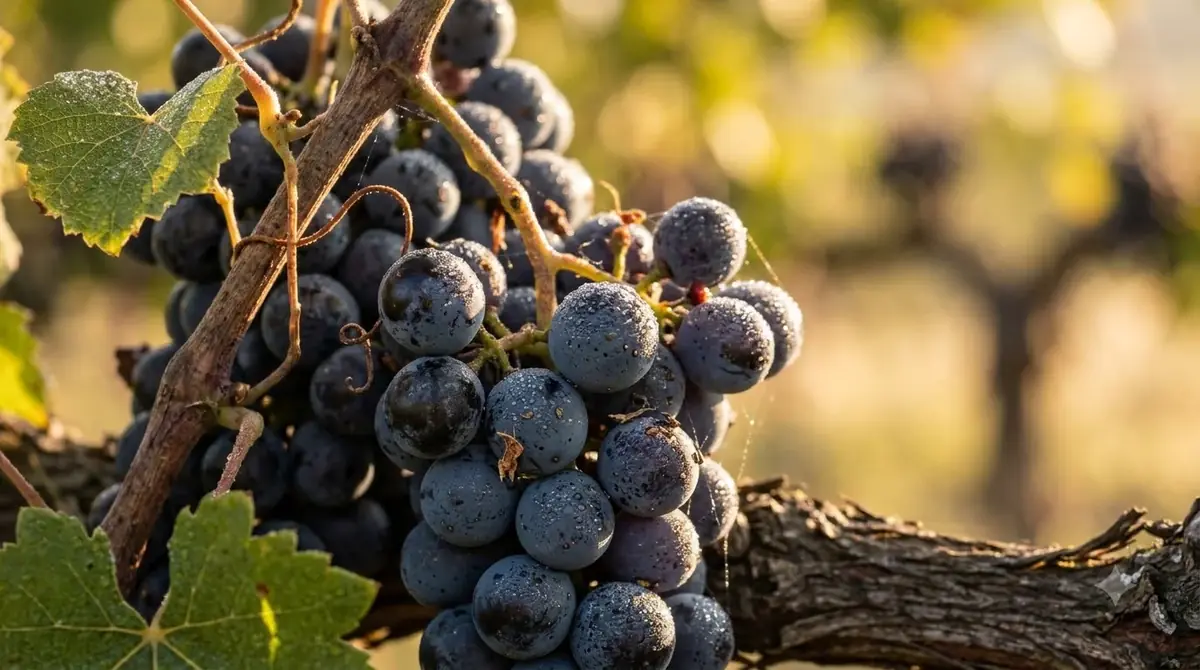
Located west of Tokyo and surrounded by mountainous terrain, Yamanashi includes the Kofu Basin and established vineyard communities around Katsunuma and Koshu City. Its wine industry began around 1870, when Hironori Yamada and Norihisa Takuma started producing wine in Kofu. The region subsequently developed into Japan’s leading center for commercial grape growing and winemaking.
According to the Yamanashi Prefectural Government, the prefecture has approximately 90 wineries and accounts for around 30% of Japan’s wine production. Its wineries range from established businesses with long histories to smaller producers exploring different vineyard and cellar techniques. This concentration makes Yamanashi an especially useful destination for visitors interested in comparing several Japanese wine styles. The Yamanashi Prefectural Government’s wine overview also explains the area’s principal grapes, geographical indication, and food-pairing traditions.
Koshu: Japan’s signature white grape
Koshu is the variety most closely associated with Yamanashi. It is an indigenous Japanese grape with light reddish-purple skin, traditionally cultivated for table use and now widely recognized as a distinctive wine grape. The Japan Wineries Association explains that Koshu traveled from Central Asia through China before reaching Japan during the Nara period.
Koshu became registered with the International Organisation of Vine and Wine (OIV) in 2014 as a grape variety used for wine production. Its wines are generally light-bodied, refreshing, and relatively restrained in alcohol. Common aromas include grapefruit, lemon, and other citrus fruits, while the palate often shows delicate acidity and a clean finish.
Some producers ferment Koshu in stainless steel to preserve its fresh fruit character. Others experiment with lees aging, oak treatment, or extended skin contact to introduce texture and additional complexity. These approaches demonstrate that Koshu is not restricted to a single winemaking style.
Muscat Bailey A and regional reds
Yamanashi is also associated with Muscat Bailey A, an indigenous red grape developed through hybridization by Zenbe Kawakami. Its aromatic profile often includes cherries and berries, with a relatively soft tannin structure. The resulting wines can be fruity, approachable, and particularly suitable for food.
Other varieties grown in Yamanashi include Cabernet Sauvignon, Chardonnay, Merlot, and several additional international and Japanese grapes. The prefecture’s geographical indication system recognizes 42 designated varieties for qualifying GI Yamanashi wines. These wines must meet specified grape-origin, production, storage, bottling, and quality requirements.
Yamanashi also has a distinctive seasonal wine tradition. Yamanashi Nouveau is released every November 3, using grapes harvested in the prefecture during that same year. It is commonly made from Koshu for white wine and Muscat Bailey A for red wine, offering an early expression of the latest harvest.
For food pairing, Koshu is particularly suitable for sushi, sashimi, grilled white fish, shellfish, and lightly seasoned seafood. Muscat Bailey A works well with teriyaki chicken, grilled pork, and dishes featuring savory-sweet sauces. These pairings reflect the region’s close relationship with Japanese cuisine.
Nagano: Mountain Vineyards and International Grapes
Nagano is one of Japan’s most versatile wine-producing areas, with mountain-influenced growing conditions and a strong selection of international grape varieties. Merlot and Chardonnay are especially important, while Cabernet Sauvignon, Sauvignon Blanc, Pinot Noir, and other grapes add diversity.
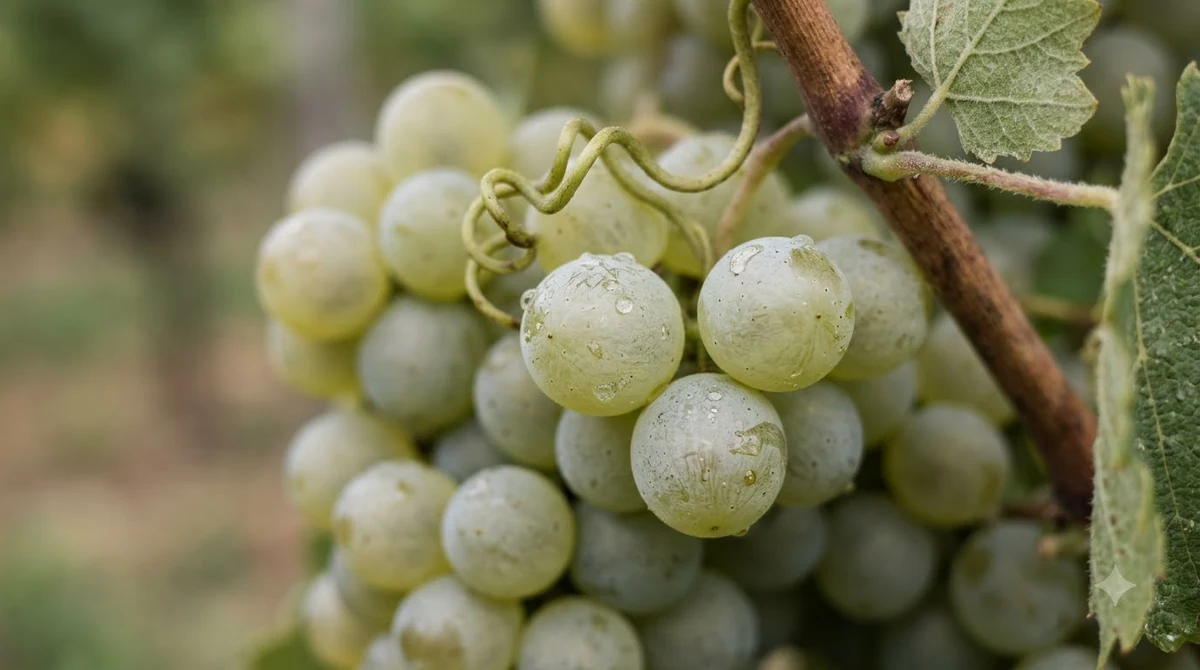
Located in central Honshu, Nagano is surrounded by high mountain ranges, including sections of the Japanese Alps. The prefecture’s vineyards occupy different valleys and elevations, creating varied conditions for grape cultivation. Its wine-growing areas are collectively known as the Shinshu Wine Valley, a name that connects five distinct production areas.
These five areas are Kikyogahara, Nihon Alps, Chikumagawa, Tenryugawa, and Yatsugatake Seiroku. Their differences in altitude, exposure, and local climate allow growers to experiment with varieties that require particular conditions. The development of highland grape production has also expanded the region’s growing possibilities.
Nagano’s development as a wine region
The prefecture’s winemaking history began with grape cultivation in the late nineteenth century. American grape varieties were planted in Yamabe village in Matsumoto in 1879. Around 25 European and American varieties were subsequently planted in Kikyogahara in 1890, and the first winery in that valley was established in 1902.
Merlot became increasingly important during the 1950s as local farmers expanded its cultivation. Since 2000, the number of wineries has increased considerably, helping Nagano establish a stronger regional identity. The area’s growing emphasis on wine quality has encouraged producers to focus on vineyard conditions and appropriate grape selection.
The leading grape varieties
Merlot is one of Nagano’s signature grapes. The regional wine organization identifies Nagano as Japan’s largest Merlot producer. Depending on vineyard location and winemaking, these wines can range from light to full-bodied, commonly showing attractive fruit and relatively approachable tannins.
Chardonnay is another major variety, and Nagano is also identified as Japan’s largest producer of Chardonnay grapes. Styles range from fresh, unoaked wines to more textured examples influenced by oak fermentation or aging. This range makes Chardonnay a useful introduction to the prefecture’s international varieties.
Cabernet Sauvignon plantings are increasing, particularly in the Chikumagawa Valley. Cabernet Franc is also grown, benefiting from its relatively early ripening compared with Cabernet Sauvignon. Pinot Noir has attracted interest because suitable vineyard temperatures and soils can support more delicate styles.
White wine drinkers should also look for Nagano Sauvignon Blanc. The variety is increasingly planted at higher elevations, where producers commonly make dry, crisp, unoaked wines. Pinot Gris and Ryugan provide additional alternatives, while Niagara and Concord contribute to the region’s more aromatic, sometimes sweeter wine styles.
Nagano also has its own geographical indication framework. GI Nagano wines must satisfy requirements covering grape varieties, grape quality, chemical standards, production methods, and sensory evaluation. The regional rules require the growing, harvesting, winemaking, aging, and bottling processes to take place within Nagano Prefecture.
For food, Nagano Merlot is a natural partner for grilled beef, roasted mushrooms, and pork dishes. Chardonnay complements chicken, freshwater fish, and creamy vegetable preparations. Sauvignon Blanc is particularly useful with asparagus, herbs, and seafood served with citrus-based sauces.
Hokkaido: Japan’s Northern Cool-Climate Wine Country
Hokkaido offers a markedly different growing environment from the warmer vineyard areas of central Japan. Its northern latitude and cool conditions encourage producers to focus on grapes that retain freshness and develop balanced flavors during a relatively short growing season.
As Japan’s northernmost major wine-producing island, Hokkaido experiences snowy winters and cooler summers than Yamanashi. These conditions make site selection particularly important. Growers must consider winter survival, frost exposure, ripening periods, and the timing of autumn harvests.
Several areas have become particularly associated with Hokkaido wine. Yoichi and Niki, in the Shiribeshi area, are important vineyard locations, while Sorachi and Furano also contribute to regional production. Coastal influences and local geography create differences between vineyard sites, even within the same broad area.
Grape varieties and wine styles
Hokkaido producers work with European varieties suited to cooler conditions. Pinot Noir is an important focus, offering the possibility of aromatic reds with bright acidity and relatively restrained tannins. Chardonnay is another prominent grape, producing wines that can emphasize citrus, orchard fruit, and mineral impressions.
White varieties include Sauvignon Blanc and Kerner. Kerner, a German crossing of Trollinger and Riesling, is particularly associated with cooler growing conditions. Its wines can show floral aromas, citrus notes, and lively acidity. Sauvignon Blanc provides another fresh option, often emphasizing herbal and citrus characteristics.
Reds made from Zweigelt and other varieties also contribute to Hokkaido’s wine identity. Zweigelt can produce medium-bodied wines with dark fruit, moderate tannins, and a relatively approachable structure. Pinot Noir offers a different expression, typically emphasizing red berries, subtle earthiness, and freshness.
The region’s cool conditions do not automatically guarantee quality. Winter damage, spring frost, rainfall, and uneven ripening remain important challenges. Producers must choose vineyard locations carefully and adjust canopy management and harvest decisions to the conditions of each growing season.
Hokkaido’s wine industry has attracted attention from producers interested in expressing cooler Japanese terroir. Its geographical differences from Yamanashi and Nagano make it especially interesting for anyone comparing Japanese Pinot Noir, Chardonnay, and aromatic white wines.
At the table, Hokkaido Pinot Noir pairs well with duck, roasted chicken, mushroom dishes, and grilled salmon. Chardonnay is suitable for scallops, crab, and lightly buttered seafood. Kerner and Sauvignon Blanc can accompany sushi, fresh vegetables, and dishes featuring ginger or citrus.
Yamagata and Other Emerging Japanese Wine Areas
Yamagata is another established Japanese wine-producing prefecture, contributing both traditional regional styles and wines made from international grape varieties. Its position in northeastern Honshu gives it a different growing environment from the central Japanese wine centers.
The prefecture is part of the broader Tohoku region, where vineyards operate in several areas with different geographical and climatic conditions. Yamagata has developed a reputation for grape cultivation and wine production, while smaller producers elsewhere in Tohoku are also expanding the country’s regional wine identity.
Variety selection depends on the local site. Producers work with grapes such as Chardonnay, Merlot, and other varieties suited to their vineyards. The region’s wine industry also benefits from the broader agricultural culture of Yamagata, where fruit growing has long played an important role.
Yamagata has a geographical indication for wine. Such recognition helps distinguish products associated with the prefecture and establishes requirements for qualifying regional wines. For consumers, a GI designation offers a useful indication of geographical origin and production standards rather than simply identifying where a winery happens to be located.
Beyond the four leading areas, wine production takes place in prefectures including Iwate, Aomori, Niigata, Fukushima, Osaka, Okayama, Hiroshima, and Tochigi. These areas differ in climate, grape selection, production scale, and regional traditions.
Some wineries focus on indigenous or hybrid grapes, while others grow international varieties. In coastal and cooler locations, producers may also explore varieties adapted to challenging weather conditions. The resulting diversity makes Japan more complicated than a single national wine style or a simple division between white and red wines.
Visitors interested in broader comparisons can also explore the Tasmania wine region, where cool-climate conditions similarly support fresh whites and elegant Pinot Noir. The comparison is useful because both regions demonstrate how geography and temperature can influence grape selection and wine style, even though their climates and production traditions differ.
For a wider overview of international production areas, the Wine Regions section provides a useful starting point for comparing Japan with established European and New World destinations.
Japanese Wine Grapes, Styles, and Food Pairings
Japanese wines are not defined by one grape or one production method. Indigenous varieties, American hybrids, and European grapes all contribute to the country’s wine identity, making grape selection one of the most practical ways to understand a bottle.
Koshu is the most recognizable indigenous white variety. Its relatively restrained alcohol, citrus character, and fresh acidity make it especially suitable for seafood. Muscat Bailey A offers a contrasting red style, with fragrant fruit, softer tannins, and a structure that works with grilled meat.
International varieties provide another perspective. Nagano Merlot can show attractive dark fruit and approachable tannins, while Hokkaido Pinot Noir tends toward fresher, more delicate expressions. Chardonnay appears in several regional styles, from bright and unoaked to richer examples with additional texture.
Comparison of the main regional styles
| Region | Leading grapes | Typical wine character | Food pairing |
|---|---|---|---|
| Yamanashi | Koshu, Muscat Bailey A | Citrus whites; aromatic, soft reds | Sushi, sashimi, teriyaki |
| Nagano | Merlot, Chardonnay, Cabernet Sauvignon | Fruit-driven reds; fresh and textured whites | Grilled meat, poultry, mushrooms |
| Hokkaido | Pinot Noir, Chardonnay, Kerner | Cool-climate reds and crisp whites | Salmon, scallops, duck |
| Yamagata | Chardonnay, Merlot | Regional whites and approachable reds | Grilled fish, pork, seasonal vegetables |
These descriptions are useful generalizations rather than strict rules. A stainless-steel Chardonnay from Nagano can taste very different from an oak-aged example, while a cool vintage can produce a different expression of Merlot from a warmer growing season.
How to choose a Japanese wine
Start with the food being served. For raw seafood, sushi, and sashimi, Koshu is a particularly reliable choice because its fresh citrus character complements delicate flavors. Sauvignon Blanc and Kerner can also work well, particularly with seafood featuring herbs, ginger, or citrus.
For richer fish dishes, Chardonnay offers more body and texture. A lightly oaked example can accompany grilled fish with butter or creamy sauces, while a fresher version is more appropriate for simply prepared shellfish.
For meat, consider Muscat Bailey A, Merlot, or Pinot Noir. Muscat Bailey A is especially useful with teriyaki because its fruit character and relatively soft tannins complement the sauce. Nagano Merlot can accompany grilled beef, pork, and mushroom dishes, while Hokkaido Pinot Noir works well with duck and roasted poultry.
Serving temperature can also make a noticeable difference. Serve light Japanese whites at approximately 45–50 degrees Fahrenheit, fuller whites at 50–55 degrees Fahrenheit, and light-bodied reds at 55–60 degrees Fahrenheit. Chilling a delicate red slightly can help preserve its freshness and make it more versatile with food.
Tip: If you are choosing your first Japanese wine, start with a dry Koshu from Yamanashi. Serve it around 45–50 degrees Fahrenheit with sushi, sashimi, grilled white fish, or shellfish. Then compare it with a Nagano Chardonnay or a Hokkaido Pinot Noir to experience how dramatically the country’s regions can differ.
Japanese Wine Labels, Geographical Indications, and Winery Visits
Understanding Japanese wine labels is essential because the term Japan Wine has a specific regulatory meaning. It identifies wine made exclusively from domestic grapes and manufactured in Japan, rather than every wine produced inside the country.
Japan introduced its official wine-labeling standard in October 2018. The National Tax Agency established the rules to help consumers distinguish wine made from domestic grapes from products made with imported concentrated grape juice or imported wine. This distinction is important because both categories can be manufactured within Japan.
What Japan Wine means
A bottle labeled Japan Wine must be manufactured in Japan using domestic grapes exclusively. Other domestically manufactured wines may include imported grape ingredients or imported wine, but they cannot use the Japan Wine designation.
The rules also regulate geographical, grape-variety, and vintage claims. For a regional production designation, at least 85% of the grapes must come from the indicated geographical area, and the winery must satisfy the relevant location requirements. Similar 85% thresholds apply to qualifying grape-variety and vintage declarations.
This makes the front label useful for understanding a bottle’s provenance. A regional name can indicate a meaningful relationship between the vineyard and the winery, rather than merely suggesting a general national origin.
Understanding geographical indications
Japan’s geographical indication system provides additional recognition for wines that meet specific regional production standards. GI Yamanashi is particularly important because it identifies qualifying wines made using grapes grown in the prefecture and processed according to its requirements.
GI Yamanashi covers 42 designated grape varieties and requires qualifying production, storage, and bottling within the prefecture. The system also involves inspections covering quality, labeling, and sensory characteristics. These requirements distinguish the GI designation from a simple statement that a winery is located in Yamanashi.
GI Nagano provides another example of regional standards. Its requirements cover approved varieties, grape quality, chemical characteristics, production procedures, and sensory evaluation. The growing, harvesting, winemaking, aging, and bottling processes must all take place in Nagano.
Japan also has geographical indications for Hokkaido and Yamagata wines. These designations help strengthen the relationship between regional identity and production practices.
Planning a winery visit
Yamanashi is an excellent starting point for wine tourism because of its concentration of wineries and historical significance. Visitors can explore the Katsunuma area, learn about Koshu, and compare wines made by different producers. Its proximity to Tokyo also makes it a practical destination for a wine-focused excursion.
Nagano offers a different experience, with its five wine-producing valleys and mountain scenery. Kikyogahara is particularly interesting for Merlot, while the Chikumagawa Valley offers opportunities to explore Cabernet Sauvignon and other international varieties. Visiting more than one valley provides a better understanding of the prefecture’s internal diversity.
Hokkaido is especially attractive for travelers interested in cooler-climate wines. Yoichi and Niki are useful starting points for exploring its vineyards, while the wider island offers opportunities to combine wine visits with regional seafood and local cuisine.
For any winery visit, check opening arrangements and tasting availability before traveling. Smaller producers may operate by appointment, and harvest-season activities can affect visiting hours. A little planning makes it easier to compare wines and learn about the differences between local producers.
Frequently Asked Questions
Is Japanese wine made from rice or grapes?
Japanese wine is made from grapes, not rice. Sake is a separate alcoholic beverage produced through the fermentation of rice, using a different process and different ingredients. The distinction matters because Japanese wine and sake belong to separate beverage traditions despite both being important parts of Japanese food culture.
Can Japanese wine be made with organic grapes?
Yes. Some Japanese producers practice organic viticulture or pursue organic certification, although production methods vary by winery. Japan also has an agricultural organic certification framework known as JAS Organic, which applies specific requirements to qualifying agricultural products. Consumers interested in organic wine should look for the relevant certification rather than assuming every small Japanese winery follows organic practices.
What is the largest wine-growing island in Japan?
Honshu is Japan’s largest island and contains major wine-producing prefectures including Yamanashi, Nagano, and Yamagata. Hokkaido, Japan’s second-largest island, is itself a major wine-producing area. The two islands offer contrasting conditions, particularly in winter temperatures and growing-season characteristics.
Does Japanese wine use oak barrels?
Yes. Some Japanese wineries use French or American oak barrels for fermentation or aging, particularly with Chardonnay, Merlot, and Cabernet Sauvignon. Other producers favor stainless steel or neutral vessels to preserve primary fruit aromas. The choice depends on the grape variety, intended style, and individual winemaking philosophy.
Can Koshu wine age in the bottle?
Some Koshu wines are designed for early drinking, while carefully produced examples can develop additional complexity with bottle age. Lees aging, skin contact, and oak treatment can influence their structure and development. Storage conditions are important: keeping bottles away from direct sunlight and maintaining a stable temperature helps preserve their intended character.
The japan wine region offers much more than one recognizable indigenous grape. From Yamanashi Koshu and Nagano Merlot to Hokkaido Pinot Noir and Yamagata’s regional wines, Japanese producers are developing distinct expressions of their local landscapes. Exploring these areas through their grapes, food traditions, and geographical indications provides a rewarding way to understand one of Asia’s most interesting wine industries.
More in Wine Regions
 Willcox Wine Trail: Discover Arizona’s High-Elevation Wine CountryUpdated Nov 20, 2026
 Yakima Valley Wine Region: Find the Best Styles to TryUpdated Nov 20, 2026
 Vosne Romanee Wine Tasting: Identify Aromas and Choose Better PairingsUpdated Nov 20, 2026
 Yakima Valley Wine Festival: Find the Best Seasonal Wine EventsUpdated Nov 20, 2026
 Wales Vineyards: Discover Cool-Climate Wines and Where to VisitUpdated Nov 20, 2026
 Yountville Wine Festival: Discover Napa Wines and Local FoodUpdated Nov 20, 2026