

We may earn a commission when you buy through links on this page, at no extra cost to you. Learn more.
The kamptal wine region is a renowned wine-growing area in Lower Austria, best known for expressive Grüner Veltliner and elegant Riesling shaped by contrasting climates and diverse vineyard soils. Centered on the historic wine town of Langenlois, Kamptal combines warm Pannonian influences with cooler air from the Waldviertel. Its wines range from fresh, approachable regional bottlings to concentrated single-vineyard expressions with considerable aging potential.
Austria has several distinguished wine-growing regions, but Kamptal stands out for the relationship between its geography, geology and two signature white grapes. Located north of the Danube and close to the Wachau and Kremstal, this Lower Austrian region offers a useful introduction to the precision and variety of Austrian wine. Understanding its villages, vineyard classifications and growing conditions makes it easier to recognize what distinguishes one Kamptal bottle from another.
Where the Kamptal Wine Region Is Located
Kamptal occupies a section of Lower Austria north of the Danube, following the Kamp River through a landscape of vineyard-covered hills, villages and open valleys. Its position between warmer eastern influences and cooler northern conditions helps explain why the region produces both ripe, generous white wines and more restrained, mineral-driven examples.
The region takes its name from the Kamp River, which flows south toward the Danube. According to Weinkultur Kamptal, the wine-growing area follows approximately 20 kilometers of the river, extending from the hamlet of Plank to an area just beyond Grafenegg. The vineyards cover approximately 3,600 hectares, making Kamptal a substantial but geographically concentrated wine-producing area.
Langenlois is the region’s principal wine town and an important center for Austrian wine culture. Its location gives visitors convenient access to nearby vineyard communities, including Zöbing, Gobelsburg, Strass and Kammern. These places are particularly useful reference points when comparing wines because individual village locations can have noticeably different soils, exposures and growing conditions.
Kamptal belongs to Niederösterreich, or Lower Austria, the country’s largest wine-growing province. The neighboring wine regions include the Wachau and Kremstal, both of which also have strong reputations for Grüner Veltliner and Riesling. However, Kamptal has its own geographical identity, especially through the combination of loess-covered slopes, exposed crystalline rock and the distinctive Heiligenstein formation.
The region’s landscape is not uniform. Some vineyards occupy broad, relatively gentle slopes, while others sit on steeper terraces with exposed bedrock. This variation gives winemakers different conditions for growing the same grape variety, resulting in wines that can differ in weight, acidity, aromatic intensity and texture.
For American wine drinkers, Kamptal is worth recognizing as a specific Austrian origin rather than treating it simply as another source of Grüner Veltliner. Its regional designation communicates something about where the grapes were grown and the style associated with that place.
Climate and Vineyard Soils Shape the Wines
Kamptal’s character comes from the meeting of warm Pannonian air and cooler influences from the Waldviertel. Its mixture of loess, gravel, sandstone and crystalline rock creates additional differences between vineyard sites, helping explain why Grüner Veltliner and Riesling can express several distinct styles within a relatively compact region.

The Pannonian influence brings warmth and supports grape ripening. This is important for developing ripe fruit flavors and sufficient concentration, particularly in Grüner Veltliner. At the same time, cooler air moving from the Waldviertel helps moderate temperatures, especially at night and in elevated vineyards.
The contrast between warm days and cool nights is particularly important for aromatic development. Grapes can accumulate ripeness during sunny periods while retaining freshness through cooler conditions. The resulting wines often combine ripe fruit with lively acidity rather than becoming excessively heavy or soft.
Soil differences add another layer of complexity. Loess, a wind-deposited sediment rich in fine particles, is widespread in Kamptal. Its ability to retain moisture makes it useful for vines during dry periods. Loess-covered vineyards often produce Grüner Veltliner with generous fruit, a rounded texture and characteristic spice.
Other vineyards have gravel, sandstone, gneiss, mica schist and amphibolite. These geological formations create different drainage, water-retention and heat-storage conditions. The results are especially noticeable when comparing individual Riesling vineyards, where differences in slope, rock composition and exposure can influence the wines’ structure.
Heiligenstein is among the region’s most distinctive geological locations. Its reddish, weathered desert sandstone and volcanic conglomerates create an unusual foundation for Riesling vines. The site’s south-facing exposure and particular microclimate help grapes ripen while maintaining the aromatic character associated with this celebrated vineyard.
The combination of geological diversity and climatic contrasts is a central reason Kamptal wines can express such different personalities. Two wines made from the same grape, in the same vintage, can have noticeably different textures and aromatic profiles depending on their vineyard origins.
Tip: When comparing two Kamptal wines, look at the vineyard or village name as well as the grape variety. A Grüner Veltliner from a loess-rich site such as Spiegel may offer a different expression from one grown on a cooler, more elevated site.
Grüner Veltliner: Kamptal’s Signature Grape
Grüner Veltliner is the defining grape of Kamptal and one of Austria’s most recognizable white varieties. It produces wines that commonly combine citrus, green apple, pear, white pepper and fresh herbal notes, with styles ranging from light and crisp to concentrated and full-bodied.
In a relatively straightforward Kamptal bottling, expect fresh fruit, lively acidity and a distinctive peppery or herbal edge. These wines are generally approachable and versatile at the table. They work particularly well as introductions to the region because they show the grape’s characteristic balance without requiring extensive aging.
More concentrated examples can develop a broader texture and greater aromatic complexity. Depending on the vineyard and winemaking approach, they may show ripe pear, yellow apple, citrus peel, herbs and savory spice. Reserve wines can have more weight and a longer finish, making them suitable for richer dishes and more deliberate tasting.
Loess-covered vineyards are particularly important for the grape. Sites such as Spiegel provide deep loess soils that support concentrated and complex Grüner Veltliner. Other vineyards, including Lamm and Käferberg, offer different combinations of warmth, elevation and geological composition that influence the finished wine.
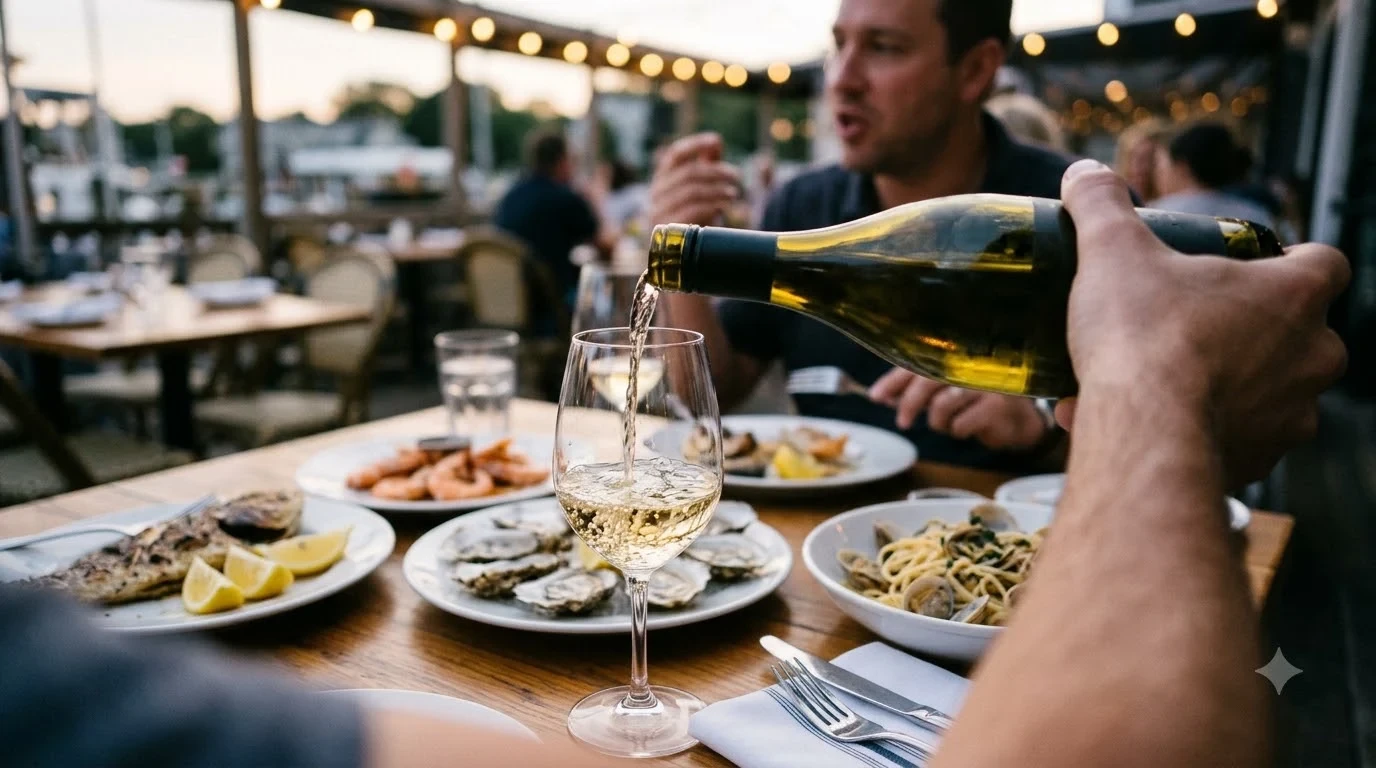
Grüner Veltliner is also an excellent food wine because its acidity and moderate weight allow it to work with a wide range of ingredients. Its peppery character complements vegetables, herbs and savory seasonings. The fresher examples are especially good with seafood, while fuller versions can accompany poultry, pork and richer vegetable preparations.
For American consumers, the grape offers an alternative to Sauvignon Blanc and unoaked Chardonnay. It can deliver refreshing acidity without always having the pronounced grassy character associated with Sauvignon Blanc. Compared with many Chardonnay wines, it often emphasizes citrus, herbs and spice rather than creamy texture or obvious oak.
When choosing a bottle, consider the intended occasion. A regional Grüner Veltliner is a sensible choice for casual meals and aperitifs, while a vineyard-designated bottle offers more concentration and a stronger sense of place. Both are useful expressions of Kamptal, but they serve different purposes.
Riesling and Other Important Grape Varieties
Kamptal Riesling is generally more aromatic and structured than the region’s approachable Grüner Veltliner bottlings. It combines expressive fruit, bright acidity and mineral impressions, while smaller but important plantings of Zweigelt and Pinot Noir provide alternatives to the region’s white-wine focus.
Riesling is particularly associated with the region’s steeper and rockier vineyard locations. Heiligenstein is the best-known example, producing wines with concentration, aromatic precision and significant aging potential. Its distinctive sandstone and volcanic conglomerates provide a contrast to the loess-rich sites commonly associated with Grüner Veltliner.
Typical Kamptal Riesling aromas include lime, lemon, green apple, white peach and floral notes. Depending on the vineyard and maturity, some wines develop additional stone-fruit and mineral characteristics. Their acidity gives them freshness and structure, helping them remain balanced even when the fruit becomes more concentrated.
Reserve-level Rieslings can be particularly compelling. They generally show more intensity and depth than simpler regional wines, with a longer finish and greater structural presence. Well-made examples from suitable vintages and vineyards can develop additional complexity in the bottle.
The region also produces Zweigelt, an Austrian red grape known for approachable fruit character and moderate structure. Kamptal examples can offer cherry, red berry and subtle spice notes. Pinot Noir is another red variety, producing wines that may emphasize red fruit, freshness and more delicate tannins.
Chardonnay, Pinot Blanc and Pinot Gris are also part of the wider regional wine picture. These varieties offer alternatives for drinkers who prefer familiar international grapes, although Grüner Veltliner and Riesling remain the essential starting points for understanding Kamptal’s identity.
One useful distinction is that the traditional Kamptal DAC identity has been strongly associated with Grüner Veltliner and Riesling. The current European Union product specification also recognizes additional varieties, including Chardonnay, Pinot Blanc and Pinot Gris. Consequently, the grape variety and the specific origin designation both matter when interpreting a modern bottle.
For a broader understanding of Austrian and European white wines, compare these styles with those found in the Savoie wine region, where Alpine conditions and local grapes create a different expression of freshness and regional identity.
Understanding Kamptal DAC and Its Wine Classifications
Kamptal DAC identifies wines connected with the region’s controlled origin system. Its traditional classification distinguishes regional, village and single-vineyard wines, allowing consumers to understand how specifically a wine’s geographical origin is identified.
DAC stands for Districtus Austriae Controllatus, meaning controlled Austrian origin. The designation is part of Austria’s system for identifying wines whose origin and production requirements are linked to a defined geographical area. It provides a framework for communicating regional identity rather than simply identifying a grape variety.
Three traditional levels are particularly useful for understanding Kamptal labels:
| Classification | Label indication | What it tells you |
|---|---|---|
| Gebietswein | Kamptal | Regional origin across the wine-growing area |
| Ortswein | Langenlois or Zöbing | Village-level geographical origin |
| Riedenwein | Heiligenstein or Lamm | Specific single-vineyard origin |
Gebietswein is the broadest geographical category. A bottle carrying Kamptal as its origin gives the drinker a regional expression rather than pointing to one particular village or vineyard. These wines are useful for discovering the area’s overall style and are often the most straightforward entry point.
Ortswein identifies a wine with a specific wine-growing municipality. Langenlois and Zöbing are useful examples of village names to recognize. A village-designated bottle provides more geographical detail and can help drinkers compare the character of different parts of the region.
Riedenwein identifies a single vineyard. The term Ried is the Austrian word for a legally defined vineyard site. Heiligenstein and Lamm are two recognizable examples. These wines offer the most specific vineyard-level expression within the traditional three-tier framework.
Reserve is another important term to recognize. It generally indicates a more concentrated, powerful style rather than simply a different geographical level. Kamptal Reserve wines are associated with greater body, aromatic intensity and structural depth.
The classification system should be viewed as a guide to origin, not an automatic ranking of personal preference. A regional wine can be excellent, while a single-vineyard wine may require more time or a particular food pairing to show its strengths.
For additional background on how European wine regions communicate geographical identity, the Switzerland wine region provides an interesting comparison, with its own regional grape varieties and appellation traditions.
For official information about the traditional Kamptal designation and its origin categories, consult Weinkultur Kamptal’s explanation of Kamptal DAC.
Important Vineyards and Producers to Recognize
Kamptal’s vineyard names help explain differences between individual wines, especially when comparing Grüner Veltliner and Riesling. Heiligenstein, Lamm, Käferberg, Kogelberg and Spiegel are among the important sites to recognize because their soils, exposures and microclimates vary considerably.
Heiligenstein is arguably the region’s most recognizable vineyard. Its reddish sandstone and volcanic conglomerates make it particularly distinctive. The site is closely associated with Riesling, and its south-facing position helps produce concentrated wines with pronounced aromatic character.
Lamm occupies the southeastern slope of Heiligenstein. It is one of Kamptal’s warmer vineyard locations and has a mixture of loess, loam, siltstone and sandstone. The site is particularly associated with expressive Grüner Veltliner, often showing concentration and a generous texture.
Käferberg is situated at approximately 300 meters above sea level in northern Langenlois. Its combination of loess, clay and Gföhler gneiss contributes to its distinctive growing conditions. The cooler microclimate encourages slower development and can produce elegant, mineral-driven Grüner Veltliner.
Kogelberg in Zöbing has crystalline bedrock, including mica schist and amphibolite. Its elevated position and the contrast between warm daytime sunshine and cooler nights help preserve freshness in Riesling. Wines from this site can have a distinctly fresh and northern character.
Spiegel is another important Grüner Veltliner site near Langenlois. Its deep loess soil, reaching approximately 40 meters in places, provides substantial water-retention capacity. The vineyard is associated with concentrated and complex wines.
These vineyard names are useful reference points, but they do not tell the entire story. Producer decisions, vintage conditions, harvest timing and winemaking methods also influence the final wine. Two bottles from the same vineyard can differ because of differences in grape selection, fermentation and maturation.
When exploring producers, look for wineries that provide clear information about vineyard origin and grape variety. A producer’s regional and village wines can provide a useful introduction before moving to more specific single-vineyard bottlings.
For a closer examination of the region’s individual vineyard sites, Weinkultur Kamptal’s vineyard descriptions explain the geological and climatic differences between several important locations.
Food Pairings, Serving Temperatures and Aging
Kamptal wines are particularly versatile with food because their freshness, acidity and aromatic detail complement many ingredients. Grüner Veltliner is especially adaptable with vegetables, seafood and poultry, while Riesling’s acidity makes it an excellent match for aromatic dishes and foods with noticeable seasoning.
For Grüner Veltliner, consider roast chicken, pork schnitzel, grilled vegetables and fresh seafood. The grape’s peppery character works well with herbs and savory seasoning, while its acidity helps refresh the palate between bites. Lighter examples are especially useful with salads and vegetable dishes.
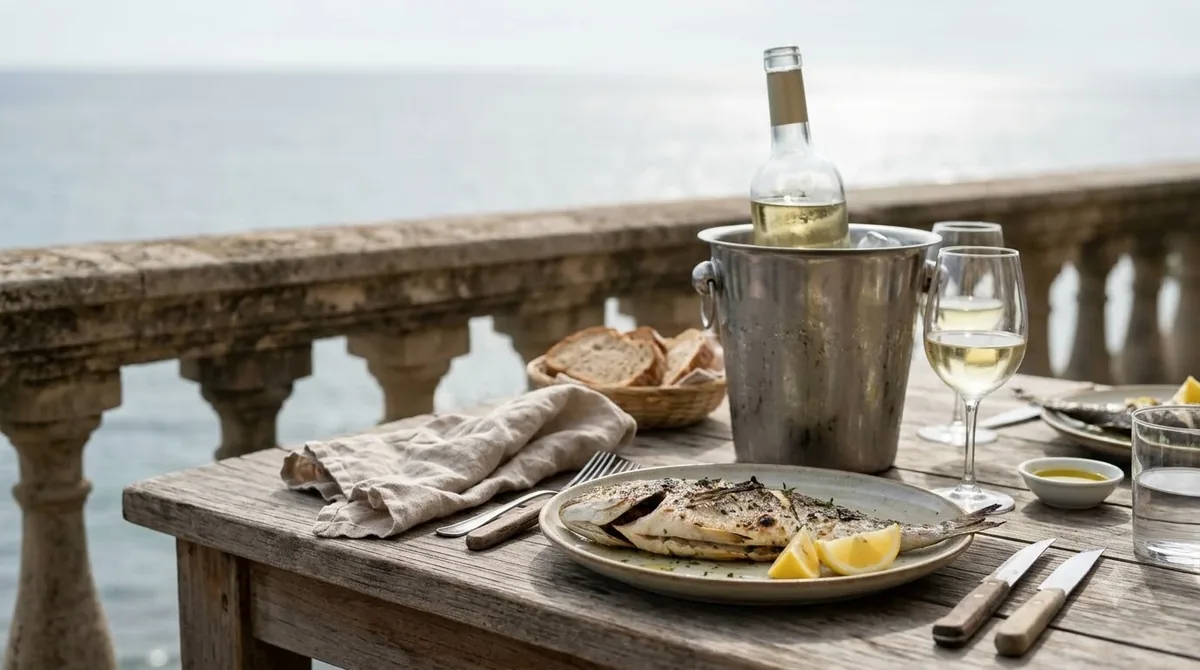
Riesling pairs naturally with dishes that have acidity, aromatic ingredients or moderate spice. Try it with grilled shrimp, white fish, roast chicken, Thai-inspired dishes or lightly sweet-and-sour preparations. Its high acidity provides balance, while its fruit character complements the flavors of many Asian cuisines.
For dishes with pronounced chili heat, choose wines with moderate alcohol and avoid heavily tannic reds. Alcohol and tannin can amplify the perception of heat. A fresh, lower-alcohol white wine is generally a more comfortable choice for spicy food.
Red wines from Kamptal offer additional pairing possibilities. Zweigelt can accompany roast pork, duck and grilled vegetables, while Pinot Noir works well with mushroom dishes, roasted poultry and lighter meat preparations. Their softer tannins make them more adaptable to dishes where a powerful red wine would dominate.
Serving temperature also matters. Grüner Veltliner and Riesling are usually most enjoyable when served cool rather than very cold. A practical guide is to serve lighter white wines around 45–50°F and fuller white wines around 50–55°F. Chilling too aggressively can mute the aromas that make more complex Kamptal wines interesting.
Young, fresh regional wines are generally intended to be enjoyed relatively early, while concentrated village and single-vineyard bottlings may benefit from additional bottle age. The region’s better Rieslings and Grüner Veltliners can develop additional complexity as their primary fruit aromas evolve.
The following serving guide provides useful starting points for common Kamptal styles:
| Wine style | Serving temperature | Suggested pairing |
|---|---|---|
| Light Grüner Veltliner | 45–50°F | Fresh salads and shellfish |
| Fuller Grüner Veltliner | 50–55°F | Roast chicken and pork |
| Kamptal Riesling | 45–50°F | White fish and Asian dishes |
| Zweigelt | 55–60°F | Roast duck and grilled vegetables |
| Pinot Noir | 55–60°F | Mushrooms and poultry |
For aging, pay particular attention to the wine’s concentration, acidity, producer reputation and vineyard origin. A simple regional bottling may be best enjoyed while its fresh fruit is prominent. A structured Riesling from Heiligenstein or a concentrated Grüner Veltliner from Lamm or Spiegel may offer a more rewarding experience after several years in the cellar.
Store bottles away from direct light and significant temperature fluctuations. A cool environment near 55°F is a practical target, with bottles stored on their sides when sealed with natural cork. Once opened, refrigerate white wines and aim to finish them within approximately three to five days for the best overall freshness.
Frequently Asked Questions
Is Kamptal part of the Wachau wine region?
No. Kamptal and Wachau are separate wine-growing regions in Lower Austria, although they are relatively close geographically. Kamptal follows the Kamp River, while the Wachau is associated with the Danube between Melk and Krems. Their shared emphasis on Grüner Veltliner and Riesling can make them seem similar, but their vineyard landscapes and regional classifications are distinct.
What does the word Ried mean on an Austrian wine label?
Ried is the Austrian term for a designated vineyard site. It identifies a specific geographical location rather than a grape variety or winemaking technique. A bottle labeled Ried Heiligenstein, for example, identifies Heiligenstein as the vineyard origin rather than simply indicating that the wine comes from Kamptal generally.
Are Kamptal wines suitable for vegetarians?
Many Kamptal wines are suitable for vegetarian diets, but the answer depends on the individual wine’s production methods. Some winemakers use animal-derived fining agents, including egg white or gelatin, while others use alternative clarification methods or avoid fining. Consumers following strict vegetarian or vegan diets should look for an appropriate certification or ask the producer about its practices.
What is the significance of the Austrian wine term Heuriger?
A Heuriger is a traditional Austrian wine tavern associated with serving local wines and simple regional food. The term is particularly connected with the custom of winegrowers opening their establishments during designated periods of the year. In wine communities such as Langenlois, these taverns are an important part of local hospitality and wine culture.
How large is a standard Austrian wine bottle?
The standard 750-milliliter bottle is widely used for Austrian still wines, including Kamptal Grüner Veltliner and Riesling. Austria also has a distinctive bottle tradition known as the Austrian flute, a tall, slender bottle shape commonly associated with the country’s white wines. Bottle shape does not determine quality or indicate a specific grape variety.
The Kamptal wine region deserves attention for more than its famous Grüner Veltliner and Riesling. Its contrasting climates, varied vineyard soils and detailed origin classifications make it one of Austria’s most interesting places to explore through wine. Start with a regional Grüner Veltliner, compare it with a Heiligenstein Riesling, and use village and vineyard names to discover the region’s remarkable differences.
More in Wine Regions
 Willcox Wine Trail: Discover Arizona’s High-Elevation Wine CountryUpdated Nov 20, 2026
 Yakima Valley Wine Region: Find the Best Styles to TryUpdated Nov 20, 2026
 Vosne Romanee Wine Tasting: Identify Aromas and Choose Better PairingsUpdated Nov 20, 2026
 Yakima Valley Wine Festival: Find the Best Seasonal Wine EventsUpdated Nov 20, 2026
 Wales Vineyards: Discover Cool-Climate Wines and Where to VisitUpdated Nov 20, 2026
 Yountville Wine Festival: Discover Napa Wines and Local FoodUpdated Nov 20, 2026