

We may earn a commission when you buy through links on this page, at no extra cost to you. Learn more.
Asti wineries in Piedmont are best known for aromatic Moscato wines, historic sparkling-wine cellars in Canelli, and family estates offering vineyard walks and guided tastings. The wider area also produces Barbera, Freisa, and other regional wines, so a visit can cover more than sweet bubbles. A well-planned trip pairs one historic cellar tour with a smaller estate tasting and time for local food.
Asti sits in southeastern Piedmont among vineyards, hazelnut groves, and historic villages. Distinguish the city of Asti from the wider Asti DOCG area and neighboring Monferrato and Langhe wine country when choosing wineries for cellar architecture, Moscato, or local reds.
Asti Wine Country Extends Beyond the City
The Asti wine area is a network of hillside communities across the provinces of Asti, Alessandria, and Cuneo, not a concentration of tasting rooms inside the city. Canelli, Strevi, Castiglione Tinella, and Santo Stefano Belbo are useful names to know when planning a route through Moscato country.
Vineyards here form part of the Langhe and Monferrato landscape, recognized as a UNESCO World Heritage property. Vines follow the hills among hazelnut groves, woods, and villages. The regional tourism authority notes historical records of Moscato production in Monferrato and the Langhe as early as 1200.
The Asti DOCG area covers places in all three provinces. Canelli is the base for cellar architecture and sparkling-wine history; Strevi is useful for Moscato and other aromatic wines; and smaller estates around Canelli often receive visitors by appointment. The wider area also produces Barbera d’Asti, Freisa d’Asti, Dolcetto, and Brachetto. For a visitor, this means the landscape and the glass can change noticeably between stops: a Moscato-focused estate may sit among mixed orchards and vines, while a producer emphasizing Barbera may build the tasting around red wines and local food.
For more on why appellations can extend beyond the town named on a bottle, see the site’s guide to wine regions. Asti is a clear example: its vineyards reach into surrounding communities.
The Main Asti Wines to Taste
The two essential wines to compare are Asti Spumante, which is fully sparkling, and Moscato d’Asti, which has a gentler, lightly sparkling character. Both center on aromatic Moscato Bianco, but their pressure, texture, sweetness, and place at the table differ.
Asti Spumante is fully sparkling, often sweet, but drier bottlings also exist, including Brut, Extra Dry, and Dry. Moscato d’Asti is typically lower in alcohol, softly fizzy, and sweet, with a gentler mousse suited to fruit, pastries, and the end of a meal. The names signal distinct styles.
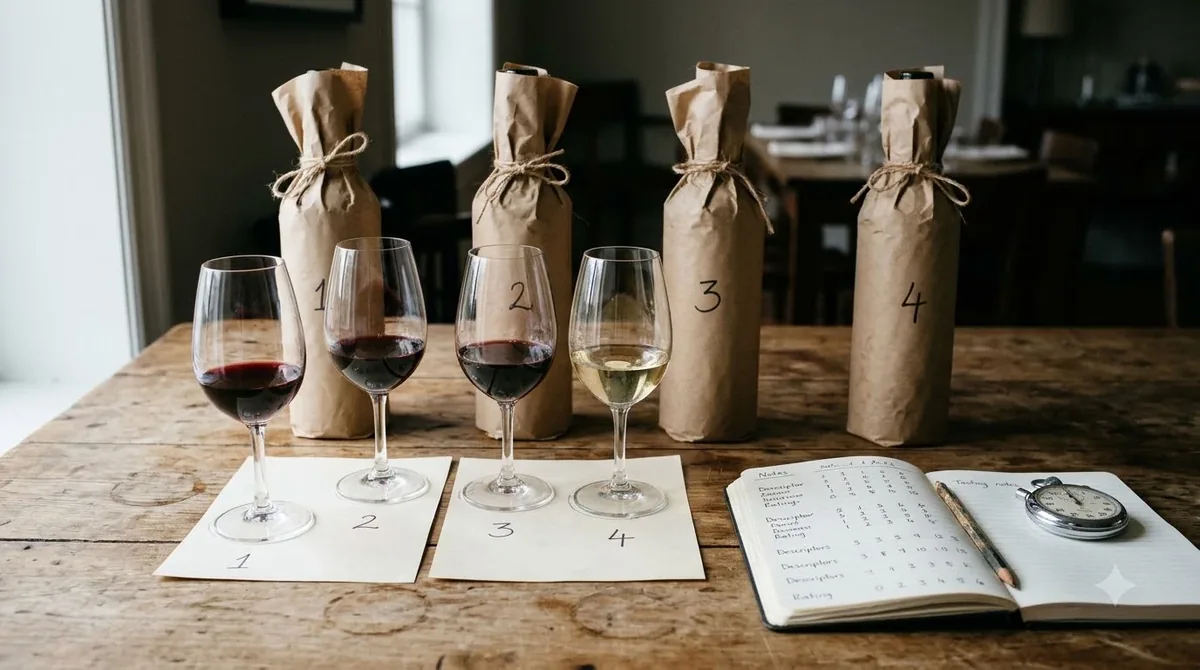
Moscato Bianco leads with floral and orchard-fruit aromas. Wine Enthusiast describes orange blossom, citrus, peach, and apricot. Compare freshness as well as sweetness: acidity should keep the finish lively, while bubbles lighten the wine’s texture. The best comparison is not simply which glass tastes sweeter; pay attention to how quickly the fruit and floral notes return after each sip, and whether the acidity leaves the mouth refreshed.
Ask for a flight that includes another local grape. Barbera d’Asti brings bright acidity and red fruit; Freisa can be more savory and structured. Saracco lists Moscato d’Asti DOCG, Barbera d’Asti DOC, and Freisa d’Asti DOC.
Tip: Ask the host to pour Moscato d’Asti and Asti Spumante side by side. Comparing their bubbles, weight, sweetness, and finish is a quick way to understand the region’s signature styles.
Canelli’s Underground Cellars Are a Major Draw
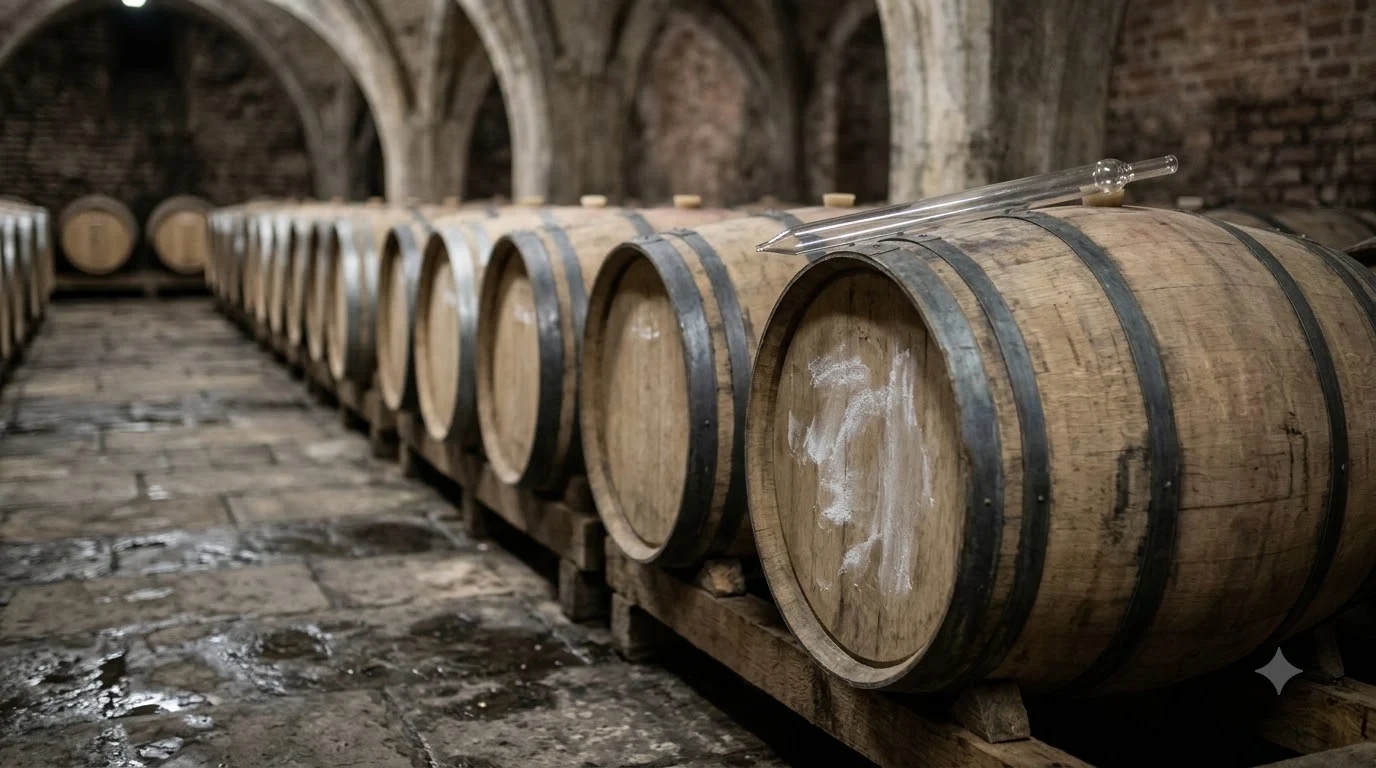
Canelli is the standout stop for visitors interested in the architecture and history of sparkling wine. Its Underground Cathedrals are historic cellar networks cut into tufa beneath the town, and several producers use these spaces as working cellars as well as tour destinations.
At Coppo, the visitor route descends about 40 meters below the hill into vaulted tufa galleries. The winery describes a tunnel network extending for two kilometers, although a guided visit covers only part of it. The cellar stays around 12 to 14 degrees Celsius (54 to 57 degrees Fahrenheit) year-round, so bring a light sweater even in summer. Tours last 45 to 120 minutes, include a tasting, and are offered by appointment in Italian or English.
Gancia offers a different view of Canelli’s sparkling-wine heritage. Founded in 1850, the company offers guided tours of its historic cellars; one format lasts about 90 minutes and includes two wines, one of which may be Asti DOCG or Moscato d’Asti DOCG. Reservations are required, and group visits are specified for four to 15 participants. It suits travelers who prefer a scheduled guided visit over an informal stop.
Ask whether a cellar visit covers historic galleries, production areas, and a comparative tasting. Coppo’s longer private tour can include a vertical tasting of older vintages; Gancia’s listed format pairs the cellar visit with two wines. Canelli’s Regional Wine Shop of Canelli and Astesana offers tastings and sales from more than 60 local producers in a 19th-century building, including Asti, Moscato d’Asti, Alta Langa, Barbera d’Asti, and Dolcetto d’Asti.
Wineries to Put on an Asti Itinerary
A practical shortlist balances a historic cellar, a Moscato specialist, and an estate with a broader tasting range. These producers offer different experiences, so choose according to whether you prefer underground architecture, vineyard scenery, or a guided comparison of local grapes.
Gancia: historic sparkling-wine cellars
Gancia is a logical first stop for Italian sparkling-wine history. Its Canelli visit centers on historic cellars and can include two wines. Advance booking is required for the group format, which accommodates four to 15 participants. Confirm the lineup if you want to compare Asti DOCG with Moscato d’Asti.
Coppo: deep galleries and extended tastings
Coppo combines underground architecture with a tasting-led visit. The cellar lies about 40 meters below Canelli, and tours run from 45 minutes to two hours. Visits are available by appointment in English and Italian, including weekends; the cellar stays near 12 to 14 degrees Celsius.
Saracco: a vineyard walk in Moscato country
Saracco offers a walk among the vines followed by a cellar tasting, by appointment. The estate traces its history on Moncalvina hill to 1799, amid vines, hazelnut trees, meadows, and orchards. Its wines include Moscato d’Asti, Barbera d’Asti, and Freisa d’Asti.
Marenco: guided tastings in Strevi
Marenco offers five guided tasting routes by reservation every day of the year, including Sundays, in Italian or English. Its introductory visit lasts about one hour and includes three regional wines; a vineyard option adds a walk and salami, cheese, and grissini. A Moscato-and-Brachetto route focuses on the area’s aromatic wines.
For a second Italian wine trip with a different emphasis, compare these hill estates with Puglia wineries, where southern Italy’s climate and local grapes create a different tasting profile. The contrast helps place Piedmont’s aromatic Moscato and fresh local reds within Italy’s broader wine map.
For current formats and reservations, consult the producers’ own pages: Gancia’s Canelli cellar tours and Coppo’s Underground Cathedrals visits. Tour schedules and tasting lineups can change, so booking ahead is more reliable than arriving without an appointment.
How to Plan a Two-Day Winery Route
Two days allows time for a historic cellar tour, two estate tastings, and a regional wine shop. Use Canelli as the anchor, then choose a second stop for Moscato, Barbera, or a food-focused visit.
On the first day, make Canelli the main destination. Book Gancia or Coppo in the morning and allow 90 minutes to two hours for a cellar visit. After lunch, stop at the Regional Wine Shop of Canelli and Astesana, where wines from more than 60 producers offer a broad view of the area. Visit the two historic cellars on separate days if architecture is your priority.
On day two, choose a smaller estate. Saracco offers a vineyard walk and cellar tasting in Canelli; Marenco in Strevi has guided experiences, including a vineyard visit and a Moscato-and-Brachetto route. Leave room for a long lunch.
Keep the schedule realistic: two winery visits in a day are usually enough, especially if one includes a cellar tour. Confirm language, duration, group size, wines poured, food, and accessibility before booking. Ask whether the tasting is seated, whether the winery can accommodate a food allergy, and whether there is time to browse bottles after the tour. Drivers should plan a designated driver.
For a different European white-wine tradition, compare Asti with txakoli wineries in Spain’s Basque Country, where crisp, often spritzy whites reflect a coastal food culture.
Food Pairings and Serving Temperatures
Asti wines pair well when sweetness and acidity are considered together. Moscato d’Asti suits fruit desserts, pastries, hazelnut cake, and paste di meliga, local maize biscuits; drier Asti Spumante can suit savory appetizers and brunch.
The regional tourism authority recommends serving Asti at 6 to 8 degrees Celsius, about 43 to 46 degrees Fahrenheit. That fits the usual range for sweet whites. Fully sparkling Asti can be served around 40 to 50 degrees Fahrenheit, while gently fizzy Moscato d’Asti is appealing around 43 to 50 degrees. Avoid chilling either so much that its floral aromas disappear.
| Wine style | Serving temperature | Food matches | Why it works |
|---|---|---|---|
| Asti Spumante, sweet | 40–50°F | Fruit tart, almond cookies, fresh berries | Sweetness meets dessert; bubbles refresh the palate. |
| Asti Spumante, Brut or Extra Dry | 40–50°F | Fried appetizers, savory pastry, salty snacks | Acidity and carbonation cut through crisp, salty foods. |
| Moscato d’Asti | 43–50°F | Hazelnut cake, paste di meliga, peaches | Floral fruit aromas echo ripe fruit and pastry flavors. |
| Barbera d’Asti | 55–60°F | Salami, tomato pasta, grilled sausages | Bright acidity suits tomato and balances savory fat. |
The wine should be at least as sweet as the dessert. Moscato d’Asti suits hazelnut cake, while a very sugary dessert can make a less-sweet sparkling wine seem sharp. With savory food, match acidity to acidity: tomato sauce and pickled vegetables need freshness in the glass.
Salt and fat soften tannin, helping local reds pair with cured meats and cheese. Chili heat is different: alcohol and tannin can intensify the burn, so gently sweet Moscato is often better with spicy food. Avoid pairing oily fish with tannic reds; choose a crisp white or sparkling wine.
What to Look for During a Winery Tasting
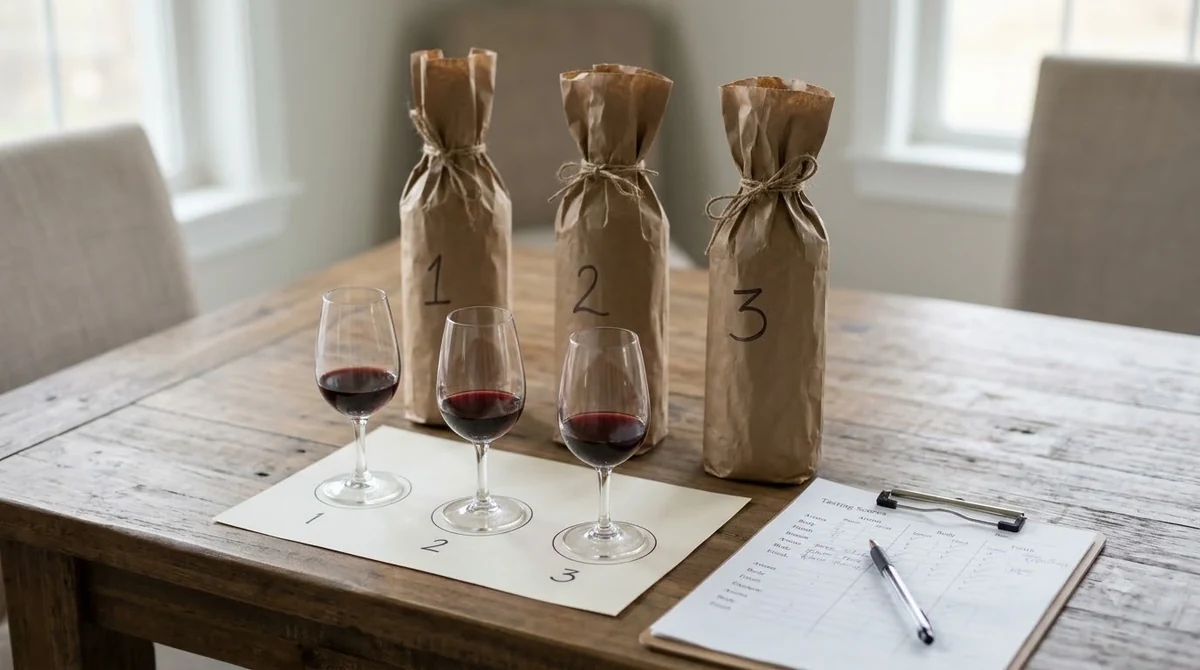
A useful Asti tasting connects the wine in the glass with the place it came from. Ask about the vineyard, grape, fermentation style, and how the estate’s sparkling and red wines differ.
Start with aroma. Moscato Bianco is associated with orange blossom, peach, apricot, citrus, and fresh-grape notes. Look for sweetness balanced by acidity and a fresh finish. With Asti Spumante, notice the persistence of the bubbles; with Moscato d’Asti, focus on its softer spritz.
Ask how the producer handles fermentation. Pressurized tanks are central to Asti’s aromatic sparkling style, although some producers also use traditional bottle fermentation. A tank-fermented wine can emphasize primary grape aromas and freshness, while bottle fermentation can create a different texture and a more autolytic character. Taste in order: begin with the lightest sparkling wine, continue to the sweeter expression, and finish with reds such as Barbera or Freisa.
Note the producer, wine name, grape, and a sensory impression. Cellar-focused travelers may prefer Canelli’s galleries; visitors who want to see vines may choose Saracco or Marenco; and those comparing local bottlings may start at the Canelli wine shop.
Frequently Asked Questions
These quick answers cover label terms, production choices, and practical details that can help you prepare for visits in Canelli and the surrounding Asti hills.
Can Asti Spumante be dry rather than sweet?
Yes. The broader sparkling-wine scale runs from Brut Nature and Extra Brut through Brut, Extra Dry, Dry, Demi-Sec, and Doux, with sweetness increasing along the sequence. The term on the bottle is a better guide to the wine’s sweetness than the word Asti on its own.
Are traditional-method sparkling wines made in the Asti area?
Yes. The Asti method uses a single fermentation in a pressurized tank, preserving natural carbon dioxide and grape aroma; traditional-method wines undergo a second fermentation in the bottle. That production difference makes it possible to compare Moscato-led fizz with other Piedmont sparkling categories during a Canelli visit.
Does DOCG mean every bottle tastes the same?
No. DOCG identifies a regulated denomination and its production requirements; it does not make every producer’s wine identical. Vineyard position, harvest decisions, fermentation choices, sweetness level, and house style all shape the finished bottle.
When should visitors arrive for a Coppo tour?
The visitor entrance is at Via Alba 66 in Canelli, and Coppo says the door opens 15 minutes before the scheduled start. Arriving a little early gives the group time to gather before descending into the underground cellar.
Are Canelli’s underground cellars accessible to visitors with limited mobility?
Coppo describes its cellar route as single-level and step-free for almost the entire visit. Travelers with specific mobility requirements should contact the winery before booking to confirm that the current route and tour format meet their needs.
Asti wineries reward visitors who approach the region as more than a single-wine destination. Plan one cellar experience in Canelli, add a family-estate tasting among the hills, and leave room for local food and a slower look at the landscape. The result is a fuller understanding of Piedmont’s sparkling heritage and the wider range of wines made around Asti.
More in Wine Regions
 Willcox Wine Trail: Discover Arizona’s High-Elevation Wine CountryUpdated Nov 20, 2026
 Yakima Valley Wine Region: Find the Best Styles to TryUpdated Nov 20, 2026
 Vosne Romanee Wine Tasting: Identify Aromas and Choose Better PairingsUpdated Nov 20, 2026
 Yakima Valley Wine Festival: Find the Best Seasonal Wine EventsUpdated Nov 20, 2026
 Wales Vineyards: Discover Cool-Climate Wines and Where to VisitUpdated Nov 20, 2026
 Yountville Wine Festival: Discover Napa Wines and Local FoodUpdated Nov 20, 2026