

We may earn a commission when you buy through links on this page, at no extra cost to you. Learn more.
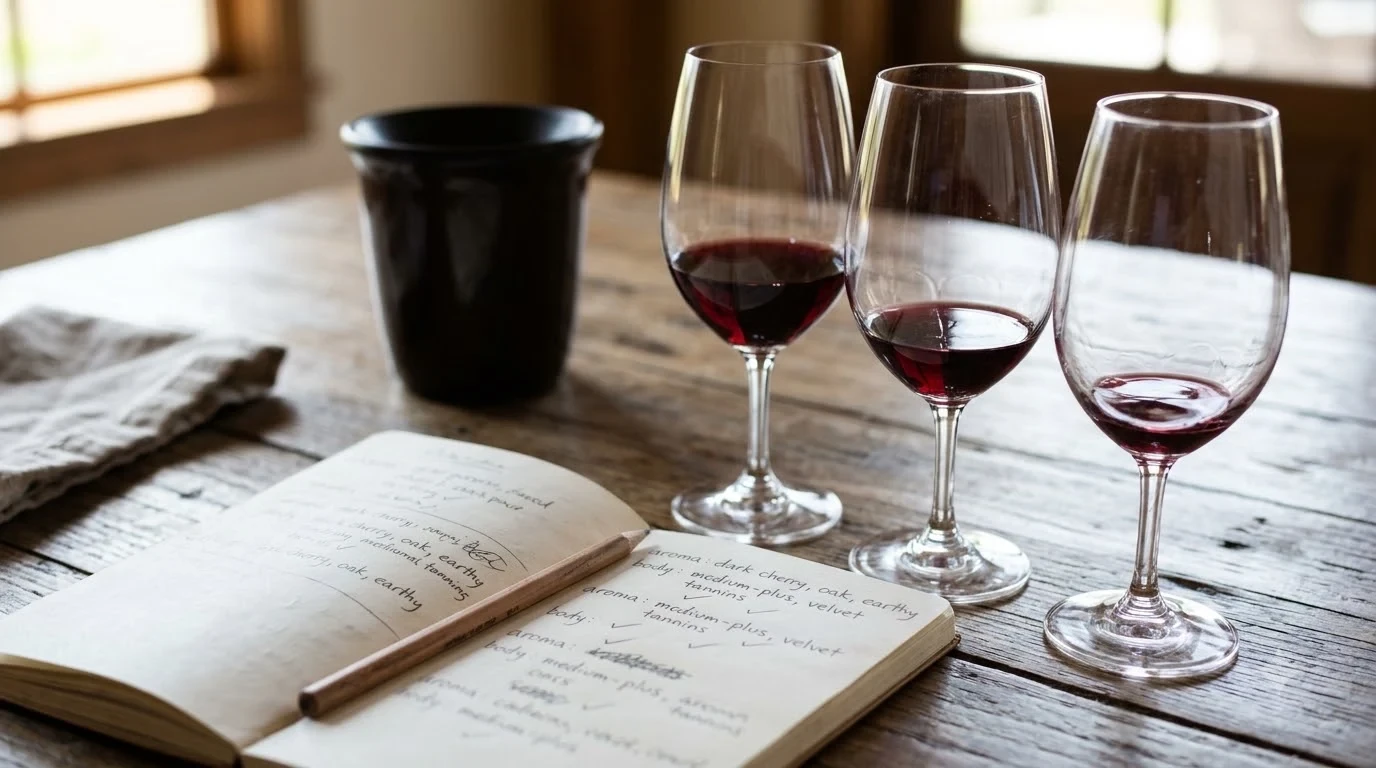
To learn how to start a wine club, gather a small group of interested people, agree on a meeting rhythm, and organize each get-together around a clear tasting theme. You do not need a sommelier, a formal venue, or a large collection to begin. A few shared bottles, modest pours, and a welcoming host are enough for the first meeting. The club can become more structured as members discover what they enjoy.
A wine club works best when its format reflects the people who join it. Some groups compare one grape across regions; others bring favorite bottles, explore food pairings, or learn tasting basics together. These steps turn a casual idea into a recurring gathering without making wine knowledge a requirement.
Define the Club’s Purpose Before Recruiting Members
Decide what members should get from the group: a relaxed social night, an introduction to wine, a chance to explore new regions, or a mix of all three. That choice shapes the group size, tasting format, and preparation expected from each host.
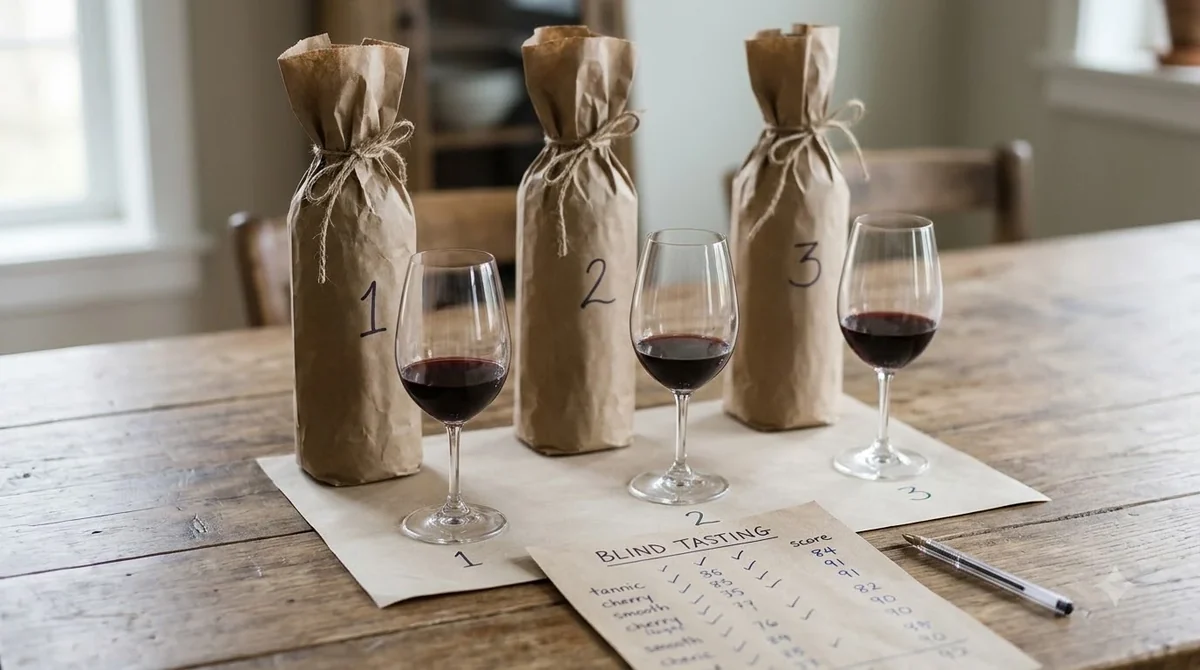
Write a short description that says what the club does, how often it meets, and what members bring. For example, a neighborhood group might meet on the first Thursday of each month, taste four or five wines, and share a simple meal. Another might meet every other month to compare Cabernet Sauvignon from California and Bordeaux or Riesling from Germany and Washington. Choose the schedule members can realistically maintain. Give the club a clear identity, but do not spend weeks on a name or logo before the first tasting. The purpose statement matters more: it tells a newcomer whether the group is a casual dinner circle, a structured learning group, or a blend of both.
Agree on the atmosphere, too. An educational club can include a short introduction to the grape, region, or winemaking method; a social group can keep the background brief and let conversation lead. Members should be able to ask basic questions, describe an aroma in everyday language, and say they dislike a wine without feeling judged. A club can add score sheets or more formal lessons later if members ask for them.
Recruit a Founding Group and Set Simple Ground Rules
Invite people who are curious and dependable rather than trying to assemble a room full of wine specialists. Six to ten people is a manageable starting group for a home tasting, with enough different viewpoints to keep the discussion lively and enough members to share bottle and hosting duties.
Ask interested people what they hope to explore and how often they can attend. A brief group message can reveal whether members prefer reds, whites, sparkling wines, regional themes, or a broad mix. If attendance grows beyond 15, consider dividing members into pairs and having each pair bring one bottle; VinePair’s beginner wine club example uses that approach instead of opening a bottle for every person.
Before the first meeting, settle the basics: who hosts, who brings food, how bottles are assigned, how guests RSVP, and how the group shares expenses. Set the theme and number of bottles in the invitation so nobody arrives with a wine that does not fit. A shared email thread or group chat can hold dates, theme ideas, attendance replies, and a short record of wines opened. Keep the record useful rather than elaborate. Ask one person to welcome newcomers and explain the evening’s sequence, while another keeps the tasting moving from bottle to bottle. Members can swap those small duties as attendance changes, so organizing does not become a permanent job for the founder. Let people know that missing a meeting is fine; the recap and next invitation keep them connected.
Choose a Meeting Rhythm, Venue, and Shared Roles
Choose a schedule that members can keep and reserve the next few dates before calendars fill up. Monthly meetings build momentum, while a gathering every six to eight weeks may suit people with longer commutes or busy schedules.
Set the first three dates together rather than ending the launch meeting with a vague promise to meet again. The American Wine Society recommends at least six meetings a year for its chapters and notes that many meet monthly; use that as a reference, not a rule for an informal club. A rotating home schedule is often easiest to start. One member hosts, another coordinates the bottles, and a third tracks the next date and theme.
A dining table works well for six to ten tasters, but community rooms, libraries, restaurants, wine shops, and wineries may suit larger groups. Before booking a public venue, ask whether outside wine is allowed, whether glassware is included, what the room fee covers, and who handles setup and cleanup. Confirm local rules before advertising an event or collecting contributions. Divide work across members and send a clear invitation with the date, time, venue, theme, bottle assignment, food plan, RSVP deadline, and anything guests should bring. Ask about seating, lighting, nearby transit or parking, and whether the venue permits guests to bring their own wine. For a home meeting, identify a safe place for coats and bags and keep the tasting table free of strong cooking aromas or scented candles that can distract from the wines.
Build Each Tasting Around One Clear Theme
A focused theme gives members a reason to compare wines rather than work through a random collection. Five bottles is a practical starting lineup: enough contrast to notice patterns without making the tasting feel like a class.
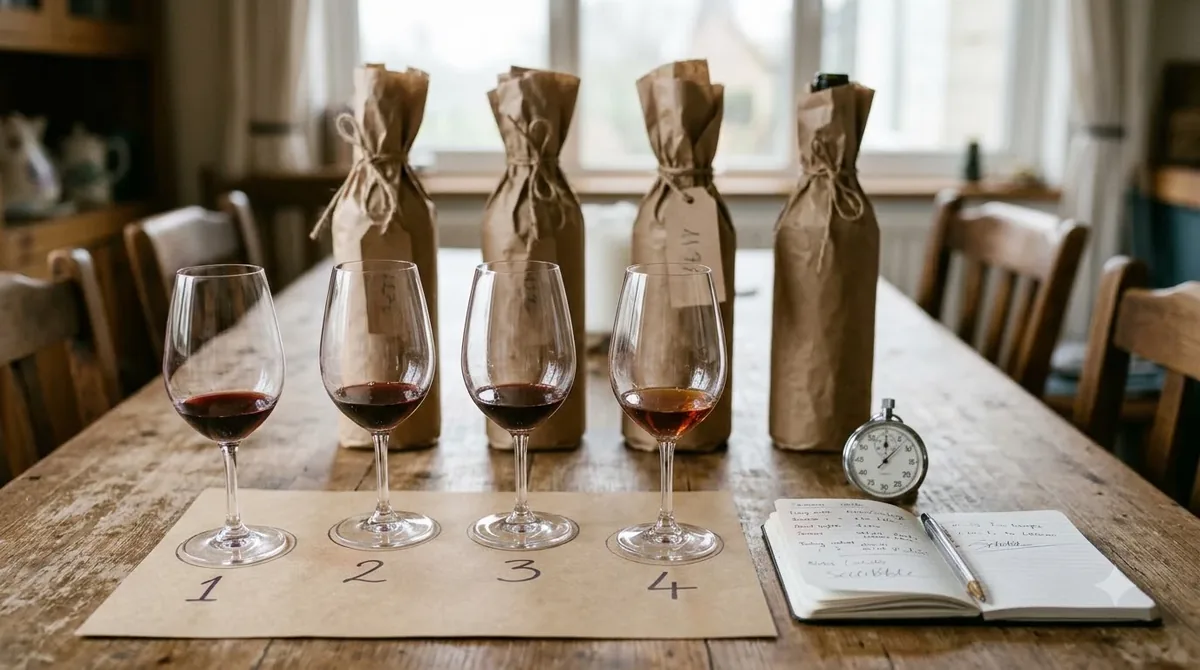
Wine Enthusiast’s at-home tasting advice suggests five wines as a useful range, including one sparkling wine, two whites, and two reds. Start with something familiar, then add an unfamiliar grape, region, or style. For a first meeting, that balance is more approachable than choosing five obscure bottles that need lengthy explanations.
Make assignments specific. “Pinot Noir around the world” could include Oregon, Burgundy, Germany, and New Zealand. “Spanish whites” might compare Albariño, Verdejo, and Godello; “oak versus stainless steel” can focus on Chardonnay. Other themes include Old World versus New World Cabernet Sauvignon, dry Riesling from two climates, or rosé from several regions. Change only one or two variables at a time so members can connect differences to grape, place, or winemaking.
Decide whether to reveal bottles immediately or taste blind. For a blind flight, cover labels or transfer wines into numbered carafes, then keep a key until everyone has written a few impressions. Treat guessing as a game, not an exam. After the reveal, the person who brought each bottle can explain why they chose it and share one or two details about the producer or region. Let members vote on a favorite or choose the next theme by consensus before they leave. Keep a short list of future ideas in the group chat, and avoid repeating the same grape or region at consecutive meetings. A simple calendar that alternates grape comparisons, regional tastings, and food pairings gives members variety while still allowing each theme enough time for preparation.
Plan the Pour Sizes, Wine Order, and Tasting Setup
Small, consistent pours let everyone compare several wines without filling a full glass for every sample. Plan on about two ounces per person per wine, and arrange the lineup from lighter styles to fuller, more structured wines.
A standard 750-milliliter bottle contains about 25.4 U.S. fluid ounces, enough for roughly twelve full two-ounce tasting pours. A 1.5-liter magnum can supply a larger group; the guide to how many glasses in a magnum helps with bottle planning. Build in a little extra for late arrivals or a second taste.
| Planning item | Useful figure | How to use it |
|---|---|---|
| Starter lineup | 5 wines | A manageable range for one meeting |
| Example mix | 1 sparkling, 2 whites, 2 reds | Creates contrast without an oversized flight |
| Tasting pour | 2 fl oz per person per wine | Allows comparison across the lineup |
| Standard bottle | 750 ml / about 25.4 fl oz | Roughly 12 full two-ounce samples |
| Magnum | 1.5 L / about 50.7 fl oz | Useful when more tasters share a wine |
| Light red serving | 55–60°F | Serve slightly cool rather than warm |
| Full red serving | 60–65°F | Keep structured reds below a warm room temperature |
Set out a glass for each person, water, plain crackers or bread, napkins, pens, and a dump bucket or individual spittoons. Have bottles open and glassware ready before guests arrive. Serve sparkling and crisp whites first, followed by fuller whites such as Chardonnay, lighter reds such as Pinot Noir, and then fuller reds such as Cabernet Sauvignon or Syrah. Typical ranges are 40–50°F for sparkling wine, 45–50°F for light whites and rosé, 50–55°F for full whites, 55–60°F for light reds, 60–65°F for full reds, and 43–50°F for sweet whites.
Tip: Keep the first tasting to five wines and two-ounce pours. That gives members room to compare the lineup, pause between samples, and revisit a favorite without turning the gathering into a long formal class.
Choose Food, Share Costs, and Keep the Club Sustainable
Food can be as simple as bread, crackers, mild cheese, and snacks, or it can be part of the theme. Decide whether the gathering focuses on wine first or on wine-and-food pairings, because the menu and order of service should support that goal.
For a wine-focused flight, offer plain bread or crackers and water between wines, then serve the meal afterward. For a pairing session, taste each wine with the food from the beginning. Keep the basic principles in view: wine should be at least as sweet as dessert, acidic food needs a wine with equal or higher acidity, and salt or fat can soften tannin. Chili heat is amplified by alcohol and tannin, while oily fish can clash with tannic reds.
Use the lineup to explore those differences. Sauvignon Blanc and Riesling have high acidity and can work with bright, tangy dishes; Chardonnay usually has medium acidity and can suit richer preparations. Pinot Noir tends to have low-to-medium tannin and high acidity, while Cabernet Sauvignon is high in tannin. For a pairing exercise, compare those styles with the same dish and ask which wine keeps its freshness or feels more balanced. Keep spicy dishes away from high-alcohol, high-tannin wines if the goal is to keep the heat in balance.
Agree on a fair way to share expenses. Members can each bring an assigned bottle, split a bottle across two people, or contribute to a common tasting fund. Keep a simple record of what came in and what was spent, and make the approach clear to everyone. A small shared reserve can pay for replacement glassware, tasting mats, or a special anniversary event, but only collect money for a purpose the members have agreed on. For a larger anniversary or reception, estimate bottles from the pour size and guest count: the regular two-ounce tasting format is different from a dinner where guests receive full pours. Use the guide to how much wine for 100 guests when planning beyond the normal club size. Members building a home cellar can also use the club’s themes to plan how to start a wine collection with a purpose instead of buying bottles at random. After each meeting, send a brief recap with the wines, next theme, host, and date. Ask whether the format is working and adjust if attendance drops. Make room for new people by explaining the format, introducing them to the host, and pairing them with someone for conversation. Members are more likely to return when they feel welcome, have a small role, and know what the next gathering will look like.
Frequently Asked Questions
These questions often come up as a club moves from its first tasting to a regular schedule. Treat the answers as flexible guidelines and adapt the format to the group.
Can a wine club meet online?
Yes. Online tasting groups can use half-bottles or send small, clearly labeled samples to members before the meeting. A 375-milliliter half-bottle is half the volume of a standard 750-milliliter bottle, which can make a coordinated virtual flight easier to arrange.
What does ABV mean on a wine tasting sheet?
ABV means alcohol by volume, the percentage of a wine’s volume that is alcohol. Recording it can help members compare wines, especially when discussing warmth, body, or how a wine feels alongside food.
What is a vertical wine tasting?
A vertical tasting compares the same wine or bottling from one producer across multiple vintages. The format helps members notice how growing conditions and cellar decisions can create differences from one harvest year to another.
How many standard glasses come from a 750-milliliter bottle?
A 750-milliliter bottle provides about five standard five-ounce pours. That is different from a club tasting, where two-ounce samples let members compare more wines without serving a full glass of each.
How long can members keep an opened bottle after a meeting?
Refrigerated still wines generally keep for about three to five days after opening, while sparkling wines usually keep for about one to three days. Seal the bottle promptly and keep it chilled rather than leaving it on the tasting table overnight.
A successful wine club is built on a repeatable plan, not a perfect first tasting. Start with a few members, five focused wines, and a date for the next gathering, then let the group shape its own traditions. Keep the invitations clear, pours modest, and atmosphere welcoming, and the club will have room to grow at a pace that suits its members.
More in Wine Basics
 What Is The Best Wine For Mimosas? Choose Bubbly That Balances Orange JuiceUpdated Nov 20, 2026
 Which Prosecco Is Best for Your Taste and OccasionUpdated Nov 20, 2026
 Which Wine Is Best For Health? Understand the Risks and BenefitsUpdated Nov 20, 2026
 Which Champagne Is Best for Your Taste and OccasionUpdated Nov 20, 2026
 What To Put In A Wine Gift Basket For A Thoughtful, Memorable GiftUpdated Nov 20, 2026
 What Is the Best Wine for Mulled Wine? Choose a Smooth, Fruity RedUpdated Nov 20, 2026