

We may earn a commission when you buy through links on this page, at no extra cost to you. Learn more.
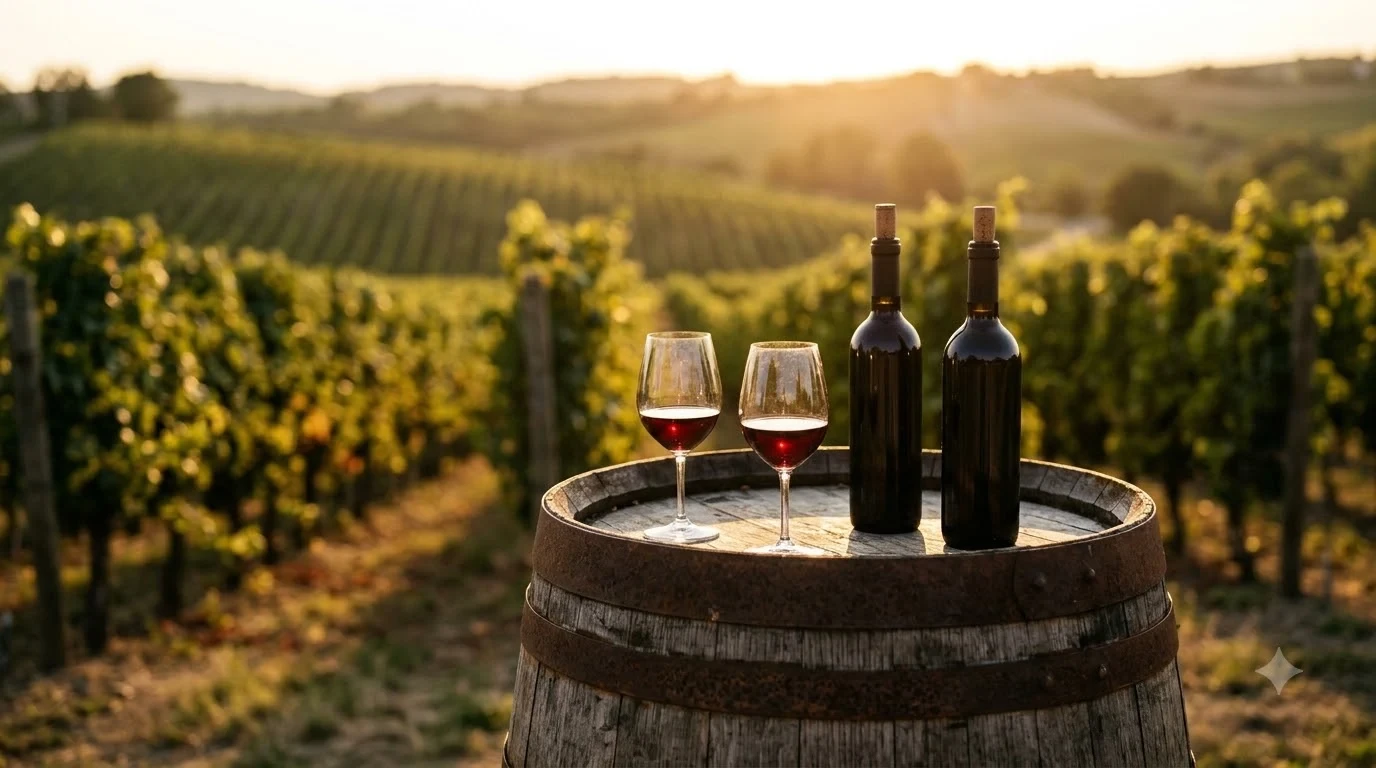
Cafayate vineyards are high-altitude wine-growing sites in Salta, northwestern Argentina, known especially for aromatic Torrontés, concentrated Malbec, and distinctive wines shaped by intense sunshine and cool mountain nights. Located within the Calchaquí Valley, these vineyards generally sit between 1,500 and 2,020 meters above sea level. Their dry climate, sandy soils, and substantial day-to-night temperature changes create growing conditions that distinguish Cafayate from Argentina’s better-known wine regions.
Argentina is often associated with Mendoza and its celebrated Malbec, but the country’s northern vineyards offer another perspective on regional winemaking. Cafayate has become particularly recognizable for its expressive white wines and characterful reds. Understanding its geography, grapes, climate, and winemaking traditions makes it easier to recognize what sets a bottle from this part of Salta apart.
Where Cafayate’s Vineyards Are Located
Cafayate sits in northwestern Argentina, within Salta Province and the broader Calchaquí Valley wine-growing area. Its combination of mountain scenery, established vineyards, and historic wine production makes it one of the country’s most distinctive northern wine destinations.
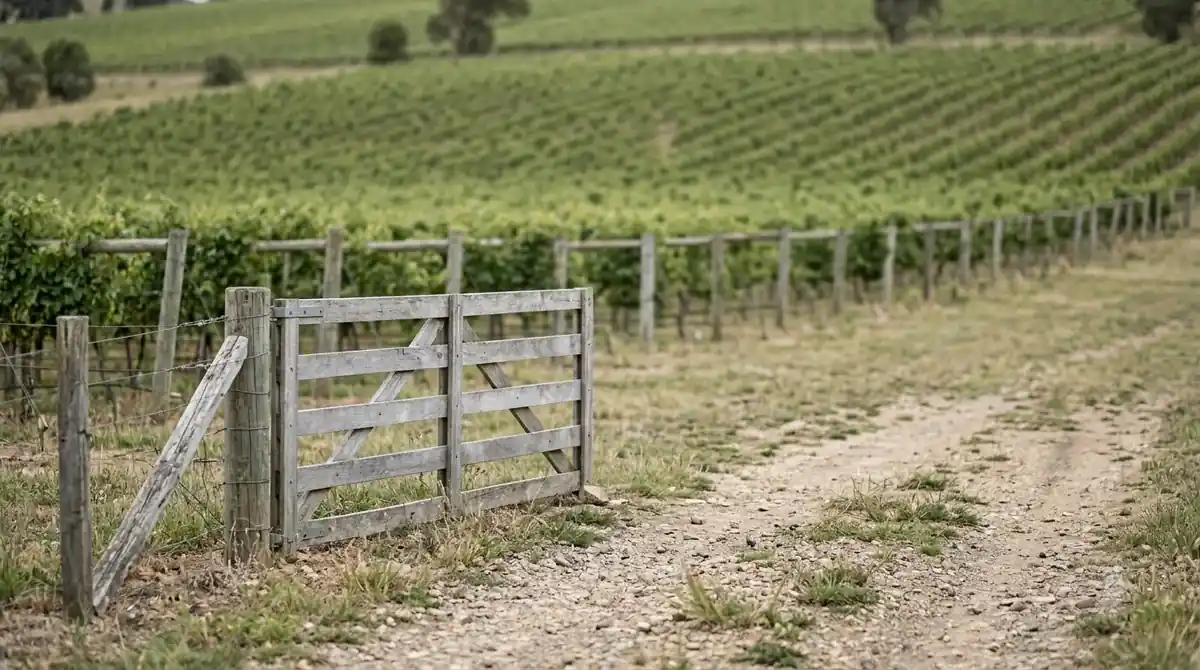
The Cafayate Geographical Indication identifies a recognized wine-growing area around the town and its surrounding department. According to Wines of Argentina, Cafayate is Salta’s principal wine-producing center and accounts for approximately 60% of the vineyards in the Calchaquí Valley. This concentration gives the town an important position in the region’s wine industry.
The vineyards occupy a dramatic landscape surrounded by the Andes and the mountain ranges of the Calchaquí Valleys. The broader valley system extends through parts of Salta, Tucumán, and Catamarca, so Cafayate should be understood as one important part of a larger wine-producing territory rather than the name for every vineyard in northern Argentina.
According to Wines of Argentina, the Cafayate Department contains approximately 2,764.6 hectares of cultivated vineyard land. Its wine-growing area is located near 26°05′ south latitude and 65°58′ west longitude. These geographic details help explain why Cafayate has a growing environment quite different from vineyards at lower elevations in central Argentina.
Nearby wine-growing locations include San Carlos, Molinos, and Cachi. Their elevations differ considerably, with Cafayate vineyards generally occupying approximately 1,500 to 2,020 meters, while some vineyards around Cachi reach 3,111 meters. These differences create meaningful variation in growing conditions across the Calchaquí Valley.
For readers exploring international wine regions, Cafayate provides an interesting comparison with Tasmania vineyards, where cooler growing conditions and regional geography also influence grape character. Both demonstrate why understanding a vineyard’s location can be just as useful as knowing the grape variety on its label.
High Altitude, Sunshine, and the Desert Climate
Altitude is one of the defining features of Cafayate vineyards. Elevations between 1,500 and 2,020 meters expose vines to strong sunlight while cooler mountain nights help create a different ripening environment from warmer, lower-altitude wine-growing areas.
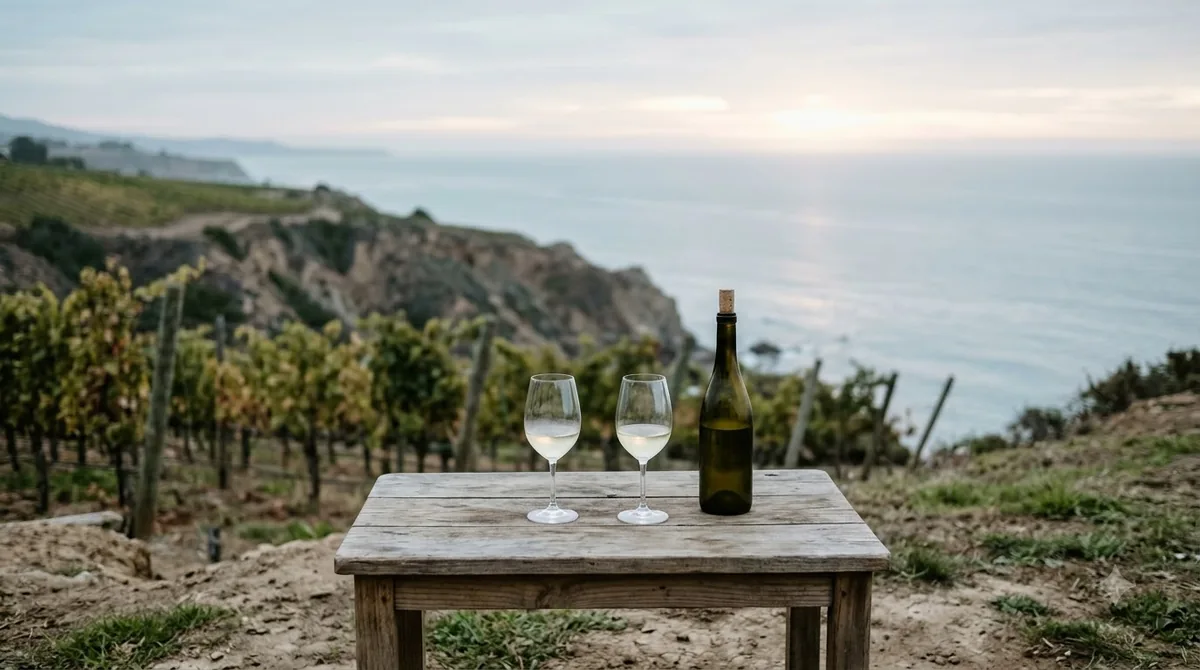
At higher elevations, the atmosphere provides less protection from ultraviolet radiation. Grapes respond to these conditions through changes in their skins, including the development of compounds associated with color, tannin, and aromatic expression. This is one reason high-altitude Malbec from the Calchaquí Valley can develop particularly deep color and concentrated fruit characteristics.
The temperature difference between day and night is another important consideration. Warm daytime conditions encourage grape development, while cooler nights can help preserve freshness as the fruit ripens. This combination allows producers to work with grapes that have considerable aromatic intensity without necessarily sacrificing all their natural acidity.
Rainfall is limited, making water management essential. Wines of Argentina reports average annual rainfall of approximately 186 millimeters in the Cafayate Department and an annual average temperature of 16.2°C (61°F). These figures describe a dry growing environment in which irrigation plays an important role in maintaining healthy vines.
The region’s sunlight is particularly striking. Cafayate.com describes the wider valley as receiving approximately 320 sunny days per year, alongside substantial temperature variation. Long periods of sunshine support grape ripening, but vineyard managers must also consider exposure, water availability, and the risk of excessive heat or sun damage.
Frost is another important consideration at these elevations. Cold conditions can threaten vines during sensitive growing stages, and the timing and severity of frost can vary between locations. Vineyard altitude, slope, air movement, and site exposure therefore matter when growers select planting locations and manage their crops.
These environmental conditions do not automatically guarantee better wine. Rather, they provide a particular set of opportunities and challenges. Decisions about irrigation, canopy management, harvesting, fermentation, and oak aging determine how effectively each producer expresses the vineyard’s character.
The Main Grapes Grown in Cafayate
Torrontés Riojano and Malbec are the best-known grapes associated with Cafayate, although Cabernet Sauvignon, Tannat, Merlot, and other varieties also contribute to the region’s wine production. The combination of aromatic whites and structured reds makes the area’s selection more varied than its reputation for Torrontés alone might suggest.
Torrontés Riojano is Argentina’s signature aromatic white grape and has a particularly strong association with Salta. Wines from Cafayate commonly display floral aromas, peach-like fruit, citrus notes, and lively freshness. The grape can smell intensely perfumed while remaining dry on the palate, an important distinction for people who assume that floral aromas necessarily indicate sweetness.
Wines of Argentina identifies Torrontés Riojano as the dominant white grape in Salta, with approximately 842.2 hectares planted. This substantial presence helps explain its importance in the region’s identity. It is especially useful for understanding why Cafayate is frequently mentioned when people discuss Argentina’s most distinctive white wines.
Malbec is equally important to the region’s reputation, particularly for drinkers who prefer red wines. Cafayate Malbec can show dark plum, blackberry, violet, and spice characteristics, supported by noticeable tannin and concentrated fruit. Its precise style depends on the vineyard and producer, but high-altitude growing conditions can contribute to particularly intense color and skin-derived structure.
Cabernet Sauvignon is another significant red variety. It typically brings blackcurrant-like fruit, herbal nuances, and a firmer tannic framework. In Cafayate, the variety has attracted attention for producing expressive wines with ripe fruit and substantial structure.
Tannat provides another perspective on northern Argentine reds. Known for its naturally substantial tannin, it can produce powerful wines with dark fruit and a firm palate. The grape’s performance in the Calchaquí Valley illustrates how local growing conditions can influence the balance and expression of a variety.
Merlot offers a softer alternative to Cabernet Sauvignon and Tannat. Its generally rounder texture and medium tannin can make it approachable earlier, particularly when producers emphasize fruit rather than extensive oak aging.
| Grape variety | Wine color | Typical characteristics | Common style |
|---|---|---|---|
| Torrontés Riojano | White | Floral, peach, citrus | Dry, aromatic, refreshing |
| Malbec | Red | Dark plum, blackberry, violet | Concentrated, structured |
| Cabernet Sauvignon | Red | Blackcurrant, herbs, spice | Full-bodied, tannic |
| Tannat | Red | Dark fruit, earthy notes | Firm, powerful, structured |
| Merlot | Red | Plum, cherry, soft spice | Medium-bodied, rounded |
| Chardonnay | White | Apple, citrus, sometimes tropical fruit | Fresh or oak-influenced |
The planting figures also demonstrate that Salta’s wine industry is not exclusively focused on white grapes. According to Wines of Argentina, the province has approximately 1,714.3 hectares of Malbec and 501.8 hectares of Cabernet Sauvignon. These provincial figures provide useful context for understanding the importance of red varieties across the region, although they should not be confused with individual Cafayate vineyard totals.
What Cafayate Wines Taste Like
Cafayate wines are known for pronounced varietal character, aromatic intensity, and the influence of high-altitude growing conditions. Torrontés provides the most recognizable white wine style, while Malbec, Cabernet Sauvignon, and Tannat offer different expressions of the region’s red grapes.
Torrontés: Floral Aromas and Dry Freshness
A typical Cafayate Torrontés opens with pronounced floral aromas. Jasmine, rose, orange blossom, peach, and citrus are useful reference points when describing the grape. The nose can suggest sweetness, but the palate is generally dry, with acidity providing freshness and helping balance its aromatic intensity.
Not every Torrontés tastes identical. Harvest timing, vineyard elevation, fermentation temperature, and decisions about oak influence the final result. Some wines emphasize delicate flowers and citrus, while others develop richer peach and stone-fruit characteristics.
Decanter’s reporting on Cafayate highlights the grape’s natural crispness, peach-like fruit, and distinctive aromatics. Its regional identity is particularly evident in wines that retain freshness while expressing the grape’s characteristic perfume. For a closer look at the region’s altitude and the wines it produces, read Decanter’s feature on the heights of Cafayate.
Malbec: Dark Fruit and Concentration
Cafayate Malbec often emphasizes dark fruit, including blackberry, plum, and fig. Floral notes and spice can add complexity, while tannins give the wine a more substantial structure. Some examples are aged in oak, introducing vanilla, toast, or baking-spice characteristics.
The grape’s natural ability to produce deeply colored wines is particularly noticeable in high-altitude settings. Strong sunlight and other growing conditions can encourage the development of compounds in grape skins that influence color and structure. The final result, however, depends on extraction, fermentation, ripeness, and aging choices.
Cabernet Sauvignon and Tannat: More Structure
Cabernet Sauvignon offers firmer tannins and darker fruit than Torrontés, with blackcurrant and herbal characteristics often appearing in the aroma and flavor. Cafayate examples can combine ripe fruit with substantial structure, making them suitable for dishes with enough protein and richness to complement the tannins.
Tannat generally provides an even more pronounced tannic impression. Its dark fruit, spice, and firm texture can make it a compelling choice for grilled beef and other hearty dishes. Merlot, by comparison, usually provides a softer experience, with medium tannins and rounded fruit.
These differences are useful when selecting a bottle. A drinker looking for aromatic freshness may prefer Torrontés, while someone seeking a structured dinner wine might choose Malbec, Cabernet Sauvignon, or Tannat.
Soils, Vineyard Management, and Winemaking
Cafayate’s soils are generally sandy or sandy loam, often containing gravel and rounded stones. Combined with limited rainfall and high solar exposure, these characteristics influence drainage, irrigation requirements, and the way vineyard managers maintain healthy grapevines.
According to Wines of Argentina, Cafayate’s sandy-loam soils contain coarse grains, surface gravel, and finer sand fractions deeper in the soil profile. Rounded stones are also present. This mixture creates a different growing environment from heavier soils that retain more water.
Good drainage is particularly relevant in a region where rainfall is limited and irrigation must be carefully managed. Water availability affects vine growth, fruit development, and the balance between vegetative growth and grape production. Too little water can place excessive stress on vines, while poorly managed irrigation can encourage unwanted growth and dilute fruit concentration.
Canopy management is another important part of the growing process. Leaves provide shade and help protect grape clusters from intense sunlight. Growers must balance sufficient exposure for healthy ripening with protection against excessive heat and ultraviolet radiation, particularly for aromatic varieties such as Torrontés.
Harvest timing can also differ between varieties and individual vineyard sites. Producers consider sugar accumulation, acidity, phenolic maturity, and the intended wine style before deciding when to pick. Torrontés intended for a fresh, aromatic style may require different harvesting decisions from a deeply concentrated red intended for extended aging.
Winemaking methods vary, but some producers favor stainless steel or concrete fermentation vessels for preserving fruit and floral character. Oak can be used selectively, particularly for red wines where additional texture and flavor complexity are desired.
A useful example comes from Kaiken’s Cafayate Torrontés technical information. The producer describes hand harvesting, careful cluster selection, cold settling for 48 hours, and fermentation in concrete tanks at 14°C for 20 days. The wine is not aged in oak, an approach intended to preserve its floral aromatics and natural freshness. The producer’s Kaiken Torrontés technical sheet provides further details about the vineyard and production method.
This example is not a universal recipe for the region. Other producers use different vessels, fermentation temperatures, maceration periods, and aging techniques. The diversity of these decisions is one reason two bottles made from the same grape in Cafayate can offer noticeably different drinking experiences.
Tip: When comparing Cafayate wines, begin with the grape variety and winemaking style rather than relying on altitude alone. A fresh, unoaked Torrontés and an oak-aged Malbec can express the same broad region in very different ways.
Visiting Cafayate Wineries and Planning a Wine Trip
Cafayate is an appealing destination for wine travelers interested in mountain scenery, regional food, and distinctive Argentine wines. Its established wineries and tasting venues provide opportunities to explore Torrontés, Malbec, and other local varieties while learning how altitude influences viticulture.
The town is located approximately 186 kilometers from Salta City, according to the official Salta tourism website. The journey follows the route through the Calchaquí Valleys, passing dramatic landscapes that include the Quebrada de las Conchas. The scenery is an important part of the experience, making the road trip more than simply transportation between two cities.
Many visitors use Cafayate as a base for exploring nearby vineyards and wineries. The concentration of wine producers around the town makes it possible to plan several visits without attempting to cover the entire northern wine region in one trip.
Historic wineries, smaller producers, and contemporary tasting rooms provide different perspectives on the area’s wine culture. Some emphasize traditional varieties and established regional styles, while others experiment with vineyard sites, grape combinations, and winemaking techniques.
A useful approach is to plan two or three winery visits in one day. This leaves enough time for tasting, meals, conversations with winery staff, and enjoying the landscape. Arranging appointments in advance is sensible, particularly during busy travel periods or when visiting smaller producers with limited tasting facilities.
The harvest period is another interesting time to visit. Grapes in northern Argentina are generally harvested during the Southern Hemisphere summer and early autumn, with February and March being important months for many producers. Exact dates depend on grape variety, weather, and vineyard elevation.
Visitors interested in the broader regional wine route can also explore the Salta Wine Route, which includes wineries, accommodation providers, travel services, and local food producers. The combination makes Cafayate suitable for a trip that includes more than winery visits alone.
Regional food is an important part of the experience. Traditional empanadas, grilled meats, local cheeses, and dishes prepared with regional ingredients provide useful opportunities to compare different wine styles. Cafayate Torrontés is particularly interesting alongside aromatic foods and flavorful local cooking.
Travelers comparing South American wine destinations may also enjoy exploring Uruguay vineyards. Uruguay’s Atlantic-influenced vineyards and emphasis on Tannat provide an interesting contrast with the dry, high-altitude conditions of northern Argentina.
Choosing, Serving, and Pairing Cafayate Wines
The best way to choose a Cafayate wine is to begin with the grape and the intended drinking occasion. Torrontés is an excellent starting point for aromatic white wine lovers, while Malbec provides a familiar red wine style with a distinctive northern Argentine character.
For white wine drinkers, Torrontés is particularly versatile with food that has fresh herbs, citrus, and aromatic seasoning. It can complement seafood, grilled chicken, salads, and regional empanadas. Its aromatic character also makes it interesting with dishes that feature ginger, coriander, or other fragrant ingredients.
Serve Torrontés at approximately 45–50°F if you prefer a crisp, refreshing experience. Avoid serving it excessively cold, since very low temperatures can make floral aromas and fruit characteristics harder to recognize. A slightly warmer pour can reveal more of the wine’s aromatic complexity.
Malbec is a natural partner for grilled beef, lamb, roasted vegetables, and dishes featuring smoky or savory flavors. Its tannins can be softened by protein and fat, which is why it works particularly well with richer meat dishes. A medium- to full-bodied example can also complement mushroom dishes and aged cheeses.
Serve structured reds at approximately 60–65°F. If a young, concentrated Malbec seems particularly tight, decanting for 30–60 minutes can allow it to open up. This is especially useful for wines with substantial tannin and concentrated fruit.
Cabernet Sauvignon and Tannat are good choices for dishes with stronger savory flavors. Grilled steak, slow-cooked beef, and roasted lamb can provide enough richness to balance their firmer tannins. Merlot is generally more flexible with roasted poultry, pork, and medium-intensity dishes.
For a simple comparison, consider tasting Torrontés and Malbec alongside the same regional meal. The white wine highlights aromatic freshness, while the red demonstrates the region’s capacity for concentrated fruit and structure. This side-by-side approach makes the differences between grape varieties especially clear.
When storing bottles at home, keep them away from direct sunlight and excessive temperature changes. A consistent storage temperature near 55°F is a useful target, and cork-sealed bottles are generally best stored on their sides. Once opened, refrigerate still wines and aim to enjoy them within approximately three to five days.
Readers exploring Italian wine regions may also find useful comparisons in Chianti Classico vineyards, where Sangiovese, different soils, and regional climate produce another recognizable expression of place. Comparing these regions is a helpful way to understand why the same grape can produce different wines in different growing environments.
For additional background on international wine geography, the Wine Regions resource provides a starting point for exploring how location, climate, soil, and grape selection shape wine styles around the world.
Frequently Asked Questions
Is Cafayate an officially recognized wine region?
Yes. Cafayate is recognized as a Geographical Indication in Argentina’s wine-growing system. The designation provides geographic recognition for wine production associated with the area, rather than guaranteeing a particular taste or quality level. Valle de Cafayate is another geographic name associated with the region.
How do you pronounce Cafayate?
The name is commonly pronounced approximately as cah-fah-YAH-tay in English-language conversation. Spanish pronunciation varies slightly with regional accents. The emphasis falls on the final syllable, making the name easier to recognize when arranging winery visits or discussing Argentine wines.
Is Cafayate Torrontés always made from 100% Torrontés grapes?
No. Although many recognizable examples are varietal wines, the grape composition depends on the individual producer and wine. A specific Kaiken Cafayate Torrontés described in its technical information is made from 100% Torrontés Riojano. Other bottlings may use different compositions, so the grape information for each wine matters.
Can Cafayate wines be aged for several years?
Some can. Structured Malbec, Cabernet Sauvignon, and Tannat wines may develop additional complexity with bottle aging when they have sufficient fruit concentration, acidity, and tannin. Many fresh Torrontés wines are intended to be enjoyed relatively young, when their floral and citrus aromas remain expressive.
What is the difference between Cafayate and Mendoza wines?
Cafayate is located in Salta’s high-altitude Calchaquí Valley, while Mendoza is a much larger wine-producing province farther south. Their vineyard locations, climate patterns, soils, and individual producers create different expressions of varieties such as Malbec. Neither region has a single universal wine style, so comparing specific producers and vineyard sites provides the most useful distinction.
Cafayate vineyards demonstrate how altitude, sunlight, dry conditions, and distinctive soils can shape the character of Argentine wine. From aromatic Torrontés to concentrated Malbec and structured Tannat, the region offers a varied selection that rewards exploration. Whether discovering its wines at home or visiting the Calchaquí Valley, understanding the landscape provides a useful starting point for appreciating what makes Cafayate distinctive.
More in Wine Regions
 Willcox Wine Trail: Discover Arizona’s High-Elevation Wine CountryUpdated Nov 20, 2026
 Yakima Valley Wine Region: Find the Best Styles to TryUpdated Nov 20, 2026
 Vosne Romanee Wine Tasting: Identify Aromas and Choose Better PairingsUpdated Nov 20, 2026
 Yakima Valley Wine Festival: Find the Best Seasonal Wine EventsUpdated Nov 20, 2026
 Wales Vineyards: Discover Cool-Climate Wines and Where to VisitUpdated Nov 20, 2026
 Yountville Wine Festival: Discover Napa Wines and Local FoodUpdated Nov 20, 2026