

We may earn a commission when you buy through links on this page, at no extra cost to you. Learn more.
Aconcagua wine is Chilean wine from a region that stretches from the Andes toward the Pacific, offering structured reds from warmer inland vineyards and fresher whites and Pinot Noir from cooler coastal sites. Cabernet Sauvignon and Syrah are important red grapes, while Carmenère adds another distinctly Chilean option. On the coast, Sauvignon Blanc, Chardonnay, and Pinot Noir show how much the region’s wines can change with location. Understanding the difference between inland and coastal vineyards makes it easier to choose a bottle that suits your taste and meal.
Chile’s Aconcagua area is often associated with full-flavored red wines, but its identity is broader than that description suggests. The river corridor connects mountain-influenced vineyards with sites closer to the Pacific, creating different conditions for ripening grapes. The result is a regional collection that ranges from Cabernet Sauvignon with firm structure to aromatic white wines and increasingly interesting coastal Pinot Noir. Geography, grape variety, and the wording on a bottle are the three most useful starting points for understanding its wines.
Where the Aconcagua Valley Fits in Chile
Aconcagua sits in north-central Chile, where the Aconcagua River travels from the Andes toward the Pacific Ocean. The distinction between the wider wine region and the specific valley matters because the name Aconcagua can describe a broader geographical grouping as well as the individual valley known for its inland reds.
The Aconcagua River is central to the landscape. According to Wines of Chile, its basin contains alluvial and colluvial terraces that provide suitable conditions for vineyards. These deposits were formed through the movement of water and material down the valley, creating different growing environments along the river corridor. The river’s course also connects areas with very different influences: the high Andes to the east and the maritime conditions of the Pacific to the west. For a regional overview, Wines of Chile’s regional description explains this connection between the river, terrain, and grape-growing zones.
Experience Chile places the wine-growing area around Los Andes and San Felipe, including vineyard areas to the east and west of San Felipe. The landscape is not one uninterrupted expanse of vines. Cultivated areas sit among dry hills and mountain slopes, and the contrast between green vineyards and the surrounding terrain is part of the region’s character. This geography helps explain why two wines carrying the same broad regional name can show different levels of ripeness, acidity, and structure.
There is also a useful distinction between the Aconcagua Wine Region and the Aconcagua Valley itself. The broader regional name can encompass neighboring wine areas, including Casablanca and San Antonio, while Aconcagua Valley refers to the specific inland valley. Decanter has also noted that the name Aconcagua has been used for both a larger geographical area and a discrete wine appellation. Readers comparing labels from different parts of Chile can use the site’s Wine Regions reference to keep regional names and individual valleys separate. For a more focused look at the local geography, the dedicated Aconcagua wine region resource provides another useful point of comparison.
Climate and Soils Along the River Corridor
Aconcagua’s main climatic divide is between its warmer inland vineyards and cooler locations closer to the Pacific. Inland summers are generally hot and dry, while maritime breezes and cool nighttime air help moderate temperatures and preserve differences between growing sites.
Experience Chile describes the valley’s summers as dry and hot, with cold winters and substantial changes between daytime and nighttime temperatures. That daily temperature range is important because grape ripening is not simply a matter of accumulating heat during the afternoon. Cooler nights slow the pace of ripening and help grapes retain freshness while daytime sunlight supports flavor and sugar development. Decanter also identifies temperature variation between day and night as an important influence on grape development in Aconcagua. The combination helps explain why the region can produce ripe, concentrated reds without every wine becoming broad or heavy.
Water is another important part of the picture. Experience Chile describes the valley as receiving little rainfall and relying on irrigation supported by snowmelt from the Andes. This water supply is a defining part of inland viticulture, where a dry growing season makes vineyard water management essential. The river system and mountain origins of the valley are therefore more than geographical details: they are closely connected to how vines grow and how producers manage their sites.
Soils also vary. Wines of Chile identifies alluvial and colluvial terraces along the river, while Experience Chile describes sandy soils in parts of the valley. These soil types do not create one universal flavor, but they influence drainage, water availability, and the conditions in which individual vineyard blocks develop. In the coastal sector, the geology can be different again. Decanter describes the schist soils associated with the Errázuriz Las Pizarras Pinot Noir vineyard in Aconcagua Costa. A bottle from that type of site should not automatically be expected to taste like a Cabernet from a warmer inland location.
The Pacific influence becomes more important as vineyards move west. Coastal cooling helps protect acidity in grapes that might otherwise ripen quickly in warmer conditions. Decanter describes the Humboldt Current and morning camanchaca fog as important cooling influences in Chile’s coastal wine-growing areas. The exact effect varies by location, but the broad principle is useful: coastal sites tend to favor freshness and aromatic definition, while inland sites are better suited to varieties that benefit from more sustained warmth.
The Main Grapes Grown in Aconcagua
Cabernet Sauvignon leads the red varieties listed for Aconcagua Valley, followed by Carmenère and Syrah. The region also has significant plantings of Sauvignon Blanc, Chardonnay, and Pinot Noir, giving buyers a wider choice than its reputation for red wine might suggest.
The following figures are the variety areas listed on the Wines of Chile regional map. They show the range of grapes represented in the valley rather than indicating the total vineyard area of the entire wider Aconcagua Wine Region.
| Grape variety | Listed area | Typical wine style |
|---|---|---|
| Cabernet Sauvignon | 402 hectares | Structured red with firm tannins |
| Carmenère | 219 hectares | Medium-bodied to full-bodied red |
| Sauvignon Blanc | 202 hectares | Fresh, aromatic white |
| Syrah | 189 hectares | Spiced, substantial red |
| Chardonnay | 171 hectares | White with medium acidity |
| Pinot Noir | 154 hectares | Fresh red with moderate tannin |
| Petit Verdot | 53 hectares | Deeply colored red, often used in blends |
| Merlot | 52 hectares | Softer red with moderate tannin |
| Malbec | 51 hectares | Fruit-forward red with moderate structure |
Cabernet Sauvignon is the obvious starting point for anyone seeking a traditional Aconcagua red. The grape naturally produces wines with high tannin, giving them structure and a firm finish. In warmer inland sites, ripeness can contribute dark-fruit character and a broad palate. A well-made bottle can work particularly well with grilled beef, lamb, and other substantial foods. Buyers who enjoy Cabernet from other Chilean valleys can compare the regional differences rather than assuming all Chilean Cabernet has the same profile.
Carmenère and Syrah provide two different alternatives. Carmenère is an important Chilean red variety, and its wines can combine ripe fruit with herbal or savory character. Syrah is generally more substantial, with dark fruit and pepper-like notes in many examples. Merlot offers a softer alternative to Cabernet Sauvignon because its tannins are usually less firm. Petit Verdot appears in smaller quantities and is often useful in blends, where it can contribute color and additional structure.
The white and lighter red varieties deserve equal attention. Sauvignon Blanc generally has high acidity and an aromatic profile that works well with seafood, salads, and dishes featuring fresh herbs. Chardonnay has medium acidity and can range from crisp and restrained to rounder styles depending on the producer’s choices. Pinot Noir is typically lower in tannin than Cabernet Sauvignon or Syrah, with higher acidity and a lighter texture. Its coastal success is an important reason not to treat the region as exclusively a destination for powerful reds.
What Aconcagua Wines Typically Taste Like
Inland Aconcagua reds tend to emphasize ripe fruit, structure, and concentration, while coastal wines more often emphasize freshness, acidity, and aromatic clarity. The grape variety remains important, but the location of the vineyard can change the final style considerably.
Cabernet Sauvignon is often the fullest and most structured starting point. Expect a wine with dark-fruit character and firm tannins, especially when it comes from a warmer inland site. Decanter’s comparison of Chilean regions describes Aconcagua Cabernet as having good fruit ripeness. That observation helps distinguish the valley from other Chilean areas, where different climatic and soil conditions can produce different aromatic signatures. A Cabernet with pronounced tannins is a sensible choice for drinkers who prefer a structured red rather than a soft, immediately accessible style.
Syrah offers another view of the valley. The grape can produce dark-fruited wines with peppery and savory notes, and Decanter’s regional comparison describes Aconcagua Syrah as having a meaty, savory character. That profile can make it particularly appealing alongside grilled meats or slow-cooked dishes. Carmenère is a useful option for anyone who wants a Chilean red with a different balance of fruit and herbal character. It can have substantial flavor without necessarily matching Cabernet’s firm tannic grip.
Coastal Pinot Noir changes the picture. Decanter’s discussion of South American Pinot Noir identifies Aconcagua Costa as a coastal area north of Casablanca and highlights Errázuriz Las Pizarras Pinot Noir, which comes from a schist parcel. The wine is described as fresh and supple, with sweet-sour cherry and crunchy red-fruit character. This is a useful example of how a cooler site can produce a lighter, more finely textured red within the broader Aconcagua setting. It is also a good reference point for readers who normally associate Chile with Cabernet Sauvignon and other full-bodied reds.
Coastal Sauvignon Blanc and Chardonnay add further contrast. Sauvignon Blanc is generally lively and aromatic, with citrus, green fruit, and herbal notes depending on ripeness and winemaking. Chardonnay can show apple and citrus in fresher versions, while richer versions may have more body and a rounder texture. Those descriptions are useful style guides, not guarantees for every bottle. Producer choices, vintage conditions, harvest timing, and winemaking decisions all affect the final wine.
There is no single flavor that defines every bottle carrying the Aconcagua name. A Cabernet from a warm inland vineyard should not be judged by the same expectations as a coastal Sauvignon Blanc or Pinot Noir. The most useful buying habit is to begin with the grape, then look for the more specific location and producer information. That approach will give a clearer idea of what is inside the bottle than relying on the broad regional name alone.
Producers and Bottles Worth Exploring
A good introduction to Aconcagua starts with producers whose wines show different parts of the valley’s geography. San Esteban and Viña Von Siebenthal appear in the Wines of Chile regional listing, while Experience Chile also identifies several other wineries in the valley and surrounding area.
Errázuriz is one name to know, particularly for buyers interested in both inland reds and coastal wines. The producer is associated with the Las Pizarras range from Aconcagua Costa, including Pinot Noir grown on schist. That bottle is a useful contrast to the region’s traditional Cabernet Sauvignon and Syrah styles. It shows why looking beyond the best-known red varieties can reveal a broader range of expressions from the same general area.
San Esteban and Viña Von Siebenthal are two additional names identified on the Wines of Chile regional map. They are useful starting points for exploring the local producer landscape, but a winery name alone does not tell you whether a particular bottle is a Cabernet Sauvignon, Syrah, blend, or another variety. Read the grape information and specific vineyard designation before choosing. When comparing two producers, it is useful to select wines made from the same grape so the differences in site and winemaking are easier to notice.
Experience Chile also lists Barón Knyphausen, El Escorial, Flaherty Wines, Narbona, Peumayen, and Sánchez de Loria among wineries in the valley that offer tasting experiences. Its list includes Errázuriz and San Esteban as well. This can help travelers identify producers to research before visiting, although opening arrangements and tasting availability should be confirmed directly with each winery. Do not assume that a winery listed in a regional guide accepts visitors every day or offers walk-in tastings.
For a first purchase, try to compare two different styles rather than buying several similar bottles. A Cabernet Sauvignon and a coastal Pinot Noir make a useful contrast because the grapes differ in tannin, acidity, and body. A second comparison could place Syrah beside Carmenère to explore two inland red styles. For white wine drinkers, Sauvignon Blanc and Chardonnay offer a straightforward way to compare aromatic intensity and texture. These comparisons build a more practical understanding of the area than relying on one expensive or highly rated bottle.
Vintage and producer also matter. Warm conditions can encourage generous ripeness, but the final balance depends on harvesting decisions and cellar work. A producer may choose a fresher style with less extraction, or make a wine with greater concentration and more noticeable oak influence. Read tasting notes as descriptions of a particular bottle rather than as fixed rules for the whole valley. The label’s grape and subregion, together with the producer’s track record, should guide the choice.
Serving, Pairing, and Storing Aconcagua Wine
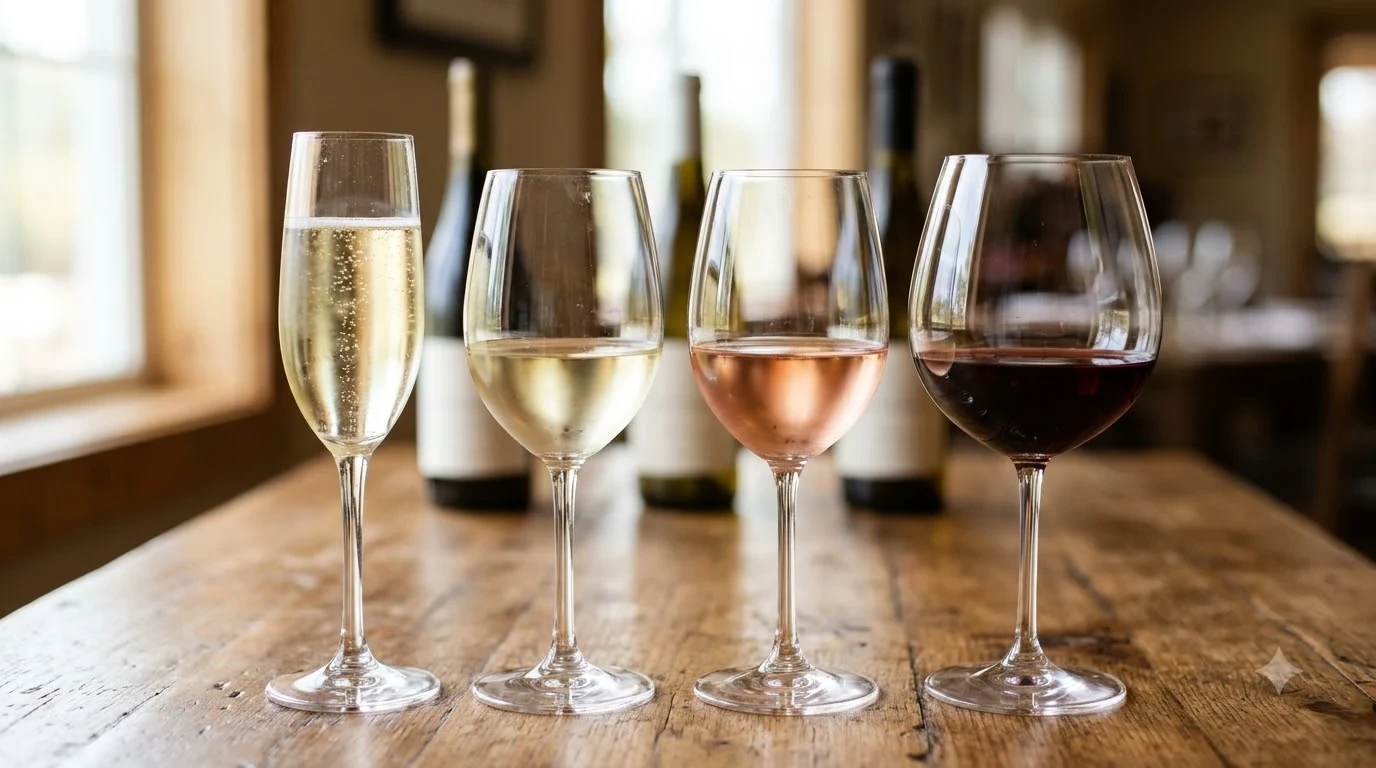
Serving temperature can make a significant difference to how Aconcagua wines show their fruit, acidity, tannins, and aromas. Full-bodied inland reds generally benefit from a slightly warmer serving temperature than coastal whites, while lighter reds should be served cooler than many people expect.
For Cabernet Sauvignon and Syrah, a serving temperature of 60–65°F is a useful range. It allows the wines to show their aromas without making the alcohol seem overly prominent. Carmenère and Merlot can also work well in this range, although lighter examples may benefit from the cooler end. Pinot Noir is best served around 55–60°F, which helps maintain freshness and keeps the fruit from seeming too heavy. Sauvignon Blanc is usually most refreshing around 45–50°F, while Chardonnay is generally suited to 50–55°F. These are starting points rather than rigid requirements.
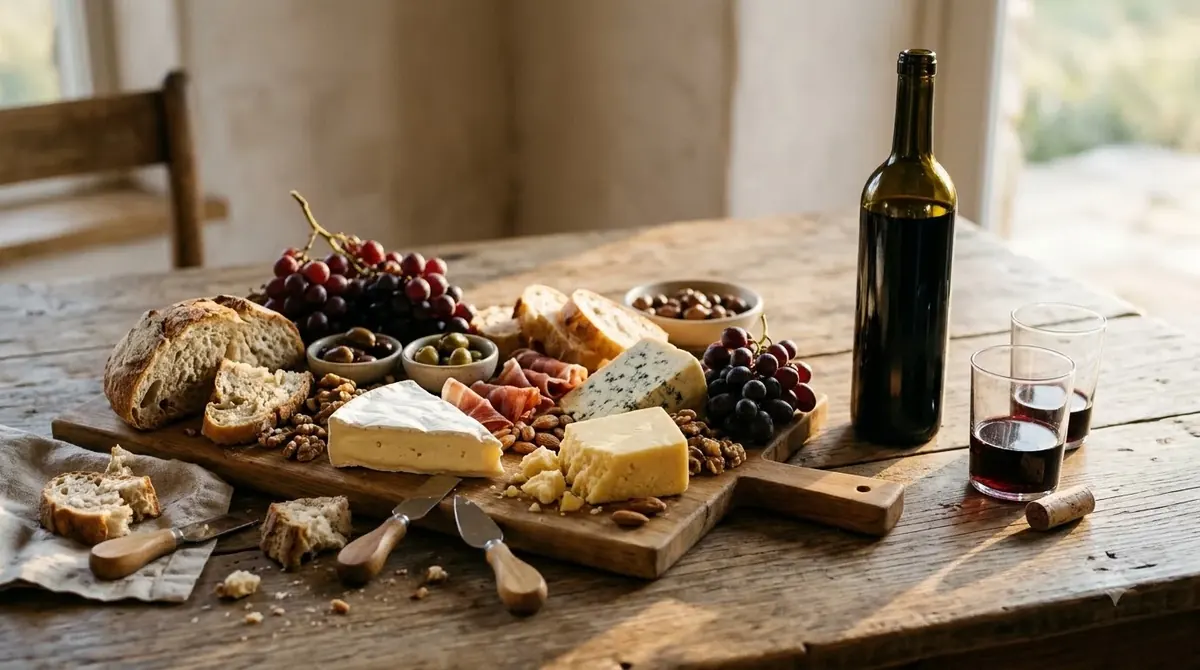
Food pairing should take account of tannin, acidity, sweetness, and the weight of the dish. Cabernet Sauvignon has high tannin, so salt and fat can soften its firm impression on the palate. Grilled steak, lamb chops, and rich mushroom dishes are useful partners. Syrah can work with grilled sausages, roast lamb, and dishes with pepper or smoky seasoning. Carmenère suits roast vegetables, tomato-based dishes, and foods with herbs, while softer Merlot can pair with meatloaf, roast chicken, or medium-weight pasta dishes.
The fresher whites have a different role at the table. Sauvignon Blanc’s high acidity works well with seafood, goat cheese, citrus-based dressings, and herb-forward dishes. The wine’s acidity can stand up to acidic food, but a particularly tart dish is usually best with a wine of equal or higher acidity. Chardonnay’s medium acidity makes it more flexible with roast chicken, creamy pasta, and grilled fish. Pinot Noir can be a good partner for roast poultry, mushrooms, and salmon, provided the wine is not too tannic or heavily extracted.
Spicy food needs more care. Chili heat can seem stronger with wines that have high alcohol or firm tannins. A powerful Cabernet Sauvignon may therefore make a very hot dish feel hotter. A fresher white or a lighter-bodied red is often a more comfortable choice for chili-forward food. For dessert, choose a wine at least as sweet as the dish; a dry Aconcagua red or white will usually taste less satisfying beside a very sweet dessert.
Tip: Start with a 5-ounce pour and serve each wine at the cooler end of its suggested temperature range. The wine can warm slightly in the glass, giving you more control over how its aromas and structure develop during the meal.
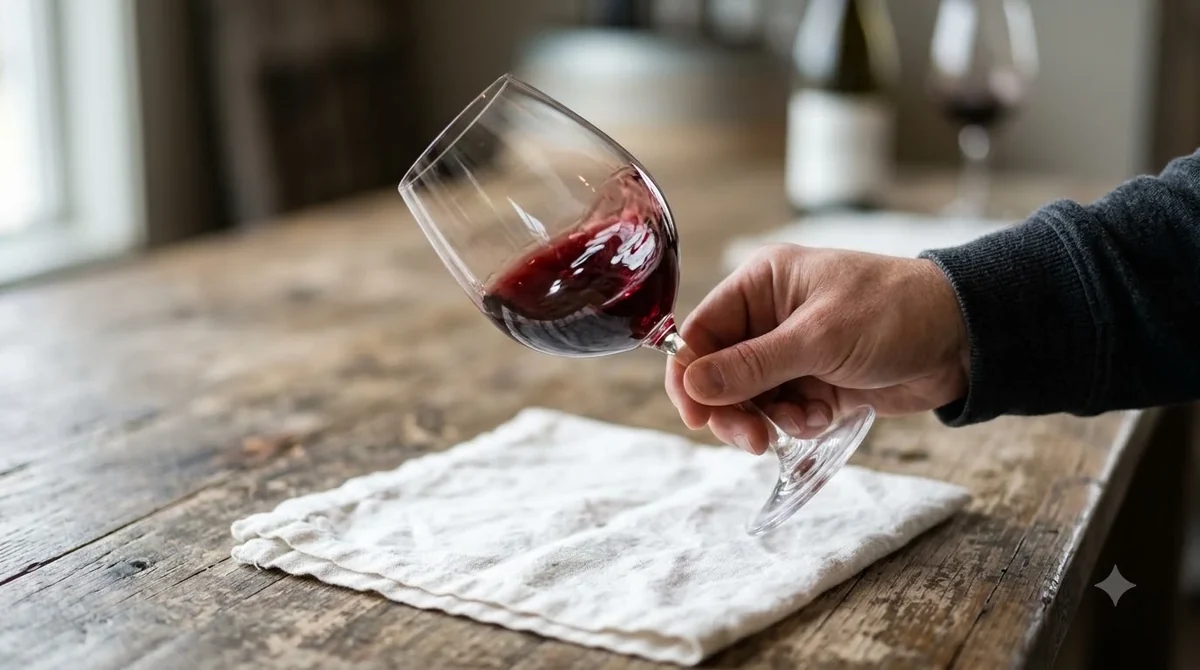
For bottles that need more time to open, young full-bodied reds can benefit from 30–60 minutes in a decanter. This can help soften the initial impression and allow aromas to become more apparent. Not every wine needs decanting, however. A lighter Pinot Noir or an older bottle may be better served directly from the bottle, particularly if it is already showing well. Pouring carefully and checking the wine as it develops is more useful than assuming every red needs the same treatment.
Once opened, store still wines in the refrigerator, including red wines. A practical guideline is to finish most opened still wines within 3–5 days, although freshness varies with the wine, closure, and how much air remains in the bottle. Keep unopened bottles in a cool, stable place near 55°F, away from direct light and major temperature changes. Bottles with natural cork closures are generally best stored on their sides. A 750-milliliter bottle provides about five standard 5-ounce servings, making it straightforward to plan bottles for a dinner or tasting.
Frequently Asked Questions
How do you pronounce Aconcagua?
Experience Chile renders the name’s pronunciation as “Akonkawa.” The name refers both to the mountain and to the river and wine-growing area in Chile. Learning the pronunciation is particularly useful when discussing the region with local guides or winery staff.
How far is the Aconcagua Valley from Santiago?
Experience Chile places Los Andes about 78 kilometers northeast of Santiago. The wine-growing area lies around Los Andes and San Felipe, making it a practical destination to consider for a day visit from the capital. Actual driving time depends on the starting point, traffic, and the wineries included in the itinerary.
Which road can visitors take from Santiago to the valley?
Experience Chile describes a route using Ruta 57 toward Los Andes. It also describes an alternative that follows the main Ruta 5 north toward Llay Llay before turning east toward San Felipe. Travelers should confirm current road conditions and winery appointments before setting out.
How high is Mount Aconcagua?
Experience Chile gives the summit elevation as 6,960 meters above sea level. It is the highest mountain in the Americas and stands on the border between Chile and Argentina. Although it gives the wine region its name, the mountain itself is not located among the valley’s vineyard sites.
When were the first vines planted in the Aconcagua Valley?
Experience Chile places the valley’s first vineyard plantings in the 1980s. That makes Aconcagua a comparatively recent wine-producing area in Chile, despite the much older agricultural history of the surrounding valley. Its modern wine identity has developed around both established inland red varieties and more recent exploration of cooler coastal sites.
Aconcagua is a region of contrasts, not simply a source of powerful Chilean reds. Inland Cabernet Sauvignon, Carmenère, and Syrah offer ripe fruit and structure, while coastal Chardonnay, Sauvignon Blanc, and Pinot Noir bring freshness and a different sense of place. Start with the grape and the more specific vineyard location, then compare producers to find the style that suits your table.
More in Wine Regions
 Willcox Wine Trail: Discover Arizona’s High-Elevation Wine CountryUpdated Nov 20, 2026
 Yakima Valley Wine Region: Find the Best Styles to TryUpdated Nov 20, 2026
 Vosne Romanee Wine Tasting: Identify Aromas and Choose Better PairingsUpdated Nov 20, 2026
 Yakima Valley Wine Festival: Find the Best Seasonal Wine EventsUpdated Nov 20, 2026
 Wales Vineyards: Discover Cool-Climate Wines and Where to VisitUpdated Nov 20, 2026
 Yountville Wine Festival: Discover Napa Wines and Local FoodUpdated Nov 20, 2026