


We may earn a commission when you buy through links on this page, at no extra cost to you. Learn more.
Priorat wineries are small family estates in a rugged corner of Catalonia, Spain, where vineyards climb steep, rocky slopes. Most produce limited quantities of Garnacha and Cariñena-based reds, and many welcome visitors for tastings and tours. Planning a visit is easier when you know what each winery focuses on, how the landscape works, and which grapes you will taste.
This guide is for American wine lovers who want to understand the Priorat wineries before they book a tasting, pick a bottle from a producer, or simply learn why the region gets so much attention. It explains how the area is organized, what the wineries are known for, and how to get the most out of a visit.
Why the Priorat wineries stand apart
Priorat is a small appellation tucked into the mountains of Tarragona, inland from the Mediterranean coast. Its wineries are scattered across a rugged landscape, and many sit in villages that are a short drive from one another. The region’s Denominación de Origen Calificada (DOQ) status signals that the wines are held to strict quality standards.
The wineries are known for working on steep, terraced ground, which makes vineyard work slow and physical. Yields are typically low, and that concentration shows up in the glass. Many estates also emphasize single-vineyard bottlings, so a single producer may offer several wines that each express a different plot.
What grapes the wineries grow
The most important grape in the region is Garnacha, known as Grenache in France and the United States. According to Wine Folly’s Grenache guide, the variety often shows stewed strawberry, grilled plum, leather, and dried herbs, with medium tannins and medium acidity. Garnacha is the backbone of many Priorat reds, especially the more generous, fruit-forward styles.
Cariñena, called Carignan in France and the United States, is the other key variety. It brings firmer structure and brighter acidity to a blend. Wine Folly’s Carignan profile describes the grape as medium-bodied and medium-high in acidity, with flavors of dried cranberry, raspberry, and tobacco leaf.
When you read a Priorat wine list, look for the grape percentages on the back label or the producer’s technical sheet. A bottle that is mostly Garnacha will taste riper and rounder, while a Cariñena-forward blend usually feels more structured and savory.
If you plan to buy after your visit, ask whether the estate ships to your state. Many small producers sell direct to customers and have limited distribution, so a winery’s mailing list or online shop may be the only way to get certain bottles. Tasting in person is also a good time to ask about the vintage on hand, since the wines you try may not be the same releases you find later in a shop.
How the winery visit usually works
Most Priorat wineries that receive visitors run tastings by appointment. Some offer a short walk through the cellar and a flight of two to four wines, while others provide longer tours that include the vineyards. Because many estates are small, booking ahead is the safest way to secure a time that works for your schedule.
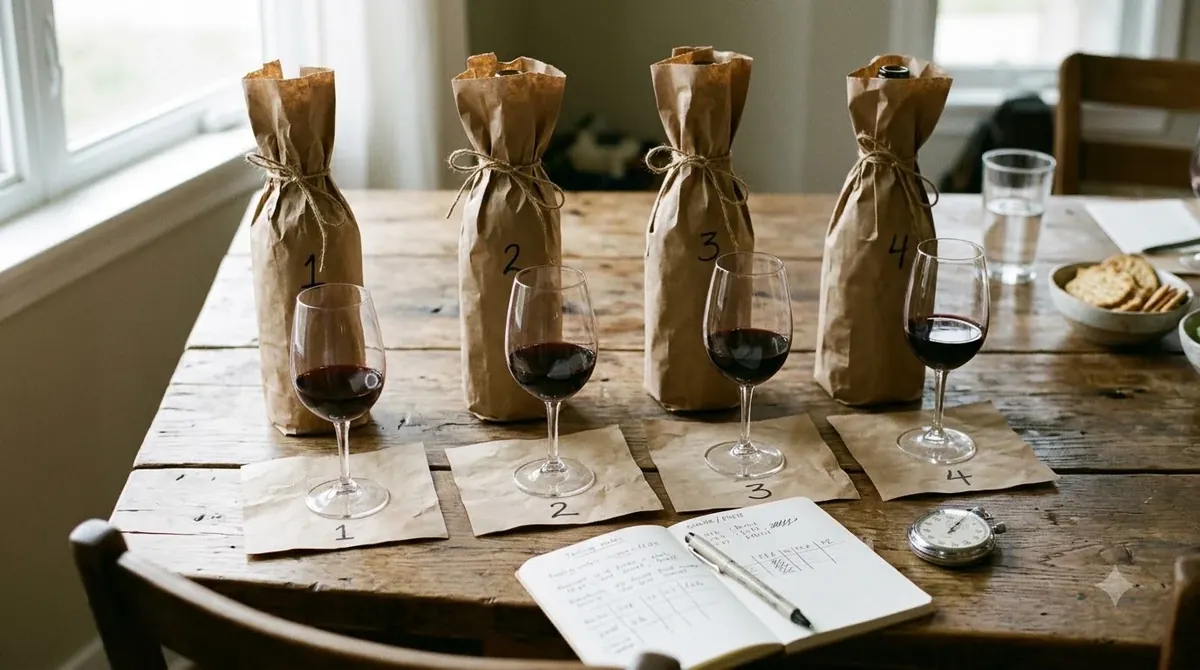
Ask what you will taste before you arrive. Wineries often pour a young wine, a reserve, and sometimes a single-vineyard bottle. Comparing these side by side is the best way to understand how the region’s terroir shows up in different styles.
Plan a route that makes sense geographically. The villages are spread across rough roads, so grouping two or three wineries in one day keeps the trip relaxed. Bring water and a plan for getting back to your car, and consider a driver if you want to taste more than one or two wines.
| Visit type | What it usually includes | Best for |
|---|---|---|
| Cellar tasting | Short walk, a flight of two to four wines | First-time visitors and quick stops |
| Vineyard tour | Walk through the vines, explanation of the slopes and soils | Visitors who want the landscape story |
| Reserve tasting | Older bottles and single-vineyard wines | Collectors and experienced tasters |
Tip: Ask whether the winery is open on weekdays. Many small estates keep limited hours, and a midweek booking often gives you more time with the winemaker or staff.
What to look for in a Priorat winery
A strong winery tells you clearly where its grapes come from and how the wines are made. Look for detailed information about the vineyard sites, the age of the vines, and the aging regime, whether that means time in oak, concrete, or steel. Those details help you match a producer to your taste. A clear description of the vineyards and the aging regime is a sign that the team is comfortable explaining its work, and that openness usually makes a tasting more informative for a visitor who is new to the region.
Consider the size and character of the estate. Some wineries are family-run and focused on a handful of wines, while larger operations offer a wider lineup. Neither style is better by default, but the smaller estates often provide a more personal experience and a closer look at the vineyard work.
Pay attention to how the staff talk about the land. Wineries that describe the slopes, the soil, and the way the vines cope with dry summers usually give a more useful tasting than those that only list tasting notes. For more context on the region’s wider wine landscape, our wine regions guide compares the main appellations.
Budget is another factor. Smaller estates often charge more for their tastings because their production is limited, and some reserve their best bottles for members, mailing lists, or visitors who book in advance. Ask what the tasting includes and whether any fee is credited toward a purchase, so you know what to expect before you arrive.
Priorat wineries and the wider Spanish scene
Priorat is one of several Spanish regions that have earned attention for distinctive reds. Its combination of steep vineyards and old Garnacha and Cariñena vines makes it stand out from more widely planted areas. For many visitors, a Priorat tasting is the highlight of a trip through Catalonia.
If you enjoy visiting wineries elsewhere, the same skills apply. Pay attention to the vineyard, ask about the grapes, and taste with a purpose. Our guide to Alsace wineries shows how a different region with a very different climate approaches the same questions.
Frequently Asked Questions
Do Priorat wineries offer tours?
Many do, though policies vary. Small estates often offer cellar tastings by appointment, and some add vineyard walks. Contact the winery ahead of time to confirm what is available.
What grapes are used in Priorat wines?
Garnacha (Grenache) and Cariñena (Carignan) are the most important varieties. Producers may also blend in other red grapes, so check the label or technical sheet for the exact mix.
How should I plan a day visiting Priorat wineries?
Group two or three estates in the same area, book tastings in advance, and allow time between stops. The roads can be slow, so a driver or a planned route makes the day more comfortable.
Are Priorat wines hard to find in the United States?
Availability depends on the producer and the market. Some estates are widely distributed through specialist shops and restaurant lists, while smaller producers may be harder to locate. A knowledgeable wine merchant can help you find a bottle that fits your taste.
A visit to the Priorat wineries rewards a bit of planning and a curious palate. Start with one or two estates, taste carefully, and ask questions about the land. Once you have a sense of the region, the wine regions guide can help you compare Priorat with other areas you want to explore.
More in Wine Regions
 Willcox Wine Trail: Discover Arizona’s High-Elevation Wine CountryUpdated Nov 20, 2026
 Yakima Valley Wine Region: Find the Best Styles to TryUpdated Nov 20, 2026
 Vosne Romanee Wine Tasting: Identify Aromas and Choose Better PairingsUpdated Nov 20, 2026
 Yakima Valley Wine Festival: Find the Best Seasonal Wine EventsUpdated Nov 20, 2026
 Wales Vineyards: Discover Cool-Climate Wines and Where to VisitUpdated Nov 20, 2026
 Yountville Wine Festival: Discover Napa Wines and Local FoodUpdated Nov 20, 2026