

We may earn a commission when you buy through links on this page, at no extra cost to you. Learn more.
The best answer to what wine goes with duck confit is a savory red with lively acidity, especially Cru Beaujolais, Pinot Noir, or a structured red from Southwest France. Duck confit is rich, salty, and deeply savory, so the wine should refresh the palate while standing up to crisp skin and tender dark meat. Choose a lighter red for a simple leg with salad, or a firmer Cahors or Madiran when the plate includes duck-fat potatoes, lentils, or beans.
Duck confit rewards a little more thought than a generic poultry pairing. The legs are salted, slowly cooked in duck fat, and often finished until the skin turns crisp; that combination makes acidity, tannin, seasoning, and side dishes matter as much as the grape on the label. The best bottle is not automatically the biggest one. It is the wine whose freshness and weight match the whole plate.
The best wine styles for duck confit
For most plates, start with Cru Beaujolais or Pinot Noir: both bring red-fruit character and freshness without burying the duck. For a more traditional, muscular match, turn to Cahors, Madiran, or another savory Southwest French red, especially when the meal includes hearty accompaniments.
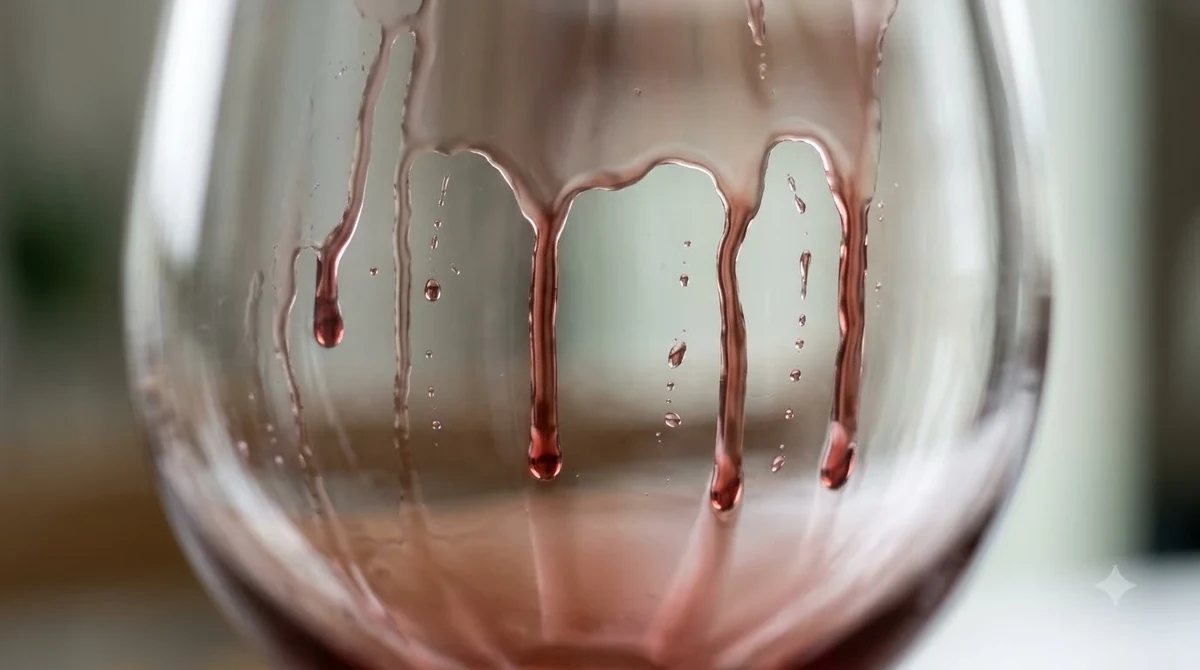
Cru Beaujolais: Gamay is a particularly useful choice when you want energy and a light touch. Its lively red-fruit profile can lift the savory meat, while its generally supple style avoids making a salty, crisp bite feel overly dry. Look for Morgon, Moulin-à-Vent, Fleurie, or another named cru. The cru villages do not all taste alike: some bottlings are fragrant and graceful, while others have more depth and structure. For duck confit with a small green salad or simply roasted potatoes, a fruit-forward, fresh Cru Beaujolais is an excellent first bottle.
Pinot Noir: Pinot Noir works when you want more savory detail and a little extra elegance. Its naturally high acidity is useful against rendered fat, and flavors such as cherry, raspberry, earth, and mushroom can echo browned skin and herb seasoning. Burgundy is the classic French reference, but Oregon, California, and other cool-climate regions can also offer the freshness this dish needs. Favor a medium-weight, restrained style rather than a heavily oaked, very ripe bottling. A related duck-leg braise from Wine Enthusiast’s Beaujolais pairing also points to Pinot Noir and Gamay as natural matches for rich duck.
Southwest French reds: Cahors, Madiran, Bergerac, and Saint-Mont make geographic and culinary sense alongside a Gascon-style dish. Cahors is associated with Malbec, while Madiran is known for Tannat; these wines can have firmer tannins and darker fruit than Gamay or Pinot Noir. That structure is useful with a substantial plate of confit, white beans, lentils, or potatoes cooked in duck fat. It is not a rule that every bottle from these appellations will be equally forceful, so look for a balanced example rather than choosing by reputation for power alone. For more detail on the classic regional argument, read Decanter’s confit recommendations, which include Madiran and other structured reds.
Other savory reds: A medium-bodied Côtes du Rhône, a restrained Syrah, or Spanish Monastrell can also work. Syrah’s pepper, dark fruit, and savory notes suit herbs, garlic, and browned skin; however, its tannins and alcohol can become too prominent if the wine is very powerful. Keep the sauce and seasoning in view, not just the meat.
Why acidity, tannin, and duck fat matter
Duck confit has a particular combination of richness and salt, and that is why a wine needs more than body. Acidity keeps each bite lively, while tannin can feel less firm beside a rich, salty dish; the goal is to balance the meat without making the pairing heavy or drying.
Confit is a cooking and preservation method: duck legs are salted, then cooked slowly in their own fat until tender. Before serving, they are often reheated so the skin browns and crisps. The meat underneath remains succulent and seasoned, while the skin and cooking fat create a rich first impression. Those layers make confit more intense than a simply roasted chicken leg and different from a quickly seared duck breast.
Acidity is the most reliable counterweight. A fresh red makes the mouth feel ready for another bite, especially after duck-fat potatoes or a forkful of lentils. This is why Pinot Noir and Gamay are such dependable choices: both can deliver bright fruit and freshness while staying moderate in weight. A soft, low-acid red can seem flat beside the fat, even when its flavor is pleasant on its own.
Tannin is more situational. Salt and fat soften the impression of tannin, which helps explain why a structured Cahors or Madiran can work with a hearty confit plate. But high tannin does not automatically mean a better match. If the wine is aggressively dry, heavily extracted, or bitter on the finish, it can fight the meat rather than complement it. A balanced wine with ripe fruit, fresh acidity, and enough structure is preferable to sheer concentration.
Alcohol and spice also deserve attention. A high-alcohol red can make pepper or chili feel hotter, and strong oak can overwhelm the gentle herbal notes of thyme, garlic, and bay. With a chili-forward or pepper-heavy preparation, choose a fresher, less tannic wine and avoid a very hot, forceful style. For a classic salt-and-herb confit, the range of suitable reds is much wider.
How regional reds compare at the table
Southwest France offers the most traditional regional route, while Beaujolais and Burgundy provide fresher alternatives. Use the table as a practical starting point, then adjust for the amount of duck fat, the intensity of the sides, and the style of the bottle.
| Wine style | Typical character | Serving temperature | Best version of the plate |
|---|---|---|---|
| Cru Beaujolais (Gamay) | Fresh red fruit, lively acidity, gentle to moderate tannin | 55–60°F | Confit leg, crisp skin, salad or simple potatoes |
| Pinot Noir | High acidity, low-to-medium tannin, cherry and earthy notes | 55–60°F | Herb-seasoned confit with mushrooms or lentils |
| Cahors (Malbec) | Darker fruit, savory depth, firmer tannin | 60–65°F | Duck-fat potatoes, white beans, or rich pan juices |
| Madiran (Tannat) | Structured, concentrated, notably firm tannin | 60–65°F | Hearty confit with lentils, beans, or cassoulet-style sides |
| Côtes du Rhône or Syrah | Dark fruit, herbs, pepper, medium-plus to high tannin | 60–65°F | Garlic, thyme, pepper, and browned skin |
These temperatures follow standard service ranges for lighter reds at 55–60°F and fuller reds at 60–65°F. If a bottle feels too warm, a short chill can sharpen its fruit and make the finish feel fresher; avoid serving a red straight from a warm room. The table describes broad styles, not a guarantee that every producer or vintage will taste identical.
Regional matching is useful, but not mandatory. Duck confit is closely associated with Southwest France, and Madiran or Cahors can create a compelling local pairing. Still, a good bottle of Oregon Pinot Noir or Cru Beaujolais may be more satisfying if you prefer lifted fruit and less tannin. The best decision is the style that fits your plate and your own preference for structure.
Match the bottle to the sides and seasoning
The side dish can change the pairing as much as the duck itself. Duck-fat potatoes and white beans make the meal richer and call for more wine weight, while a sharply dressed salad or bright vegetables create room for a fresher, lighter red.
Potatoes cooked in duck fat: This is the classic rich-on-rich combination, especially with pommes de terre à la sarladaise, garlic, and parsley. Pair it with a medium-bodied Pinot Noir or a more structured red from Cahors or Madiran. If the potatoes are especially crisp and salty, acidity becomes essential because another low-acid element can leave the plate feeling weighed down.
Lentils and white beans: Green lentils with bacon and carrots or white beans in a cassoulet-style preparation make the meal more substantial. This is where a structured Southwest French red earns its place. Madiran’s tannic frame or a darker Malbec-based Cahors can stand alongside the legumes and savory cooking juices. For a gentler match, choose a softer Merlot-led red from Bergerac or a medium-bodied Côtes du Rhône.
Mushrooms and herbs: Porcini, sautéed mushrooms, thyme, rosemary, garlic, and bay bring earthy or aromatic notes that naturally suit Pinot Noir and Syrah. Choose Pinot for a lighter, more delicate mushroom side; choose Syrah when cracked pepper, browned garlic, or a darker jus gives the plate more intensity. Avoid letting oak dominate, since vanilla-heavy flavors can distract from the herbs.
Green salad and vinaigrette: Frisée, arugula, or other bitter greens with a sharp vinaigrette refresh the palate between bites. That acidity makes a fresher Cru Beaujolais or Pinot Noir especially attractive and can make a full, tannic Madiran seem unnecessarily forceful. Keep the dressing bright but not sugary, and serve it beside the duck rather than soaking the crisp skin.
Fruit sauces and glazes: A small amount of cherry, plum, or orange can add a sweet-sour note. Choose a red with vivid fruit and enough acidity, such as Pinot Noir or Gamay. If the sauce is distinctly sweet, the wine should have at least as much perceived sweetness as the sauce; otherwise the wine may taste sour or bitter. For a sweeter orange or hoisin glaze, an off-dry Riesling may be a better fit than a firm, tannic red. The pairing for what wine goes with duck breast shifts with the sauce too, but a confit leg has more salt and rendered fat to account for.
Choose a wine for the preparation, not just the word duck
Duck dishes are not interchangeable. Confit is salty and rich, breast is often served pink with crisp skin, and Peking duck brings sweet-savory sauce and aromatic spice; each preparation changes the best wine choice.
For a straightforward confit leg, keep the first choice focused: Cru Beaujolais or Pinot Noir if freshness is your priority, and Cahors or Madiran if the dish is especially substantial. A roast or pan-seared duck breast is usually less salty and can be more delicate in texture, so Pinot Noir is a particularly natural match. The detailed pairing for duck breast should not be copied automatically for confit, even though the same grape may work in both cases.
Peking duck changes the equation again. Hoisin, pancakes, scallions, cucumber, and five-spice introduce sweetness and aromatic intensity. A fruit-forward Pinot Noir can still work, but off-dry Riesling is often more comfortable with the sweet glaze and spice than a strongly tannic red. See the guidance on what wine goes with Peking duck for that different flavor profile.
Think of confit as closer to a rich braise or cassoulet than to lean poultry. A hearty plate with white beans and sausage can support a more structured red, much as a full-bodied wine can suit what wine goes with beef brisket. Even then, the wine should retain freshness; rich food does not require a flat or overheated bottle.
Serve the wine at the right temperature
Temperature changes how a wine’s fruit, acidity, alcohol, and tannin come across. Light reds should be cool rather than warm, while fuller reds need slightly more warmth to show their aroma and texture.
Serve Cru Beaujolais and lighter Pinot Noir around 55–60°F. Serve fuller Pinot Noir, Cahors, Madiran, and Syrah closer to 60–65°F, depending on their body. A room that feels comfortable to people may be too warm for red wine, especially in a heated dining room. A brief refrigerator chill is often enough to bring a bottle into range.
Open a young, structured red 30–60 minutes before serving if it seems tight or heavily tannic. This is most useful for a young Madiran or a powerful Cahors; a lighter Beaujolais may need little or no decanting. Older Pinot Noir can be more delicate, so avoid assuming that every red benefits from a long exposure to air. Taste a small pour after opening and adjust rather than decanting automatically.
Use a standard 5-ounce pour and plan on about five glasses from a 750-milliliter bottle. For a dinner of four with one glass each, one bottle is enough; for a longer meal or generous pours, have a second bottle available. If wine remains, reseal it and store it in the refrigerator. Most opened still wines keep their best character for roughly 3–5 days, although the exact window depends on the wine and how much air remains in the bottle.
Tip: Chill a light red for 15–20 minutes before serving if the room is warm, then pour a small taste with the duck. If the wine feels thin beside the fat, move to a fuller style; if it dries the mouth, choose a fresher, softer red for the next bottle.
For more on matching acidity, sweetness, body, and texture across different meals, use this general Wine Pairing primer as a framework. The same principle applies here: make the wine respond to the strongest elements on the plate rather than following a rigid red-with-meat rule.
Frequently Asked Questions
These quick answers cover five useful variations, from an aromatic white or Cahors Malbec to bottle age, sparkling wine, and serving portions.
Can you drink white wine with duck confit?
Yes. A dry Alsace Pinot Gris with some texture can work with confit served alongside mushrooms or a restrained herb sauce. Choose a white with enough body to stand beside dark meat, and favor freshness over pronounced new-oak flavors.
Is Malbec a good match for duck confit?
Yes, particularly a savory Cahors Malbec from Southwest France. Cahors is the historic home of the grape, which is also known locally as Côt and Auxerrois. The style can be darker and firmer than a soft-fruited version, so choose one with balanced fruit rather than an aggressively extracted finish.
Should duck confit be served with a young or aged red?
Both can work, but they offer different advantages. A younger red brings vivid fruit and freshness, while bottle age can soften the edges of a structured wine and add savory complexity. Keep in mind that age does not guarantee freshness; store the bottle carefully and avoid serving a fragile older wine with very spicy or strongly flavored sides.
Does sparkling wine work with duck confit?
Dry sparkling wine can be a lively opening pour, especially with crisp skin and a small salad. Traditional-method Champagne or Cava has its bubbles from a second fermentation in the bottle, which gives the wine a different texture from tank-method Prosecco. Choose a dry style rather than a sweet one for a classic salted confit preparation.
How much duck confit should you serve per person?
A whole duck leg is a common main-course portion for one adult, particularly when served with potatoes, lentils, or vegetables. For a menu with several courses, a smaller portion can be sufficient. When buying prepared confit, consider whether the package lists a net weight that includes bone and cooking fat or only edible meat.
For a reliable first pairing, open a fresh Cru Beaujolais or Pinot Noir; choose Cahors or Madiran when the plate is especially rich and hearty. Serve the red slightly cool, keep the sides in balance, and let the wine’s acidity do as much work as its body.
More in Food & Wine Pairing
 Risotto With White Wine Recipe: Make a Creamy Dinner at HomeUpdated Nov 20, 2026
 Wassail With Wine Recipe for a Festive Spiced Holiday DrinkUpdated Nov 20, 2026
 Spritz Veneziano Recipe: Make a Classic Venetian Aperitivo at HomeUpdated Nov 20, 2026
 Summer Wine Punch Recipe for Easy Homemade EntertainingUpdated Nov 20, 2026
 Bishop Recipe: How to Make a Bright, Citrus-Forward Red Wine CocktailUpdated Nov 20, 2026
 Wine Cupcakes Recipe: Bake Rich Chocolate Cupcakes at HomeUpdated Nov 20, 2026