

We may earn a commission when you buy through links on this page, at no extra cost to you. Learn more.
Livingston Cellars wine is a California table-wine range from Gallo, with approachable red, white, blush, and fruit-forward options for casual meals. The lineup covers familiar styles such as Cabernet Sauvignon, Merlot, Chardonnay, Pinot Grigio, and White Zinfandel, alongside California-labelled Chablis, Burgundy, and Chianti. The brand is best understood as an easygoing everyday selection rather than a collection of vineyard-designated or age-focused wines.
Choosing a bottle is easiest when you start with sweetness, body, and the food on the table. Livingston Cellars describes its wines in practical flavor terms, so the label’s style and the producer’s own notes offer a useful starting point even when a retailer carries only part of the range.
What Livingston Cellars Represents in the Gallo Portfolio
Livingston Cellars is a Gallo brand associated with California table wine, and its official portfolio page emphasizes fruit-forward, balanced wines intended for everyday occasions. Its website identifies the brand’s logos as registered trademarks of E. & J. Gallo Winery, situating the range within Gallo’s broader portfolio rather than a single-vineyard estate story.
There is a longer Gallo history behind the name. Brothers Ernest and Julio Gallo founded their winery in Modesto, California, in 1933, and the company’s history records the establishment of Livingston Winery in 1970. Those dates describe the parent company and its Livingston operation; they are not the release date of every current Livingston Cellars bottling.
The brand’s positioning is straightforward: familiar varieties, clear flavor cues, and food suggestions that help shoppers make a quick choice. The official description uses phrases such as well-balanced, fruit-forward, and easy to enjoy. That language points toward accessible table wine for informal dinners and family gatherings, not a claim that every bottle has the same sweetness or weight. Readers who are learning how labels and producers fit together can start with our Wine Brands overview. For comparison, see our profiles of Cline Cellars wine, Dunham Cellars wine, and Hogue Cellars wine to see how different names and regional identities appear across American wine shelves.
White and Blush Styles for Fresh, Easy Drinking
The white and blush choices run from dry, crisp profiles to sweeter, fruit-led wines. Livingston Cellars lists Chardonnay, Chablis Blanc, Pinot Grigio, Rhine Wine, White Zinfandel, Blush Chablis, and Red Rosé among these styles.
Dry Whites
For a dry, light-bodied white, the brand describes Chablis Blanc with bright green-apple hints and a clean finish, while Pinot Grigio is presented as light-bodied, citrusy, and crisp. Its Chardonnay is also described as a lighter style, with fresh citrus, balance, and a smooth finish. These are sensible choices for diners who prefer freshness over obvious sweetness: Chardonnay is generally rounder, while Pinot Grigio is usually the briskest.
Blush and Sweeter Wines
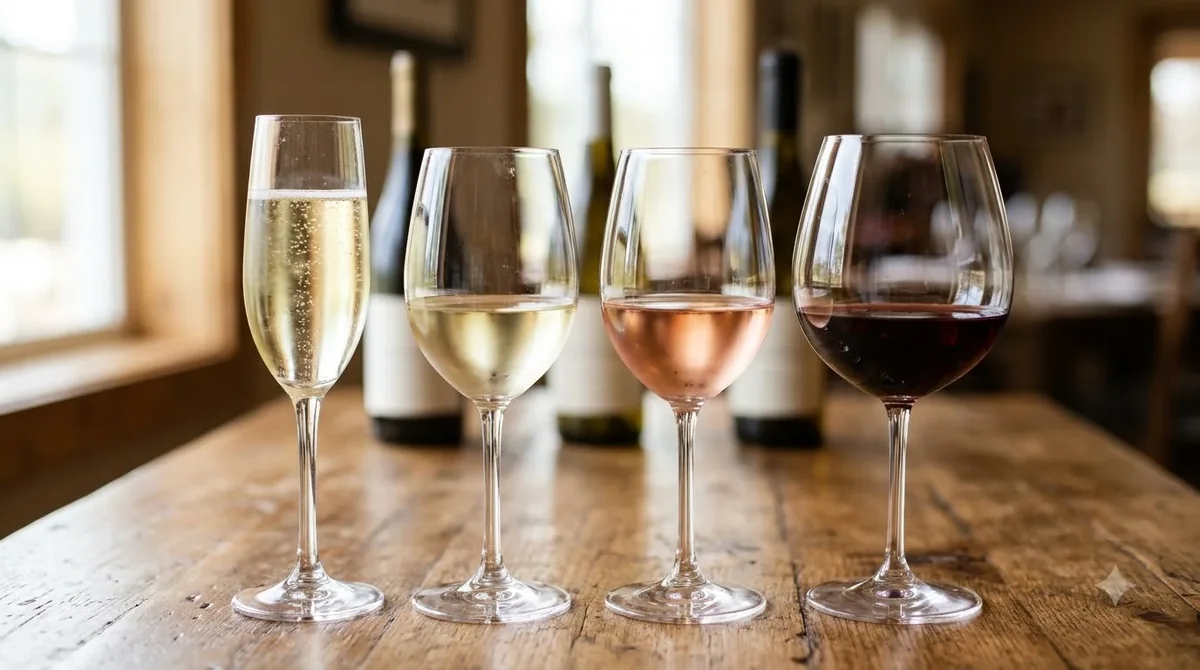
For a sweeter glass, Livingston’s Rhine Wine is described as pleasantly sweet, with a crisp mouthfeel and bright fruit flavors. White Zinfandel is described through light fruit and strawberry notes, and the brand specifically recommends serving it chilled. Wine Enthusiast explains that White Zinfandel is a rosé, usually semi-sweet; that context explains why Livingston groups it with blush wines. The brand also calls Blush Chablis its sweetest blush offering, with a light body and soft mouthfeel, while Red Rosé is described with red-cherry and vanilla notes. Use the following as a practical guide to the styles and serving temperatures. The ranges are standard targets for the wine categories, not producer-published specifications for individual Livingston bottles.
Quick Style and Temperature Reference
| Style | Brand-described character | Suggested serving temperature |
|---|---|---|
| Chablis Blanc | Dry, light-bodied, green apple | 45–50°F |
| Pinot Grigio | Light-bodied, citrus, crisp finish | 45–50°F |
| Chardonnay | Lighter style, fresh citrus, smooth | 45–50°F |
| Rhine Wine | Pleasantly sweet, bright fruit | 43–50°F |
| White Zinfandel | Light fruit and strawberry notes | 45–50°F |
| Blush Chablis | Sweetest blush style, soft mouthfeel | 45–50°F |
| Red Rosé | Red cherry and vanilla | 45–50°F |
| Pinot Noir | Medium-bodied, red fruit, brown spice | 55–60°F |
| Merlot | Ripe raspberry and cherry, soft texture | 55–60°F |
| Chianti | Light-bodied, fruity, smooth | 55–60°F |
| Cabernet Sauvignon | Cassis, red apple, cherry | 60–65°F |
| California Burgundy | Dry, full-flavored, black cherry | 60–65°F |
Use the table as a starting point, not as a rigid tasting scorecard. A bottle’s exact impression depends on its vintage, production choices, and storage, while the style notes describe the broad profile the brand intends to communicate. If a retailer carries only two or three options, choose by the intended experience: crisp and dry, softly fruity, or noticeably sweet. For a dry glass, start with Chablis Blanc or Pinot Grigio; for a softer, fruitier choice, try White Zinfandel or Red Rosé. For more background on the grape behind White Zinfandel, see Wine Enthusiast’s Zinfandel overview.
Red Wines: Cabernet, Merlot, Pinot Noir, and More
The red range includes Cabernet Sauvignon, Merlot, Pinot Noir, California Burgundy, and California Chianti. The styles are not interchangeable: Cabernet is firmer, Merlot softer, and Pinot Noir more medium-bodied and red-fruited.
The brand describes its Cabernet Sauvignon as deep red, balanced, and marked by cassis, bright red apple, and cherry, with hints of humidor. Its suggested matches include beef pot roast and barbecue-marinated flank steak. Cabernet Sauvignon generally carries high tannin, so protein-rich dishes such as roast beef or grilled steak soften its grip better than delicate white fish.
Livingston’s Merlot is described as velvety, with ripe raspberry and cherry flavors. Its own pairing ideas include minestrone, Mediterranean artichoke pasta, and grilled Alaskan salmon. Merlot generally has medium tannin and a softer texture than Cabernet, making it flexible with tomato-based dishes and roasted poultry. Pinot Noir is described as medium-bodied, with red fruit and brown spice; its lighter structure suits roast chicken, mushrooms, or salmon.
The California Burgundy is described as dry, full-flavored, and marked by black cherry; the California Chianti is light-bodied, fruity, and smooth, with strawberry and raspberry notes. Livingston suggests Chianti with lasagna. Treat these as California table-wine styles, not guarantees of the grape blends or production methods associated with the European regions.
How to Understand Chablis, Burgundy, and Chianti on the Label
Some Livingston Cellars labels use familiar European place names, but the brand identifies these wines as California offerings. Its Chablis Blanc, Burgundy, and Chianti are described as California wines, not European imports.
The naming tradition has a history in the United States. Decanter explains that California producers once used names such as “California Chablis” and “Napa Burgundy” for domestic wines, before figures such as Robert Mondavi championed varietal labels that put Cabernet Sauvignon and Chardonnay in front of consumers.
Separate a style name from a statement of origin. A California wine called “Chablis Blanc” is not thereby a bottle from the French village of Chablis, and Livingston’s California Burgundy is not a red Burgundy from France. Read the origin and producer description rather than relying on one familiar word.
The naming history is a reason to read carefully, not dismiss the wine. For a crisp, dry white, Livingston’s Chablis Blanc description is more useful than the word “Chablis” alone. When comparing two bottles, give priority to the stated country or region of origin, then the grape variety and sweetness cues. A regional name and a grape name answer different questions: one tells you where a wine comes from, while the other identifies the fruit used to make it. Readers interested in the wider development of American wine labels can follow Decanter’s history of American wine.
Food Pairings That Suit the Different Styles
Pairing Livingston Cellars is easiest when you match sweetness, acidity, and tannin to the dish. The brand suggests Cabernet Sauvignon with pot roast, Chianti with lasagna, and White Zinfandel with seafood.
Crisp Whites
For crisp whites, try Pinot Grigio or Chablis Blanc with grilled vegetables, salads, simple seafood, or mild cheeses. The brand specifically suggests Parmesan-olive pesto pasta and grilled vegetable pizza with Pinot Grigio, and Holiday Waldorf Salad or turkey spirals with Chablis Blanc. These dishes suit the wine’s citrus and clean finish. Acidic foods such as tomato vinaigrette or lemon-heavy seafood need a wine with equal or higher acidity, so a fresh white is safer than a soft, low-acid red.
Blush Wines
For sweeter blush styles, let the wine be at least as sweet as the food. White Zinfandel’s strawberry notes suit fruit-forward salads, lightly seasoned chicken, or seafood with a gentle glaze; Livingston lists chicken-strawberry kabobs, baked cod, grilled lemon halibut, and pork tenderloin. Blush Chablis, the brand’s sweetest blush, can work with fruit-based desserts. The wine should be at least as sweet as the dessert, or it can seem thin by comparison.
Reds and Sangria
For reds, match the dish’s weight to the wine. Cabernet fits pot roast, flank steak, burgers, and aged cheese; Merlot suits minestrone or tomato pasta; Pinot Noir works with mushrooms, roast poultry, or salmon; and Livingston suggests Chianti with lasagna. Salt and fat soften tannin, while oily fish can clash with tannic reds, making a lighter Pinot Noir or crisp white a better choice. Livingston Sangria, described with orange, lemon, and grapefruit notes, suits casual gatherings, grilled chicken, fruit, or a light snack spread. Heavy smoke, very hot chile, or an especially sweet sauce can dominate a light-bodied wine. Chili heat deserves special care: alcohol and tannin can amplify the burning sensation, so a cooler, fruitier white or blush may feel more comfortable alongside a spicy dish than a firm Cabernet. For a creamy or buttery plate, a wine with enough acidity can refresh the palate between bites rather than seeming flat beside the food.
Tip: Build the pairing around the strongest flavor on the plate. A tomato-rich lasagna needs a wine with enough freshness, while a sweet glaze calls for a wine that is at least as sweet as the glaze; heavy chili heat can make high-alcohol, tannic reds seem hotter.
Serving Temperatures, Pour Sizes, and Storage
Serve Livingston Cellars whites and blush wines chilled but not icy, and allow reds to warm slightly. Aim for 45–50°F for light whites and rosé, 43–50°F for sweet whites, 55–60°F for lighter reds, and 60–65°F for fuller reds such as Cabernet Sauvignon.
The ranges preserve the difference between crisp Pinot Grigio and soft White Zinfandel, or medium-bodied Pinot Noir and fuller Cabernet. Excessive cold mutes aroma, while warm service can make red wine seem more alcoholic; adjust briefly in the refrigerator or glass as needed.
A 750-milliliter bottle provides about five 5-ounce servings. For a group, opening more than one style—a dry white, fruitier blush, and soft red—covers a wider range of preferences.
Store cork-finished bottles on their sides in a cool, dark place near 55°F, away from sunlight and heat. Once opened, refrigerate still wine and aim to finish it within 3–5 days; sparkling wine generally lasts 1–3 days with a stopper, while fortified wines can keep for several weeks. Most simple table wines are best enjoyed while their fruit is fresh. A young, full-bodied red may also benefit from 30–60 minutes in a decanter, which gives it time to open before serving; lighter reds and delicate blush wines generally do not need that extra step.
Frequently Asked Questions
These answers cover practical details that are easy to miss when comparing bottles, especially the difference between a producer’s online information and the choices available at a local retailer. Livingston Cellars’ official site offers a useful starting point, but a few shopping questions are best checked at the point of sale.
Does Livingston Cellars publish vineyard or vintage details for each wine?
The brand’s public style pages focus on flavor descriptions and suggested food pairings, rather than naming individual vineyard blocks or providing a vintage archive. Shoppers looking for a specific harvest year or vineyard designation should seek that information on the bottle or from the retailer.
Can I find Livingston Cellars in a nearby store?
The official Livingston Cellars website includes a “Where to Buy Wine” section with a local search option. Retailer selection can differ by location, so the online brand page is a locator rather than a promise that every listed style is stocked in every store.
Does Livingston Cellars offer recipes as well as wine descriptions?
Yes. The brand site has a separate food-and-wine recipes area, including dishes designed to pair with individual Livingston wines. That resource can help turn a bottle choice into a full meal idea instead of relying only on a general flavor description.
Does “fruit-forward” always mean that a wine is sweet?
No. “Fruit-forward” describes how prominent fruit aromas and flavors are, not how much residual sugar remains in the wine. A dry wine can taste strongly of cherry, apple, or citrus without tasting sweet.
Does the online description give the alcohol level for every Livingston wine?
The brand’s general style pages emphasize taste, body, and food matches, and they do not provide a complete alcohol-by-volume list for the range. When alcohol level is important to your selection, use the specific bottle’s back label or the retailer’s product information rather than assuming every Livingston style shares one figure.
Livingston Cellars is most useful when you choose by the actual style in the bottle: crisp whites for lighter meals, sweeter blush wines for fruit-forward pairings, and reds matched to the weight of the food. Start with the producer’s tasting description, read California origin terms carefully, and serve each style at the right temperature to get the clearest expression from an everyday bottle.
More in Wine Brands
 Louis Latour Wine Price: Compare Bottles by Style and TierUpdated Nov 20, 2026
 Yellow Tail Moscato Price: What to Expect Before You BuyUpdated Nov 20, 2026
 Sutter Home Sweet Red Review: Find the Right Food PairingsUpdated Nov 20, 2026
 Franzia Chillable Red Review: Find the Right Serving StyleUpdated Nov 20, 2026
 Veuve Clicquot Rose Review: Flavor, Food Pairings and Buying AdviceUpdated Nov 20, 2026
 Rombauer Wine Price: Compare Bottles Before You BuyUpdated Nov 20, 2026