

We may earn a commission when you buy through links on this page, at no extra cost to you. Learn more.
menage a trois wine alcohol content depends on the bottle, but the original California Red Blend is commonly listed at 13.5% ABV, with a producer technical sheet recording 13.75% for the 2020 vintage. That puts the classic red in the mid-13% range, while other wines in the brand’s lineup have their own figures. The Light Red Blend is a special case because its technical sheet and the bottle image on that sheet do not agree. For the most accurate number, identify the specific Ménage à Trois wine and vintage rather than assuming every bottle has the same strength.
Ménage à Trois is a California wine brand with red blends, varietal reds, whites, rosé, sweet wines and a Light range. The name appears across several styles, so the alcohol percentage on an Original Red Blend should not be applied automatically to Midnight, Silk, Cabernet Sauvignon, Luscious Pinot Noir or a lower-alcohol release. The details below separate bottle-specific figures from general brand information and explain what those percentages mean in a glass.
Menage A Trois Wine Alcohol Content by Bottle
The original California Red Blend is generally around 13.5% to 13.75% ABV in the sources reviewed, but the lineup does not have a single fixed alcohol percentage. Individual bottlings in the producer’s technical sheets range from 13.5% to 13.8%, and the Light Red Blend sheet has conflicting figures.
For a quick answer, BevMo lists a 750-milliliter bottle of Ménage à Trois California Red Blend at 13.5% ABV. The producer’s technical sheet for its 2020 California Red Blend states 13.75%. Those numbers are close, but they are not identical: one is a retailer’s listing for a bottle whose vintage may vary, while the other is a technical figure tied to a named vintage. A useful working estimate for the standard red is therefore about 13.5% to 13.75%, not a promise that every lot will carry exactly the same percentage.
Ménage à Trois is a brand family, not one recipe. Its portfolio includes Red Blend, Silk, Midnight, Cabernet Sauvignon, Lavish Merlot, Luscious Pinot Noir, Chardonnay, Pinot Grigio, rosé, sweet wines and Light releases. Different grapes and blends produce different finished ABV figures; the Trinchero brand overview shows the breadth of the lineup.
There is one especially important exception to a simple range. The producer’s 2021 Light Red Blend PDF gives 7.78% in its technical data, yet the bottle image printed on that same sheet shows 6% alcohol by volume. Since those two values conflict within one document, do not treat either figure as a universal ABV for every Light bottle. Check the label on the exact bottle in hand, especially when choosing the Light range because of its lower-alcohol positioning.
The Original Red Blend and Its Three Grapes
The Original Red Blend is the best reference point for understanding the name Ménage à Trois: it combines Zinfandel, Merlot and Cabernet Sauvignon, then balances ripe fruit with structure. The producer says the varieties are fermented separately and blended before bottling, a process that lets each grape contribute a distinct part of the finished wine.
The producer’s 2020 technical sheet gives the blend as 45% Zinfandel, 30% Merlot and 25% Cabernet Sauvignon, with alcohol listed at 13.75% ABV. Zinfandel supplies the blackberry and raspberry-jam character described in the winemaking notes. Merlot contributes red-fruit character and a generous mouthfeel, while Cabernet Sauvignon brings richer flavors and firmer tannins. The proportions are specific to that 2020 bottling; they should not be assumed to be the recipe for every later vintage.
The current product page describes the Original Red Blend as ripe and jam-like, with blackberry and raspberry notes, a generous mouthfeel and firm tannins. That combination helps explain why the alcohol figure should be read alongside the wine’s body and structure, rather than as a complete description of how it drinks. A 13.5% or 13.75% wine can still feel different depending on fruit ripeness, acidity, tannin, residual sugar and how the wine is served.
For a direct producer reference, the 2020 California Red Blend technical sheet records the blend proportions and analytical values together. It is a vintage-specific document, not a guarantee for a current bottle. That distinction is useful when retailer listings show one rounded number and a producer sheet records a slightly different figure for a named vintage.
Alcohol Levels Across Other Ménage à Trois Bottles
The producer’s published sheets and retail listings show several familiar wines clustered around 13.5% to 13.8% ABV. The examples below are tied to particular products and vintages where the technical sheet specifies one; they are reference points, not a claim that every bottle on a shelf will match them.
| Wine | Reported ABV | Basis for the figure |
|---|---|---|
| California Red Blend | 13.5% | BevMo listing for a 750 ml bottle |
| California Red Blend | 13.75% | Producer sheet for the 2020 vintage |
| Midnight Dark Red Blend | 13.5% | Target and BevMo retail listings |
| North Coast Cabernet Sauvignon | 13.80% | Producer sheet for the 2019 vintage |
| Luscious Pinot Noir | 13.70% | Producer sheet for the 2021 vintage |
| Lavish Merlot | 13.50% | Producer sheet for the 2020 vintage |
| Light Red Blend | 6% on bottle image; 7.78% in technical data | Conflicting entries in the producer’s 2021 sheet |
Midnight provides a useful comparison with the Original Red Blend. Target lists its 750 ml bottle at 13.5% ABV and describes a blend of Merlot, Cabernet Sauvignon, Petite Sirah and Petit Verdot, aged with French and American oak. BevMo also lists Midnight at 13.5%. The combination is different from the Original Red Blend, but the reported alcohol figure is in the same neighborhood.
The other technical sheets show why it is better to identify the exact wine than to rely on one brand-wide number. The 2019 North Coast Cabernet Sauvignon sheet lists 13.80%; the 2021 Luscious Pinot Noir sheet gives 13.70%; and the 2020 Lavish Merlot sheet states 13.50%. These are useful comparisons within the portfolio, but each figure belongs to the wine and vintage named in its document.
Retail databases can also round or carry forward information for different vintages. A store may show a standard 13.5% listing even when an older producer sheet records 13.75% for a specific vintage. That difference is not enough, by itself, to show that one source is wrong; it may reflect a separate bottling, a rounded display value or a listing that does not specify the vintage clearly.
What ABV Means in a Glass or Bottle
ABV means alcohol by volume: the percentage of the wine’s total volume represented by pure alcohol. It is a measure of concentration, not a sweetness rating, a quality score or a direct measure of how full-bodied the wine will feel. A 13.75% wine contains a slightly larger proportion of alcohol than a 13.5% wine, even though the difference between those two numbers is modest.
A standard 750 ml wine bottle holds about 25.4 U.S. fluid ounces. At a 5-ounce pour, it supplies about five full glasses, with a small remainder depending on how carefully each glass is measured. For a simple calculation, 5 ounces multiplied by 13.5% equals 0.675 fluid ounces of pure alcohol in that pour; at 13.75%, the same pour contains about 0.69 fluid ounces. The arithmetic scales with the amount poured: a larger glass contains more wine and therefore more alcohol at the same ABV.
That calculation shows why bottle percentage is not the whole story about a serving. A 7-ounce pour of 13.5% wine contains more alcohol than a 5-ounce pour of the same wine, while a 5-ounce pour of 13.8% Cabernet contains slightly more than a 5-ounce pour of a 13.5% blend. Glass shape can disguise serving size, so a measured pour is more reliable than judging by the bowl. Also separate alcohol from sweetness: ripe, jam-like fruit does not automatically mean high residual sugar, and ABV alone cannot tell you whether a wine tastes dry, off-dry or sweet.
Why the Percentage Changes Between Bottles
Different grape varieties, growing conditions, blending choices and fermentation decisions can all affect a wine’s finished alcohol level. That is why Ménage à Trois technical sheets show a spread across styles, even though several of the better-known reds sit close to 13.5% ABV.
Grapes accumulate sugar as they ripen, and yeast converts fermentable sugar into alcohol during fermentation. Riper fruit can therefore have higher potential alcohol, depending on harvest timing, vineyard source, vintage conditions and fermentation choices. This is why a sheet for the 2020 Red Blend should not be treated as a permanent specification for every later release.
Blending changes a wine’s composition, but the number of grape varieties does not determine ABV. The Original Red Blend’s three grapes are fermented separately before blending, according to the producer; a single-variety wine can finish higher or lower than a three-grape blend. Retail listings can also carry information across vintages: BevMo notes that a comparable vintage may be substituted when a selected vintage is unavailable, so compare exact cuvée and vintage before treating 13.5% and 13.75% as competing claims.
A low-alcohol descriptor is not a precise percentage. The producer presents Light Red Blend as lower in alcohol, but its 2021 PDF gives 7.78% in the analytical block and 6% on the bottle image. That internal mismatch is a reason to verify the specific bottle, not to assign one figure to every Light release.
Serving and Pairing Ménage à Trois Wines
Alcohol percentage is only one consideration when serving wine; temperature, acidity, tannin and food all influence balance. The Original Red Blend’s ripe fruit and firm tannins suit hearty food, while the Cabernet Sauvignon’s higher tannin structure calls for different pairing choices from a lighter Pinot Grigio or crisp Sauvignon Blanc.
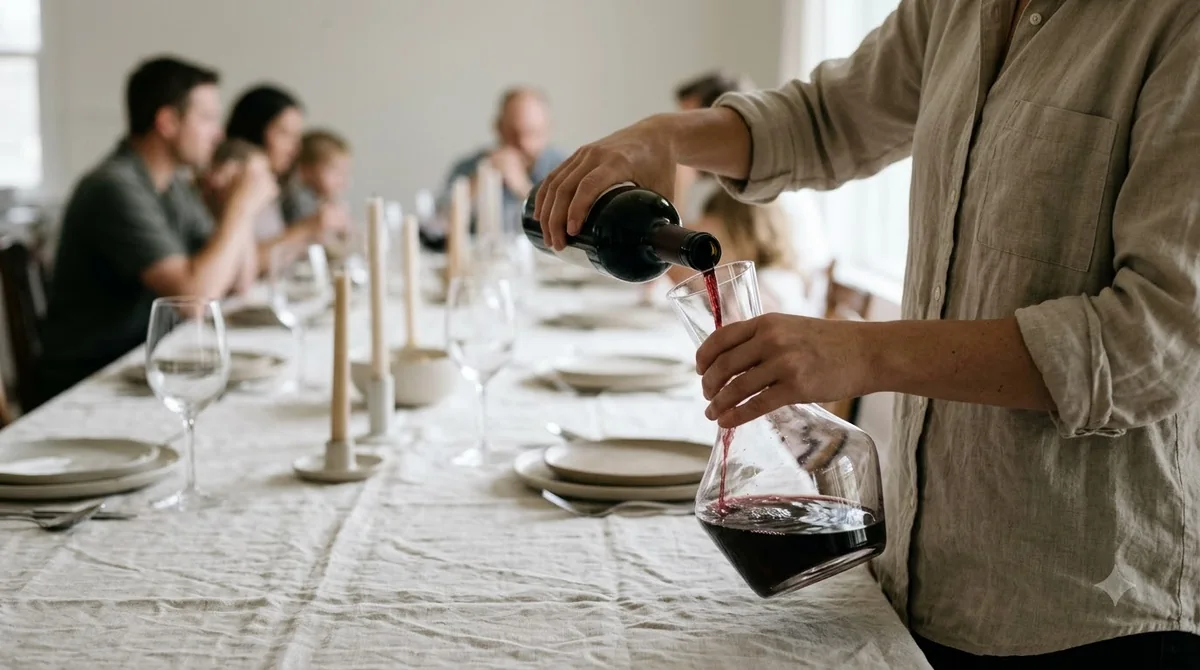
For a red blend around 13.5% to 13.75% ABV, serve at about 60°F to 65°F. That range lets fruit and texture show without warming the wine too much. The Original Red Blend works with grilled beef, burgers, barbecue and roast chicken; salt and fat soften tannin, while oily fish is usually a difficult match for tannic reds. Acidic foods need a wine with equal or higher acidity, spicy dishes can make alcohol and tannin feel more pronounced, and dessert should be no sweeter than the wine.
Use style as a guide when comparing Ménage à Trois with other wines. Pinot Grigio belongs to a lighter white-wine category, while Sauvignon Blanc is known for higher acidity. For reference points, see Black Box Pinot Grigio alcohol content, Cavit Pinot Grigio alcohol content and Kim Crawford Sauvignon Blanc alcohol content. Those comparisons are useful because grape, acidity, sweetness and body matter alongside ABV.
Tip: For a fair comparison, place bottles side by side and record the wine name, vintage and ABV printed on each one. Do not compare a 2020 technical-sheet figure with a retail listing for an unspecified later vintage as if both describe the same bottling.
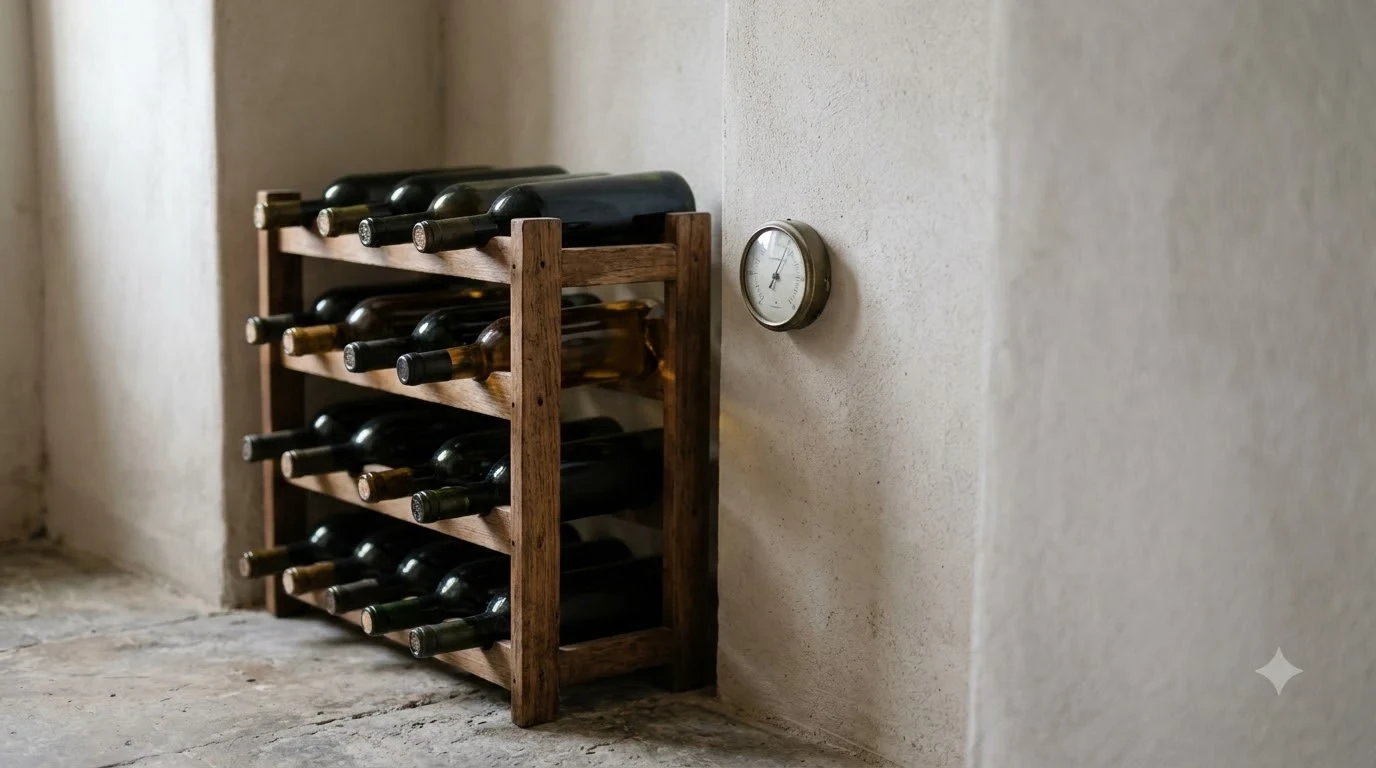
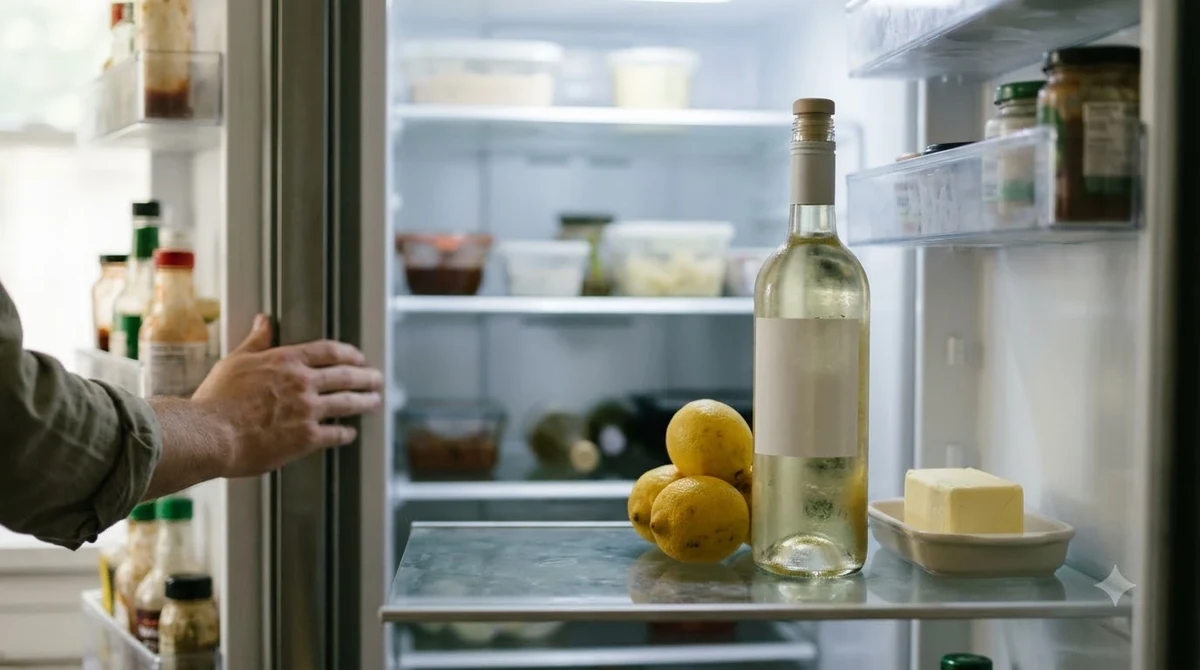
Store unopened bottles in a cool, dark place near 55°F, ideally on their sides when they have natural cork closures. After opening, refrigerate still wine and aim to finish it within about 3 to 5 days for the best quality; a stopper can slow oxidation but cannot prevent it.
Frequently Asked Questions
These additional details help answer questions that go beyond the headline ABV figures. They cover the brand’s origin, technical measurements and a few details that are not always included in retail listings.
When did Ménage à Trois first launch?
The brand launched in St. Helena, California, in 1996 with a blend built around three red grape varieties. Trinchero Family Wine and Spirits says the brand joined its portfolio in 2004.
What other measurements appear on the 2020 Red Blend technical sheet?
Alongside its 13.75% alcohol figure, the sheet reports total acidity of 0.65 grams per 100 milliliters, pH 3.54 and residual sugar of 1.1 grams per 100 milliliters. Those measurements describe acidity and sugar balance, rather than serving as alternative ways to state the alcohol percentage.
What is the grape breakdown of the 2019 North Coast Cabernet Sauvignon?
The producer lists 85% Cabernet Sauvignon, 8% Merlot, 6% Zinfandel and 1% Petite Sirah. Its technical sheet gives the wine 13.80% ABV, making it a distinct example from the 2020 California Red Blend.
What rating does the producer show for the Original Red Blend?
The product page displays a 90-point rating. The score is separate from the wine’s alcohol percentage and does not indicate whether the wine is stronger, sweeter or more tannic.
Which regions are named for the Luscious Pinot Noir fruit?
The producer’s 2021 sheet describes fruit from California’s Central Coast, North Coast and warmer inland sites in Lodi. It also says Syrah was added to the Pinot Noir to create a fuller texture.
The most useful answer is to treat 13.5% ABV as a practical reference for the standard Ménage à Trois California Red Blend, while recognizing that the producer has recorded 13.75% for a specific vintage and other wines in the lineup differ. For a reliable comparison, match the exact wine and vintage to the ABV printed on its bottle, and treat the Light Red Blend document’s conflicting numbers with particular care.
More in Wine Brands
 Underwood Wine Price: Compare Bottles, Cans, and Pack SizesUpdated Nov 21, 2026
 Zenato Wine Price: Compare Styles and Choose the Right BottleUpdated Nov 21, 2026
 Zuccardi Wine Price: Compare Bottles and Find the Right RangeUpdated Nov 21, 2026
 Yellow Tail Moscato Review: Taste, Sweetness and Serving TipsUpdated Nov 21, 2026
 Wolf Blass Yellow Label Review: Choose Your Best StyleUpdated Nov 21, 2026
 Wolffer Estate Rose Review: Choose the Right Bottle for Your TableUpdated Nov 21, 2026