

We may earn a commission when you buy through links on this page, at no extra cost to you. Learn more.
An organic red blend is a red wine made from two or more grape varieties, grown under organic farming rules, and in the United States the label wording tells you how strictly the wine was made. A wine labeled “organic” must use only certified organic grapes and contain no added sulfites. A wine labeled “made with organic grapes” also uses only organic grapes but may include added sulfur dioxide up to 100 ppm. Because red blends follow a range of grape styles, the flavor depends more on the grape mix than on the organic claim.
Ask a few wine shop clerks what they mean by a red blend, and you will hear different answers. The category covers everything from a soft, plummy bottle built on Merlot to a dense, peppery mix built on Syrah and Grenache. Add the word organic and the picture gets more complicated, because the claim depends on US federal rules that most shoppers never read. This guide explains how the labels work, which grapes usually show up, and how to serve and store the wine once it is open, so you can choose a bottle with confidence the next time you are in the aisle.
What an Organic Red Blend Actually Is
An organic red blend is a red wine made from more than one grape variety, grown under organic farming rules. The blend part and the organic part are two separate questions, and shoppers often treat them as one.
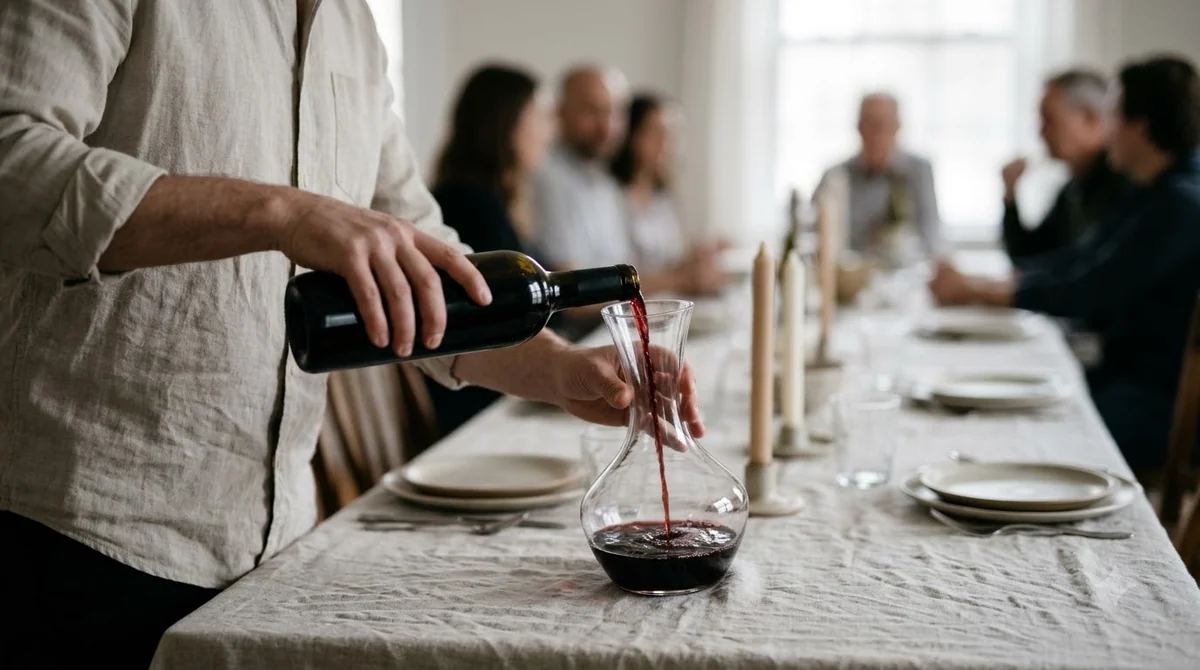
Red blend is a loose category. According to VinePair, the term does not name any particular grapes, so any red variety can end up in the mix, from Cabernet Sauvignon and Merlot to less familiar grapes. That freedom explains why two bottles in the same category can taste nothing alike. VinePair also cites a Nielsen estimate that red blends accounted for 13 percent of off-premise wine sales, second only to Cabernet Sauvignon among red categories, which shows how much shoppers rely on the phrase even though it says little about taste.
The organic side is a different question. Organic describes how the grapes were grown and how tightly the winery was run. For wine, US rules are more specific than the rules for most foods, and the category on the label depends mostly on whether sulfites were added. A red blend can therefore be certified organic, labeled “made with organic grapes,” or carry no organic claim at all. Only the wording on the bottle tells you which one you are buying.
Many shoppers reach for a red blend because it offers a fuller, rounder style without committing to a single grape. Adding the organic claim usually signals a preference for vineyards that avoid chemical pesticides and herbicides and, for some buyers, for fewer additives in the cellar. Those priorities are reasonable, but they describe how the wine was produced rather than how it tastes, so the rest of this guide focuses on reading the label and knowing what to expect in the glass.
How US Organic Labels Sort Wine Into Categories
For wine sold in the United States, the organic claim comes in two main forms, and the difference comes down to sulfites and the USDA seal. The first category is labeled simply “organic.” The second is labeled “made with organic grapes.”
| US label wording | Grape requirement | Added sulfites | USDA seal |
|---|---|---|---|
| Organic | Only certified organic grapes; no non-organic grapes mixed in | Not allowed | Optional |
| Made with organic grapes | Only certified organic grapes; no non-organic grapes mixed in | Up to 100 ppm of sulfur dioxide | Not allowed |
The rules are more complicated than the table suggests. Under USDA labeling guidance, a wine must be made only from certified organic grapes in either category, and a wine that mixes organic and conventional grapes cannot use the organic claim at all. Food categories follow different thresholds: a product labeled organic must be at least 95 percent certified organic, while a 100 percent organic product must contain only certified organic ingredients. Wine does not follow that structure, so a red blend cannot be labeled organic just because most of its grapes are.
Every organic wine label also needs a “certified organic by” statement that names the certifier, and a bare certification code is not enough. Labels may show the certifier’s logo, but when both a logo and the USDA seal appear, the logo must be equal to or smaller than the seal. For the full category rules, the USDA labeling requirements for the US organic market are the most direct source.
Sulfites and What “Organic” Does Not Promise
Sulfites are the sharpest dividing line between the two organic wine categories, which is why many shoppers read the back label closely. Sulfur dioxide acts as a preservative, and Wine Folly notes that sulfites act as a preservative for nearly all high-quality wines. A wine labeled organic in the US contains no added sulfites, while a “made with organic grapes” wine may have added sulfur dioxide up to 100 ppm.
“No added sulfites” is not the same as zero sulfites. Yeast produces sulfur dioxide during fermentation, so every wine contains some sulfur compounds even when nothing is added in the cellar. The organic claim speaks only to how the grapes were grown and how the wine was handled; it says nothing about flavor, body or overall quality. An organic red blend can be excellent or ordinary, and the grape mix is a better guide to the glass than the organic badge.
Tip: If “no added sulfites” matters to your choice, look for the organic category rather than the “made with organic grapes” wording. When a front label says “made with organic grapes,” expect added sulfur dioxide at up to 100 ppm.
Grapes and Styles Behind Most Organic Red Blends
Most organic red blends follow one of two classic patterns: a Bordeaux style built on Cabernet Sauvignon and Merlot, or a Rhône style built on Grenache, Syrah and Mourvèdre. Knowing which pattern a bottle follows tells you more about its taste than the organic wording does.
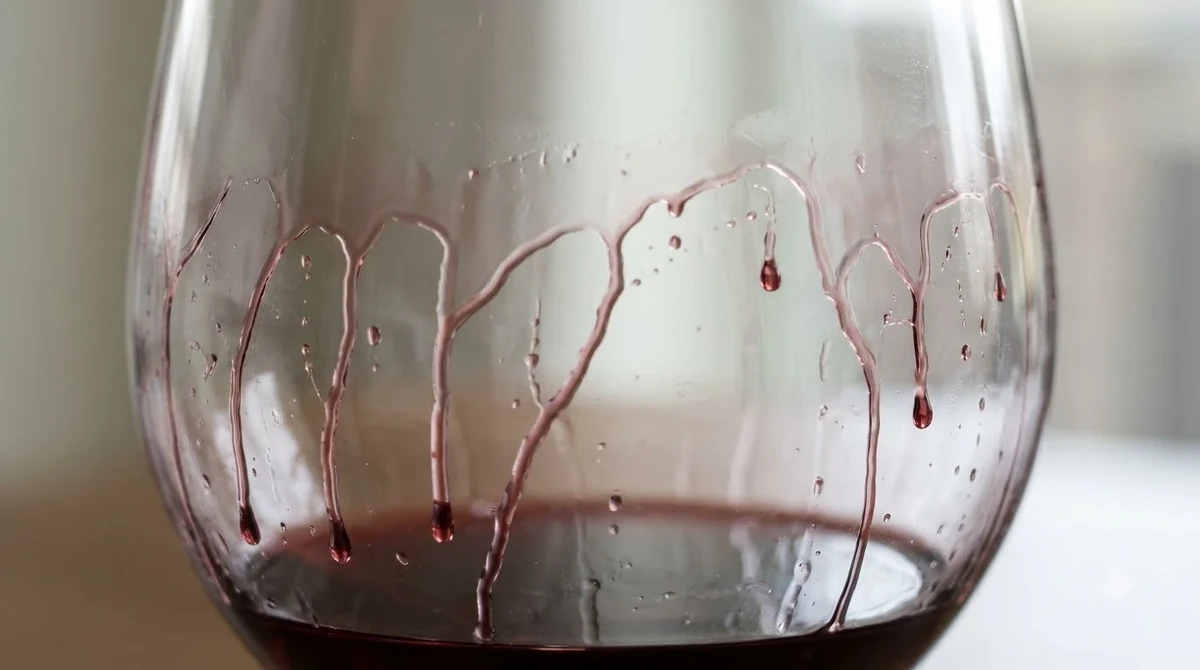
According to Wine Folly, Bordeaux-style blends center on Cabernet Sauvignon, Merlot and Cabernet Franc, with Petit Verdot usually added in small amounts. Cabernet Sauvignon sits at the high end for tannin and brings structure, black fruit and herbal notes, which is why a Cabernet-heavy blend can feel firm and long. Merlot has medium tannin and adds plush fruit and roundness, while Cabernet Franc lifts the blend with red fruit and a lighter frame. If you prefer that softer profile in a single-grape bottle, see our organic merlot page.
Rhône-style blends are built around Grenache, which Wine Folly describes as the backbone of Southern Rhône blends. Syrah and Mourvèdre add color, structure and spice, and Syrah sits in the medium-plus to high tannin range. These blends tend to taste riper and spicier than Bordeaux styles, with a peppery edge from Syrah and savory notes from Mourvèdre. Generous alcohol from Grenache gives them a warm, lingering finish. For a broader comparison of dry styles outside the organic category, our dry red blend guide is a useful next stop.
Blending is an old practice with a practical purpose. Wine Folly explains that winemakers once fermented several grape varieties together, while today many vinify each variety separately and then taste their way to the right balance. Blend recipes rarely repeat from one vintage to the next, because each year’s weather changes how the grapes ripen. That is why the same blend can taste slightly different from one release to the next, and why the grape list on the back label is worth reading.
Pairing Food With an Organic Red Blend
Match the wine’s tannin to the food first, since tannin is the element most likely to clash. Fat and salt soften tannin, so a rich Cabernet-heavy blend works well with fatty, salty dishes. Lighter, spicier blends suit herbs, roasted vegetables and mushrooms.
Start with red meat. A grilled rib-eye finished with flaky salt is a classic partner for a Bordeaux-style blend, because the fat and salt smooth the tannin and let the fruit come forward. A Rhône-style blend with Syrah and Mourvèdre works well with roasted chicken thighs seasoned with black pepper and thyme, or with grilled sausages. Aged cheddar and other firm cheeses suit structured blends, since the fat balances the wine’s grip.
Some combinations are better avoided. Oily fish such as salmon or mackerel clashes with tannic reds, so save the blend for beef, lamb or poultry. Spicy food is another trap, because chili heat is amplified by alcohol and tannin. A hot curry or chili pairs better with a lower-alcohol, lower-tannin red, or with a slightly sweet wine that can cool the heat. Acidic dishes such as tomato-based pasta sauce need a wine with equal or higher acidity, and many heavier blends fall short there. Dessert follows a similar rule: the wine should be at least as sweet as the dessert, so a dry blend will taste thin next to chocolate cake.
Serving Temperature, Decanting, and Storage at Home
Serve full-bodied organic red blends at about 60 to 65°F and lighter, fruit-forward ones at 55 to 60°F. A standard 750 ml bottle holds about five 5-ounce pours, which makes it easy to plan for a dinner party. Keeping the wine a few degrees cooler than room temperature stops the alcohol from feeling hot and lets the fruit stay clean.
| Blend style | Serving temperature | Decanting | Fridge life once opened |
|---|---|---|---|
| Full-bodied (Bordeaux or Rhône style) | 60 to 65°F | 30 to 60 minutes for young bottles | 3 to 5 days |
| Lighter, fruit-forward | 55 to 60°F | Usually not needed | 3 to 5 days |
Decanting helps young, tannic blends open up. Pour a young full-bodied bottle into a decanter 30 to 60 minutes before dinner, and the wine usually tastes rounder and less grippy. Bottles that have already had some bottle age need far less air, so a short pour into a glass is often enough for them.
For unopened bottles, store them on their side in a cool spot near 55°F. Lying the bottle down keeps the cork moist, and a steady temperature protects the wine from the swings that age it faster. Once opened, reseal the bottle, refrigerate it and plan to finish it within three to five days. A chilled red that has been in the fridge should sit out for about 15 minutes before you pour, so the aromas can return.
Frequently Asked Questions
Can a certifier’s logo appear on an organic red blend label?
Yes, a certification body’s logo can appear on a “made with organic grapes” label, and the USDA seal cannot. The logo is optional in both categories, and it must not suggest that the finished wine is fully organic. For a wine that is sold as organic, the logo has to stay equal to or smaller than the USDA seal if both appear.
How many grapes can a Rhône-style red blend contain?
Wine Folly says that up to 19 grapes, including white varieties, can go into a Rhône red, which is a wider range than most drinkers expect. Châteauneuf-du-Pape is stricter, and its law permits only 13 varieties across red and white combined. Most Rhône blends still rely on Grenache, Syrah and Mourvèdre for their core character.
Is Petit Verdot a main grape in Bordeaux-style blends?
Usually not. Petit Verdot is generally used in small amounts because it adds tannin, floral notes, spice and deep color. Warmer regions such as Spain, Argentina, Australia and parts of the United States can ripen it more reliably than cooler sites, which is why it appears more often in those wines.
How does the US organic standard for wine differ from the EU standard?
Wine Folly identifies the sulfite allowance as the most notable difference between the two systems. The EU permits some added sulfites in organic wine, while the US “made with organic grapes” category allows up to 100 ppm and the “organic” category allows none. The article argues that this gap is a major reason few US wines qualify as organic on store shelves.
Does a single-grape label guarantee that the bottle contains only one grape?
Not entirely. Under California wine law, a single-varietal wine can include up to 25 percent of other grapes, so a bottle labeled Cabernet Sauvignon may legally contain other varieties. A blend label gives you even less certainty about the grape mix, which is why reading the grape list matters.
Choosing an organic red blend comes down to two questions: what the label says about sulfites, and which grape style the bottle leans on. Read those first, then match the wine to your meal and serve it at the right temperature. For more on comparing bottles, browse our Wine Buying Guides.
More in Wine Buying Guides
 Cheap Red Blend: How to Find a Flavorful Bottle for LessUpdated Nov 20, 2026
 Pinot Grigio Gift: How to Choose a Bottle They’ll EnjoyUpdated Nov 20, 2026
 Best White Wine at Total Wine for Every MealUpdated Nov 20, 2026
 Wine Fridge Replacement Shelves: Find the Right FitUpdated Nov 20, 2026
 Best Sparkling Wine Under 20: Find Bubbles Worth BuyingUpdated Nov 20, 2026
 Best Wine For Birthday Celebrations With Perfect Party PairingsUpdated Nov 20, 2026