

We may earn a commission when you buy through links on this page, at no extra cost to you. Learn more.
19 Crimes Sauvignon Block is a light-bodied Australian Sauvignon Blanc with crisp acidity and aromas of passion fruit, grapefruit, gooseberry, and guava. The wine is listed as Sauv Block on the brand’s global site and comes from South Eastern Australia. Its fresh fruit profile makes it a natural fit for seafood, salads, soft cheeses, and other lighter dishes.
For shoppers comparing bottles, the useful details are the grape, region, style, and alcohol level—not just the name on the front label. This guide explains what 19 Crimes Sauvignon Block tastes like, how dry it is likely to seem, what to serve with it, and how to handle the bottle so its fresh character comes through.
What 19 Crimes Sauvignon Block Is
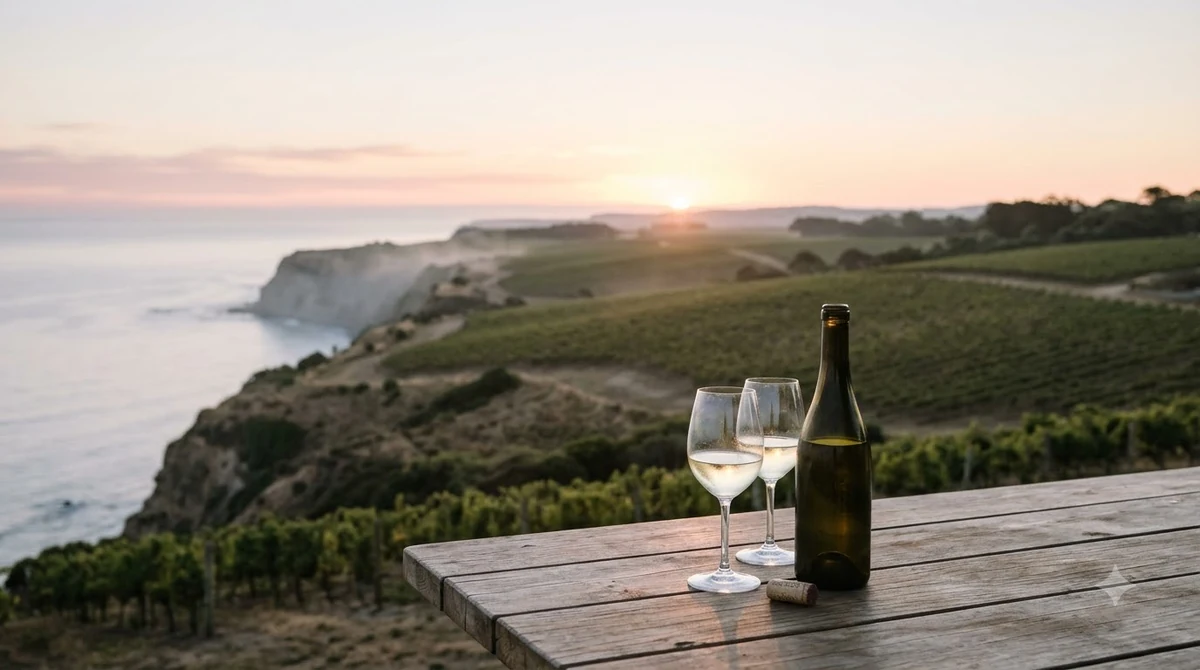
19 Crimes Sauvignon Block is an Australian white wine made from Sauvignon Blanc. The brand identifies its current global product as “Sauv Block,” lists South Eastern Australia as its region, and describes the wine as crisp, fresh, and light-bodied. That combination points to an easygoing white built around lively fruit and refreshing acidity rather than heavy oak, weight, or extended bottle age.
The name can vary by market. The brand’s global product page uses the short name “Sauv Block,” while some U.S. retail records call earlier releases “The Block Sauvignon Blanc.” Vintage-specific listings should not be treated as proof that every bottle has the same alcohol level or technical details.
South Eastern Australia is a broad regional designation, not a single vineyard or small appellation. It identifies the wine as Australian without naming a specific valley or vineyard site. The brand does not publish a grower list, fermentation temperature, or oak program on its product page, so those details should not be guessed.
The current global listing gives the wine an alcohol level of 11.0% ABV. A U.S. listing for the 2020 vintage reports 12% ABV, while another U.S. vintage listing reports 12.5%. These figures are not interchangeable: wine can vary across vintage, market, and bottling, so use the number attached to the particular bottle being considered. The bottle size is commonly 750 milliliters, the standard format for a table wine.
Flavor, Aroma, and Texture
The producer describes a light-straw-colored wine with passion fruit, grapefruit, gooseberry, and guava aromas, followed by a fresh, crisp finish. Expect the overall impression to be citrus-led and tropical, with the bright acidity associated with Sauvignon Blanc keeping the fruit from seeming heavy.
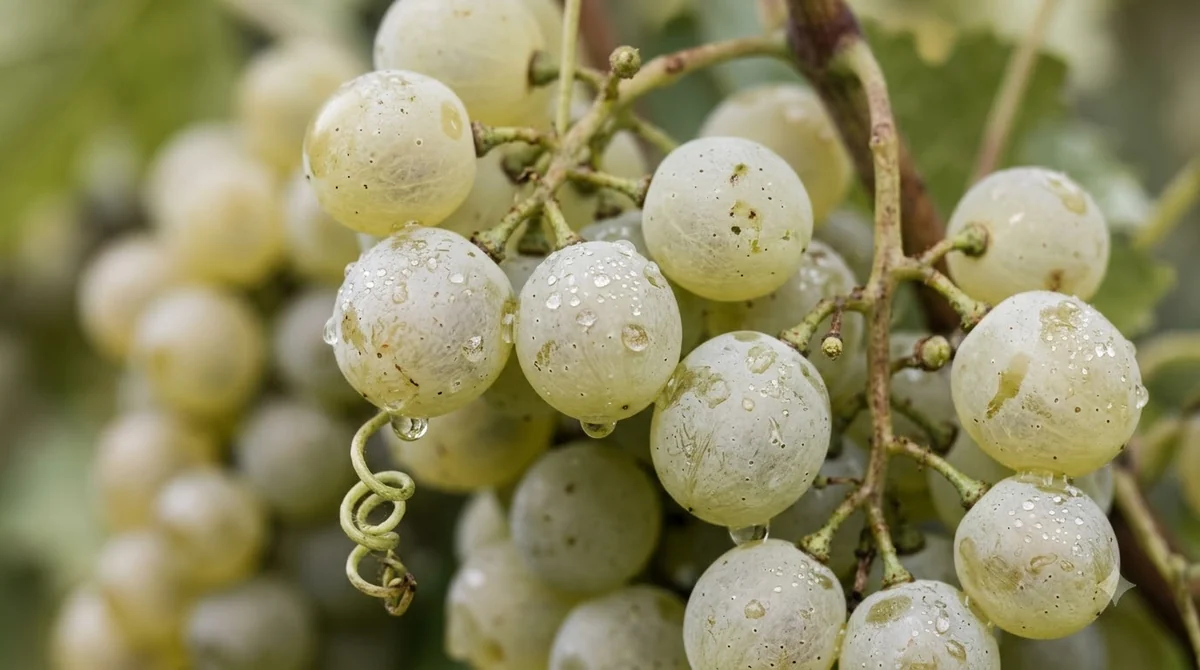
Those aromas fit the broader range of Sauvignon Blanc. Wine Enthusiast explains that cooler conditions or earlier picking can emphasize grassy, herbal, or bell-pepper notes, while warmer conditions can favor grapefruit, passion fruit, and guava. Decanter likewise contrasts the green, herbal character of Loire Valley Sauvignon Blanc with the riper tropical spectrum found in Marlborough. 19 Crimes emphasizes the fruitier end of that broad range rather than a strongly green profile.
On the palate, the light-bodied description matters. This is not presented as a rich, creamy white like an oak-influenced Chardonnay, nor as a weighty, textured wine intended for slow sipping with a heavy sauce. It is positioned as a fresh white that can work as an aperitif or alongside food. The crisp finish suggests that acidity is a key part of its appeal, helping refresh the palate between bites.
Aroma and sweetness are different. Passion fruit and guava can smell ripe even when a wine tastes dry. Sauvignon Blanc is generally made as a dry still wine, although some styles retain a little residual sugar. The producer does not publish a residual-sugar figure for this bottle, so tropical aromas alone are not evidence of sweetness.
Sweetness, Acidity, and Alcohol Level
Think of 19 Crimes Sauvignon Block as a crisp, fruit-forward white rather than a sweet dessert wine. Sauvignon Blanc is usually made in a dry style, and the brand’s description stresses freshness and a clean finish, but a precise residual-sugar figure is not provided for this bottling.
Dryness and fruit intensity are different things. A wine can smell strongly of guava, passion fruit, and grapefruit yet finish dry because most grape sugar has fermented into alcohol. Wine Enthusiast notes that Sauvignon Blanc is typically dry, although a small amount of residual sugar may remain in some examples. The product description does not quantify residual sugar for this label, so do not assign it a sugar number based only on its variety or aromas.
Acidity is a more reliable guide to the style. Sauvignon Blanc is known for high acidity, which gives the wine its brisk, mouthwatering character. That acidity is useful at the table: it can balance creamy cheese, cut through the richness of lightly fried seafood, and match dishes dressed with lemon or vinaigrette. Foods with a sharp acidic dressing should still be matched carefully; a wine usually needs equal or higher acidity so it does not taste flat beside the food.
Alcohol level depends on the bottle and vintage. The brand’s current global listing states 11.0% ABV, while U.S. listings for earlier vintages show 12% and 12.5%. For a quick comparison, the table below keeps those records attached to their respective listings instead of merging them into one universal figure.
| Published listing | Vintage or scope | ABV | Bottle size |
|---|---|---|---|
| 19 Crimes Global | Current Sauv Block product page | 11.0% | Not stated on page |
| Wine.com | 2020 The Block Sauvignon Blanc | 12.0% | 750 ml |
| Wine.com | 2021 The Block Sauvignon Blanc | 12.5% | 750 ml |
Alcohol contributes to body and warmth, but does not tell you exactly how sweet a wine tastes. An 11% wine can still have ripe fruit aromas, and a higher-alcohol vintage is not automatically sweeter. Use the stated ABV for the bottle in hand and evaluate sweetness, acidity, and body separately.
Food Pairings for Sauvignon Block
Pair 19 Crimes Sauvignon Block with dishes that suit a light-bodied, high-acid white: seafood, goat cheese, green vegetables, fresh herbs, and chicken or pork with citrus. The wine’s stated grapefruit and tropical-fruit notes can echo bright sauces, while its crispness helps keep richer textures from dominating the meal.
For seafood, try grilled shrimp with lemon, oysters, white fish with parsley, or fish tacos with cabbage and lime. Sauvignon Blanc’s acidity matches citrus and herbs, while its light body suits delicate fish. Scallops and grilled calamari can also work, especially without a very sweet glaze. Oily fish may call for a more structured white, so consider the sauce and cooking method.
Fresh goat cheese is a classic partner because its tangy flavor meets the wine’s acidity. Serve chèvre with crackers, cucumber, or arugula and herbs. Grilled asparagus, green beans, peas, and salads with parsley, basil, mint, or cilantro also work. Keep lemon or white-wine vinaigrette balanced so it does not overwhelm the wine. For a snack board, add young cow’s-milk cheeses, mild cheddar, green olives, salted almonds, and plain crackers. Salt can soften perceived bitterness, while pungent aged cheeses may dominate delicate fruit.
Chicken and pork are good choices when prepared with fresh herbs, lemon, or a light pan sauce. Roast chicken with thyme, grilled chicken skewers, pork tenderloin with green apple, and herbed grain bowls suit the wine’s lighter frame. Avoid very heavy cream sauces, strongly smoky barbecue, or intensely sweet glazes; those dishes can make the wine seem thin. For chili heat, keep the spice moderate, since alcohol and tannin can make heat feel stronger. This light-bodied wine is not known for high tannin, but a very hot sauce can still overwhelm its fresh fruit.
Tip: Match the wine’s acidity to the sauce, not just the protein. Lemon-dressed fish or herb salads are often better partners than the same ingredients served with a heavy, sweet glaze.
Serving Temperature, Glassware, and Storage
Serve 19 Crimes Sauvignon Block well chilled, around 45–50°F, so the wine tastes refreshing while its grapefruit and tropical aromas remain noticeable. An excessively cold bottle can mute aroma, while a warm glass can make the alcohol feel more prominent and the acidity seem less lively.
For a simple chilling plan, refrigerate the bottle for a couple of hours. To chill it faster, use an ice bucket with ice and water. Pour a small first taste, then let the glass sit for a few minutes if the aromas seem restrained; a very cold wine will open as it warms.
A standard white-wine glass with a modest bowl is suitable. A 5-ounce pour is a useful measure, and a 750-milliliter bottle contains about five such glasses. For a multi-course dinner, pour smaller tastes first and refill with the food.
Keep an unopened bottle away from direct sun, heat, and large temperature swings. For longer storage, a stable, cool location near 55°F is preferable; bottles with cork closures are generally stored on their sides so the cork does not dry out. This is a fresh-fruit white intended to be enjoyed young, not cellared for years. After opening, reseal the bottle and refrigerate it; a still white wine is generally best within three to five days, though its most vivid aromas are usually present earlier. Oxygen gradually softens the fresh fruit character, so use any remaining wine in cooking if it has lost its brightness. A screw cap, where fitted, can be stored upright without the same cork-moisture concern.
How to Compare Bottles and Other 19 Crimes Wines
When choosing a bottle, compare the actual name, vintage, alcohol statement, and regional wording on the listing. That is more dependable than assuming all bottles sold under a shortened product name are identical. The global product page identifies Sauv Block as Sauvignon Blanc from South Eastern Australia, while older U.S. listings use “The Block Sauvignon Blanc” and give vintage-specific ABV information.
Confirm that the wine is Sauvignon Blanc, then note whether the bottle is a current release or an older vintage. The 2020 and 2021 U.S. records show why alcohol figures should stay attached to vintage details. Retailer databases may retain older specifications, so do not average conflicting figures or assume one applies to every market.
Think about the style you want before comparing 19 Crimes labels. Sauvignon Block is the lighter, brighter white option in this discussion. A red wine such as Cali Red will have a different structure, grape mix, and food-pairing range; the separate guides to 19 crimes cali red alcohol content and 19 crimes cali red sugar content address two questions that cannot be answered by transferring Sauvignon Block’s figures to a red blend.
The brand also has other collaborations and label stories beyond its core white and red wines. Readers comparing those releases can explore the article about 19 crimes martha stewart wine, while the broader Wine Brands section can help put the label in context with other producers. These are comparisons of brand range, not substitutes for checking the varietal and details of the specific bottle being considered.
Choose Sauvignon Block when a fresh, light-bodied Australian white suits the meal. It is especially practical with seafood, herb-forward dishes, salads, and warm-weather food. For richer dishes, compare it with a more textured Chardonnay or another fuller white.
Frequently Asked Questions
These quick answers cover naming, the label story, and a few practical details that may not appear in a short product description.
Is 19 Crimes Sauvignon Block the same as The Block Sauvignon Blanc?
The brand’s global page uses the shortened name “Sauv Block,” while Wine.com has listed earlier releases as “The Block Sauvignon Blanc.” Both product names identify a Sauvignon Blanc from 19 Crimes, but the vintage and market may differ. Compare the bottle’s vintage and stated ABV rather than assuming two listings describe the exact same bottling.
Who is pictured on the 19 Crimes Sauvignon Block label?
The label story is associated with Michael Moore, whom the brand describes as a blacksmith who was probably from Dublin. Its account says he was arrested in 1865, transported to Western Australia aboard the Hougoumont, and pardoned with other political prisoners in 1869. The brand’s augmented-reality page provides the story linked to this label.
Why is the wine brand called 19 Crimes?
The brand’s name refers to 19 offenses that could result in transportation to Australia under British penal policy. The brand says transportation began in 1787 and that the crimes are represented by corks distributed among its bottles. The historical story is part of the label identity rather than a description of the wine’s flavor or grape-growing region.
Does 19 Crimes Sauvignon Block have a screw cap?
Wine.com lists a screw cap for its 2020 The Block Sauvignon Blanc record. Closure details can vary with market and bottling, so that historical listing should not be taken as a promise about every current bottle. A screw cap is a normal closure for fresh, aromatic white wines and does not imply lower quality.
Does Sauvignon Block need to be decanted?
No extended decant is normally needed for a light-bodied, fresh white such as this. Chilling the bottle and pouring it into a clean glass is sufficient for ordinary service. A few minutes in the glass can help the fruit aromas become more apparent, but lengthy aeration is not a requirement.
19 Crimes Sauvignon Block is best understood as a bright, light-bodied Australian Sauvignon Blanc with citrus and tropical-fruit character. Serve it chilled with seafood, fresh cheese, or herb-led dishes, and use the vintage-specific bottle details when comparing alcohol levels. That approach keeps the wine’s appeal clear without assuming that every market or release carries identical specifications.
More in Wine Brands
 Underwood Wine Price: Compare Bottles, Cans, and Pack SizesUpdated Nov 21, 2026
 Zenato Wine Price: Compare Styles and Choose the Right BottleUpdated Nov 21, 2026
 Zuccardi Wine Price: Compare Bottles and Find the Right RangeUpdated Nov 21, 2026
 Yellow Tail Moscato Review: Taste, Sweetness and Serving TipsUpdated Nov 21, 2026
 Wolf Blass Yellow Label Review: Choose Your Best StyleUpdated Nov 21, 2026
 Wolffer Estate Rose Review: Choose the Right Bottle for Your TableUpdated Nov 21, 2026