

We may earn a commission when you buy through links on this page, at no extra cost to you. Learn more.
What does brut champagne taste like? It tastes dry, crisp, and lively, with bright citrus and orchard fruit often joined by white flowers, toasted bread, or a soft almond note. Its bubbles make the texture feel brisk, while Champagne’s naturally high acidity keeps the finish fresh. Brut can have a small amount of residual sugar, but it should taste dry rather than sugary.
Brut is the classic Champagne style, and it is a useful starting point for understanding the region’s sparkling wines. The exact impression changes with the grapes, the producer’s blend, the time spent aging on the lees, and the amount of dosage added before the bottle is finished. A young, Chardonnay-led bottle may feel lemony and taut; a Pinot Noir-rich blend can seem broader, with more red-fruit character and structure.
The Dry, Bright First Impression
Brut Champagne usually leads with freshness rather than sweetness. Expect lively bubbles, firm but balanced acidity, and flavors such as lemon peel, green apple, pear, and sometimes white peach. The first sip often feels light on its feet, even when the wine has enough body to linger after swallowing.
The word “dry” describes the wine’s sweetness level, not a lack of flavor or a rough mouthfeel. A brut bottle can have fruit that smells ripe and a texture that seems gently rounded, yet still finish cleanly. The carbon dioxide gives the wine its sparkling lift, while acidity draws a bright line through the fruit. This is why brut often feels refreshing with the first sip and remains refreshing through a second glass.
Do not expect every bottle to taste exactly alike. A Chardonnay-led Brut can show lemon and a slender, mineral finish, while a Pinot Noir-rich blend may offer more body, red-fruit accents, and a softer middle. A bottle with a little more dosage may seem rounder, while a particularly low-dosage bottling can feel more direct and sharply focused. These are differences in balance and texture, not signs that one bottle is necessarily sweeter in an obvious way.
For many drinkers, the most recognizable impression is a combination of crisp acidity, tiny persistent bubbles, and a dry finish that may carry a faint impression of fruit sweetness. Brut is not a dessert wine, and the fruit flavors should not be mistaken for added sugar. Think of biting into a tart apple or squeezing lemon over fresh seafood: the fruit is vivid, but the overall sensation remains bright.
Citrus, Orchard Fruit, and Toasted Aromas
The aroma of brut Champagne can move from fresh fruit to flowers, spice, and baked pastry. Citrus and apple are common starting points, while bottle age and winemaking choices can add more savory, nutty, or yeasty notes.
On the fresh side, look for lemon, grapefruit, green apple, pear, and sometimes peach or other yellow fruit. Chardonnay can emphasize citrus and white flowers, while Meunier often brings apple and pear. Lime blossom and subtle rose-like aromas may sit behind the fruit. Some Champagnes also suggest vanilla, pepper, or cinnamon. These notes are not flavorings; they arise from the grapes, the blend, and the wine’s development.
With more time aging, the aroma can become less like a fruit basket and more like a bakery. Brioche, biscuit, toast, almond, hazelnut, honey, and dried-fruit impressions can appear alongside the citrus. The balance depends on the bottle: a fresh, fruit-driven wine may keep lemon and pear at the front, while a more mature example can put pastry and toasted notes in the foreground.
It helps to smell before taking a sip. Pour a small amount, let the bubbles settle for a moment, and smell once without swirling. Then gently rotate the glass and smell again. The first pass may reveal lemon or apple; the second can bring out flowers, pastry, or spice. Take a sip after that and notice whether the flavors follow the aromas or shift toward a more mineral, savory, or creamy impression.
What Brut Means on the Champagne Label
Brut is a regulated sweetness category, not a grape variety or a promise about a particular flavor. Champagne labeled Brut contains less than 12 grams of sugar per liter, which is why it generally tastes dry even though it is not always sugar-free.
At the final stage of production, the maker adds dosage, a small mixture of wine and sugar, before the bottle is corked. Dosage can soften the perception of Champagne’s high acidity and help the finished wine feel balanced. The official Champagne organization says that about 1 centiliter of dosage liqueur is used for a 75-centiliter bottle of Brut, although the quantity and composition vary by style. Read the official explanation of Champagne dosage for the region’s production details.
The sweetness scale can be confusing because “Extra Dry” is sweeter than “Brut.” The categories below show the standard sugar thresholds used for Champagne labels. Brut is a broad category with a ceiling below 12 grams per liter; Extra Brut and Brut Nature identify drier options within that broad range.
| Champagne label | Residual sugar | Typical impression |
|---|---|---|
| Brut Nature | Less than 3 g/L, with no added sugar | Bone-dry, direct, and often taut |
| Extra Brut | 0–6 g/L | Very dry, with acidity more exposed |
| Brut | Less than 12 g/L | Dry, balanced, and sometimes gently rounded |
| Extra Dry | 12–17 g/L | A little softer and sweeter than Brut |
| Sec | 17–32 g/L | Noticeably sweeter |
| Demi-Sec | 32–50 g/L | Sweet, suited to richer desserts |
| Doux | More than 50 g/L | The sweetest category |
These figures describe residual sugar, not a guaranteed sensory result. Acidity, fruit ripeness, serving temperature, and the wine’s texture all influence how sweetness is perceived. Two Brut Champagnes can fall within the same legal category and still taste different: one may feel lean and mineral, while another seems rounder because of its dosage and blend. Decanter’s explanation of Brut sweetness notes that many non-vintage Champagnes sit above 6 grams per liter but below the 12-gram Brut ceiling, where a modest amount of sugar can balance acidity and carbon dioxide.
“Extra Dry” is therefore not the best label to seek if you want the driest Champagne. Choose Brut Nature or Extra Brut for a sharper, leaner profile; choose Brut for the familiar middle ground. If sweetness is your priority, move toward Demi-Sec rather than assuming that “Extra Dry” means drier than Brut.
How Grapes and Lees Aging Shape the Flavor
Brut Champagne is often a blend, and each grape variety contributes a different part of the profile. Chardonnay tends to bring freshness and citrus, Pinot Noir adds body and structure, and Meunier often contributes roundness with apple, pear, and yellow-fruit flavors.
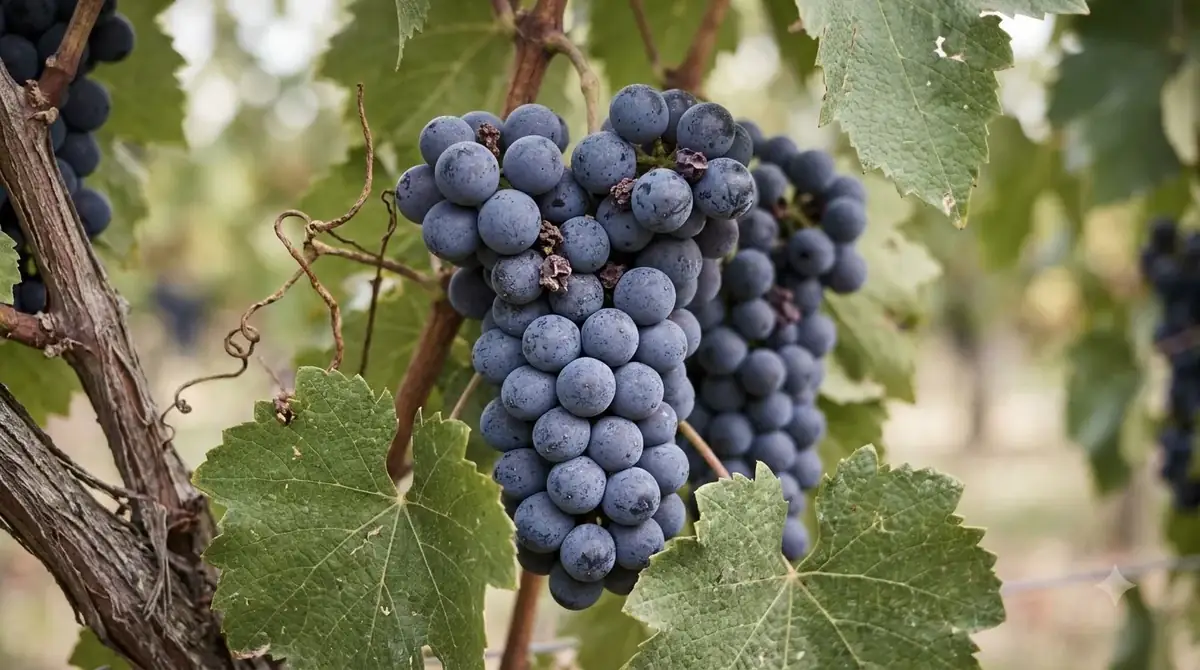
Chardonnay can give the wine lemon, white flowers, and a firm, lively impression. A Chardonnay-led Champagne may feel slender and precise, with citrus staying prominent from the first aroma to the finish. Pinot Noir usually contributes more body and structure, along with red-fruit notes and floral suggestions such as violet or rose. Meunier can make a blend seem more open and rounded, with apple, pear, and yellow-fruit character.
Those varieties can be blended in different proportions, and a maker may also use reserve wines from earlier harvests. Reserve wine adds depth, roundness, and continuity to a house style, while the current harvest supplies its own character. This is one reason non-vintage Brut from one producer can taste different from another producer’s version, even when both use the familiar Champagne grapes.
Lees aging is another major influence. After the second fermentation in the bottle, the wine rests with spent yeast cells, known as lees, before the producer completes the finishing steps. This contact can contribute brioche, biscuit, toast, nuts, and a more layered aroma. Young Brut often puts citrus, apple, and pear first; a more developed bottle may show honey, dried fruit, hazelnut, caramel-like pastry notes, or toast. Grape selection and maturation help explain whether the wine tastes bright and fruit-led or rich and savory.
Serving Temperature and Food Pairings
Serve Brut Champagne cold enough to keep its bubbles lively, but not so cold that its aromas disappear. A practical serving range is 40–50°F; a moderate chill allows the citrus, orchard fruit, and pastry notes to remain recognizable.
Chill the bottle in a refrigerator before serving, then pour modest amounts so the wine stays cool in the glass. A tulip-shaped sparkling-wine glass is a useful choice because it gives the aromas more room than a very narrow flute while keeping the bubbles visible. Avoid filling the glass to the rim. If the bottle warms in a crowded room, return it to the ice bucket for a few minutes rather than adding ice to the wine.
Brut’s acidity makes it a strong match for salty, fried, and creamy foods. Try it with oysters, shrimp, scallops, tempura vegetables, potato chips, fried chicken, or a soft cheese such as Brie. The acidity cuts through richness, while the bubbles refresh the palate between bites. Salty foods can also make the wine seem rounder and less sharply acidic.
For a meal, pair a citrus-driven Brut with shellfish, sushi, or simply prepared white fish; a richer bottle with more Pinot Noir or mature, toasty notes can work with roast chicken, mushroom dishes, or savory pastry. Champagne’s fresh acidity can balance a creamy sauce, but strongly sweet sauces may make a dry Brut taste lean by comparison. A very sweet dessert can make Brut seem austere, because wine should be at least as sweet as the dessert; choose Demi-Sec for a sweet cake or fruit tart. Very hot chili dishes can also make the alcohol feel more pronounced, so gentler spice and salty snacks are safer partners.
Tip: For a simple first pairing, pour Brut Champagne with salted potato chips, fried tempura, or oysters. The salt and crisp texture make the wine’s acidity feel refreshing rather than sharp.
Choosing a Brut Champagne That Suits Your Taste
Start with the style of fruit and texture you enjoy, then use the label and producer information to narrow the choice. A Brut label gives you a sweetness ceiling, but it does not tell you whether the wine will be citrus-led, round and fruity, or rich with toast and nuts.
If you prefer citrus, flowers, and a leaner finish, look for a Champagne with a strong Chardonnay presence or a Blanc de Blancs label. A blend with more Pinot Noir usually brings body and structure, while Meunier can contribute softer apple and pear flavors. These are tendencies rather than guarantees, since the producer’s blending and aging choices also matter. A young style may emphasize lemon and green apple, while a more developed bottle can show brioche, biscuit, hazelnut, and honey. Brut Nature or Extra Brut suits a very dry, focused preference; standard Brut often feels more rounded.
Also consider whether you want white or rosé Champagne. Brut describes sweetness, so rosé Champagne can also be Brut; its color does not automatically make it sweeter. Rosé versions may introduce strawberry, raspberry, or other red-fruit aromas. For a closer look, see what rosé Champagne tastes like. For another high-acid wine comparison, read what Chenin Blanc tastes like.
For a first bottle, a non-vintage Brut is a sensible starting point because it represents the producer’s recurring house style. Try Extra Brut or Brut Nature next if you prefer a lean, mineral finish; stay with Brut if you like a softer impression with ripe pear, yellow fruit, or brioche. The broader Wine by Type section places Champagne alongside other sparkling and still wines. As you drink, note the first fruit aroma, the texture across the middle of the sip, and the finish: does lemon or apple dominate, does the wine feel sharp or creamy, and does it finish with citrus, minerals, or toast?
Frequently Asked Questions
Is every sparkling wine labeled Brut Champagne?
No. Champagne is a protected regional name for sparkling wine from Champagne, France, while Brut is a sweetness term that also appears on sparkling wines from places such as Spain and England. Cava and Crémant, for example, can also carry a Brut designation.
Can non-vintage Brut Champagne contain wine from earlier harvests?
Yes. Producers can blend reserve wines from previous years with the current harvest to help shape a consistent house style. The Champagne region notes that some non-vintage blends can contain as much as 50 percent reserve wines.
How long must non-vintage Champagne age on its lees?
The Champagne production timeline specifies at least 15 months of maturation on the lees after the second fermentation for non-vintage Champagne. That minimum is a production requirement, not a promise that every bottle will show the same degree of toastiness.
Is Brut Champagne the most common style?
Yes. The Champagne region and Wine Enthusiast both describe Brut as the dominant category, accounting for more than 90% of Champagne production. That wide availability is one reason Brut is often the first Champagne style people encounter.
Can Brut Champagne be made from only one grape variety?
Yes. Although many Champagnes are blends, a non-vintage Brut can also be made from a single grape variety. A Blanc de Blancs made from Chardonnay is one familiar example of a single-variety Champagne style.
Brut Champagne should taste dry, bright, and refreshing, but its exact character can range from lemony and mineral to rounded, fruity, and gently toasty. The sweetness category, grape blend, and lees aging explain much of that variation. Start with a standard Brut, serve it at 40–50°F, and pair it with something salty or crisp to appreciate its balance.
More in Wine Types & Grapes
 What Does Mourvèdre Taste Like? Flavor Profile, Regions, and PairingsUpdated Nov 20, 2026
 What Does Marsanne Taste Like? Flavors, Styles, and Food PairingsUpdated Nov 20, 2026
 What Does Malvasia Taste Like? Styles, Flavors, and Food PairingsUpdated Nov 20, 2026
 What Does Grenache Blanc Taste Like? Flavor Profile, Styles, and PairingsUpdated Nov 20, 2026
 What Does Garnacha Taste Like? Key Flavors, Styles, and Pairing TipsUpdated Nov 20, 2026
 What Does Fruit Wine Taste Like? A Complete Flavor and Style BreakdownUpdated Nov 20, 2026