

We may earn a commission when you buy through links on this page, at no extra cost to you. Learn more.
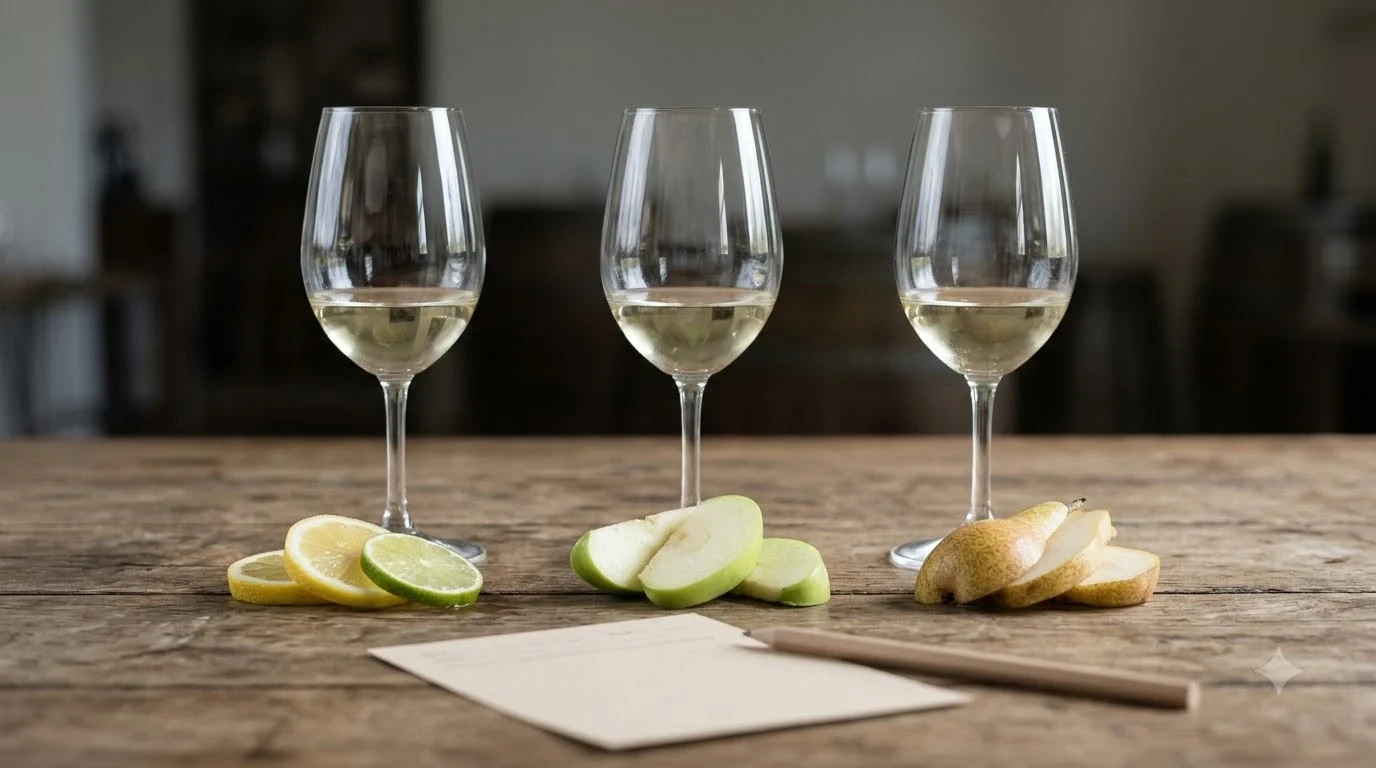
The clearest way to compare albarino vs pinot grigio is to look at flavor and structure: Albariño is usually more aromatic, saline, and firmly acidic, while Italian-style Pinot Grigio is typically lighter-bodied, crisp, and more restrained. Both are dry white wines that work well chilled, but Albariño often brings citrus, peach, and a coastal edge, whereas Pinot Grigio leans toward lemon, apple, pear, and a clean finish. Choose Albariño when you want a vivid partner for seafood or a little more flavor in the glass; choose Pinot Grigio for an uncomplicated aperitif or a lighter meal.
Both grapes can be pale, refreshing, and food-friendly. Their differences become clearer when you compare origin, aroma, texture, and food pairing. Bottle style matters, too: northern Italian Pinot Grigio differs from fuller Pinot Gris from Alsace, and Albariño varies across its home region.
Albarino vs Pinot Grigio at a Glance
The practical distinction is intensity: Albariño tends to deliver more pronounced citrus, stone fruit, and saline character, while classic Italian Pinot Grigio is often delicate and straightforward. For a first purchase, match the wine’s level of flavor to the meal rather than assuming one grape is automatically better.
| Feature | Albariño | Pinot Grigio |
|---|---|---|
| Main regional cue | Rías Baixas, Galicia, Spain; also grown as Alvarinho in northern Portugal | Northern Italy, especially Trentino, Veneto, and Friuli |
| Typical body | Light to medium, sometimes with a rounded mid-palate | Usually light-bodied; richer Pinot Gris can reach medium body |
| Acidity | High, bright, and mouthwatering | Fresh and crisp; often less forceful than Albariño |
| Common aromas | Lemon, lime, grapefruit, white peach, honeysuckle, and saline notes | Lemon, green apple, pear, white peach, almond, and light floral notes |
| Typical impression | Aromatic, citrus-led, sometimes gently briny | Clean, delicate, refreshing, and easy to pair |
| Good food matches | Oysters, clams, white fish, octopus, and herb salads | Antipasti, grilled vegetables, light pasta, seafood, and chicken |
| Serving temperature | 45–50°F | 45–50°F |
These are style guides, not rigid rules. A ripe, lees-aged Albariño may feel broader than a lean Pinot Grigio, while Alsace Pinot Gris can be much more expressive than the light Italian version most American drinkers picture. Vintage conditions and cellar choices also shift the result.
For a broader way to compare bottles by grape, region, and occasion, use this Wine vs Wine comparison approach. It helps separate the grape’s usual profile from the choices a producer makes in the cellar, which is especially useful when a shelf includes several styles under a familiar name.
Origins and Regional Styles
Albariño is most closely associated with Galicia in northwestern Spain, especially the Atlantic-facing Rías Baixas appellation, while Pinot Grigio is closely identified with northern Italy. Their home climates and local traditions help explain why one often tastes vivid and coastal and the other is commonly presented as a light, clean white.
Rías Baixas has five subregions, and the regional wine body describes meaningful differences among them. Val do Salnés is known for crisp, aromatic wines with a melony edge; O Rosal tends toward peachier, softer expressions; and Condado do Tea can show more earthy notes. The wines share a fresh, aromatic profile, but those distinctions are useful when choosing between two bottles labeled Rías Baixas Albariño. The region’s Atlantic influence and humid conditions also help explain the grape’s naturally high acidity and thick skins.
Albariño is also grown in Portugal, where it is called Alvarinho. Wine Enthusiast identifies Galicia and the Portuguese areas of Monção and Melgaço as important homes for the grape. A Portuguese Alvarinho is a useful alternative for someone who likes Spanish Albariño but wants to explore another regional expression.
Pinot Grigio’s Italian identity is strongest in regions such as Trentino, Veneto, and Friuli. Decanter describes Italian Pinot Grigio as a crisp, high-acid white with bright citrus and a clean finish. The grape itself is not exclusive to Italy: Pinot Grigio and Pinot Gris are two names for the same grape, a natural mutation of Pinot Noir. In Alsace, the name Pinot Gris is more common, and the wines can be richer, more aromatic, and sometimes sweet. The Rías Baixas wine region’s overview of Albariño is useful for seeing how varied its home-region styles can be.
Flavor, Acidity, and Body
Albariño usually has the more expressive nose and the sharper line of acidity, while Pinot Grigio is often quieter and lighter on the palate. If aroma is your deciding factor, Albariño is more likely to announce itself with citrus, flowers, and ripe white fruit; if you prefer a clean, subtle white, Italian Pinot Grigio is often the safer bet.
In Albariño, look for lemon, lime, grapefruit, orange zest, yellow apple, white peach, apricot, mango, honeysuckle, and sometimes a saline or stony impression. Not every bottle shows every note. A cooler, brisker example may focus on lime, green apple, and herbs, while a riper or more textured wine can lean toward peach, melon, and tropical fruit. The combination of aromatic fruit and firm acidity gives the wine enough personality to stand up to flavorful food without needing oak or heavy richness.
Classic Pinot Grigio is commonly more restrained. Lemon, green apple, pear, white peach, almond, and faint floral notes are useful reference points. Its appeal is often in its light body, fresh acidity, and uncomplicated finish rather than a long list of intense aromas. That does not mean it has no character: a well-made example can show precise orchard fruit, a slight mineral edge, or a pleasant almond note. The key is that its flavors usually sit in a quieter register than Albariño’s citrus-and-saline profile.
Body and acidity are separate measures: both wines can feel light while retaining lively freshness. Albariño often seems more energetic because its acidity comes with a vivid aromatic profile; Pinot Grigio can feel softer because its fruit is less assertive. For another lean, mineral white comparison, see Chablis vs Pinot Grigio.
Dryness, Winemaking, and Texture
Both wines are most often sold as dry whites, but winemaking can alter their texture more than their basic grape identity. Albariño can gain breadth from lees aging, while Pinot Grigio’s skin contact and regional style can take it from pale and delicate to copper-colored and more substantial.
Rías Baixas Albariño is generally bone-dry and aromatic. The regional wine body notes that some winemakers keep wines on their lees, the spent yeast cells left after fermentation, to develop texture and a wider range of styles. Lees aging can make the mid-palate feel rounder and give the wine a subtle creamy or savory edge without necessarily removing the fresh acidity that defines the grape. This is one reason two Albariños with similar citrus aromas can feel quite different once tasted.
In Friuli, the DOC consortium explains that Pinot Grigio is a color variation of Pinot Noir and that the grape’s skin has a coppery-gray tone. White vinification separates the juice from the skins, producing a delicate style with hints of acacia flower. More skin contact can create a copper-colored wine with greater texture, so pale and skin-contact styles should not be judged as though they were made in the same way. Decanter’s explanation of Pinot Grigio and Pinot Gris outlines how the same grape can produce very different regional styles.
Pinot Gris from Alsace is another variation: Decanter describes it as fuller-bodied and more aromatic, with ripe stone fruit, honey, and spice. The names often signal different local traditions. For another crisp-white comparison, see Chenin Blanc vs Pinot Grigio.
Food Pairings: Seafood, Vegetables, and Everyday Meals
Albariño is especially convincing with seafood because its acidity refreshes the palate and its citrus and saline notes complement flavors from the sea. Pinot Grigio is more flexible with simple, lightly seasoned dishes, especially when the aim is to keep the wine refreshing rather than make it the loudest part of the meal.
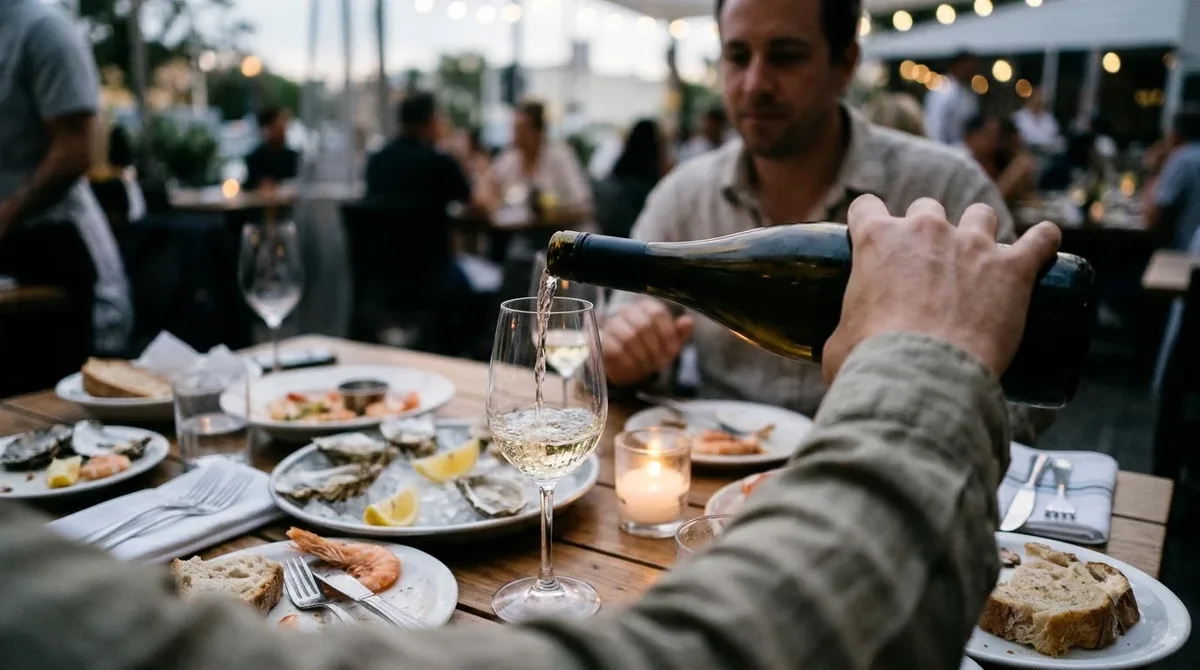
For Albariño, start with oysters, clams, mussels, shrimp, scallops, grilled prawns, and mild white fish. It also suits Galician octopus, often served with paprika and olive oil, because the wine’s freshness cuts through the oil while its aromatic character meets the dish’s savory seasoning. Ceviche with lime, fish tacos with herbs, and a green salad with citrus dressing are natural options, too. When the fish is simply grilled or steamed, Albariño’s acidity gives the meal lift without masking its delicate flavor.
Beyond seafood, Albariño suits soft cheeses, herb-forward salads, roast chicken with lemon, and dishes with ginger or cilantro. Wine Enthusiast also points to Vietnamese and Thai food as promising matches. Keep very hot chili sauces in check: spicy heat can make alcohol feel more pronounced, so moderate seasoning is usually a better match than a fiery dish.
Pinot Grigio is a natural match for antipasti, grilled vegetables, light soups, white fish, seafood pasta, risotto, salads, and grilled chicken. Friuli’s wine consortium also recommends it with local cured meats, smoked ham, pasta with tomato sauce, and pizza. These are practical pairings because they do not overwhelm a delicate wine. For a weeknight meal, use the wine as a guide to seasoning: Albariño can handle lemon, herbs, briny seafood, and more flavor intensity, while Pinot Grigio suits lightly dressed vegetables, cream-free pasta, fish with olive oil, or simple chicken. Make sure an acidic dish has a wine with enough freshness to keep pace; sharp vinegar or tomato can make a softer white taste flat.
Serving Temperature and Choosing a Bottle
Serve both wines chilled but not icy: 45–50°F is a reliable range for light whites, including most Albariño and Pinot Grigio. A slightly warmer glass can reveal more aroma, while a bottle served straight from a very cold refrigerator may seem muted at first.
For Albariño, aim near 46–48°F to show citrus, flowers, and saline notes. A very light Pinot Grigio can be served at 45–48°F; a fuller Pinot Gris or skin-contact Pinot Grigio can approach 50°F to reveal more texture. If the bottle is too cold, give it a few minutes in the glass.
Use the label to identify style rather than relying only on the grape name. Rías Baixas signals the Spanish home region for Albariño, while Alvarinho commonly identifies a Portuguese bottling; Val do Salnés, O Rosal, or Condado do Tea offers another regional clue. Trentino, Veneto, or Friuli usually points to the lighter Italian Pinot Grigio style, while Pinot Gris from Alsace, Oregon, or New Zealand may be broader and more aromatic. The label can also tell you whether a wine is dry, off-dry, or made with skin contact.
Once opened, refrigerate either wine with a tight closure and aim to finish it within three to five days. A 750 ml bottle gives about five 5-ounce pours. Store unopened bottles on their side in a cool, dark place near 55°F, away from sunlight and temperature swings; everyday examples of both grapes are generally made to be enjoyed young. Choose by meal and texture: Albariño for seafood with lemon, herbs, oysters, or shellfish; Pinot Grigio for an aperitif, vegetable antipasti, light pasta, or grilled chicken. For sparkling wine, Pinot Grigio vs Prosecco is a different comparison because Prosecco is made primarily from Glera, not Pinot Grigio.
Tip: Chill the bottle to about 47°F, pour a small first glass, and let it warm for five to ten minutes. If the fruit and aroma become more expressive as the wine warms, keep serving it at that slightly warmer temperature; if it starts to feel soft, return the bottle to the refrigerator.
Frequently Asked Questions
These quick answers cover details that can help with a bottle choice, including alternate grape names, skin-contact styles, and the difference between everyday and age-worthy examples. The serving range of 45–50°F remains a useful starting point for most crisp versions of either wine.
Can Albariño be made outside Spain?
Yes. Albariño is also grown in Portugal, where it is called Alvarinho, and in the United States. Wine Enthusiast highlights California’s Central Coast, including areas from Monterey through Santa Barbara, with the San Luis Obispo coast and Edna Valley noted for maritime conditions that can suit the grape.
What does Ramato mean on a Pinot Grigio label?
Ramato is the copper-hued style associated with Pinot Grigio, made by allowing more contact between the juice and the grape skins. The grape’s gray-copper skin can tint the wine, giving it a deeper color and a more substantial impression than the pale white version.
Can Pinot Gris be sweet even if Pinot Grigio is usually dry?
Yes. In Alsace, Pinot Gris can be made as a late-harvest wine with noticeable sweetness and the structure to age. That is a different expression from the light, dry Pinot Grigio commonly associated with northern Italy, even though both names refer to the same grape.
Is Albariño always made as a single-variety wine?
No. Many bottles are made entirely from Albariño, but some producers blend it with other local white grapes, including Loureiro. The blend can change the aromatic balance and texture, so a wine labeled with the regional appellation is not necessarily a single-grape bottling.
Does Pinot Grigio pair well with pizza?
Yes, especially with vegetable toppings, white pizza, Margherita, or other lighter styles. The Friuli DOC consortium specifically lists pizza among its suggested pairings, alongside grilled vegetables, light soups, fish, and white meats. Very spicy sausage or a heavily charred topping may call for a wine with more body.
Albariño is the stronger choice when you want aromatic citrus, peach, bright acidity, and a natural partner for seafood. Pinot Grigio is ideal when you prefer a lighter, quieter white that works across casual meals and aperitif occasions. Try both side by side at the same temperature with the same simple food, and the difference in aroma, texture, and finish will become easy to recognize.
More in Wine vs Wine
 Chenin Blanc vs Pinot Gris: Acidity, Body, and Pairing DifferencesUpdated Nov 20, 2026
 Chianti vs Lambrusco: How Tuscany and Emilia-Romagna Reds CompareUpdated Nov 20, 2026
 Chianti vs Primitivo: Key Differences in Taste, Body, and PairingUpdated Nov 20, 2026
 Chianti vs Rioja: Key Differences in Taste, Aging, and PairingUpdated Nov 20, 2026
 Chianti vs Shiraz: How Acidity, Body, and Food Pairings CompareUpdated Nov 20, 2026
 Chianti vs Syrah: Key Differences in Taste, Body, and Food PairingUpdated Nov 20, 2026