

We may earn a commission when you buy through links on this page, at no extra cost to you. Learn more.
If you are wondering is semillon sweet or dry, the short answer is that Sémillon is made in both completely dry and intensely sweet styles, though the vast majority of bottles on retail shelves are dry. Dry Sémillon ranges from crisp, low-alcohol whites in Australia’s Hunter Valley to fuller-bodied white Bordeaux blends, while sweet Sémillon is famously crafted into luscious dessert wines like Sauternes when affected by noble rot.
Pronounced sem-me-yawn, this golden-skinned grape is one of the wine world’s great chameleons. Because winemakers can harvest it early for razor-sharp acidity, blend it with Sauvignon Blanc for everyday table wines, or leave it on the vine to concentrate its sugars, checking the region and label style is essential before you pull the cork.
What It Is
Sémillon is a white wine grape native to southwest France, where it remains a foundational variety in Bordeaux alongside Sauvignon Blanc and Muscadelle. Depending on vineyard climate and winemaking choices, it produces everything from bone-dry table wines to opulent dessert bottles.
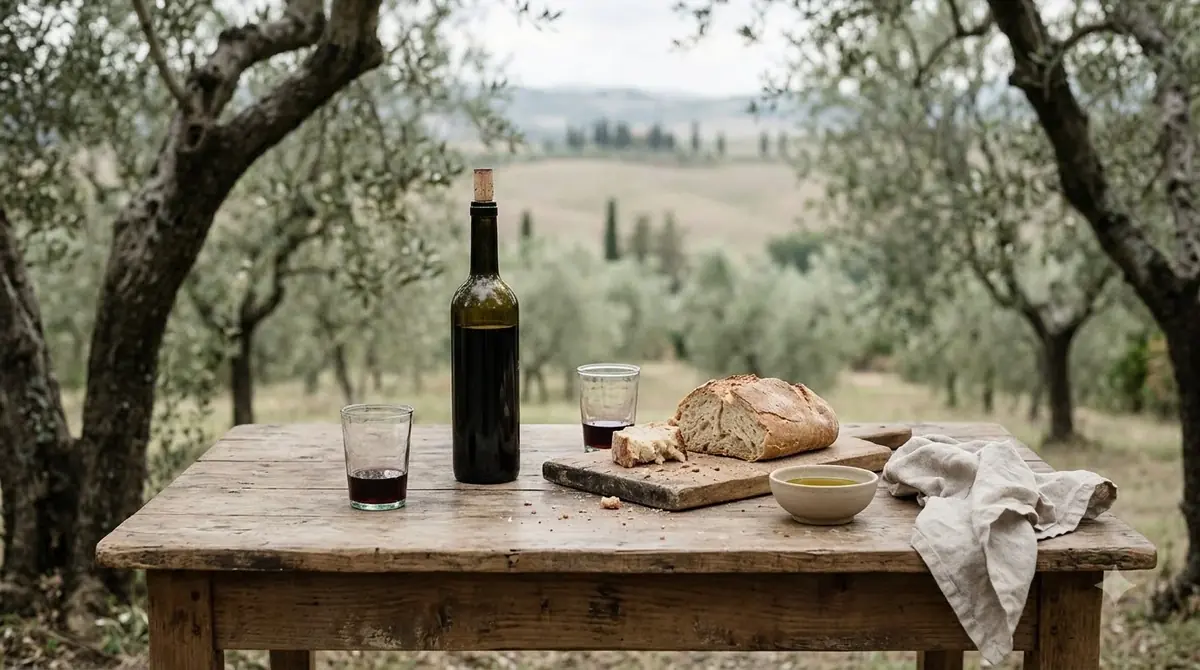
In the vineyard, Sémillon has relatively thin skins and ripens early, making it versatile yet sensitive to local weather conditions. According to Wine Folly’s guide to Sémillon, the grape naturally leans toward a fuller mouthfeel with moderate acidity and alcohol levels that typically fall between 11 percent and 14 percent ABV in dry expressions. Even when fermented completely dry with zero residual sugar, its distinctive waxy or lanolin-like texture can trick the palate into sensing a hint of roundness or richness.
That same thin skin also makes Sémillon uniquely susceptible to Botrytis cinerea, a beneficial vineyard fungus known as noble rot. Under specific humid morning and dry afternoon conditions, this fungus pierces the grape skins and causes water to evaporate, shriveling the berries and concentrating their natural sugars, acids, and flavor compounds. When winemakers ferment these shriveled grapes, fermentation stops naturally while plenty of residual sugar remains, yielding some of the world’s most celebrated sweet wines.
Flavor and Styles
Sémillon spans a wide stylistic spectrum, moving from zesty, citrus-driven dry whites to viscous, honey-drenched dessert wines. The primary difference between these expressions comes down to harvest timing, oak aging, and whether noble rot was present in the vineyard.
Dry, unoaked Sémillon—especially when harvested early in cooler or cloud-covered climates—tastes bright, lean, and refreshing. Primary flavors include Meyer lemon, green apple, white flowers, grass, and a subtle saline or chalky minerality. As these unoaked dry bottles spend five to ten years in the cellar, they undergo a dramatic transformation without ever touching an oak barrel, developing complex secondary notes of beeswax, toasted nuts, chamomile, and warm honey.
When winemakers ferment or mature dry Sémillon in oak barrels, or blend it with Sauvignon Blanc, the wine takes on a broader, creamier profile closer to Chardonnay. Warm-climate versions display riper stone and tropical fruit notes such as yellow peach, mango, and papaya layered over vanilla and toast. Sweet Sémillon styles, led by Bordeaux’s Sauternes and Barsac appellations, sit at the opposite extreme with intense flavors of dried apricot, marmalade, ginger, caramel, and honeycomb balanced by bright underlying acidity.
| Sémillon Style | Sweetness Level | Typical ABV | Key Tasting Notes | Notable Regions |
|---|---|---|---|---|
| Unoaked Dry Sémillon | Bone-dry | 10.5%–12% | Lemon zest, grass, saline, beeswax, toast (with age) | Hunter Valley (Australia) |
| White Bordeaux Blend (Dry) | Dry | 12%–13.5% | Grapefruit, white peach, lanolin, subtle oak and herbs | Graves, Pessac-Léognan, Margaret River |
| Single-Varietal New World Dry | Dry | 12.5%–14% | Lemon curd, honeysuckle, yellow peach, creamy lees | Columbia Valley, Napa Valley, Mendoza |
| Noble Rot Dessert Wine | Very sweet | 13%–14% | Honeyed apricot, marmalade, ginger, caramel, vanilla | Sauternes, Barsac, Cadillac (Bordeaux) |
Where It Grows
France holds the largest share of global Sémillon plantings, followed closely by Australia, South Africa, and smaller pockets across North and South America. Each region highlights a completely different side of the grape’s personality.
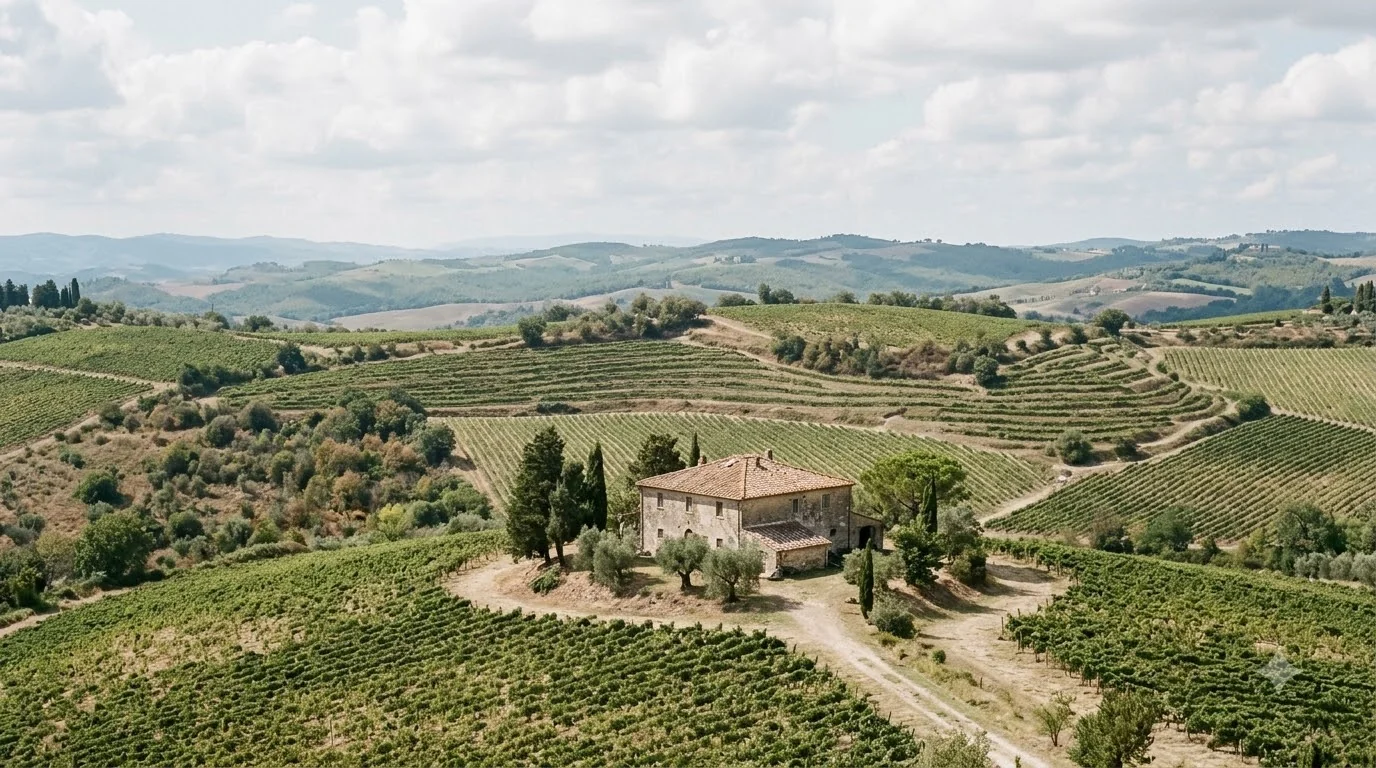
In Bordeaux, Sémillon accounts for roughly half of all white grapevines planted across the region. In dry appellations such as Pessac-Léognan, Graves, and Entre-Deux-Mers, it is routinely blended with Sauvignon Blanc—which brings crisp herbal acidity—while Sémillon contributes body and age-worthy texture. Further south along the Garonne and Ciron rivers in Sauternes and Barsac, morning river mists foster noble rot, allowing Sémillon to dominate blends that are famously sweet and capable of aging for decades.
Outside France, Australia’s Hunter Valley has turned single-varietal dry Sémillon into an iconic regional specialty. As Wine Enthusiast’s global guide to Sémillon notes, Australian winemakers harvest the grapes early to preserve brisk acidity and bottle the wine without oak at around 10.5 percent to 11.5 percent ABV, creating a light-bodied white that evolves toasty, honeyed depth after six or more years in bottle. In Western Australia’s Margaret River, South Africa’s Franschhoek, Argentina’s Mendoza, and Washington’s Columbia Valley, producers craft fuller-bodied dry Sémillon and Bordeaux-style blends with ripe orchard fruit and vibrant freshness.
How to Serve
Proper serving temperature and glassware ensure Sémillon’s delicate aromatics and trademark waxy texture shine without feeling heavy or muted. Dry and sweet styles require slightly different chill levels to keep their acidity crisp.
Serve dry Sémillon lightly chilled between 45°F and 55°F (7°C to 12°C), which translates to roughly 90 minutes in a standard refrigerator before opening. Serving a fuller-bodied or oak-aged dry Sémillon too cold masks its chamomile, beeswax, and stone-fruit aromatics, while serving it too warm can make the moderate acidity feel flat. Sweet Sémillon wines like Sauternes benefit from a slightly deeper chill around 43°F to 48°F so their bright acidity cuts cleanly through the rich residual sugar.
A standard medium-bowled white wine glass works well for both dry and sweet Sémillon, giving the bouquet enough surface area to open up while directing the wine smoothly across the palate. Young dry bottles rarely need decanting, though older dry vintages or rich oak-aged blends from Pessac-Léognan can benefit from 20 to 30 minutes of air in the glass. Sweet Sémillon is typically poured in smaller two- to three-ounce dessert servings and can be recorked and kept in the refrigerator for up to a week or two after opening.
Tip: If you are new to Sémillon and want a guaranteed dry bottle, look for “Hunter Valley Semillon” or “Bordeaux Blanc” on the front label; if the label reads “Sauternes” or “Barsac,” expect a rich dessert wine.
Food Pairing
Sémillon’s combination of medium-to-full body, waxy texture, and bright citrus notes makes it remarkably flexible at the dinner table. Dry versions bridge the gap between crisp, high-acid whites and richer oaked styles, while sweet versions anchor savory appetizers and desserts alike.
Unoaked, citrus-driven dry Sémillon pairs effortlessly with delicate seafood, including raw oysters, seared scallops, crab cakes, sushi, and grilled white fish dressed with lemon and herbs. Fuller-bodied dry Sémillon and oak-aged White Bordeaux blends have enough textural weight to stand up to roast chicken, pork tenderloin, creamy mushroom risotto, and vegetable dishes featuring roasted squash or fennel. Their subtle herbal and honeyed undertones also handle aromatic spices like coriander, turmeric, ginger, and mild curry without clashing.
Sweet Sémillon plays by a different set of culinary rules, thriving alongside salty, rich, or mildly spicy foods that balance its sugar. Classic pairings include blue-veined cheeses such as Roquefort or Stilton, aged Comté, pâté, and seared foie gras, where the wine’s acidity and apricot-honey notes slice through the richness. For dessert, pair sweet Sémillon with fruit tarts, crème brûlée, or salted caramel treats rather than overly sugary chocolate dishes, which can make the wine taste dull.
How to Choose a Bottle
Because producers rarely print “dry” or “sweet” prominently on the front label, learning a few regional cues helps you pick the exact style you want. Exploring different wine types becomes much easier once you connect appellation names with sweetness levels.
For a crisp, refreshing dry experience, look for bottles labeled Hunter Valley Semillon from Australia, dry Bordeaux Blanc, Entre-Deux-Mers, Graves, or Pessac-Léognan from France, or Sauvignon Blanc–Sémillon blends from Margaret River. Checking the alcohol percentage on the back label also provides a helpful clue: dry Sémillon from cooler sites often sits between 10.5 percent and 12.5 percent ABV, whereas ripe New World dry bottlings from Washington or California tend to reach 13 percent to 14 percent ABV.
When you specifically want a sweet dessert wine, look for bottles sold in 375-milliliter half-bottles carrying French appellations such as Sauternes, Barsac, Cadillac, Loupiac, or Sainte-Croix-du-Mont. Outside France, sweet versions are usually labeled “Late Harvest Sémillon” or “Botrytis Sémillon.” If you prefer lighter, lower-alcohol sweetness with floral fizz, you might also compare how Sémillon stacks up against Moscato’s sweetness profile or check whether a crisp pink wine fits your palate by reading about dry versus sweet rosé.
Frequently Asked Questions
Is Sémillon sweeter than Sauvignon Blanc?
In dry styles, Sémillon and Sauvignon Blanc both contain virtually zero residual sugar, so neither is technically sweeter than the other. However, Sémillon has lower natural acidity and a fuller, waxier mouthfeel that can create an impression of soft richness compared to Sauvignon Blanc’s sharp, zesty bite. Sweet Sémillon wines like Sauternes, on the other hand, are dramatically sweeter than typical Sauvignon Blanc.
Is White Bordeaux made with Sémillon dry or sweet?
Most White Bordeaux labeled simply as Bordeaux Blanc, Entre-Deux-Mers, Graves, or Pessac-Léognan is completely dry. Sweet Sémillon-based wines from Bordeaux carry their own specific dessert appellation names on the label, most notably Sauternes and Barsac. Checking the appellation name on the front label is the fastest way to tell them apart.
Why does dry Sémillon taste honeyed or waxy?
Sémillon naturally possesses distinct aroma compounds and a fuller mid-palate texture that reviewers often compare to lanolin or beeswax. As dry Sémillon ages in the bottle—especially unoaked examples from Australia’s Hunter Valley—chemical compounds evolve to create flavors of toasted nuts, lemon curd, and wildflower honey even though the wine remains completely dry.
How does sweet Sémillon compare to sparkling wine sweetness?
Noble-rot Sémillon wines like Sauternes are full-bodied, still dessert wines with intense residual sugar, whereas most traditional sparkling wines are fermented dry with lively carbonation. If you enjoy crisp bubbles rather than lush honeyed textures, exploring how dry Brut Champagne actually is offers a helpful point of comparison.
Whether you uncork a zesty, unoaked Australian bottle for weeknight seafood or pour a golden glass of Sauternes alongside blue cheese, Sémillon rewards anyone willing to look beyond everyday white grapes. Once you know which regional names signal dry versus sweet styles, choosing the right bottle becomes effortless.
More in Wine Types & Grapes
 Zinfandel Sugar Content: Dry Red vs. White Zinfandel GramsUpdated Nov 21, 2026
 Best Zinfandel Substitute Options for Sipping and CookingUpdated Nov 21, 2026
 Zweigelt Food Pairing: Best Dishes, Cheeses, and Serving TipsUpdated Nov 21, 2026
 Zinfandel Tannins Explained: How Structure Shapes Every BottleUpdated Nov 21, 2026
 Zinfandel Sweetness Level: Dry Red vs. Sweet White Zin ExplainedUpdated Nov 21, 2026
 Xinomavro Food Pairing: Best Dishes, Styles, and Serving TipsUpdated Nov 21, 2026