

We may earn a commission when you buy through links on this page, at no extra cost to you. Learn more.
If you are asking is sauvignon blanc vegan, the short answer is that not every bottle is, because winemakers sometimes use animal-derived fining agents to clarify the wine before bottling. While the grapes and yeast themselves are entirely plant-based, traditional clarification aids like casein (milk protein), isinglass (fish swim bladders), gelatin, or egg whites can be added during cellar processing. Fortunately, many modern wineries rely on vegan-friendly mineral clays like bentonite or skip fining altogether, making plenty of Sauvignon Blanc bottles completely suitable for a vegan diet.
Because wine labels in the United States are not legally required to list processing aids, figuring out whether a crisp bottle of white wine fits a plant-based lifestyle takes a little label literacy. Understanding how winemakers clarify cloudy juice—and which clues signal a cruelty-free bottle—makes shopping for vegan Sauvignon Blanc straightforward.
Why Sauvignon Blanc Isn’t Always Vegan
Freshly fermented Sauvignon Blanc is naturally hazy, filled with microscopic proteins, yeast cells, and tartrates suspended in the liquid. To make the wine visually bright and stable in the bottle, winemakers typically clarify it through a process called fining before it ever reaches store shelves.
According to Master of Wine Anne Krebiehl in Wine Enthusiast’s guide to vegetarian and vegan wine, fining agents act like tiny magnets that bind to unwanted, positively or negatively charged particles in the wine. Once clumped together, these solids grow heavy and sink to the bottom of the tank so the clear wine can be racked off the top. Even though the fining agent itself is removed along with the sediment, the use of an animal-derived processing aid means the resulting wine is not considered vegan.
Sauvignon Blanc is particularly susceptible to protein haze and premature browning, which is why winemakers frequently reach for specific clarifying agents tailored to aromatic white wines. Historically, milk-derived casein and fish-derived isinglass have been favored for white varieties because they polish the wine’s appearance without stripping away its bright citrus and herbal aromatics.
Common Animal vs. Vegan Fining Agents
Winemakers have a wide toolkit of both animal-based and plant- or mineral-based substances to clarify Sauvignon Blanc. Knowing the difference between these processing aids clarifies why two bottles from the same region can have completely different dietary statuses.
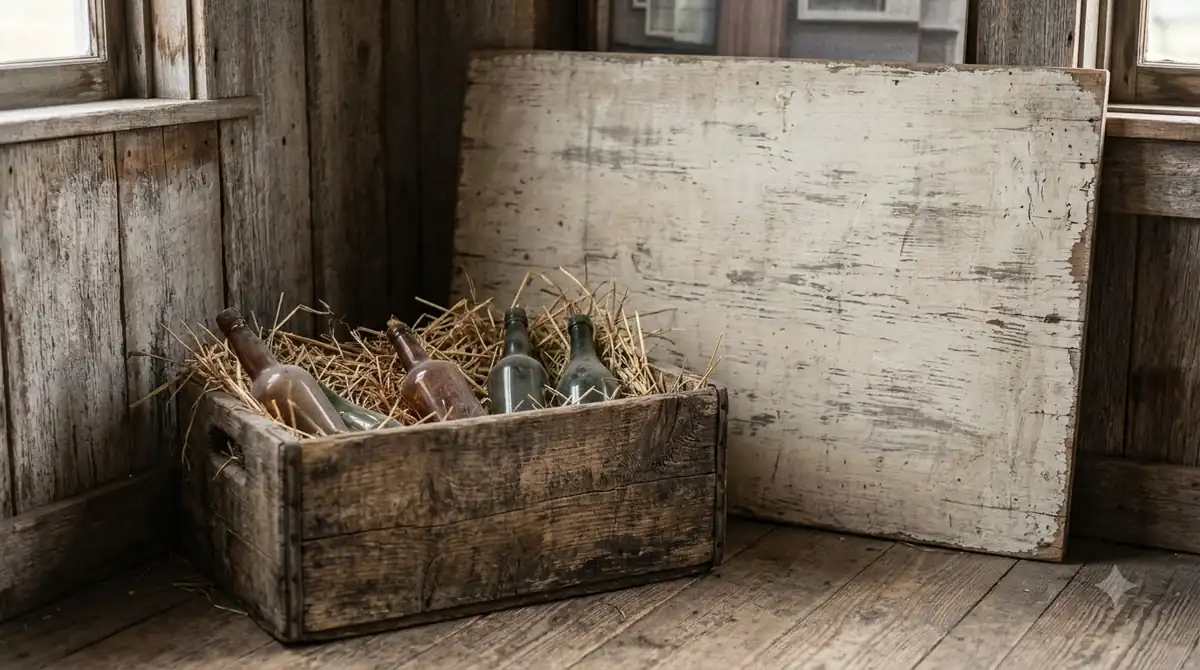
Animal-derived fining agents are divided into those acceptable for lacto-ovo vegetarians and those that exclude both vegetarians and vegans. Casein, a protein extracted from milk, and skim milk itself are widely used in crisp white wines like Sauvignon Blanc to remove oxidative taint and create brilliant clarity. Egg albumen (egg whites) is more common in red wines to soften tannins, though it occasionally appears in barrel-fermented whites, while gelatin (from animal hides and bones) and isinglass (from fish swim bladders) render a wine off-limits for vegetarians and vegans alike.
On the vegan side, bentonite is by far the most common clarifying agent used in Sauvignon Blanc production. Bentonite is a naturally occurring, negatively charged mineral clay that binds to unstable grape proteins and settles them out of the wine, making it both clear and heat-stable. Wineries also utilize synthetic polymers like PVPP (poly-vinyl-poly-pyrrolidone) to reduce bitterness, activated charcoal to strip off-odors, or plant-based proteins derived from peas and potatoes.
| Fining Agent | Source Material | Purpose in White Wine | Vegan Status |
|---|---|---|---|
| Bentonite | Purified mineral clay | Binds haze-forming proteins and improves heat stability | Vegan |
| PVPP | Synthetic polymer | Absorbs excess phenols to prevent browning and bitterness | Vegan |
| Pea or Potato Protein | Legume or tuber plants | Clarifies suspended solids and softens harsh phenolics | Vegan |
| Casein | Milk protein | Removes oxidative taint and gives brilliant clarity | Vegetarian only (Not vegan) |
| Isinglass | Fish swim bladders | Clarifies suspended solids and brightens color | Not vegan or vegetarian |
| Gelatin | Animal hides and bones | Removes bitterness and brightens color | Not vegan or vegetarian |
| Egg Albumen | Egg whites | Softens astringency in oak-aged wines | Vegetarian only (Not vegan) |
Beyond Fining: Vineyard Practices and Packaging
While cellar fining is the primary hurdle for vegan wine drinkers, strict vegans also look at how the grapes were farmed and how the bottle was sealed. A bottle made without animal fining agents can still intersect with animal products at either end of the production timeline.
In the vineyard, conventional, organic, and biodynamic growers sometimes rely on animal-derived fertilizers such as bone meal, blood meal, fish emulsion, or livestock manure to nourish the soil. Biodynamic viticulture in particular uses specific agricultural preparations packed inside animal organs or horns, which some strict vegans choose to avoid in favor of wineries practicing “veganic” farming with purely plant-based composts and cover crops.
Packaging materials introduce another subtle detail on the bottling line. Some producers seal their flagship bottles with natural beeswax capsules instead of tin or foil, and certain agglomerated corks are bound together using milk-based casein glues. Choosing bottles with screw caps—which are especially popular on modern Sauvignon Blancs from New Zealand, Australia, and California—or synthetic closures avoids animal-derived adhesives and wax entirely.
How to Tell If a Sauvignon Blanc Is Vegan
Because US federal labeling regulations do not require wineries to disclose fining agents on the back label, identifying a vegan Sauvignon Blanc requires looking for specific voluntary certifications, production terms, and third-party databases. As VinePair explains in its breakdown of vegan and vegetarian wine, bottle labels rarely tell the whole story unless a producer actively chooses to advertise its cellar methods.
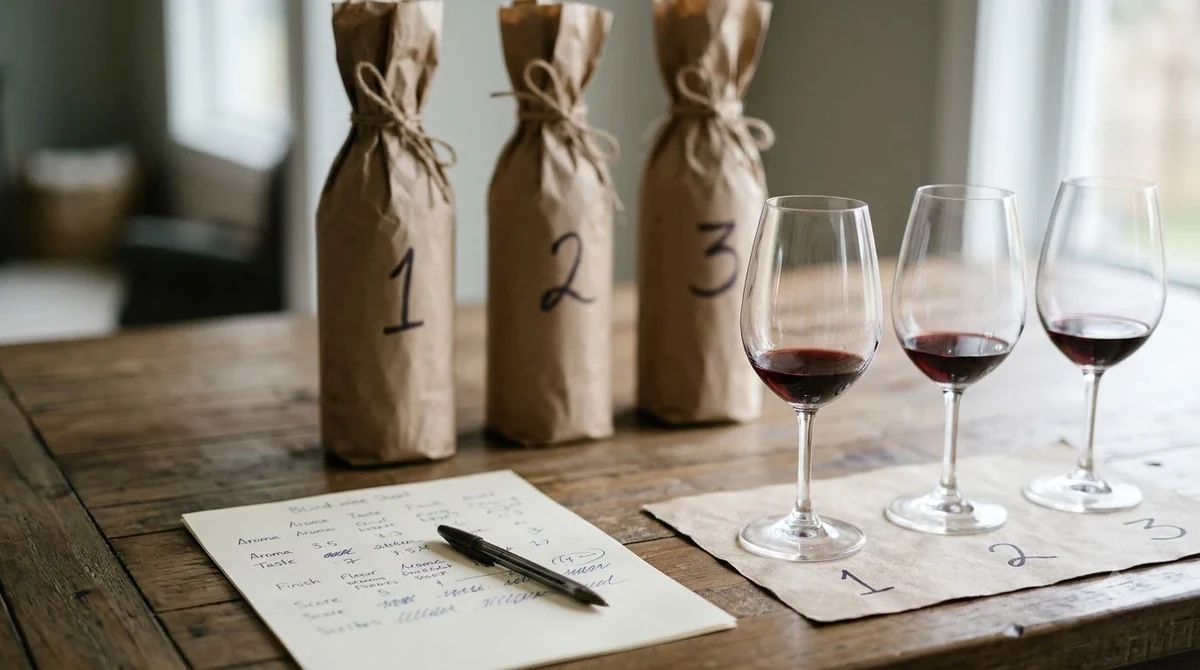
First, inspect the back label for official third-party certification logos, such as the Vegan Trademark from The Vegan Society, the European V-Label, or BeVeg. Many eco-conscious wineries also print simple text statements like “Vegan Friendly” or “Made without animal products” directly near the barcode. Keep in mind that terms like “organic” or “biodynamic” govern vineyard farming rather than cellar fining, so an organic Sauvignon Blanc can still be fined with casein or egg whites.
Second, look for the word “unfined” on the label or the winery’s technical sheet. An unfined wine skips the chemical clarification step altogether, relying instead on cold temperatures, gravity settling over time, or mechanical filtration to achieve clarity. Note that “unfiltered” is not the same as “unfined”—a winemaker can fine a wine with isinglass and then bottle it without passing it through a physical filter pad.
Third, check crowd-sourced and producer-verified directories like Barnivore before you shop, or email the winery directly. Because Sauvignon Blanc is typically bottled young and fresh, many large-scale producers rely exclusively on bentonite clay for protein stability, meaning a quick look at a producer’s technical sheet often confirms that an entire lineup is vegan-friendly.
Tip: When shopping for Sauvignon Blanc, look for bottles sealed with a screw cap and labeled “unfined” or “vegan friendly”—modern stainless-steel whites commonly use mineral bentonite clay rather than animal proteins.
Serving and Pairing Vegan Sauvignon Blanc
Once you have tracked down a verified vegan bottle, serving and pairing it follows the exact same principles as any classic Sauvignon Blanc. Proper temperature and thoughtful plant-based food matches bring out the grape’s signature zesty acidity and vibrant aromatics.
Serve crisp, unoaked Sauvignon Blanc well chilled, ideally between 45 and 50 degrees Fahrenheit, to keep its citrus, green apple, and herbal notes sharp and refreshing. If you are pouring a richer, barrel-fermented style such as a California Fumé Blanc or a white Bordeaux blend, letting it warm slightly toward 50 to 55 degrees allows its toasted oak and stone fruit layers to open up. For exact glassware and chilling timelines, check our complete guide on how to serve sauvignon blanc, or review how long does sauvignon blanc last unopened if you are stocking up for an upcoming dinner party.
At the table, Sauvignon Blanc’s electric acidity makes it one of the most versatile partners for vegan cooking. Its grassy, herbaceous aromatics naturally mirror fresh herbs like cilantro, basil, mint, and dill, making it an effortless match for green salads, herb-roasted asparagus, artichoke dishes, and vegan pesto pasta. Richer, plant-based dishes—such as creamy cashew cheeses, avocado toast, fried tofu, or coconut-milk Thai curries—also shine alongside Sauvignon Blanc because the wine’s brisk acid cuts right through creamy textures and brightens savory spices. If you are browsing broader dietary categories across the wine aisle, you can also explore is sauvignon blanc gluten free or browse our overview of Wine by Type.
Frequently Asked Questions
Is New Zealand Sauvignon Blanc usually vegan?
Many New Zealand Sauvignon Blancs are vegan because producers widely favor mineral bentonite clay to stabilize white wines rather than animal proteins. However, because individual wineries still occasionally use casein or isinglass, you should always check the back label or producer technical sheet for confirmation.
Does organic or biodynamic Sauvignon Blanc automatically mean it is vegan?
No, organic and biodynamic certifications regulate how the grapes are farmed in the vineyard rather than what processing aids are used in the cellar. Both organic and biodynamic standards permit animal-derived fining agents such as egg whites, casein, and isinglass.
Are traces of animal fining agents actually left inside the finished wine?
Fining agents are designed to bind to suspended particles, sink to the bottom of the tank, and be left behind when the clear wine is racked off. While only microscopic trace amounts could potentially remain, strict vegans avoid fined wines because animal products were used as an essential part of production.
Is unfiltered Sauvignon Blanc always vegan?
Not necessarily, because fining and filtration are two separate cellar steps. A winemaker can clarify a wine using an animal-derived fining agent like casein and still bottle it without running it through a mechanical filter, so look for the word “unfined” rather than “unfiltered.”
Finding a vegan Sauvignon Blanc comes down to looking past the grape variety itself and checking how the wine was clarified in the cellar. By scanning back labels for vegan certifications, favoring bentonite-fined or unfined bottles, and verifying producers when in doubt, you can enjoy this crisp white wine with complete confidence.
More in Wine Types & Grapes
 Zinfandel Sugar Content: Dry Red vs. White Zinfandel GramsUpdated Nov 21, 2026
 Best Zinfandel Substitute Options for Sipping and CookingUpdated Nov 21, 2026
 Zweigelt Food Pairing: Best Dishes, Cheeses, and Serving TipsUpdated Nov 21, 2026
 Zinfandel Tannins Explained: How Structure Shapes Every BottleUpdated Nov 21, 2026
 Zinfandel Sweetness Level: Dry Red vs. Sweet White Zin ExplainedUpdated Nov 21, 2026
 Xinomavro Food Pairing: Best Dishes, Styles, and Serving TipsUpdated Nov 21, 2026