

We may earn a commission when you buy through links on this page, at no extra cost to you. Learn more.
No, is sauvignon blanc full bodied is generally answered with a clear no—most bottles are light- to medium-bodied white wines defined by crisp, high acidity. While standard stainless-steel versions feel lean, zesty, and refreshing on the palate, specific winemaking techniques can push the weight higher. Oak-aged expressions, such as white Bordeaux from Pessac-Léognan or California Fumé Blanc, develop a fuller, creamier texture that approaches a medium-plus or full body.
Understanding how weight works in white wine helps explain why one bottle of Sauvignon Blanc feels like a squeeze of fresh lime while another carries a rich, silky mouthfeel. Everything comes down to grape ripeness, fermentation vessels, and regional climate rather than a single rigid rule. Exploring these variables makes it much easier to pick the exact texture you want in your glass, whether you are shopping for a bright patio sipper or a structured dinner wine.
What it is
Sauvignon Blanc is an aromatic green-skinned grape variety originally from western France that has become one of the most widely planted white wine grapes in the world. According to Wine Folly, global plantings span more than 275,000 acres across both Old World and New World regions, driven by the grape’s unmistakable herbal character and mouthwatering brightness. For anyone browsing Wine by Type, it sits firmly among the crisp, dry whites rather than the heavy, plush styles.
In wine tasting, “body” describes how heavy or viscous a liquid feels on your tongue—similar to the difference between skim milk, whole milk, and heavy cream. Wine Enthusiast notes that Sauvignon Blanc is generally light- to medium-bodied with moderate alcohol levels and virtually zero tannin. Because most producers ferment the juice in inert stainless steel or concrete vats to preserve freshness, the resulting wine feels brisk, streamlined, and electric rather than dense.
Natural chemistry gives the grape its signature lift. Aromatic compounds called pyrazines create fresh green notes of cut grass, bell pepper, and jalapeño, while sharp natural acidity keeps the palate feeling clean. Even when a winemaker leaves a tiny hint of residual sugar to balance extreme tartness, the overall impression remains lively and agile rather than heavy.
Flavor and styles
Although the baseline profile leans crisp and herbaceous, Sauvignon Blanc actually spans a spectrum of weights depending on how it is made. At the lighter end, unoaked bottlings emphasize citrus, green herbs, and wet stone, whereas oak-fermented or barrel-aged styles gain noticeable volume and a rounded, waxy finish.
The classic unoaked style is what most drinkers picture first. Fermented cold in stainless steel, these wines highlight lime zest, grapefruit, gooseberry, passionfruit, and freshly snipped herbs. Without oak contact or heavy lees stirring, the texture stays light, snappy, and razor-sharp, making it an effortless match for warm weather and lighter dishes.
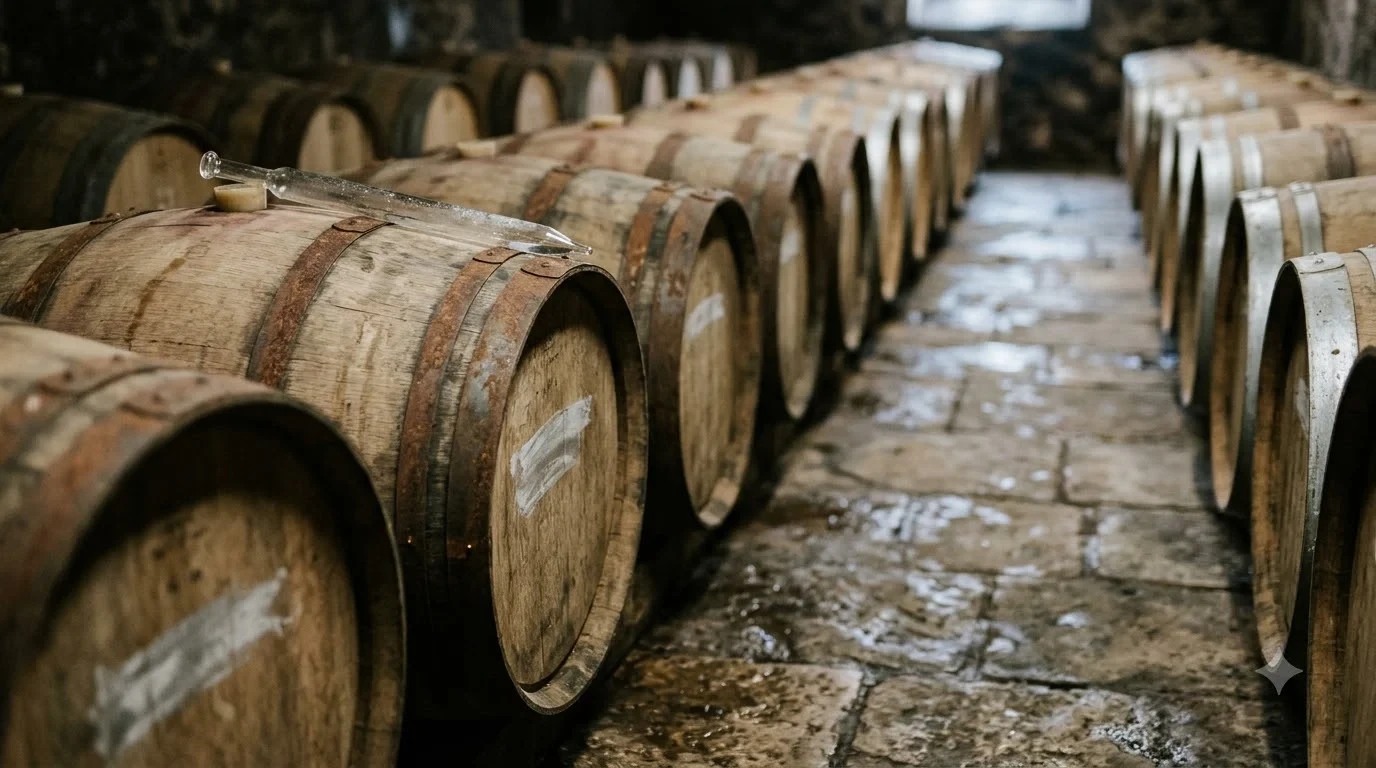
On the opposite end sits the barrel-fermented and blended style, which answers the occasional exception to the light-bodied rule. Wine Enthusiast points out that top white wines from Bordeaux’s Pessac-Léognan district—often blended with Sémillon and aged in oak—achieve a rich, full-bodied weight. Similarly, VinePair’s overview of global Sauvignon Blanc regions highlights how California producers frequently use oak aging under the name Fumé Blanc to build a plush, layered texture with notes of lemon curd, beeswax, and toasted nuts.
| Style | Typical Body | Primary Flavors | Winemaking Influence |
|---|---|---|---|
| Classic Unoaked (e.g., Loire Valley) | Light | Lime, green grass, gooseberry, chalky minerals | Stainless steel or concrete fermentation; no oak |
| Vibrant New World (e.g., Marlborough) | Light-Medium | Passionfruit, grapefruit, jalapeño, tomato leaf | Cool stainless steel; occasional trace residual sugar |
| Warm-Climate / Ripe (e.g., Napa Valley) | Medium | White peach, honeydew melon, ruby grapefruit | Warmer growing season yields riper fruit and fuller mid-palate |
| Oak-Aged / Blended (e.g., Pessac-Léognan, Fumé Blanc) | Medium-Full to Full | Lemon curd, honeysuckle, beeswax, subtle vanilla | Barrel fermentation, oak aging, lees contact, or Sémillon blending |
Where it grows
Climate and soil shape the body of Sauvignon Blanc just as much as cellar choices do. Cool regions lock in brisk acidity and keep the frame lean, while warmer sunshine ripens the fruit sugars further, producing a rounder, slightly heavier mouthfeel.
France’s Loire Valley is the spiritual home of lean, mineral-driven Sauvignon Blanc, particularly in appellations like Sancerre and Pouilly-Fumé. Grown on limestone, chalk, and flint soils, these wines show a light to light-medium body defined by citrus pith, green apple, and subtle smoky minerality. Further southwest in Bordeaux, white blends from Graves and Pessac-Léognan bring Sémillon into the mix alongside barrel aging, yielding a noticeably broader, oilier texture.
In the Southern Hemisphere, New Zealand’s Marlborough region revolutionized modern white wine with pungent, fruit-forward bottles bursting with passionfruit, lime, and cut grass. According to Wine Folly’s regional Sauvignon Blanc guide, Marlborough bottlings typically sit in a weightier light-medium bracket, partly because cool temperatures concentrate fruit intensity and winemakers sometimes retain a gram or two of residual sugar to balance the sharp acidity. Meanwhile, regions like California’s Napa Valley, Chile’s Casablanca Valley, and South Africa’s coastal zones offer everything from zippy, saline coastal styles to riper, medium-bodied expressions.
How to serve
Serving temperature plays a surprisingly big role in how heavy or light a white wine feels in your mouth. Serving Sauvignon Blanc too warm dulls its signature acidity and can make even a crisp bottle feel flabby, whereas serving it straight out of an ice bucket mutes its aromatic complexity.
Wine Folly recommends serving unoaked Sauvignon Blanc at around 45°F (7°C)—roughly the temperature you get by pulling a chilled bottle from the refrigerator about 20 minutes before pouring. At this cool setting, the citrus and herbal aromatics stay vibrant while the crisp acid structure feels refreshing and precise. If you are pouring a richer, barrel-aged white Bordeaux or California Fumé Blanc, letting it warm slightly closer to cellar temperature opens up the creamy, nutty layers without sacrificing freshness.
Glassware also reinforces the wine’s natural agility. A standard white wine glass with a medium-sized bowl funnels the grassy and tropical aromatics straight to the nose while directing the wine toward the center of the palate. For extra guidance on chilling times, glassware shapes, and storage after opening, check out our dedicated guide on how to serve sauvignon blanc.
Tip: If a bottle of Sauvignon Blanc tastes overly sharp or muted right out of the fridge, let your poured glass sit on the table for five to ten minutes—a slight rise in temperature softens the acid edge and brings out hidden stone fruit and floral notes.
Food pairing
Because Sauvignon Blanc is rarely full-bodied, it shines alongside dishes that would get overwhelmed by a heavy, oaky red or a rich Chardonnay. Its high acidity acts like a squeeze of fresh lemon on food, cutting through richness and refreshing your palate between bites.
Classic pairings lean into the wine’s herbal DNA. Dishes loaded with fresh green herbs—such as parsley, basil, cilantro, dill, mint, or tarragon—echo the grape’s natural pyrazine compounds instead of clashing with them. In the Loire Valley, a plate of tangy local goat cheese (Crottin de Chavignol) with crisp Sancerre remains one of the food world’s benchmark pairings because the wine’s brisk acidity matches the cheese’s bright, creamy tang.
Seafood and lighter proteins also match the wine’s weight effortlessly. Delicate white fish like sole, cod, halibut, and sea bass, along with shellfish such as crab, mussels, and oysters, mirror a light- to medium-bodied pour. When you step up to a riper, medium-bodied Napa Sauvignon Blanc or an oak-aged white Bordeaux, the extra weight can comfortably handle roast chicken, pork chops, or creamy vegetable pastas.
How to choose a bottle
You can predict whether a bottle of Sauvignon Blanc will feel featherlight or noticeably fuller simply by reading the front label for region and winemaking clues. Knowing a few key terms saves you from guessing in the wine aisle.
If you want the classic, ultra-crisp, light-bodied style, look for cool-climate appellations and stainless-steel cues. Labels reading Sancerre, Pouilly-Fumé, Touraine, Marlborough, or Casablanca Valley almost always deliver bright acidity, citrus drive, and a clean, unoaked finish. Many producers also print words like “unoaked,” “stainless steel fermented,” or “crisp” on the back label to signal a lean profile.
If you prefer a fuller, richer mouthfeel that bridges the gap toward Chardonnay, look for specific regional and stylistic markers. Bottles labeled Pessac-Léognan, Graves, or California “Fumé Blanc” frequently incorporate barrel fermentation, oak aging, or Sémillon blending to build weight and texture. Keep in mind that while Sauvignon Blanc is a biological parent of Cabernet Sauvignon, the two wines sit at opposite ends of the weight spectrum—as we break down in our look at whether is cabernet sauvignon full bodied.
Frequently Asked Questions
Is Sauvignon Blanc heavier or lighter than Pinot Grigio?
Sauvignon Blanc is typically slightly fuller and more intensely aromatic than standard Italian Pinot Grigio. While Pinot Grigio often feels very light, neutral, and delicate, Sauvignon Blanc carries a bit more mid-palate punch, sharper acidity, and bold herbaceous or tropical fruit flavors.
Why do some Sauvignon Blancs feel richer than others?
Differences in body usually come down to climate, oak aging, and grape blending. Warmer regions like Napa Valley produce riper grapes with higher alcohol and fuller fruit texture, while winemakers in Bordeaux and California sometimes ferment the wine in oak barrels or blend it with Sémillon to add creamy weight.
Is Sauvignon Blanc a dry white wine?
Yes, almost all Sauvignon Blanc is fermented to dryness, meaning yeast converts virtually all of the grape sugar into alcohol. A few producers—especially in high-acid regions like Marlborough—leave a tiny trace of residual sugar to balance the sharp tartness, though the wine still tastes crisp and dry.
Does Sauvignon Blanc have tannins like red wine?
No, Sauvignon Blanc has negligible tannin because the juice is pressed off the grape skins quickly before fermentation. Instead of relying on tannic grip for structure, the wine gets its backbone and freshness from bright natural acidity.
Whether you reach for a zesty, stainless-steel bottle from New Zealand or a barrel-aged white Bordeaux with extra texture, Sauvignon Blanc remains one of the most versatile whites at the table. Paying attention to the region and fermentation style on the label ensures you always bring home the exact weight and flavor profile your meal calls for.
More in Wine Types & Grapes
 What Does Mourvèdre Taste Like? Flavor Profile, Regions, and PairingsUpdated Nov 20, 2026
 What Does Marsanne Taste Like? Flavors, Styles, and Food PairingsUpdated Nov 20, 2026
 What Does Malvasia Taste Like? Styles, Flavors, and Food PairingsUpdated Nov 20, 2026
 What Does Grenache Blanc Taste Like? Flavor Profile, Styles, and PairingsUpdated Nov 20, 2026
 What Does Garnacha Taste Like? Key Flavors, Styles, and Pairing TipsUpdated Nov 20, 2026
 What Does Fruit Wine Taste Like? A Complete Flavor and Style BreakdownUpdated Nov 20, 2026