
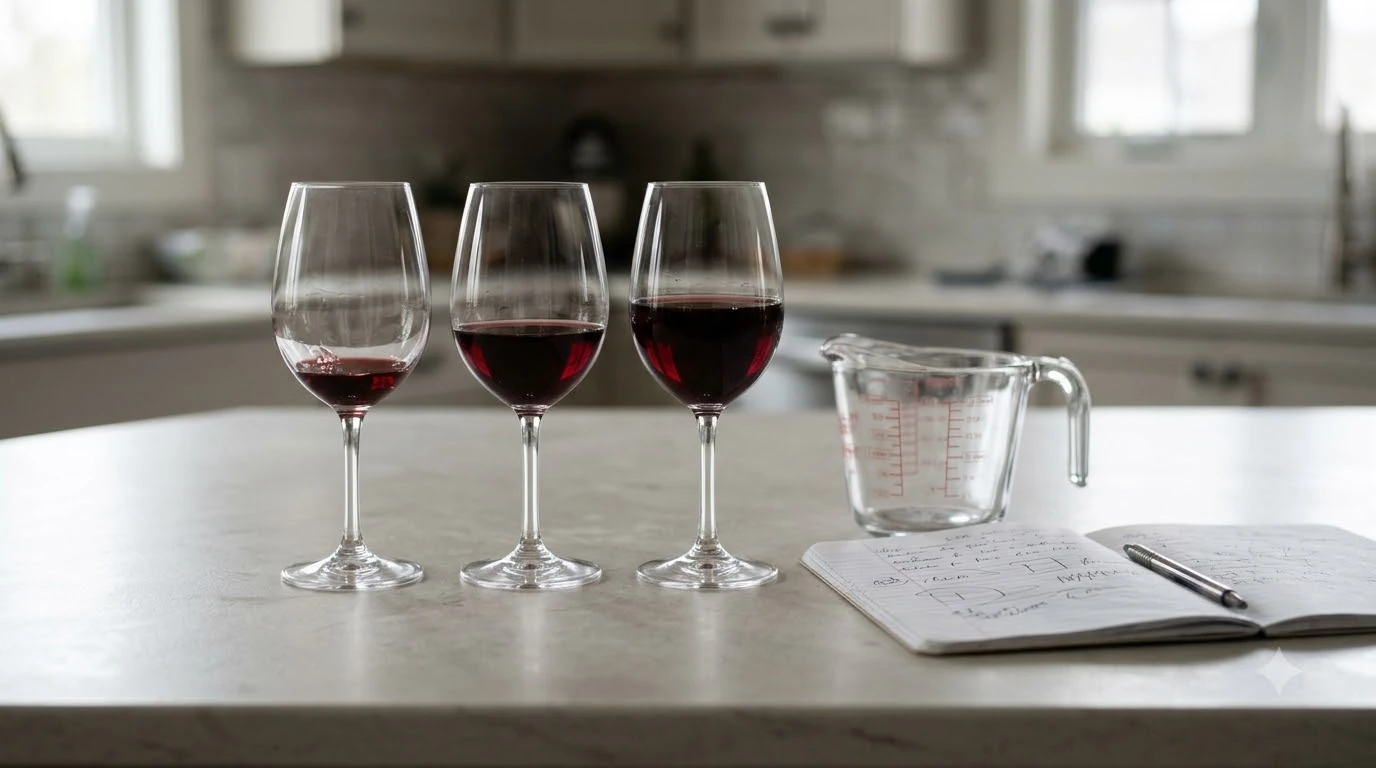

We may earn a commission when you buy through links on this page, at no extra cost to you. Learn more.
If you are wondering is ruby port sweet or dry, the answer is straightforward: ruby port is distinctly sweet. Winemakers fortify the fermenting grape juice with a neutral grape spirit, halting yeast activity early so natural grape sugars remain in the bottle alongside an alcohol content around 19% to 22% ABV. Unlike dry table wines that ferment to completion, ruby port delivers concentrated sweetness balanced by bright acidity and firm red-wine tannins.
Because it ages briefly in large wooden vats rather than small oxidative barrels, ruby port preserves its vibrant crimson color and fresh dark-berry character. Understanding how this fortification process shapes its sugar levels, mouthfeel, and serving habits helps you pour the right glass at the end of dinner or build an effortless cheese board.
What Ruby Port Is and Why It Tastes Sweet
Ruby port is a young, red fortified wine produced exclusively in Portugal’s Douro Valley, crafted to showcase primary fruit flavors and rich sweetness rather than extended oak aging. Its residual sugar typically sits near 95 to 100 grams per liter, placing it firmly in the sweet dessert-wine category.

The sweetness in ruby port comes directly from the grapes rather than added table sugar. During fermentation, yeast naturally consumes grape sugars and converts them into alcohol and carbon dioxide. Roughly halfway through this process, winemakers add a clear, neutral grape spirit—known locally as aguardente—that measures around 77% alcohol by volume. Raising the overall alcohol level to roughly 19% or 20% kills the yeast immediately, leaving unfermented grape sugar suspended in the liquid.
By comparison, standard dry red wines ferment until nearly all sugar disappears, finishing around 12% to 15% ABV with less than 4 grams of residual sugar per liter. Even if you explore broader categories across Wine by Type, fortified wines stand apart because alcohol and sugar coexist at high concentrations. In ruby port, natural acidity from indigenous Douro grapes and chewy grape-skin tannins keep that residual sugar from feeling cloying or syrupy on your palate.
Under regulations set by the Instituto dos Vinhos do Douro e Porto (IVDP), ruby port spends an average of two to three years resting in massive oak vats or stainless steel tanks. Because these large vessels expose very little surface area to oxygen, the wine retains its deep garnet-ruby hue and fresh, jammy fruit profile right up until bottling.
Flavor Profile and Styles Within the Ruby Family
Standard ruby port bursts with ripe blackberry, black cherry, raspberry, and dark plum notes layered over subtle hints of cinnamon and cocoa. Stepping up the ruby hierarchy introduces progressively deeper structure, longer aging potential, and more complex tertiary flavors while keeping the core sweet profile intact.
While casual drinkers often treat ruby port as a single bottle style, producers actually bottle several tiers under the broader ruby umbrella. Entry-level ruby ports blend wines from multiple harvests to create a consistent, fruit-forward house style meant for immediate enjoyment. Reserve ruby ports draw from higher-quality lots with greater concentration, offering firmer tannins and richer dark-chocolate undertones.
Beyond standard blends sit Late-Bottled Vintage (LBV) and Vintage Ports, both of which belong to the ruby family. As Wine Folly’s guide to Port styles explains, LBV port comes from a single harvest and ages for four to six years in wood before bottling, creating a plush, ready-to-drink wine with softer tannins. True Vintage Port represents the pinnacle of the category—bottled unfiltered after roughly two years in wood during exceptional harvest years, it matures in glass for decades and develops savory notes of dried fig, leather, and spice.
| Port Style | Sweetness Level | Aging Method | Primary Flavors | Typical ABV |
|---|---|---|---|---|
| Standard Ruby Port | Sweet (~95–100 g/L residual sugar) | 2–3 years in large oak vats or steel | Blackberry, raspberry, plum, cinnamon | 19%–20% |
| Late-Bottled Vintage (LBV) | Sweet | 4–6 years in wood from one harvest | Black currant, dark cherry, cocoa | 19.5%–20% |
| Tawny Port (10–40 Year) | Sweet (tastes drier due to nuttiness) | Extended aging in small oak casks | Caramel, hazelnut, dried fig, orange peel | 19%–20% |
| Dry White Port | Dry to off-dry | Brief aging in steel or large wood | Citrus zest, baked apple, toasted almond | 18%–20% |
If you are comparing different bottles on the shelf and wondering is port sweet or dry across the entire Douro spectrum, remember that nearly all red port styles are sweet. Dryness only appears in specific white port bottlings labeled Dry or Extra Dry, which winemakers ferment longer before adding grape spirit.
Where Ruby Port Grows and How It Is Made
Every authentic bottle of ruby port originates in northern Portugal’s rugged Douro Valley, one of the world’s oldest demarcated wine regions. Steep terraced vineyards carved into schist hillsides bake under hot summer sun, concentrating natural sugars and thick skins in indigenous red grape varieties.
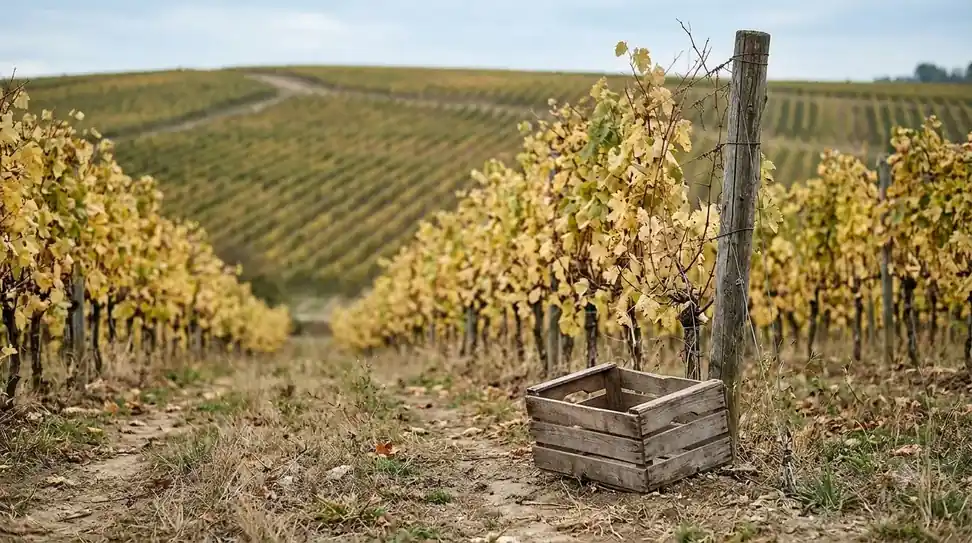
Winemakers rely on a traditional field blend of native Portuguese grapes rather than single-varietal bottlings. Five primary varieties anchor most ruby port blends: Touriga Nacional brings structure, blueberry aromatics, and violet notes; Touriga Franca adds bright raspberry and floral lift; Tinta Roriz (known as Tempranillo in Spain) contributes firm tannin; Tinta Barroca supplies generous fruit weight; and Tinto Cão provides crisp natural acidity.
Extracting maximum color and tannin in just two or three days—before fortification stops fermentation—requires intensive maceration. Many historic houses still use shallow granite troughs called lagares, where workers foot-tread grapes or mechanical pistons gently punch down the grape skins to extract rich pigment without crushing bitter seeds. Once the must reaches the target sweetness level, the winemaker runs the juice off the skins into vats containing aguardente, locking in the vibrant fruit profile.
How to Serve and Store Ruby Port
Serve ruby port slightly below room temperature at 54°F to 61°F (12°C to 16°C) in a small, tulip-shaped glass that holds a 3-ounce pour. Chilling the bottle briefly in the refrigerator for 20 to 30 minutes keeps the higher alcohol from tasting hot or overwhelming the bright berry fruit.
Pouring ruby port at warm room temperature—above 70°F—amplifies ethanol vapors on the nose and makes the residual sugar feel heavy. A proper tulip-shaped port glass tapers toward the rim to focus raspberry and dark-plum aromas while keeping portion sizes modest, since a 3-ounce pour delivers roughly the same alcohol as a standard 5-ounce glass of dry table wine.
Unlike aged Vintage Port, standard ruby port and filtered LBV bottles are fined and filtered prior to bottling, meaning they do not throw heavy sediment and require no decanting. Simply pull the cork and pour. Once opened, oxygen gradually dulls ruby port’s fresh fruit character, so recork the bottle tightly and store it upright in the refrigerator. According to Wine Folly’s Port wine overview, an opened bottle of ruby port stays vibrant for roughly 8 to 10 days—or up to two weeks when kept cold—far outlasting a standard dry red wine.
Tip: Put your bottle of ruby port in the refrigerator 30 minutes before dessert, then store the unfinished bottle inside the fridge with the cork pushed back in so the fresh berry aromas stay bright for up to two weeks.
Classic Food Pairings for Ruby Port
Ruby port pairs best with bold, salty cheeses and rich chocolate desserts that match its full body, firm tannins, and concentrated berry sweetness. Contrast and weight are the two rules that make these pairings work at the table.
The most celebrated savory match in the wine world pairs sweet ruby port with pungent, salty blue cheese such as English Stilton, Gorgonzola, or Roquefort. The creamy saltiness of the cheese cuts right through the wine’s 100 grams per liter of residual sugar, while the jammy blackberry fruit softens the sharp, tangy bite of the blue veins. Aged hard cheeses like sharp cheddar, aged Gouda, and Parmigiano-Reggiano work equally well alongside toasted walnuts and dried figs.
On the sweet side of the menu, match ruby port with desserts built around dark chocolate, espresso, or dark red berries rather than delicate vanilla pastries. A flourless chocolate torte, dark chocolate truffles, or black forest cake mirrors the wine’s cocoa and cherry depth without making the port taste thin. You can also simmer ruby port down in a saucepan with shallots and beef stock to create a glossy, sweet-savory pan reduction for seared duck breast or steak.
How to Choose a Bottle of Ruby Port
Choose an entry-level ruby port when you want bright, juicy berry flavor for casual sipping or pan sauces, and step up to a Reserve Ruby or Late-Bottled Vintage when you want richer dark-chocolate depth. All three tiers deliver reliable sweetness without requiring decades of cellar aging.
Reading the front label makes shopping the wine shelf simple. Bottles labeled simply “Ruby Port” represent the house’s approachable, everyday blend—bright, sweet, and ready to drink immediately. Bottles labeled “Reserve Ruby” or bearing proprietary reserve names undergo stricter selection by the producer and approved tasting panels at the IVDP, offering deeper color and more structured tannins.
If you want maximum flavor intensity for a special dinner without the decanting hassle or long aging window of Vintage Port, look for a filtered Late-Bottled Vintage (LBV) with a harvest year printed on the label. Meanwhile, if you find ruby port’s fresh berry sweetness a bit too bold and wonder is tawny port sweet or dry, tawny port offers a lighter-bodied, nutty, caramel-driven alternative that still carries sweet residual sugar.
Frequently Asked Questions
Is ruby port sweeter than tawny port?
Both ruby and tawny ports contain roughly the same amount of residual sugar, usually around 95 to 100 grams per liter. However, ruby port often tastes sweeter and juicier on the palate because its fresh blackberry and cherry flavors remain intact, whereas tawny port’s extended barrel aging introduces nutty, woody, and dried-fruit notes that create a drier impression.
Can you get a dry ruby port?
No, true ruby port is always made in a sweet style. Winemakers halt fermentation early by adding neutral grape spirit, ensuring natural grape sugars remain in the finished wine. If you want a dry fortified wine from Portugal’s Douro Valley, look for bottles labeled Dry White Port or Extra Dry White Port instead.
How does ruby port sweetness compare to Moscato?
Ruby port is noticeably richer, heavier, and higher in alcohol than Moscato, carrying roughly 19% to 20% ABV alongside dense red-wine tannins and dark berry fruit. If you are curious is moscato sweet or dry, Moscato d’Asti is also sweet, but it is a light-bodied, lightly sparkling white wine with low alcohol around 5% to 7% ABV and bright peach or orange-blossom aromas.
Do you need to refrigerate ruby port after opening?
Yes, storing an opened bottle of ruby port upright in the refrigerator slows oxidation and preserves its fresh berry aromas. While a corked bottle left at room temperature starts tasting flat after a few days, a refrigerated bottle keeps its vibrant fruit character for 8 to 14 days.
Ruby port offers an accessible, reliable introduction to sweet fortified wines, pairing lush dark-berry sweetness with enough acidity and tannin to hold its own beside bold cheeses and dark chocolate. Serve it slightly chilled in a small glass, keep the open bottle in your fridge, and you will get every bit of freshness the Douro Valley packed into the blend.
More in Wine Types & Grapes
 Zinfandel Sugar Content: Dry Red vs. White Zinfandel GramsUpdated Nov 21, 2026
 Best Zinfandel Substitute Options for Sipping and CookingUpdated Nov 21, 2026
 Zweigelt Food Pairing: Best Dishes, Cheeses, and Serving TipsUpdated Nov 21, 2026
 Zinfandel Tannins Explained: How Structure Shapes Every BottleUpdated Nov 21, 2026
 Zinfandel Sweetness Level: Dry Red vs. Sweet White Zin ExplainedUpdated Nov 21, 2026
 Xinomavro Food Pairing: Best Dishes, Styles, and Serving TipsUpdated Nov 21, 2026