


We may earn a commission when you buy through links on this page, at no extra cost to you. Learn more.
Albarino vs chardonnay comes down to freshness versus versatility: Albariño is generally a crisp, aromatic white wine with lively acidity and citrus flavors, while Chardonnay ranges from lean and mineral to rich, creamy, and oak-influenced. Albariño is particularly appealing with seafood, shellfish, and lighter meals, whereas Chardonnay can accompany everything from grilled fish to roast chicken and creamy pasta. The best choice depends on how much acidity, body, fruit, and oak character you enjoy.
Both grapes produce popular dry white wines, but they offer different drinking experiences. Albariño has a strong association with Spain’s Atlantic coast, especially Galicia, while Chardonnay is cultivated across major wine regions on several continents. Understanding their typical flavors, growing conditions, winemaking methods, and food pairings makes choosing between them much easier. There is also an important distinction within Chardonnay itself: an unoaked Chablis and a buttery California Chardonnay can taste almost like two different categories of wine.
Origin and Growing Conditions: Galicia Versus Burgundy and Beyond
Albariño is closely associated with northwestern Spain, while Chardonnay has a much wider international footprint. Their growing environments help explain why the two grapes often produce noticeably different wines.
Albariño is particularly identified with DO Rías Baixas in Galicia, an Atlantic-influenced wine region in northwestern Spain. The nearby ocean, relatively cool conditions, and mineral-rich soils help create wines with fresh fruit flavors and lively acidity. The region is also known as Green Spain because of its lush landscape and comparatively wet climate. Albariño is the flagship grape of this coastal area, and its wines have become popular in American restaurants, particularly alongside seafood. The Rías Baixas regional wine authority’s overview of geography and terroir provides further detail about the region’s Atlantic influence and five growing subregions.
Rías Baixas has five subregions: Val do Salnés, Condado do Tea, O Rosal, Soutomaior, and Ribeira do Ulla. Although Albariño is grown throughout the denomination, local conditions create differences in fruit expression and texture. Val do Salnés is particularly associated with the crisp, aromatic side of the grape, while other areas can produce wines with softer fruit or additional richness. These distinctions mean that not every Spanish Albariño tastes exactly the same.
Chardonnay has its historic home in Burgundy, France, but it is now cultivated in numerous wine-producing countries. Its adaptability allows it to perform in cool areas such as Chablis and the Sonoma Coast, as well as warmer locations such as Australia’s Barossa Valley. The climate influences ripeness, acidity, and fruit character, giving winemakers a broad range of possible styles.
Some important Chardonnay regions include Chablis, Côte de Beaune, and Mâconnais in Burgundy, as well as Napa Valley and Sonoma County in California. New Zealand, Australia, Chile, Argentina, South Africa, and the United States also produce distinctive examples. This geographic diversity is one reason Chardonnay is more difficult to describe with a single flavor profile than Albariño.
For readers comparing other Spanish white wines, our guide to albarino vs verdejo explains another useful comparison between two grapes with different regional identities and flavor profiles.
Flavor Profiles: Citrus, Stone Fruit, and Creamy Oak
Albariño generally emphasizes fresh fruit, citrus, floral aromas, and a clean finish. Chardonnay has a broader flavor range, with apple and lemon at the lean end and ripe peach, pineapple, vanilla, and butter in richer examples.
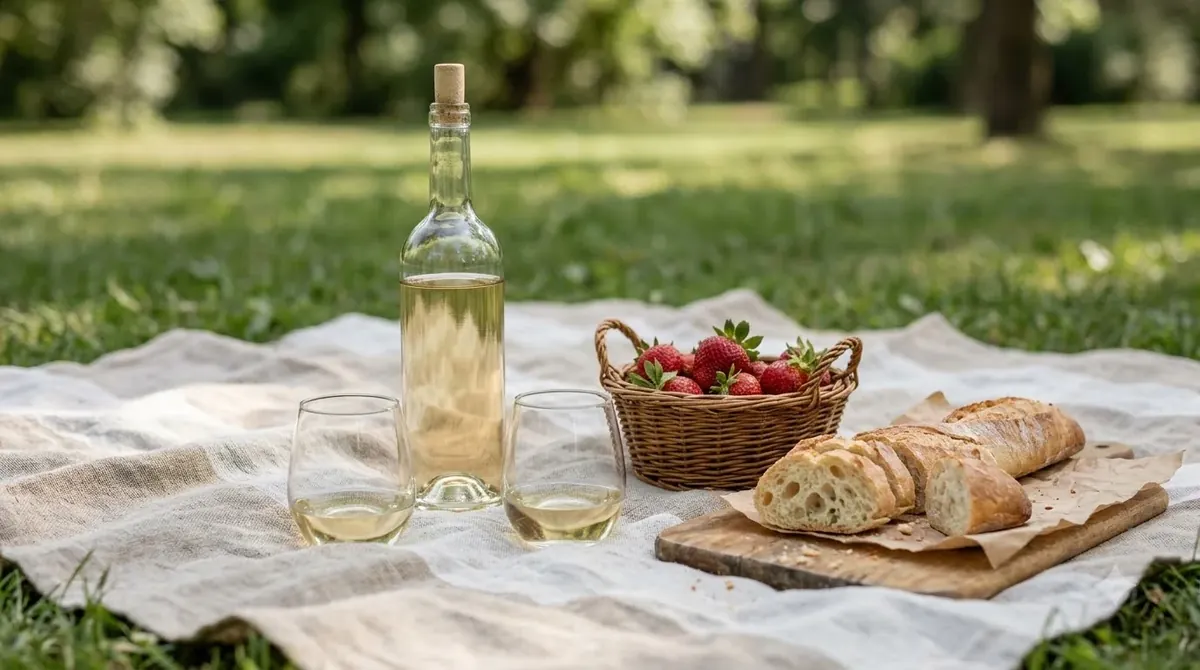
Albariño commonly shows lemon, lime, grapefruit, green apple, white peach, and apricot. Some bottles also have floral aromas, including honeysuckle and citrus blossom. A subtle saline impression is another characteristic associated with many coastal examples, making the wine especially appealing with oysters, shrimp, and other seafood. The overall impression is usually refreshing rather than heavy.
Its aromatic character can make Albariño seem more expressive immediately after pouring. The combination of citrus, ripe stone fruit, and acidity gives it a lively personality without requiring noticeable oak flavors. Most familiar examples are dry, although fruit aromas can create an impression of sweetness even when the wine contains little residual sugar.
Chardonnay has a more variable flavor profile. Cool-climate examples frequently show lemon, green apple, pear, chalk, and flint. Warmer-climate versions can develop ripe peach, melon, pineapple, and other tropical fruit notes. These differences reflect growing conditions and harvest decisions, as grapes generally develop riper fruit characteristics in warmer environments.
Winemaking can add another layer of variation. Stainless-steel Chardonnay tends to preserve fresh fruit and crispness, while barrel aging can introduce vanilla, toast, baking spice, and a rounder texture. Malolactic fermentation may create buttery aromas and a creamy sensation. These characteristics are particularly familiar in certain richer California styles.
One useful way to understand the difference is to compare Albariño with two contrasting Chardonnay styles. An unoaked Chablis can share Albariño’s citrus and mineral impressions, although the wines still have different regional and grape characteristics. A barrel-aged Chardonnay from California may instead emphasize baked apple, ripe pear, vanilla, and butter, creating a much richer experience.
For a simple flavor comparison, consider these common characteristics:
- Albariño: Lemon, lime, grapefruit, green apple, white peach, apricot, and floral aromas.
- Unoaked Chardonnay: Lemon, green apple, pear, citrus, and mineral notes.
- Oaked Chardonnay: Ripe apple, peach, pineapple, vanilla, toast, and baking spice.
- Malolactic Chardonnay: Creamy texture with possible butter and dairy-like aromas.
These descriptions are typical rather than absolute. A cool-climate Chardonnay can be remarkably crisp, while an Albariño made with lees contact or oak maturation can have more texture than the familiar light, stainless-steel style.
Acidity, Body, Alcohol, and Overall Structure
Albariño is generally the brighter and more refreshing choice, with high acidity and a light-to-medium body. Chardonnay usually has medium acidity and a medium-to-full body, although cool-climate and unoaked versions can be considerably leaner.
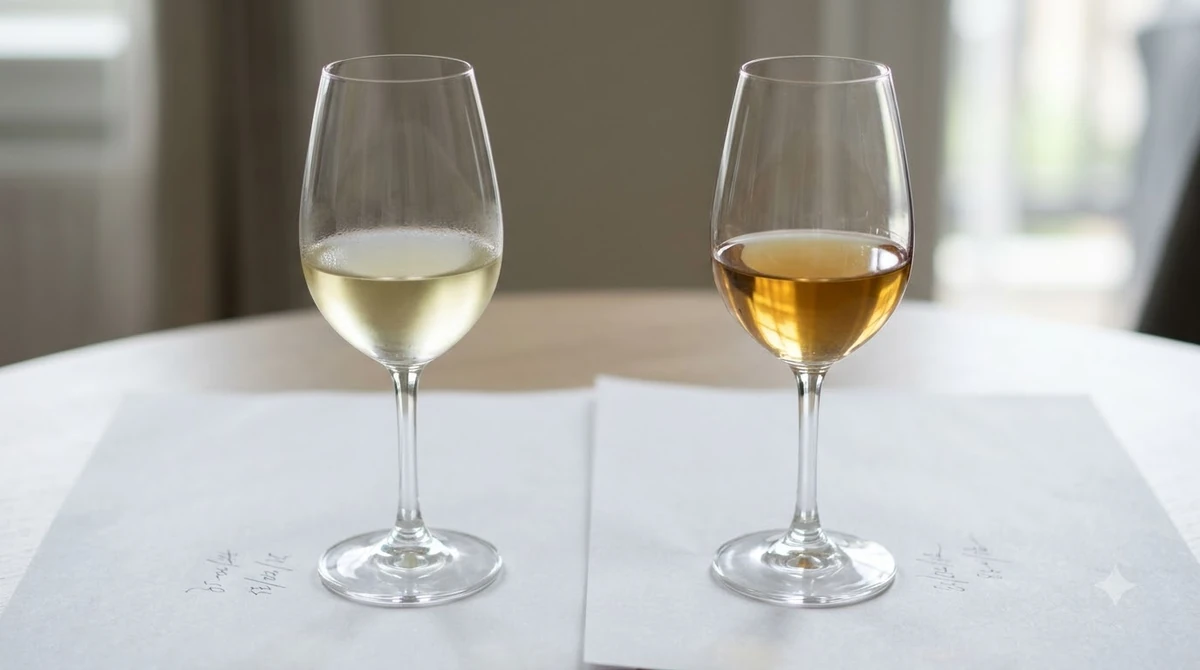
Acidity is one of the most important differences between these wines. Albariño’s lively acidity gives it a mouthwatering character that works particularly well with foods containing lemon, vinegar, or other sharp ingredients. It also helps the wine feel refreshing alongside salty seafood and fried appetizers.
Chardonnay has more variation in acidity. Cool-climate wines from Chablis, Sonoma Coast, or parts of New Zealand can have pronounced freshness. Warmer-climate wines often have softer acidity and riper fruit, creating a rounder impression. Malolactic fermentation can further soften the wine’s perceived acidity by converting malic acid into lactic acid.
Body describes how substantial a wine feels in the mouth. Albariño is usually light to medium-bodied, with a clean, energetic texture. Chardonnay can range from light and restrained to full and creamy, depending on climate, alcohol, oak, and lees aging. This distinction matters at the dinner table because a heavier wine may overpower delicate food, while a fuller wine can complement dishes with richer sauces.
Alcohol levels also vary. Many everyday Albariño wines fall around 11.5% to 13% ABV, while Chardonnay commonly falls around 12.5% to 14.5% ABV. These are broad illustrative ranges, not rules for every bottle. Climate, grape ripeness, harvest timing, and winemaking decisions influence the finished alcohol level.
Neither grape produces tannic red-wine structure because both are white wine varieties typically fermented without prolonged extraction from grape skins. Their differences are better understood through acidity, body, alcohol, and texture.
| Characteristic | Albariño | Chardonnay |
|---|---|---|
| Typical acidity | High | Medium, variable |
| Typical body | Light to medium | Medium to full |
| Illustrative ABV | 11.5–13% | 12.5–14.5% |
| Common fruit | Lemon, lime, peach | Apple, pear, peach |
| Oak influence | Usually restrained | None to pronounced |
| Texture | Fresh, crisp, sometimes lightly rounded | Lean, smooth, or creamy |
| Typical finish | Bright and refreshing | Fresh, rounded, or buttery |
| Best-known region | Rías Baixas, Spain | Burgundy, France |
The numbers in the table are general style guides rather than official grape specifications. Individual wines can fall outside these ranges, particularly when comparing a cool-climate Chardonnay with a warmer-climate example. The most reliable approach is to consider the region and production style together rather than assuming every Chardonnay has the same weight.
Tip: If you usually prefer Sauvignon Blanc or other high-acid white wines, start with Albariño or a cool-climate, unoaked Chardonnay. If you enjoy richer white wines with a smooth texture, try a barrel-aged Chardonnay instead.
Winemaking: Why Chardonnay Has More Style Variation
Albariño is commonly made to preserve its fresh fruit, aromatic character, and acidity. Chardonnay is especially adaptable to different cellar techniques, which is why its finished wines can range from crisp and mineral to rich, buttery, and heavily textured.
Many Albariño producers use temperature-controlled fermentation in stainless-steel tanks. This approach helps retain the grape’s natural aromatic qualities and fresh fruit character. The result is a dry white wine with citrus, stone fruit, and a clean finish. Stainless steel does not add oak flavors, so the character of the grape and growing region remains prominent.
Some producers choose additional techniques to create more texture. Lees contact, for example, allows the wine to develop a fuller mouthfeel and subtle savory or yeasty characteristics. Lees aging does not necessarily mean that the wine becomes buttery. It can simply add depth and a softer impression without removing the grape’s characteristic freshness.
Chardonnay offers a much wider set of winemaking options. Stainless-steel fermentation creates a restrained style that highlights citrus and apple. Barrel fermentation and maturation can introduce vanilla, toast, spice, and a broader texture. The type of oak, its age, and the length of contact all influence the final result.
Malolactic fermentation is another important technique. During this process, sharper malic acid is converted into softer lactic acid. The wine may develop a rounder mouthfeel and buttery aromas. Not every Chardonnay undergoes complete malolactic fermentation, and some winemakers deliberately preserve more of its original acidity.
Lees aging is also common in Chardonnay production. The wine remains in contact with spent yeast cells after fermentation, sometimes with periodic stirring. This technique can contribute texture and subtle bread, toast, or cream-like characteristics. When combined with oak aging and malolactic fermentation, it can create a particularly rich style.
How to identify the style you prefer
When choosing Chardonnay, look for descriptive terms that indicate its production method. Words such as unoaked, stainless steel, and cool climate generally suggest a fresher, more restrained direction. Terms such as barrel fermented, barrel aged, creamy, and buttery indicate a potentially richer style.
For Albariño, regional information and production details can help identify whether a bottle is particularly crisp or has additional texture. Rías Baixas is an excellent starting point, especially for drinkers who want the familiar citrus-driven expression of the grape.
The difference is not that Albariño is incapable of complexity or that Chardonnay must be oaked. Both grapes can produce sophisticated wines. Chardonnay simply has a particularly broad range of established winemaking styles. For additional technical background, Wine Enthusiast’s Chardonnay grape profile explains how climate and cellar techniques influence the finished wine.
Food Pairings: Seafood, Chicken, Pasta, and Cheese
Albariño is usually the stronger choice for delicate seafood and salty appetizers because its acidity and fresh citrus character complement these foods. Chardonnay is more adaptable to richer dishes, especially roasted poultry, creamy sauces, lobster, and dishes with buttery ingredients.
Albariño is a natural partner for oysters, mussels, clams, shrimp, scallops, and grilled white fish. Its acidity refreshes the palate between bites, while citrus flavors complement lemon-based seafood preparations. The wine’s light-to-medium body also makes it less likely to overwhelm delicate fish.
It works particularly well with Spanish-inspired dishes such as grilled prawns, seafood rice, steamed mussels, and lightly fried calamari. Salt and acidity can create a particularly satisfying combination, so Albariño is also a useful option for salty tapas, anchovy preparations, and fresh goat cheese.
Chardonnay has a different range of food strengths. Unoaked versions pair comfortably with steamed fish, grilled shrimp, and delicate scallops. Fuller examples can stand alongside lobster with butter, roasted chicken, pork, and creamy mushroom pasta. The wine’s texture helps match the weight of these richer dishes.
Consider the following pairings when choosing between the two grapes:
- Oysters and raw shellfish: Albariño is usually the better match because of its freshness and high acidity.
- Grilled shrimp with lemon: Albariño complements the citrus seasoning and delicate seafood.
- Grilled salmon: A fuller Chardonnay can match the fish’s richness, while an unoaked version works with lighter preparations.
- Roast chicken: Chardonnay is generally the more versatile choice, especially with pan juices or a creamy sauce.
- Scallops with browned butter: Chardonnay complements the richer texture and nutty flavors.
- Seafood pasta with cream sauce: A medium- or full-bodied Chardonnay provides a better textural match.
- Fish tacos with lime: Albariño’s acidity works with citrus and fresh herbs.
- Fresh goat cheese: Albariño’s acidity provides a refreshing contrast to the cheese.
Seasoning also matters. A dish with lemon, lime, vinegar, or a sharp tomato sauce benefits from a wine with equal or greater acidity. Albariño generally has the advantage here. A rich butter sauce, on the other hand, can make a rounder Chardonnay feel more balanced.
Spicy food requires some care with both wines. High alcohol can intensify chili heat, so an especially alcoholic or heavily oaked Chardonnay may not be ideal with strongly spiced dishes. A fresh, moderately alcoholic Albariño can be a better starting point, provided the food is not so hot that it overwhelms the wine.
For another useful white-wine comparison, see our article on albarino vs pinot grigio, particularly if you are choosing a wine for seafood or light summer meals.
Serving Temperatures, Glassware, and Storage
Both wines benefit from being served cool, but the ideal temperature depends on their body and production style. Albariño is generally best around 45–50°F, while Chardonnay is best served around 45–55°F depending on whether it is lean or full-bodied.
Serving temperature changes how aromas and textures are perceived. Excessive cold can mute fruit and aromatic details, while excessive warmth can make alcohol seem more prominent and reduce the refreshing impression of acidity. Albariño usually benefits from a refrigerator chill followed by a few minutes in the glass.
For Albariño, aim for approximately 45–50°F. This temperature keeps the wine refreshing while allowing its citrus, peach, and floral aromas to show. Very light examples can be served toward the cooler end of that range, while more textured bottles can benefit from slightly warmer service.
For Chardonnay, the serving temperature should reflect the style. A lean, stainless-steel Chardonnay can be served around 45–50°F, while a fuller, oak-aged example is generally better around 50–55°F. Allowing a richer wine to warm slightly helps reveal its apple, peach, vanilla, and toasted notes.
A standard white wine glass works for both grapes. A moderately sized bowl allows the wine to release its aromas without requiring an oversized glass. Chardonnay with substantial oak influence may benefit from a glass with a somewhat wider bowl, while a standard white wine glass is suitable for aromatic Albariño.
Storage is straightforward. Keep unopened bottles in a cool, dark location, ideally near 55°F, away from direct sunlight and temperature fluctuations. Bottles sealed with natural cork should generally be stored on their sides to keep the cork from drying out. Avoid storing wine for long periods in warm kitchens or beside appliances that generate heat.
After opening, refrigerate both wines and use a reliable closure. Most still white wines retain their best qualities for approximately 3–5 days after opening, although delicate aromas may fade earlier. Take the bottle out briefly before serving if it becomes too cold in the refrigerator.
Temperature is particularly important when comparing the two grapes side by side. If Albariño is served very cold and Chardonnay is served warm, the comparison can exaggerate their differences. Serve both within their appropriate ranges so that acidity, aromas, and texture can be assessed fairly.
Which Wine Should You Choose? Practical Buying Guidance
Choose Albariño if you want a crisp, aromatic white wine that emphasizes citrus, stone fruit, and refreshing acidity. Choose Chardonnay if you want more control over body and texture, with styles ranging from lean and mineral to rich and buttery.
Albariño is particularly useful when the meal centers on seafood or lighter ingredients. It is a dependable choice for oysters, grilled shrimp, steamed clams, sushi, white fish, and vegetable dishes with lemon. It is also a good option for drinkers who enjoy lively acidity but do not want the stronger herbal character that can appear in some Sauvignon Blanc wines.
For casual entertaining, Albariño offers a straightforward style that works across a variety of appetizers. A chilled bottle can accompany seafood platters, fresh salads, light cheeses, and simple grilled dishes. Its aromatic profile also makes it appealing to people who prefer fruit-forward white wines without a heavy oak influence.
Chardonnay is the more flexible option if you are not sure what type of white wine your guests prefer. A restrained Chablis or unoaked Chardonnay can appeal to drinkers who enjoy crisp wines, while a fuller California Chardonnay can satisfy those who like richer textures and ripe fruit.
It is also useful to consider the food before choosing a region. Chablis is a good starting point for leaner Chardonnay with seafood and simple fish dishes. Côte de Beaune examples can offer more weight and complexity, while some California bottlings are suitable for roast chicken, creamy pasta, and dishes with browned butter.
A quick decision guide
- Choose Albariño for oysters, shellfish, sushi, grilled shrimp, citrus-seasoned fish, and high-acid food.
- Choose unoaked Chardonnay for steamed fish, scallops, fresh salads, and lighter poultry dishes.
- Choose oak-aged Chardonnay for roast chicken, lobster with butter, creamy pasta, and roasted vegetables.
- Choose a cool-climate Chardonnay if you like citrus, green apple, mineral notes, and restrained texture.
- Choose a fuller Chardonnay if you enjoy ripe peach, pineapple, vanilla, toast, and creamy mouthfeel.
Budget and availability may also influence the decision. Albariño is especially easy to find from Rías Baixas, although bottles from other Spanish and Portuguese growing areas are available. Chardonnay has an even broader geographic selection, which means there are many regional expressions to explore at different levels of complexity.
If you enjoy comparing wines by grape, region, and production method, our Wine vs Wine collection offers more comparisons to help narrow down your preferences. Another useful reference is chardonnay vs prosecco, which explains why a still white wine and a sparkling wine serve different purposes at the table.
There is no universal winner. Albariño is a particularly appealing choice for freshness and seafood, while Chardonnay provides a broader selection of textures and flavors. Trying both alongside the same meal is an effective way to discover which style suits your palate.
Frequently Asked Questions
Is Albariño related to Chardonnay?
No. Albariño and Chardonnay are separate grape varieties with different origins and genetic backgrounds. Albariño is especially associated with Galicia in Spain and northern Portugal, where the grape is also known as Alvarinho. Chardonnay has its historic home in Burgundy, France, and belongs to a different grape family.
Is Albariño the same as Alvarinho?
They are names for the same grape variety. Albariño is the Spanish name commonly used in Galicia, while Alvarinho is the Portuguese name. In Portugal, the grape is particularly associated with the Vinho Verde region and the subregion of Monção e Melgaço, where it can produce concentrated white wines.
Can Albariño be aged in oak barrels?
Yes. Although stainless-steel fermentation is common, some producers experiment with oak fermentation or maturation. Barrel treatment can add texture and subtle spice while creating a more layered style. These wines are less representative of the familiar crisp, youthful Albariño profile but demonstrate the grape’s potential beyond simple refreshing white wines.
Is Chardonnay used to make Champagne?
Yes. Chardonnay is one of the three principal grape varieties permitted in traditional Champagne production, alongside Pinot Noir and Pinot Meunier. Champagne made exclusively from Chardonnay is labeled blanc de blancs. This style is often associated with citrus, floral, and mineral characteristics, although bottle age and production methods also influence its character.
How many calories are in a glass of Albariño compared with Chardonnay?
The calorie content depends primarily on alcohol concentration and residual sugar rather than the grape name alone. A standard 5-ounce serving of dry white wine commonly contains approximately 110–130 calories, although individual wines vary. A higher-alcohol Chardonnay can contain more calories than a lower-alcohol Albariño when serving sizes are equal.
Albariño and Chardonnay are both excellent white wines, but they suit different preferences and meals. Start with Albariño for crisp acidity, citrus, and seafood, or explore Chardonnay for its broader range of fruit, texture, and oak influence. Once you identify the style you enjoy most, experimenting with different regions is the best way to discover even more interesting bottles.
More in Wine vs Wine
 Chenin Blanc vs Pinot Gris: Acidity, Body, and Pairing DifferencesUpdated Nov 20, 2026
 Chianti vs Lambrusco: How Tuscany and Emilia-Romagna Reds CompareUpdated Nov 20, 2026
 Chianti vs Primitivo: Key Differences in Taste, Body, and PairingUpdated Nov 20, 2026
 Chianti vs Rioja: Key Differences in Taste, Aging, and PairingUpdated Nov 20, 2026
 Chianti vs Shiraz: How Acidity, Body, and Food Pairings CompareUpdated Nov 20, 2026
 Chianti vs Syrah: Key Differences in Taste, Body, and Food PairingUpdated Nov 20, 2026