

We may earn a commission when you buy through links on this page, at no extra cost to you. Learn more.
What is baga? Baga is a red Portuguese wine grape best known for producing high-acid, tannic wines in the Bairrada region. Depending on the site and winemaking, it can make anything from a lively, berry-scented young red to a deep, structured wine that improves with years in the cellar. Baga is also used for rosé and sparkling wines, making it one of Portugal’s more versatile native grapes.
For drinkers who enjoy the freshness of Pinot Noir or the firm structure of Nebbiolo, Baga offers a distinctive Portuguese alternative. Its best-known expressions combine vivid fruit, savory complexity, and a firm line of acidity, while newer styles show that the grape need not always be austere or heavy.
What Is Baga and Where Does It Grow?
Baga is a native Portuguese red grape, with its strongest identity in Bairrada, a coastal region roughly an hour south of Porto. It is also grown in Dão and other parts of the Beiras, but Bairrada’s Atlantic climate and distinctive soils have made the region the grape’s best-known home.
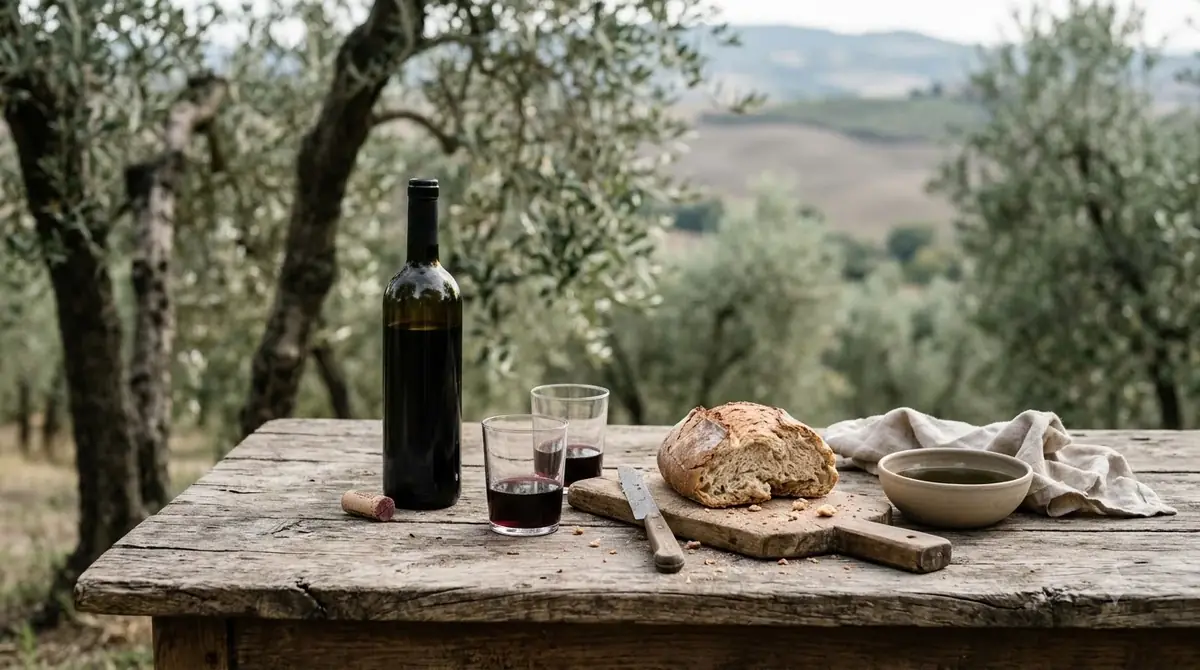
Bairrada lies along central Portugal’s Atlantic coast. The ocean brings abundant rainfall and mild average temperatures, while the region’s mix of clay-limestone ground and sandy strips creates different growing conditions from one site to another. Wines of Portugal describes Baga as the dominant red grape in the region, where it anchors the classic local style. For an overview of the area’s regional identity, see the Wines of Portugal profile of Bairrada.
Baga is thought to have originated in Dão, east of Bairrada, where it can appear in blends with other Portuguese grapes. Its reputation, however, is closely linked to Bairrada, where it is bottled as a varietal red as well as used for rosé and sparkling wine. That variety of expressions means that seeing Baga on a label does not tell you everything about the style in the bottle.
The region also has a strong tradition of white and sparkling wine. White grapes such as Maria Gomes, Bical, and Arinto grow alongside Baga, and the cool maritime conditions help preserve freshness. Readers exploring Portuguese varieties more broadly may also enjoy learning about Airén grape, a very different variety associated with Spain’s dry inland vineyards.
Why Baga Is Challenging to Grow
Baga is vigorous and late-ripening, so it needs a suitable site and careful vineyard work to reach full maturity. Its small, thick-skinned berries contribute to firm tannins, but late-season rain can threaten the crop before the grapes are ready to pick.
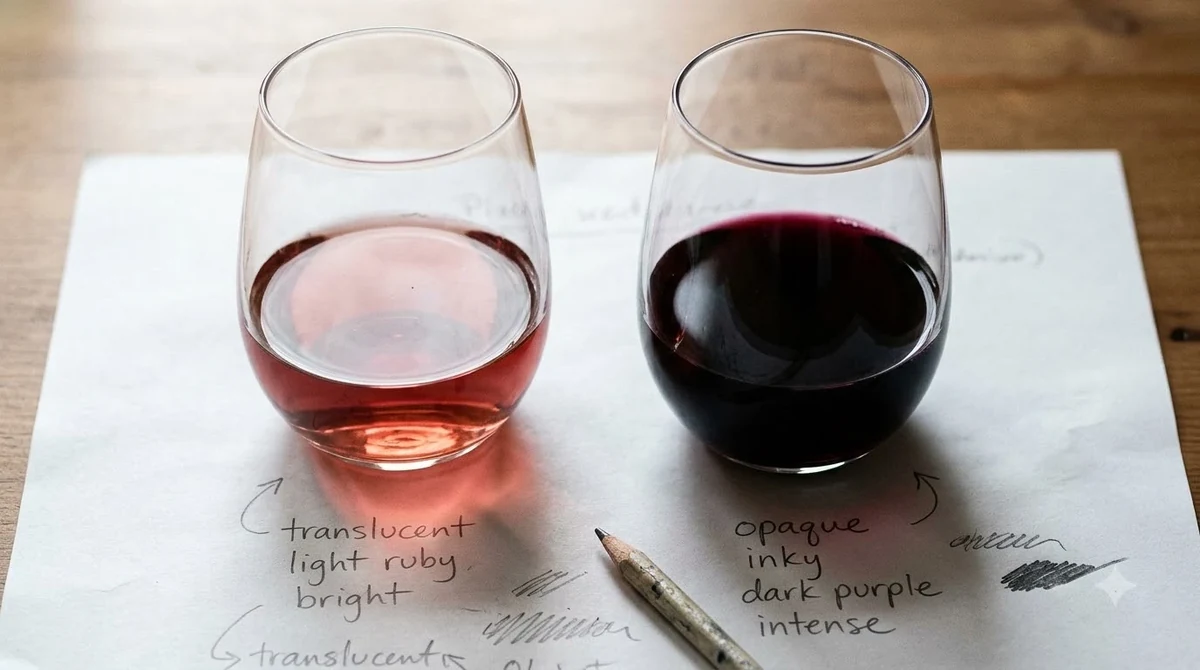
According to Wines of Portugal, Baga performs particularly well on clay soils with good exposure to sunlight. In Bairrada, chalky clay and limestone can help drain excess water and reflect light toward the vines, supporting ripening in a region influenced by Atlantic weather. Sandy parcels can produce a different expression, and the best site depends on the grower’s aims as well as the season.
Timing is a major challenge. Baga ripens late, and growers must manage the canopy and crop so fruit has enough time to mature before autumn weather turns wet. Decanter notes that late September rain can be a particular concern. If the fruit is picked before tannins and flavors have developed, the resulting wine can taste hard, sharply acidic, or aggressively drying.
Vineyard decisions therefore shape the final wine well before fermentation begins. Growers may limit yields, select parcels with better sun exposure, and harvest according to the ripeness of the fruit rather than simply waiting for high sugar levels. A balanced Baga needs enough ripeness to soften its tannins while retaining the acidity that gives the grape its freshness and aging potential.
This sensitivity to site and season helps explain why Baga has a reputation as a demanding grape. A difficult vintage does not automatically produce a poor wine, however. Skilled growers can choose a lighter style in a cooler or less concentrated year instead of forcing the grapes into a dense, long-lived red that the fruit cannot support.
What Does Baga Taste Like?
Baga usually tastes dry, fresh, and firmly structured, with red and dark berry fruit supported by lively acidity and noticeable tannin. Common notes include sour cherry, redcurrant, plum, black cherry, and blackberry, while savory flavors such as tobacco, dried herbs, earth, coffee, and smoke can emerge with ripeness, winemaking, and age.
The balance is the defining feature. Acidity keeps the wine energetic and helps it cut through rich food, while tannin creates a drying grip along the gums and gives the wine shape. In a young, traditionally made example, that grip can feel pronounced. With time in bottle, the tannins can become more integrated and the fruit may move toward dried cherry, plum, cedar, and earthy notes.
Baga is sometimes compared with Pinot Noir because of its red-fruit character and freshness, and with Nebbiolo because of its firm tannins and ability to age. Neither comparison is exact. Pinot Noir is generally lower in tannin, while Baga often has a more assertive structure; Nebbiolo can share Baga’s combination of acidity, tannin, and savory development, but the grapes are not related.
Body and intensity vary. Some wines are light to medium in body, with bright fruit and a relatively gentle texture. Others are concentrated, deeply colored, and structured enough to need years before they feel fully settled. A Wine Enthusiast review of a Niepoort Baga illustrates the lighter end of the spectrum: it describes a crisp, juicy wine in which black fruit leads and tannin stays in a supporting role.
Oak is not a required flavor of Baga. A smoky or mineral impression can come from the grape and its growing site rather than from toasted barrels. In some wines, oak adds spice and texture; in others, neutral vessels or amphorae allow the fruit, acidity, and savory character to remain in the foreground. The Decanter introduction to Baga discusses how site and winemaking choices influence the grape’s style.
Red, Rosé, and Sparkling Baga Styles
Baga is not limited to one kind of red wine. Producers make fresh, early-drinking reds, traditional structured reds for cellaring, rosé, and sparkling wines, including white sparkling wines made from the dark-skinned grape.
Fresh, young red Baga emphasizes crunchy cherry, redcurrant, and plum, often with less extraction and a lighter feel. Gentle handling can keep tannin from overwhelming the fruit. Some contemporary wines are made for drinking soon after release, and may be served slightly cool to highlight their freshness.
Classic Bairrada Baga is generally more concentrated, with deeper color, firm tannins, and the acidity to develop in bottle. These wines may spend time in larger old wooden vessels or oak barrels, depending on the producer. Traditional versions can be austere in youth, but a well-made example can reward patience with greater aromatic detail and a more integrated structure.
Rosé and sparkling Baga offer a different perspective. Rosé can retain the grape’s lively acidity while bringing red-fruit flavor and a lighter texture. In sparkling wine, acidity is an asset: it gives the finished wine energy and freshness. Bairrada is an established Portuguese sparkling region, and Baga can appear in rosé fizz or in white sparkling wine made by pressing the grapes gently and limiting contact between juice and dark skins.
Winemaking explains much of the variation. Luís Pato is known for destemming some of his more polished Baga wines and aging them in French oak. Quinta das Bágeiras has used whole-bunch fermentation and large 2,500-liter wooden vessels for certain bottlings. Other growers favor gentle extraction and amphorae to make lighter, more immediately approachable wines. None of these methods is automatically best; each produces a different balance of fruit, tannin, and savory detail.
Blending is also possible. A Bairrada red may combine Baga with other Portuguese grapes, while a bottle labeled as a single-variety Baga gives a more direct view of the grape. As with any region, producers and individual bottlings differ, so the name Baga is a starting point rather than a guarantee of a single fixed flavor profile.
What Food Pairs Best with Baga?
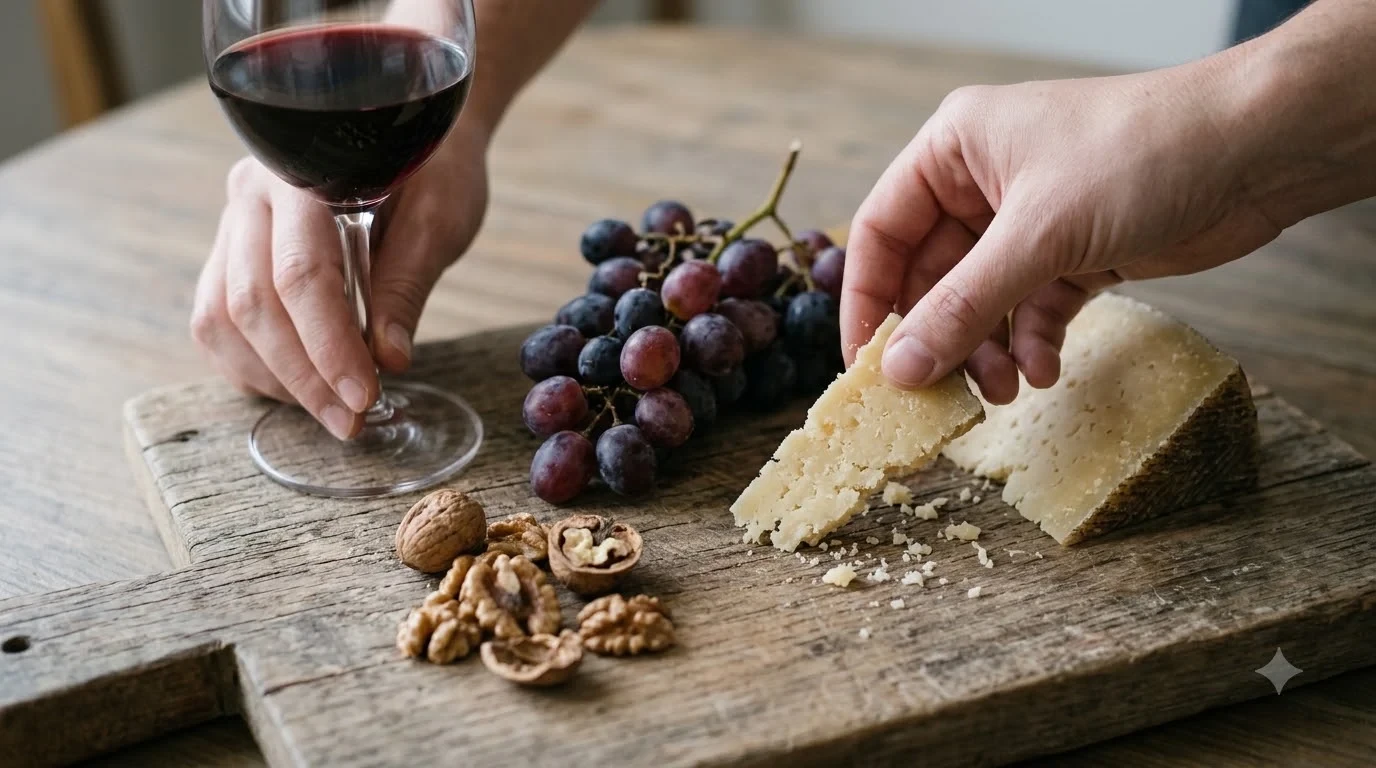
Baga is a natural match for rich, savory foods because its acidity refreshes the palate and its tannin works well with protein and fat. In Bairrada, the classic pairing is leitão, or roast suckling pig, but the wine also suits duck, grilled pork, lamb, game, charcuterie, and hearty stews.
Roast suckling pig brings together tender meat, crisp skin, salt, and fat. Those qualities help soften Baga’s firm tannins, while the wine’s acidity cuts through the richness. The match works particularly well with a traditional, structured Baga, whose concentration can stand up to roasted meat and browned skin. A fresh young Baga is often better with grilled pork, sausages, or simple charcuterie.
Duck is another strong choice. Roast duck, duck confit, or duck with a savory fruit sauce can complement Baga’s cherry and plum notes. For lamb, try grilled chops, herb-roasted shoulder, or a slow-cooked stew. Game meats such as venison and wild boar also suit older Baga, especially when cooked with mushrooms, root vegetables, or herbs.
For a more casual meal, pair lighter Baga with piri-piri chicken, roasted vegetables, mushroom pizza, or a board of cured meats. The wine’s acidity can handle tomato-based sauces better than many softer reds, while its tannin finds a partner in salty, fatty foods. If the dish is especially spicy, choose a lower-alcohol, fruit-forward style: alcohol and tannin can make chili heat feel more intense.
Think about the sauce as well as the main ingredient. A lean cut of pork with lemon and herbs calls for a fresher, lighter Baga, while slow-braised beef or lamb in a concentrated sauce can take a more structured bottle. Avoid pairing a very tannic red Baga with oily fish, which can make the wine taste harsher and the fish seem metallic. For another Portuguese pairing reference, Arinto wine offers a high-acid white alternative for seafood and lighter dishes.
Rosé and sparkling Baga are more flexible at the table. Serve them with olives, fried snacks, shellfish, grilled chicken, or salty appetizers. Dry sparkling Baga can also work with roast pork, echoing the region’s classic pairing while offering bubbles and a brisk finish.
How to Serve, Age, and Store Baga
Serving temperature should match the style: a lighter, juicy Baga benefits from a little chill, while a structured classic red shows more detail when served slightly warmer. Bottle age also matters, because youthful tannin and acidity can be prominent in traditional examples.
| Baga style | Suggested serving temperature | Typical drinking approach |
|---|---|---|
| Light, fresh red | 55–60°F | Enjoy young for bright fruit |
| Structured, full red | 60–65°F | Allow time for tannin to soften |
| Sparkling Baga | 40–50°F | Serve chilled while fresh |
These ranges follow standard red- and sparkling-wine service guidance. Portugal Collection gives more specific reference points of about 14°C for lighter Baga and 16–17°C for classic Baga. A room that feels comfortable to people may be too warm for red wine, so a brief period in the refrigerator can help bring a bottle to the right temperature.
Cellaring time depends on style. Lighter, gently extracted Baga is generally intended for earlier drinking; Portugal Collection suggests a window of roughly two to three years for this style. Classically made Baga can need around ten years to reach a more harmonious stage, and top examples may continue developing for much longer. Producers, vintage conditions, and storage quality all affect the result.
Young, firmly structured red Baga can benefit from 30–60 minutes in a decanter to let the wine open and soften at the edges. With an older bottle, stand it upright for a few hours before opening so sediment can settle, then pour carefully. Decanting an old wine is mainly about separating sediment; prolonged aeration can cause delicate mature aromas to fade.
Store unopened bottles on their sides in a cool, dark place near 55°F, away from heat and temperature swings. Once opened, keep still Baga in the refrigerator and aim to finish it within three to five days, using a stopper to limit oxygen exposure. Bring the remaining wine back toward serving temperature before pouring. Sparkling Baga is best enjoyed sooner after opening; a proper sparkling-wine stopper helps preserve its bubbles for a short period.
Tip: Do not judge a classic Baga only by its first sip. Give a young, tannic bottle time in the glass or decanter, and pair it with a dish containing protein and fat to see how its structure comes into balance.
Frequently Asked Questions
These quick answers cover a few details beyond the grape’s growing region, flavor, and wine styles, including its name, a calendar celebration, and a genetic connection.
What does the name Baga mean?
The Portuguese word “baga” means “berry.” The name suits the variety’s small berries, which are a notable feature of its clusters. The berries’ size and skin structure contribute to the grape’s distinctive concentration and tannin.
Why is old Baga compared with Nebbiolo?
The comparison is about sensory structure rather than genetics. Wine Advocate critic Luis Gutiérrez has observed that people tasting old Baga blind often identify Nebbiolo because the aromas and tannin profiles can be remarkably similar.
When is International Baga Day?
International Baga Day is celebrated on the third Saturday of May. The first celebration took place on May 21, 2022, as an initiative of Baga Friends, a group of seven producers and advocates of the grape.
Does Baga have a genetic link to Malvasia Fina?
DNA research points to a parent-offspring relationship between Baga and the white Portuguese variety Malvasia Fina. That finding indicates a genetic connection, although the cited variety profile does not specify which grape is the parent.
How can a red grape make white sparkling wine?
A white sparkling wine made from dark-skinned grapes is commonly called blanc de noirs. Winemakers can press Baga gently and separate the clear juice from the skins before significant color is extracted. This technique makes use of the grape’s acidity without requiring a white grape variety.
Baga is worth exploring if you enjoy reds with freshness, structure, and a strong sense of place. Start with a lighter Bairrada bottling to appreciate its fruit and acidity, then try a traditional example with roast pork or a slow-cooked dish to see how the grape develops with food and time.
More in Wine Types & Grapes
 Zinfandel Sugar Content: Dry Red vs. White Zinfandel GramsUpdated Nov 21, 2026
 Best Zinfandel Substitute Options for Sipping and CookingUpdated Nov 21, 2026
 Zweigelt Food Pairing: Best Dishes, Cheeses, and Serving TipsUpdated Nov 21, 2026
 Zinfandel Tannins Explained: How Structure Shapes Every BottleUpdated Nov 21, 2026
 Zinfandel Sweetness Level: Dry Red vs. Sweet White Zin ExplainedUpdated Nov 21, 2026
 Xinomavro Food Pairing: Best Dishes, Styles, and Serving TipsUpdated Nov 21, 2026