

We may earn a commission when you buy through links on this page, at no extra cost to you. Learn more.
The phrase pinot noir acidity describes the grape’s naturally bright, refreshing tartness, which is usually medium-high to high and helps the wine feel lively rather than heavy. In the glass, that acidity often shows as a mouthwatering sensation around the sides of the tongue, lifting cherry, cranberry, raspberry, and savory flavors. Cooler growing regions tend to preserve more freshness, while warmer sites can produce rounder, riper expressions. The exact impression depends on climate, harvest decisions, winemaking, and the wine’s balance with alcohol and tannin.
Pinot Noir is often described as delicate, silky, and food-friendly, but acidity is one of the main reasons those qualities work together. Understanding its role makes it easier to choose a style, recognize regional differences, and serve the wine with food that complements its freshness.
What Pinot Noir Acidity Tastes and Feels Like
Pinot Noir is generally a high-acid red wine, though the impression can range from crisp and brisk to round and gentle. Acidity is not a flavor such as lemon or cranberry; it is a structural sensation that makes the mouth water and keeps fruit flavors from seeming flat.
When you taste a lively Pinot Noir, notice what happens after the first sip. Saliva gathers along the sides of the tongue, the finish feels clean, and red-fruit flavors seem more defined. Think of the difference between a ripe cherry and cherry jam: both can suggest the same fruit, but acidity gives the wine a fresher, more lifted character. In cooler-climate bottles, the fruit may lean toward cranberry, sour cherry, red currant, or raspberry, with floral or earthy notes behind it.
Acidity can be mistaken for sourness, especially when a wine is served too cold or sampled without food. Sourness feels sharp and narrow, while balanced acidity integrates with the fruit and carries flavor through the finish. A tart wine can still be balanced when ripe fruit, alcohol, tannin, and texture provide enough breadth.
Pinot Noir’s thin skins generally contribute less tannin than the skins of grapes such as Cabernet Sauvignon. That distinction matters: acidity provides much of the wine’s freshness, while relatively silky tannins contribute gentle grip. The combination helps explain why Pinot can feel refreshing without tasting like a white wine, and why it is often comfortable with dishes that would overwhelm a heavier, more tannic red.
What Determines the Wine’s Acidity
Growing conditions are the starting point, but harvest timing and cellar choices also shape the final balance. Pinot Noir is an early-ripening, thin-skinned grape that responds noticeably to temperature, sunlight, site, and the decisions made between picking and bottling.
As grapes ripen, sugar accumulates while natural acids generally decline. Cooler conditions slow this process, giving growers a longer window to develop flavor while retaining freshness. Heat can speed sugar accumulation and acid loss, especially when nights remain warm. A cool site does not guarantee high acidity, but it often gives growers a better chance of retaining freshness.
Harvest date is a balancing decision. Picking too soon can preserve sharp acidity but leave green or underripe flavors; waiting longer can deepen cherry and plum character and soften tartness. Excessive ripeness may raise potential alcohol and reduce energy, so growers consider flavor, skin maturity, weather, and laboratory measures together.
Winemaking can change how acidity is perceived. Malolactic fermentation converts sharper malic acid into softer lactic acid, which can make the palate seem rounder. Oak aging adds spice and texture rather than replacing grape acidity, while extraction, whole-cluster fermentation, and new oak influence tannin and the feel of the finish. Dry Pinot Noir is usually low in residual sugar, so sweetness is not normally what balances its acidity; alcohol and ripe fruit can soften the impression, while a leaner style lets freshness stand out. The result depends on several elements working together, not one acidity reading.
How Climate and Region Change the Style
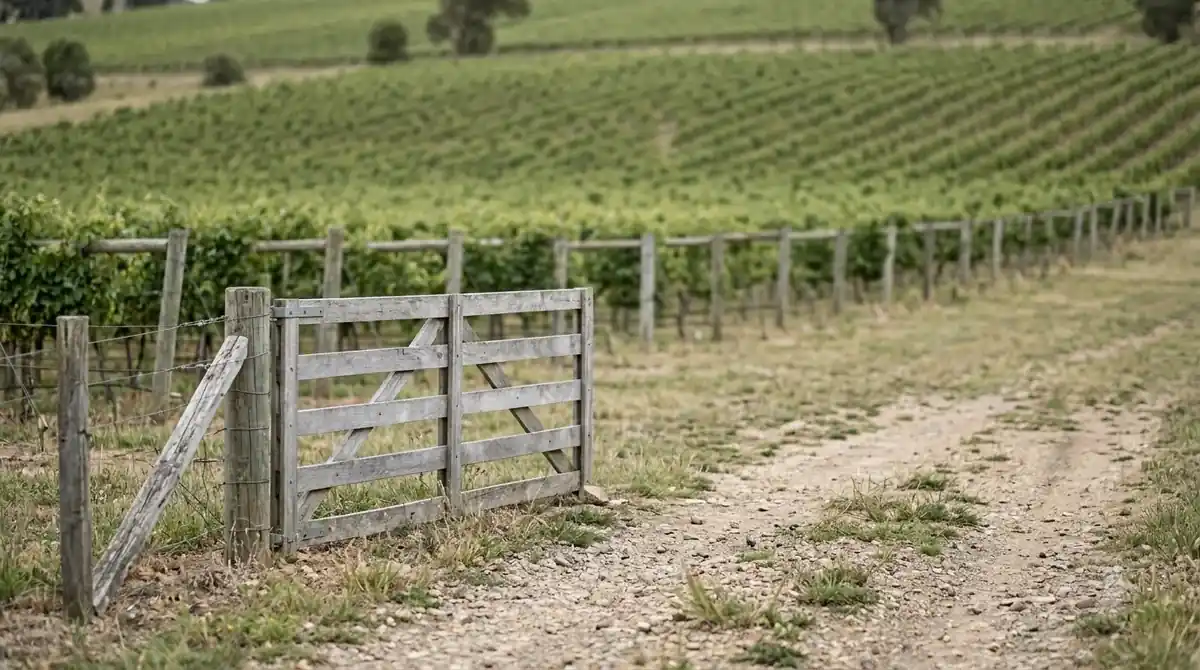
Cool-climate Pinot Noir commonly has a brighter, more pronounced acidic profile, while warmer sites often produce riper fruit and a rounder texture. Regional names offer useful clues, but vineyard elevation, coastal influence, vintage conditions, and winemaking can make two wines from the same area taste different.
Burgundy in France is the classic reference point for Pinot Noir with lively acidity, delicate red fruit, and savory or earthy complexity. Especially cool areas may show cranberry, red cherry, rose, mushroom, and forest floor, with acidity carrying a clean finish. Oregon’s Willamette Valley is another source of fresh, often high-acid Pinot Noir. The Oregon Wine Board describes the variety as thriving in cool sites and says Oregon examples are usually fresher, with higher acidity and pronounced fruit. Pinot Noir accounts for 59% of Oregon’s planted wine-grape acres, and red and black fruit, cinnamon, sassafras, and mint can appear alongside the freshness. The Oregon Wine Board’s grape-variety overview provides a useful regional description.
California is too varied to summarize as one style. Coastal areas such as the Sonoma Coast, Anderson Valley, and Santa Rita Hills can retain freshness because Pacific winds and fog moderate daytime heat. Decanter has described high-acid, lower-alcohol Pinot from coastal sites, while warmer inland vineyards may yield riper fruit and softer acidity. Russian River Valley, Sonoma Coast, and Los Carneros each produce distinct expressions. New York’s Finger Lakes and Ontario’s Niagara Peninsula also show how latitude and lake influence can preserve crisp acidity and lighter body, though frost and rain create vintage variation. New Zealand’s Central Otago and Martinborough, Germany’s Baden and Pfalz, and parts of Chile also produce varied expressions. Region is a starting point; site and vintage complete the picture.
Wine Enthusiast describes cooler-climate Pinot Noir as more likely to show vivacious acidity and warmer-region wines as more concentrated in fruit, with a plusher texture. Its essential Pinot Noir guide also notes that the variety is generally dry, light- to medium-bodied, and relatively low in tannin.
How Acidity Relates to Body, Tannin, and Alcohol
Acidity is only one part of Pinot Noir’s structure, and it should not be confused with body or tannin. A wine may be light-bodied and high in acidity, or medium-bodied with a rounder, less prominent acidic impression.
Body describes weight and texture. Pinot Noir is most often light- to medium-bodied, with a silky feel rather than the dense structure of many Cabernet Sauvignon wines. Acidity can make it seem lighter by adding lift and a clean finish, although warm sites, ripe grapes, and oak can create a fuller style. See how the style varies in this overview of whether Pinot Noir is full bodied. Tannin creates a drying or gripping sensation, especially on the gums and cheeks. Pinot Noir typically has low-to-medium tannin, while Cabernet Sauvignon tends to be high in tannin and Syrah medium-plus to high. Because Pinot’s tannins are often softer, acidity becomes especially noticeable as a source of structure and keeps the wine lively even when the texture is supple.
Alcohol contributes warmth and weight. Wine Enthusiast gives a typical Pinot Noir range of 12% to 15% ABV: cooler-region examples often sit around 12% to 13.5%, while warmer-region wines may reach 13.5% to 15%. These ranges overlap. Higher alcohol does not prove lower acidity, but warmth can make a wine feel broader and mute freshness. The table offers practical reference points rather than rigid quality standards; the regional alcohol ranges reflect Wine Enthusiast, and serving temperatures follow common red-wine guidance.
| Comparison | Typical range or profile | What it suggests |
|---|---|---|
| Cool-region Pinot Noir | 12%–13.5% ABV | Often brighter, with a leaner frame and lively acidity |
| Warmer-region Pinot Noir | 13.5%–15% ABV | Often riper in fruit and broader in texture |
| Light-bodied red serving temperature | 55–60°F | Helps preserve freshness without muting aromas |
| Fuller-bodied red serving temperature | 60–65°F | Allows more aromatic and textural detail to show |
The most acidic bottle is not automatically the best. Acidity should support the fruit and length rather than feel detached from them. A riper Pinot can remain balanced when its acidity counters fruit concentration and weight.
Food Pairings That Work With Pinot Noir’s Acidity
Pinot Noir’s acidity makes it especially adaptable at the table, particularly with foods that have savory flavors, moderate richness, or their own acidity. Its relatively gentle tannin also makes it easier to pair than many structured red wines.
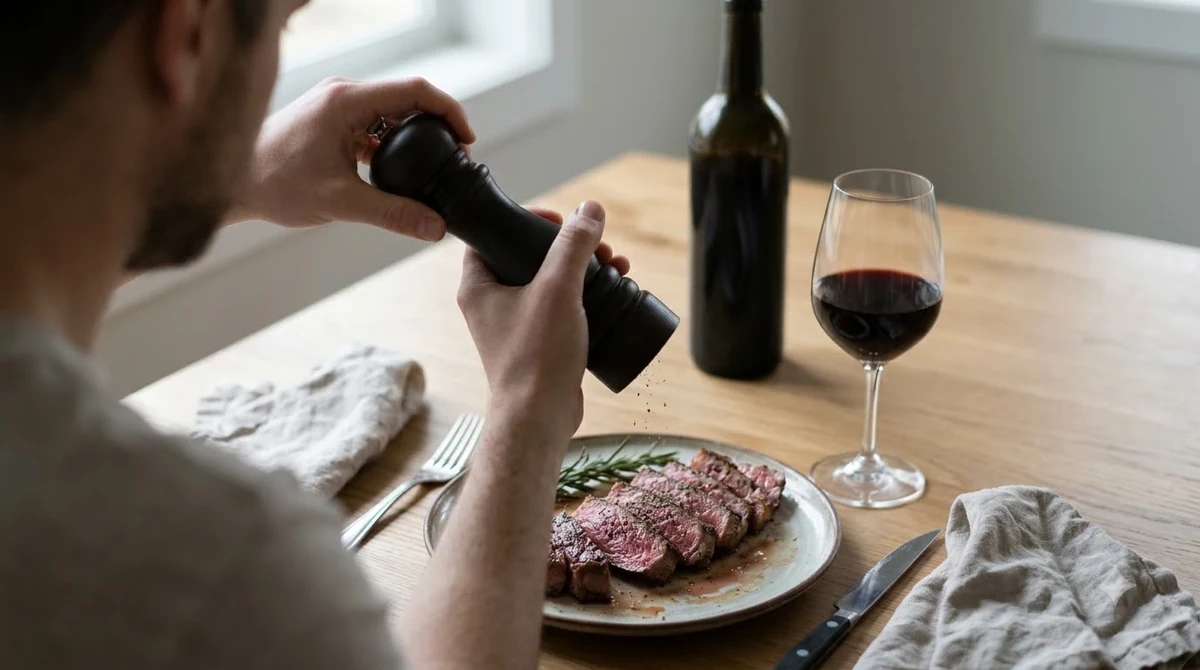
Roast chicken, turkey, pork tenderloin, and duck are dependable matches. Acidity refreshes the palate, while cherry and earthy notes complement browned skin, herbs, mushrooms, and pan sauces. Roast chicken with thyme or mushroom risotto echoes flavors often found in Pinot without overwhelming its frame. Salmon, trout, and tuna work well grilled, roasted, or served with soy or miso glaze. Pinot is a useful red choice for richer fish because it generally has less tannin than Cabernet Sauvignon or Syrah. Strongly tannic reds can clash with oily fish and create a metallic impression, although preparation still matters.
Acidic foods need a wine with equal or higher acidity. Vinaigrettes, tomato dishes, pickled vegetables, and lemon-heavy sauces can make a less acidic Pinot seem flat, so balance the plate with roasted vegetables, mushrooms, lentils, olive oil, butter, or poultry skin. Salt and fat soften tannin, making roast pork, duck confit, charcuterie, and mushroom tart sensible pairings. Chili heat is less reliable: alcohol and tannin amplify the burn, so spicy food can make higher-alcohol Pinot taste hotter. Keep the heat moderate and choose a lower-alcohol, fruit-forward style. Pinot can bridge poultry, mushrooms, salmon, and mild cheeses, but it is not universal. Very sweet sauces need a wine at least as sweet as the dish, and dessert usually calls for a sweet wine rather than dry Pinot. Consider the plate’s acidity, richness, salt, and heat, not only its main ingredient.
Tip: Match the dish’s intensity to the wine’s weight. Choose a fresher, lighter Pinot for roast chicken or salmon, and a riper, fuller example for duck, pork belly, or mushroom dishes with a rich sauce.
Serving and Storing Pinot Noir to Preserve Freshness
Serving temperature can make the wine’s acidity seem sharper or softer, so avoid pouring Pinot Noir straight from a warm room or an overly cold refrigerator. Light-bodied examples are usually most expressive at 55–60°F, while fuller styles can be served closer to 60–65°F.
About 20 to 30 minutes in the refrigerator can cool a room-temperature bottle, depending on its starting temperature. Too cold, and fruit aromas may seem muted; too warm, and alcohol can stand out. A slightly cool pour is easier to adjust in the glass than a warm one. Use a red-wine glass with a bowl wide enough to collect aromas. Most Pinot Noir needs little decanting. Young, concentrated full reds can benefit from 30 to 60 minutes of air, while older bottles should be handled gently because prolonged oxygen exposure can diminish delicate aromas.
Store unopened bottles in a cool, dark place near 55°F, away from vibration and temperature swings. Keep natural-cork bottles on their sides so the cork stays in contact with the wine. For bottle-aging and storage windows, see how long Pinot Noir lasts unopened.
After opening, replace the cork or closure and refrigerate the wine. Most still Pinot Noir is best within 3 to 5 days, although delicate older wines may fade sooner and more structured examples may remain enjoyable longer. Let a chilled glass warm slightly before drinking. A standard 5-ounce pour leaves room for swirling, and a 750-milliliter bottle yields about five glasses. The Wine by Type overview places Pinot Noir among red, white, rosé, and sparkling styles.
Frequently Asked Questions
These answers address common points of comparison, from Merlot to sparkling wine and bottle age. The key distinction is that acidity is one part of a wine’s structure, not a standalone measure of quality.
Why is Pinot Noir difficult to grow?
Pinot Noir has thin skins and is sensitive to sun damage, pests, and excess moisture. The same delicacy that can produce subtle, aromatic wines also makes vineyard management demanding, particularly in wet or unusually hot growing seasons.
What does the name Pinot Noir mean?
The name combines the French words for pine and black. It refers to the grape clusters’ compact, pine-cone-like shape and the dark color of the berries.
Is Pinot Noir used in Champagne?
Yes. Pinot Noir is one of Champagne’s three main grapes, alongside Chardonnay and Pinot Meunier. It contributes body and structure, and the base wines undergo a second fermentation in the bottle to create the bubbles.
Can Pinot Noir improve with bottle age?
Some well-made Pinot Noirs, especially from Burgundy and other cool sites, can develop for many years in bottle. With age, primary fruit can give way to notes such as dried leaves, forest floor, leather, and mushroom. Simple, fruit-forward bottlings are usually intended for earlier drinking.
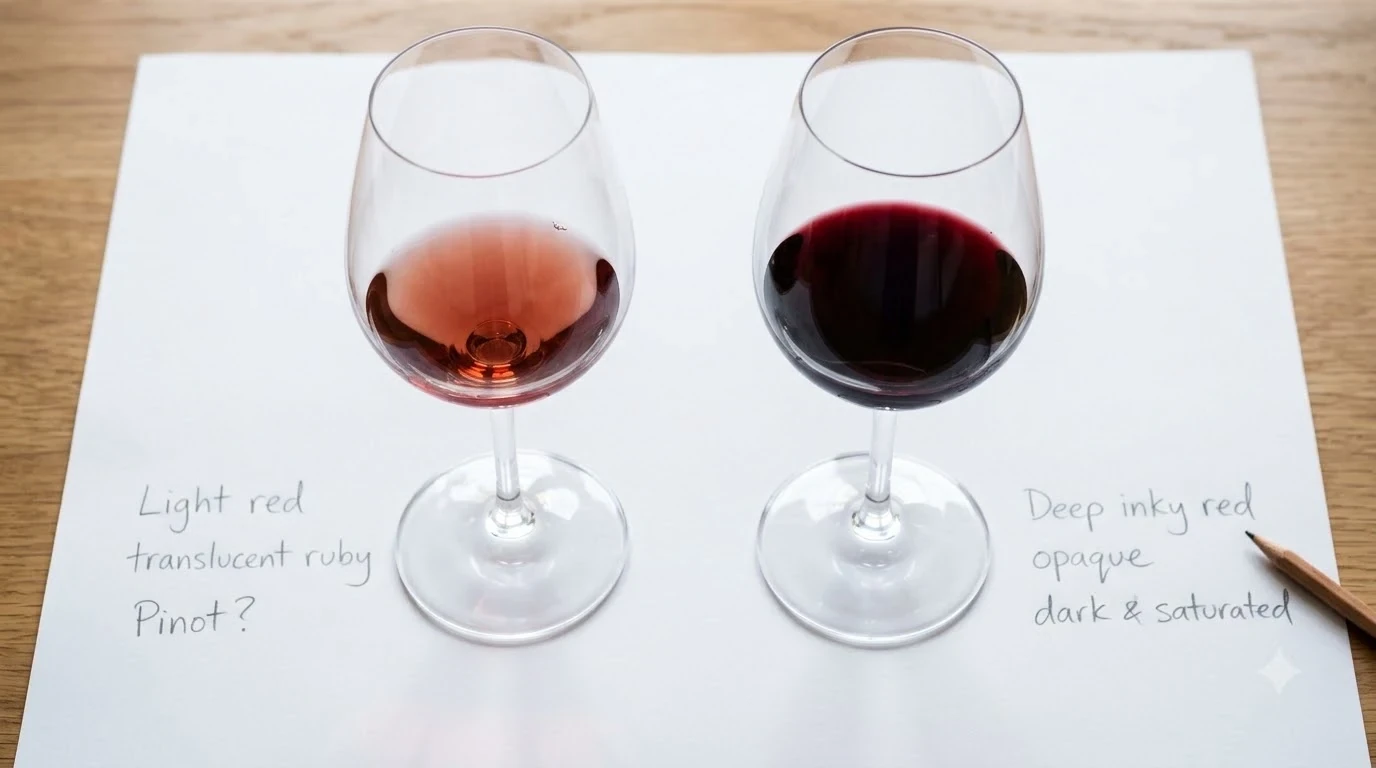
Is Pinot Noir always pale in color?
No. Cooler-region Pinot Noir is often relatively pale, while warmer sites can produce wines with deeper color and more concentrated fruit. Extraction during fermentation and the producer’s style also affect how dark the wine appears.
Pinot Noir’s appeal comes from the balance between freshness, delicate tannin, fruit, and texture. Choose a cooler-climate bottle for a brisker profile or a warmer-site example for riper fruit, then serve it slightly cool and pair it with savory food that respects its acidity. Paying attention to that balance is the simplest way to understand what makes Pinot Noir distinctive.
More in Wine Types & Grapes
 Zinfandel Sugar Content: Dry Red vs. White Zinfandel GramsUpdated Nov 21, 2026
 Best Zinfandel Substitute Options for Sipping and CookingUpdated Nov 21, 2026
 Zweigelt Food Pairing: Best Dishes, Cheeses, and Serving TipsUpdated Nov 21, 2026
 Zinfandel Tannins Explained: How Structure Shapes Every BottleUpdated Nov 21, 2026
 Zinfandel Sweetness Level: Dry Red vs. Sweet White Zin ExplainedUpdated Nov 21, 2026
 Xinomavro Food Pairing: Best Dishes, Styles, and Serving TipsUpdated Nov 21, 2026