

We may earn a commission when you buy through links on this page, at no extra cost to you. Learn more.
If you are wondering is pinot noir rose sweet or dry, it is almost always made in a crisp, dry style. Winemakers ferment nearly all of the grape sugars into alcohol, leaving minimal residual sugar behind while preserving Pinot Noir’s naturally bright acidity. Even though ripe aromas of strawberry, watermelon, and cherry can give an initial impression of fruitiness, the finish on the palate is clean, snappy, and refreshing rather than sugary.
Pinot Noir has earned a reputation as one of the most compelling red grapes for crafting dry pink wine across cool-climate regions worldwide. Understanding why this delicate, thin-skinned variety produces such bone-dry yet expressive bottles comes down to how winemakers handle skin contact, fermentation, and acidity.
What Is Pinot Noir Rosé?
Pinot Noir rosé is a still or sparkling pink wine produced from red Pinot Noir grapes whose skins are removed early in the winemaking process before deep red pigments and heavy tannins can extract into the juice. Because the yeast consumes the natural grape sugars during fermentation, the resulting wine contains very little residual sugar and lands squarely in the dry category.
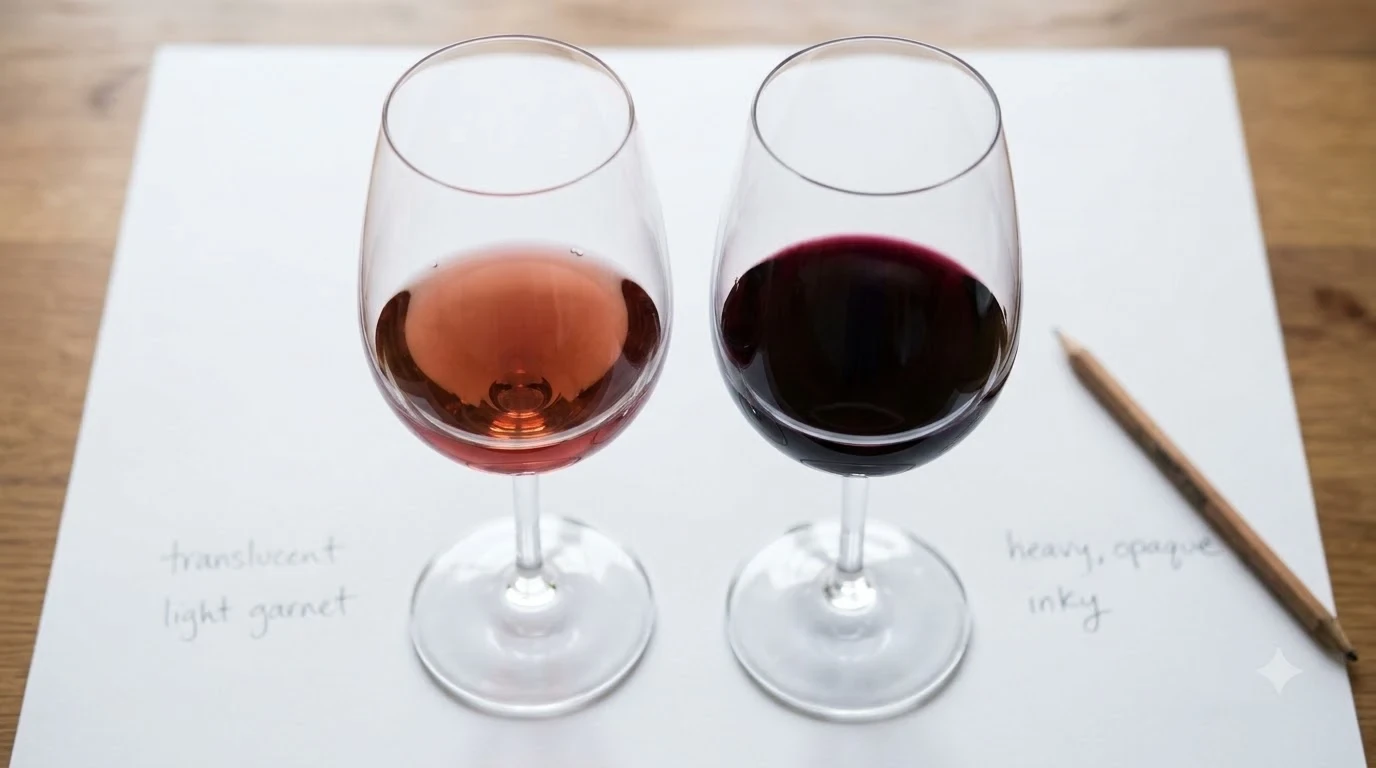
Unlike red Pinot Noir, which ferments on its skins for days or weeks to build color and structure, rosé of Pinot Noir relies on brief skin contact. Winemakers generally use two primary approaches to achieve this pale salmon or rose-gold hue. The first is direct pressing—often referred to as the vin gris method—where whole grape clusters are gently pressed right after harvest, allowing only a few hours of contact between the clear juice and the thin purple skins. According to Wine Folly’s guide to rosé styles, Pinot Noir is naturally sensitive and temperamental in the vineyard, yet its delicate skin chemistry allows producers to craft cool, crisp, and dry wines with remarkable finesse.
The second approach is the saignée (bled) method, in which a small portion of pink juice is drained off from a tank of fermenting red Pinot Noir to concentrate the remaining red wine. Rosés made via saignée tend to show a deeper coral hue and slightly more body, though they are still fermented to dryness. If you want to explore how other pink wines compare across the sweetness spectrum, our guide on is rose sweet or dry breaks down the major styles you will encounter on retail shelves.
Flavor Profile and Styles
Pinot Noir rosé is defined by bright red-berry aromatics, lively citrus acidity, and a clean, dry finish that balances fruit generosity with subtle mineral or herbal undertones. While most bottles fall into a dry, fruit-forward camp, winemaking choices such as barrel aging, whole-cluster pressing, and sparkling production create distinct stylistic variations.
On the nose, classic examples open with scents of fresh-picked strawberry, raspberry, watermelon, and Rainier cherry, often lifted by floral notes of rose petal or citrus blossom. Many drinkers mistake these fragrant, ripe berry aromas for actual sugar—a sensory phenomenon wine professionals call fruit-forwardness. Once the wine hits your tongue, however, high natural acidity and a lack of residual sugar take over, delivering flavors of tart pomegranate, blood orange, Meyer lemon, and white peach.
Across the market, you will find three recognizable expressions of Pinot Noir rosé:
- Crisp, stainless-steel dry rosé: Fermented and aged in temperature-controlled stainless steel tanks to lock in vibrant acidity, crunchy red fruit, and a snappy, mineral-driven finish.
- Textured, neutral-oak rosé: Fermented or aged briefly in neutral French oak barrels—sometimes with lees stirring—to add a creamy mid-palate weight and subtle hints of brioche or spice without adding sweetness.
- Sparkling rosé of Pinot Noir: Produced either in the traditional Champagne method or tank method, where high acidity and fine bubbles amplify the wine’s brisk, bone-dry character.
| Style Characteristic | Typical Pinot Noir Rosé Profile |
|---|---|
| Sweetness Level | Dry (minimal residual sugar) |
| Color Spectrum | Pale salmon, rose gold, to light copper-pink |
| Acidity | Medium-plus to high |
| Primary Fruit Notes | Strawberry, raspberry, watermelon, white peach |
| Secondary Notes | Rose petal, wet stone, citrus peel, fresh herbs |
| Body | Light to medium-bodied |
Where Pinot Noir Rosé Grows Best
Because Pinot Noir ripens early and loses its signature acidity quickly in excessive heat, the finest dry Pinot Noir rosés come from cool, coastal, or high-elevation wine regions. Cool daytime breezes and chilly nights preserve the brisk acid backbone that makes these rosés taste so refreshing.
In the United States, Oregon’s Willamette Valley is a premier source for Pinot Noir rosé, producing wines prized for their tart cranberry, strawberry, and earthy mineral tension. California’s cooler coastal appellations—including the Sonoma Coast, Russian River Valley, Los Carneros, Anderson Valley, and Santa Barbara’s Sta. Rita Hills—also excel at the style, offering slightly riper notes of watermelon and stone fruit balanced by coastal acidity.
In France, Pinot Noir plays a major role in dry pink wines across several historic regions. As VinePair’s Pinot Noir overview notes, producers in the Loire Valley craft crisp, dry Sancerre Rosé exclusively from Pinot Noir, while Champagne houses rely heavily on the grape for both still and sparkling rosés. You will also find vibrant, dry Pinot Noir rosés coming out of New Zealand’s Marlborough and Central Otago regions, as well as Chile’s cool Casablanca Valley. Exploring our broader resource on Wine by Type can help you see how cool-climate regions shape other classic varietals too.
How to Serve Pinot Noir Rosé
Pinot Noir rosé should be served well chilled—cold enough to keep its crisp acidity lively, but not so ice-cold that its delicate berry and floral aromatics are muted. Proper glassware and storage also help preserve the freshness that defines a great dry bottle.
Aim to serve a bottle straight out of a standard refrigerator after chilling it for at least two to three hours, or let it rest in an ice-and-water bucket for about twenty minutes before pouring. If the wine is served directly from a freezing cooler, let it warm in the glass for a few minutes so the subtle scents of strawberry, peach, and rose petal can open up. Unlike age-worthy red Burgundy, most still Pinot Noir rosés are designed to be enjoyed young—ideally within one to two years of the vintage date on the label—while their fruit and acidity are at peak vibrancy.
For glassware, a standard white wine glass with a medium-sized bowl is ideal. The narrower opening concentrates the nuanced red-berry bouquet while directing the wine toward the center of your palate, highlighting its dry, refreshing finish. Decanting is generally unnecessary for crisp stainless-steel versions, though a textured, barrel-fermented rosé can benefit from fifteen minutes of air in the glass.
Tip: Check the vintage year on the neck or front label before buying, and reach for the most recent harvest available to ensure bright acidity and fresh berry aromatics.
Food Pairing Ideas
Thanks to its combination of dry finish, high acidity, and subtle red-fruit depth, Pinot Noir rosé is one of the most versatile food wines at the table. It bridges the gap between crisp white wines and light-bodied reds, making it easy to pair with dishes that might overwhelm a delicate Sauvignon Blanc or clash with a tannic Cabernet.
Fresh, lighter fare highlights the wine’s zesty citrus and mineral side. Try pouring a chilled glass alongside a goat cheese and strawberry salad, poached shrimp, crab cakes, raw oysters, or sushi rolls. The wine’s natural acidity cuts right through rich creamy cheeses and buttery shellfish without weighing down your palate.
When you move to heartier main courses, Pinot Noir rosé has enough mid-palate structure to stand up to savory proteins and mild spice. Grilled salmon, herb-roasted chicken, pork tenderloin, charcuterie boards, and veggie flatbreads are all dependable matches. Because the wine is dry rather than sweet, it complements savory herbs like rosemary and thyme while refreshing the palate between bites of richer dishes. If you enjoy pairing crisp, food-friendly wines from the broader Pinot family, you might also like reading about is pinot gris sweet or dry or comparing it with is pinot blanc sweet or dry.
How to Choose a Dry Bottle
Identifying a dry Pinot Noir rosé on a crowded wine shop shelf becomes straightforward once you know which label clues indicate low residual sugar and crisp acidity. Producers rarely print exact residual sugar measurements on the front label, so reading the regional origin and winemaking terms is your best strategy.
First, look at the region of origin. Bottles labeled from cool-climate appellations such as Willamette Valley, Sonoma Coast, Russian River Valley, Anderson Valley, Sta. Rita Hills, or Sancerre are almost universally vinified dry. Second, check the back label for tasting notes and production details: terms like “whole-cluster pressed,” “stainless steel fermented,” “crisp,” “mineral,” or “brisk acidity” signal a dry profile, whereas words like “sweet,” “semi-sweet,” or “luscious” point toward noticeable residual sugar.
Alcohol by volume (ABV) offers another helpful clue. Because yeast converts grape sugar into alcohol during fermentation, dry Pinot Noir rosés typically sit around 12 percent to 13.5 percent ABV, whereas noticeably sweet pink wines often have lower alcohol levels because fermentation was stopped early to leave sugar behind.
Frequently Asked Questions
Why does Pinot Noir rosé smell sweet if it is a dry wine?
Ripe aromas of strawberry, watermelon, and cherry come from natural aroma compounds in the Pinot Noir grape rather than actual sugar. Wine experts call this quality “fruit-forward,” meaning your nose detects sweet-smelling fruit even though the yeast has fermented virtually all the sugar out of the liquid.
Is Pinot Noir rosé drier than White Zinfandel?
Yes, Pinot Noir rosé is significantly drier than traditional White Zinfandel. While White Zinfandel is intentionally made in a sweet, off-dry style with noticeable residual sugar, Pinot Noir rosé is fermented to dryness and relies on bright acidity for balance.
What color should a dry Pinot Noir rosé be?
Most dry Pinot Noir rosés range from pale onion-skin and rose gold to light salmon or copper-pink. Because Pinot Noir grapes naturally have thin skins with lower pigment levels than grapes like Syrah or Cabernet Sauvignon, even several hours of skin contact yields a delicate, translucent hue.
Can you age Pinot Noir rosé in a wine cellar?
Most Pinot Noir rosés are crafted for immediate enjoyment within one to two years of harvest while their bright acidity and fresh berry flavors are at their peak. A handful of structured, barrel-fermented examples can develop interesting savory complexity over three to five years, but freshness is usually the main appeal.
Knowing that Pinot Noir rosé is reliably crisp and dry takes the guesswork out of picking a bottle for warm-weather sipping or dinner pairings. Look for cool-climate regions, chill the bottle thoroughly, and enjoy the balance of vibrant berry aromatics with a clean, refreshing finish.
More in Wine Types & Grapes
 Zinfandel Sugar Content: Dry Red vs. White Zinfandel GramsUpdated Nov 21, 2026
 Best Zinfandel Substitute Options for Sipping and CookingUpdated Nov 21, 2026
 Zweigelt Food Pairing: Best Dishes, Cheeses, and Serving TipsUpdated Nov 21, 2026
 Zinfandel Tannins Explained: How Structure Shapes Every BottleUpdated Nov 21, 2026
 Zinfandel Sweetness Level: Dry Red vs. Sweet White Zin ExplainedUpdated Nov 21, 2026
 Xinomavro Food Pairing: Best Dishes, Styles, and Serving TipsUpdated Nov 21, 2026