

We may earn a commission when you buy through links on this page, at no extra cost to you. Learn more.
The pinot grigio sweetness level is usually dry, especially in the crisp, light-bodied Italian style most commonly sold in the United States. The grape can also make richer, off-dry and sweet wines, particularly when it is labeled Pinot Gris in Alsace. Region, harvest timing and fermentation choices matter more than the grape name alone.
Pinot Grigio is a useful wine to understand because its familiar style is straightforward, yet the variety has a wider range than its reputation suggests. Knowing how to spot the difference between dry citrus-driven wine and a softer, fruitier or genuinely sweet version makes it easier to choose a bottle for a meal, an aperitif or dessert.
What Is the Usual Pinot Grigio Sweetness Level?
Most Pinot Grigio is dry: fermentation converts most of the grape sugar into alcohol, leaving little residual sugar in the finished wine. The classic Italian version is light, crisp and refreshing, with lemon, green apple, pear or melon notes that can smell ripe without making the wine sweet. A faint almond-like or citrus-pith finish can add a slightly bitter edge, which is different from sugar-derived sweetness.
Dry does not mean flavorless or sharply sour. A good everyday Pinot Grigio can have clear fruit aromas, a rounded middle and a clean finish while still tasting dry. Its acidity gives the wine lift, and the finish generally feels more citrusy or gently bitter than sugary. A faint impression of sweetness can come from ripe pear or peach flavors rather than from a meaningful amount of sugar.
There are exceptions. Some bottles retain a little sugar to soften acidity or add weight, and some Pinot Gris styles are deliberately off-dry or sweet. The Consorzio vini DOC Delle Venezie describes its still Pinot Grigio as ranging from dry to medium-sweet, so even a major Italian designation allows more than one expression. For a typical bottle, though, dry is the sound expectation.
Think of the category as a spectrum: lean and bone-dry at one end, softly rounded in the middle, and richer or late-harvest at the sweet end. Most familiar Italian bottlings sit toward the dry side.
Why Italy and Alsace Taste Different
Regional style is the clearest reason two wines made from the same grape can seem like different wines. Italy’s Pinot Grigio is commonly light, brisk and dry, while Alsace Pinot Gris is often fuller, more textured and more likely to show some residual sweetness.
In northeastern Italy, especially the broad area represented by DOC Delle Venezie, the familiar style emphasizes freshness. The consortium describes its still wine as fresh and harmonious, with at least 11% alcohol by volume and minimum total acidity of 4.5 grams per liter. Its sparkling and semi-sparkling versions are separate styles. The consortium’s DOC Delle Venezie style descriptions show how one denomination covers several expressions.
Alsace, in northeastern France, generally produces a broader, more substantial Pinot Gris. The regional wine body describes aromas of dried fruit, apricot, honey, beeswax, gingerbread and smoke, alongside a full-bodied palate. Some producers ferment it dry; others preserve a little sweetness. Wine Enthusiast reports that harvest timing can shift the balance: picking earlier can preserve a drier profile, while later picking brings greater ripeness and fruitiness. The grape is also grown in the United States, Germany and New Zealand, so regional tendencies are clues rather than rules.
Read Pinot Grigio and Pinot Gris as two names for the same grape, not as formal guarantees of dryness. A specific producer’s style still matters more than the name on the front label.
Residual Sugar, Acidity, and Fruit Perception
Sweetness in wine has two parts: the sugar left after fermentation and the way the rest of the wine changes how that sugar feels. Acidity, alcohol, ripeness and serving temperature all influence perception, so the wine that smells sweetest is not necessarily the wine with the most residual sugar.
Residual sugar is the grape sugar left after fermentation. When yeast converts nearly all fermentable sugar into alcohol, the wine is dry; if fermentation stops earlier or sugar is otherwise retained, the result can be off-dry or sweet. A technical sheet may list residual sugar in grams per liter, but many standard bottles do not print the figure on the front label.
Acidity is especially important. Bright acidity can make a wine with a little residual sugar seem fresher and drier, while a softer wine can feel rounder. Decanter explains this through German Riesling: a wine’s sweetness impression depends on acidity as well as residual sugar. Its example of trocken wine containing up to 4 grams per liter, or up to 9 grams when acidity is sufficiently high, shows why sugar alone does not tell the whole story. Those numbers describe a German term, not a universal Pinot Grigio rule.
Fruit character can confuse the issue. Lemon, lime and green apple reinforce a crisp impression, while ripe pear, peach, melon, vanilla or honey can suggest sweetness even in a dry wine. Higher alcohol can also feel warm or faintly sweet. Chilling a white wine reduces how readily the palate detects sweetness, while a little time in the glass lets ripe fruit and texture show more clearly. When tasting, notice whether the finish feels clean and crisp or leaves a lasting sugary impression; that final sensation is often more useful than the first fruit aroma.
Winemaking Choices That Change the Final Style
Pinot Grigio’s final sweetness is shaped by decisions made before and after harvest. Picking date, grape condition, fermentation and the choice to retain or ferment residual sugar can produce very different wines from the same variety.
Harvest timing is one of the most important choices. Earlier-picked grapes generally have brighter acidity and can support a taut, dry style. Later-picked grapes develop riper flavors and higher potential alcohol, and a winemaker may retain some sugar to balance the wine. Wine Enthusiast’s reporting from Alsace describes the contrast between earlier picking for dry wine and later picking for a more fruit-rich, off-dry result.
Fermentation determines how much sugar remains: yeast consumes most available sugar in a fully fermented dry wine, while a winemaker can stop fermentation with some sugar left for a softer style. Alsace Pinot Gris can also be made as Vendanges Tardives, or late-harvest wine, from very ripe grapes. In suitable conditions, botrytis cinerea, known as noble rot, can concentrate the berries and add complexity. These bottles are deliberate, concentrated wines rather than everyday Pinot Grigio.
Skin contact, oak and lees can change color, aroma and texture without automatically making a wine sweet. Pinot Grigio’s gray-pink skins can give a coppery or pink-tinged ramato expression rather than the familiar pale straw color. Extra time on lees or in oak can add weight, but a fuller palate does not necessarily mean higher residual sugar.
How to Read the Bottle and Choose a Sweetness Style
Start with the region and producer, then look for words that describe sweetness. An Italian Pinot Grigio is a sensible choice for a dry white; a fuller Alsace Pinot Gris deserves closer attention if you want to avoid unexpected sweetness.
On an Italian bottle, secco indicates dry, while abboccato points toward a softer, slightly sweet impression. Terminology varies by designation, so combine the label clue with the region and producer. In Alsace, dry, off-dry and sweet Pinot Gris all exist; a late-harvest mention is a stronger signal that the wine will be sweet.
The DOC Delle Venezie figures below show how one regional specification describes different styles. They are minimum alcohol and acidity values, not a sugar chart or universal measurements for every Pinot Grigio.
| DOC Delle Venezie style | Described sweetness | Minimum alcohol | Minimum total acidity |
|---|---|---|---|
| Still Pinot Grigio | Dry to medium-sweet | 11% ABV | 4.5 g/L |
| Pinot Grigio Spumante | Zero dosage to dry | 11% ABV | 5.0 g/L |
| Pinot Grigio Frizzante | Dry to medium-sweet | 11% ABV | 4.5 g/L |
Spumante is sparkling, while frizzante is semi-sparkling, so both have a different texture from still Pinot Grigio. The consortium’s figures describe that designation, not the residual sugar of an individual bottle. If no sweetness term appears, use producer notes: crisp, dry, zesty and mineral suggest a leaner style, while rounded, lush, honeyed and off-dry suggest more weight or sweetness. Those tasting words are not a residual-sugar measurement, but they help narrow the choice.
Tip: For a reliably crisp first choice, look for an Italian Pinot Grigio described as dry or secco. If you want a softer white with more body, explore Pinot Gris from Alsace and ask whether the producer’s bottling is dry or off-dry.
Food Pairings, Serving Temperature, and Storage
Dry Pinot Grigio is at its best with light dishes that let its acidity and fresh fruit show. Fuller Pinot Gris can take richer food, and a genuinely sweet version needs a pairing that will not make it taste thin or sour.
Pair crisp Italian Pinot Grigio with shrimp, oysters, grilled white fish, chicken salad, vegetable antipasti, fresh mozzarella or pasta with lemon and olive oil. Its acidity refreshes the palate after olive oil, butter or mild cheese, while its light body suits delicate seafood. Fuller Alsace Pinot Gris can handle roast pork, duck, poultry with cream sauce, mushrooms, risotto and aged cheeses; an off-dry style also works with pork and apple or a sauce containing dried apricot.
For dessert, the wine should be at least as sweet as the food. A dry Pinot Grigio beside a very sweet pastry may taste thin, while a sweet late-harvest Pinot Gris is better suited to fruit tart or pear dessert. Acidic dishes also need a wine with equal or higher acidity; a lively Italian Pinot Grigio is a natural match for a lemon-dressed seafood salad. Serve light-bodied Pinot Grigio at 45–50°F, cool enough to refresh but not so cold that its aromas disappear. For more temperature and glassware advice, see how to serve Pinot Grigio.
Store unopened bottles on their side in a cool, dark place near 55°F if they have a cork. Most simple Pinot Grigio is made to enjoy young. Once opened, reseal and refrigerate it; most still wines keep for about 3–5 days. A 750-milliliter bottle poured in 5-ounce servings gives about five glasses. Color is not a reliable clue to sweetness: pale straw is common, while copper or pink can signal a ramato expression. See Pinot Grigio color, compare the Pinot Noir sweetness level, or browse Wine by Type for more grape-by-grape explanations.
Frequently Asked Questions
The most useful quick checks are the grape’s alternate name, the skin’s natural color, and the special terms used for concentrated late-harvest wines. A 750-milliliter bottle is also a handy size reference when deciding how much to chill for a meal.
Is Pinot Gris the same grape as Pinot Grigio?
Yes. Pinot Gris and Pinot Grigio are two names for the same gray-skinned grape, which is a member of the Pinot family. It is a genetic sibling of Pinot Noir and Pinot Blanc, rather than a white mutation of Chardonnay or another unrelated variety.
Why can Pinot Grigio look pink or copper?
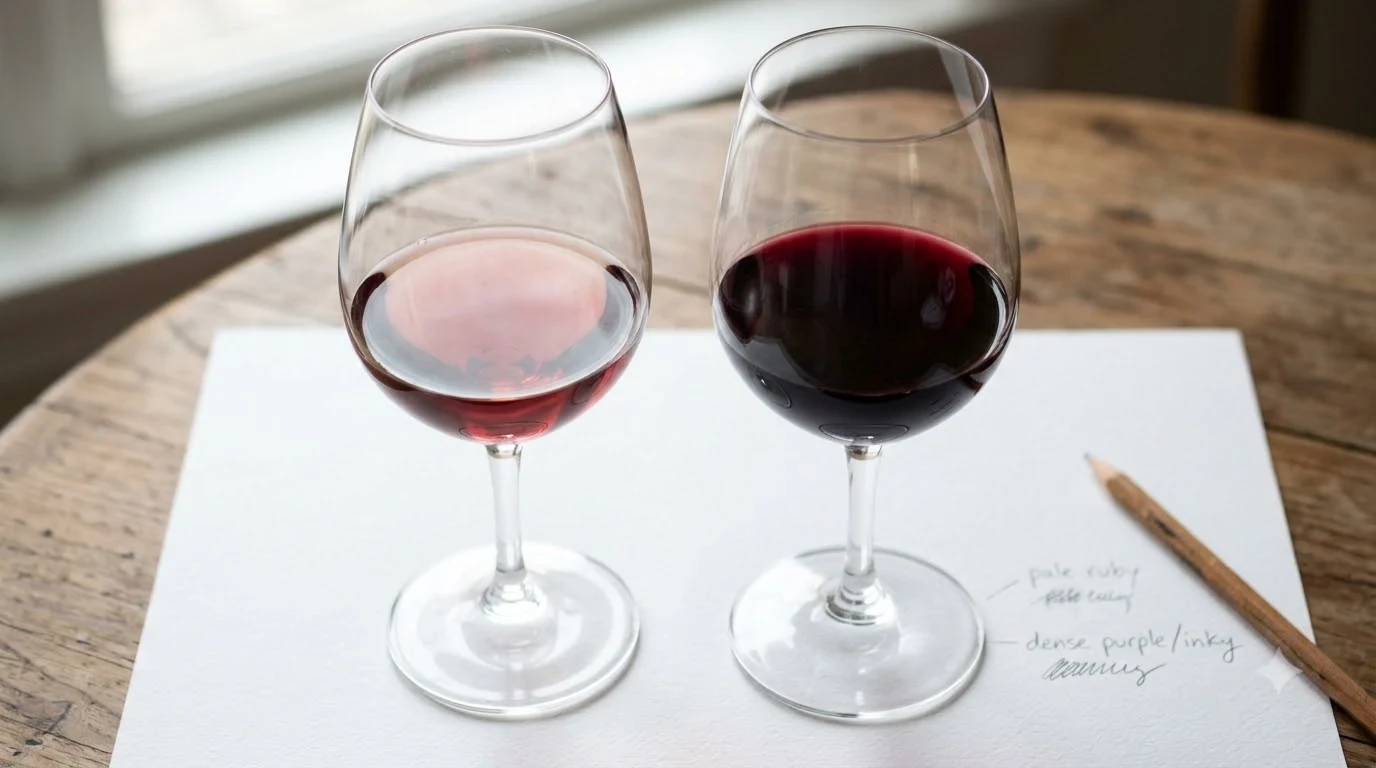
The grape’s skins are naturally pinkish-gray, even though the familiar wine is usually pale. Brief contact between juice and skins can transfer some pigment into the wine, creating a copper or blush hue. This color extraction is separate from the amount of sugar left after fermentation.
Does higher alcohol mean Pinot Grigio is sweeter?
No. Alcohol level does not provide a dependable residual-sugar measurement, because yeast can convert grape sugar into alcohol during fermentation. Alcohol can contribute a warm or faintly sweet sensation, but a wine’s actual sugar content is a separate figure.
Can an Alsace Pinot Gris be worth aging?
Some concentrated examples have more development potential than simple, fresh Italian Pinot Grigio. For late-harvest Alsace Pinot Gris, winemaker Alexandre Schoffit recommends at least eight years of aging, allowing the wine’s concentrated fruit and structure time to evolve.
What does noble rot mean on a sweet Pinot Gris?
Noble rot is the beneficial form of the fungus Botrytis cinerea, which can affect ripe grapes under suitable vineyard conditions. It causes water loss and concentrates sugar and flavor compounds in the berries. The result can be a deeply flavored dessert wine rather than the crisp, everyday style most people associate with Pinot Grigio.
For most shoppers, the pinot grigio sweetness level to expect is dry, especially from classic Italian bottlings. Explore Pinot Gris from Alsace when you want more body or a touch of sweetness, and use the producer’s description to narrow the choice. Once you know the regional clues, it becomes much easier to find the style that suits the glass and the meal.
More in Wine Types & Grapes
 Zinfandel Sugar Content: Dry Red vs. White Zinfandel GramsUpdated Nov 21, 2026
 Best Zinfandel Substitute Options for Sipping and CookingUpdated Nov 21, 2026
 Zweigelt Food Pairing: Best Dishes, Cheeses, and Serving TipsUpdated Nov 21, 2026
 Zinfandel Tannins Explained: How Structure Shapes Every BottleUpdated Nov 21, 2026
 Zinfandel Sweetness Level: Dry Red vs. Sweet White Zin ExplainedUpdated Nov 21, 2026
 Xinomavro Food Pairing: Best Dishes, Styles, and Serving TipsUpdated Nov 21, 2026