

We may earn a commission when you buy through links on this page, at no extra cost to you. Learn more.
Port history explains how a wine from Portugal’s Douro Valley became one of the world’s best-known fortified wines. Its development was shaped by British demand, changing trade rules, and efforts to protect the wine’s origin and quality. The milestones also explain why Port today includes distinct styles such as ruby, tawny, white, and vintage.
Port is not simply a sweet red wine with brandy added. It is the result of centuries of farming, river transport, international commerce, and regulation in northern Portugal. Understanding that sequence makes the name, production method, and range of styles easier to place in context.
Before Port, the Douro Had a Long Winemaking Tradition
The Douro Valley was producing wine long before the name Port appeared in commercial records. Archaeological remains of stone wine-treading tanks and casks point to winemaking during the 3rd and 4th centuries, while vineyards expanded through the centuries that followed. These early wines were not necessarily Port as the term is used today. The important distinction is between the ancient history of Douro viticulture and the later emergence of a recognizable fortified wine for export.
The Douro is an inland valley in northern Portugal, following the river east from the Atlantic coast toward the Spanish border. Its steep slopes and hot, dry growing conditions helped produce wines with more concentration than the lighter wines made closer to Porto. The valley’s landscape also shaped how wine moved. Before modern roads and railways, the river was the main practical route for carrying casks toward the coast, linking inland growers with merchants and ships.
Port takes its name from Porto, the coastal city from which the wine was shipped, rather than from the inland vineyards where the grapes grew. Across the river from Porto, Vila Nova de Gaia became the storage and trading center. The arrangement created a division of labor: growers tended vineyards and made wine in the Douro, while merchants in the coastal cities organized storage, blending, aging, and export. That geography remains central to understanding where Port is from, because the place named on the bottle refers to a wider system of production and trade.
British Trade and the Methuen Treaty Created a Larger Market
Port’s international rise was closely tied to conflict between England and France. English merchants had long relied on French wine, particularly from Bordeaux, but political tensions and high import duties made that trade more difficult near the end of the 17th century. Portugal offered an alternative, and the northern port city of Porto gave English merchants access to wines from the Douro hinterland.
The shift was driven by economics as well as taste. WSET notes that by 1698, taxation on French wine had become sufficiently high to make alternative sources attractive. The 1703 Methuen Treaty then gave Portuguese wine a much lower English import-duty rate than French wine, helping formalize a trade that had already begun to grow. In return, Portugal granted favorable terms to English woolen cloth. The agreement made the commercial relationship more predictable, but it did not create Port from nothing: merchants were already exploring northern Portugal for alternatives.
At first, the wines around Porto did not satisfy English buyers, who wanted something fuller than the lighter red wine of the Minho. Merchants traveled inland along the Douro to source richer wines from the warmer valley. Job Bearsley, a London merchant whose business was founded in 1692 and later became associated with Taylor’s, is one example of the early English presence. Wine was bought from local growers, moved downriver to Vila Nova de Gaia, and stored in lodges before export. As WSET’s account of the history of Port describes, the British market helped turn a regional Douro product into a major export wine.
Fortification Changed Port From a Dry Shipping Wine Into a Sweet Classic
Early Port was not necessarily sweet. In the first decades of the export trade, most Douro wine was dry, and merchants sometimes added a small amount of grape spirit before shipping to help the wine survive a long sea journey. This early practice is different from the defining modern method, in which spirit is added while fermentation is still underway. Confusing those two stages can make Port’s development seem simpler than it was.
The modern method grew out of changing tastes. During fermentation, yeast converts grape sugar into alcohol. When a producer adds grape spirit before fermentation is complete, the high alcohol level stops the yeast, leaving some natural grape sugar in the wine. WSET describes a typical modern sequence in which spirit is added after two or three days, when about half the sugar has fermented. The result is a fortified wine with both sweetness and substantial strength, rather than a dry wine that was merely fortified before a sea voyage.
A particularly ripe 1820 vintage helped popularize the sweeter style. According to WSET, the grapes were so rich in sugar that fermentation did not finish, and the resulting wines were widely admired. Producers began adding spirit earlier to reproduce that sweetness more reliably. The change was not universally welcomed: Douro expert Joseph James Forrester criticized the increasingly sweet, alcoholic style in an 1844 publication. The market nevertheless favored it, and the sweet, fortified profile became the familiar identity of Port.
Tip: When comparing a historic description of Port with a modern bottle, ask when the spirit was added. Fortifying a finished dry wine for transport is not the same process as stopping fermentation early to preserve grape sweetness.
The Marquis of Pombal Put Origin and Quality Under Formal Control
Rapid export growth created opportunities for fraud as well as prosperity. In the first half of the 18th century, demand encouraged speculation, and some merchants or growers were accused of stretching supplies with wines from outside the Douro or adding elderberry to make weak wine look darker and richer. The dispute damaged trust between British shippers and Portuguese growers. When demand fell and overproduction became serious in the 1750s, producers sought government intervention.
In 1756, Portugal’s prime minister, the Marquis of Pombal, established the Companhia Geral da Agricultura das Vinhas do Alto Douro. The company was intended to regulate the trade, protect the wine’s reputation, and balance production and sales. The same year, the Port-producing area was demarcated and marked with 335 stone pillars known as marcos pombalinos. This made geographical origin a matter of public record rather than a loose claim made by a seller. It also established an early model for the formal regulation of wine regions.
The following timeline highlights the major milestones documented by WSET, Taylor Fladgate, and Douro regional sources.
| Year | Historical milestone |
|---|---|
| 1678 | Customs records refer to Port by name. |
| 1703 | The Methuen Treaty strengthens Portuguese wine exports to England. |
| 1756 | Pombal establishes the regulating company and demarcates the Port-producing area with 335 stone pillars. |
| 1757 | The first comprehensive classification of Port vineyards is carried out. |
| 1820 | An exceptionally ripe harvest helps popularize sweeter Port. |
| 1844 | Joseph James Forrester publishes criticism of increasingly sweet Port. |
| 1870s | Phylloxera reaches the Douro vineyards. |
| 1986 | Portugal enters the European Economic Community. |
| 1991 | Port producers gain access to open-market purchases of aguardente. |
| 2001 | The Alto Douro Wine Region receives UNESCO World Heritage recognition. |
The rules went beyond drawing a boundary. Taylor Fladgate’s historical account records that the first comprehensive vineyard classification followed in 1757. Better-rated vineyards, whose wines were called vinhos de feitoria, could supply export markets, while wines classed as vinhos de ramo were restricted to domestic sale. Authorities also moved against common adulteration practices, including the use of elderberry. The measures were controversial and gave the state considerable control, but they helped connect Port’s name to a defined place and a regulated standard. The company’s summary of Pombal’s reforms explains how the 1756 demarcation and 1757 classification shaped later protection of the region.
River Trade, Phylloxera, and Political Change Reshaped the Industry
For much of Port’s early commercial history, transport depended on the Douro River. Wine traveled from the inland valley toward Vila Nova de Gaia, where merchants held casks in lodges and prepared shipments for export. The river’s rapids made the journey difficult, and the coastal crossing added another challenge. This system explains why the vineyards, the river, Gaia’s warehouses, and Porto’s export connections developed as parts of one wine economy rather than as separate attractions.
The 19th century brought both wider popularity and severe setbacks. Port became a fixture of British drinking culture, with different bottlings serving different audiences. Vintage Port was associated with wealthy consumers and long bottle aging, while less expensive ruby Port reached ordinary pubs and was sometimes lengthened with lemonade. Yet the Douro’s vineyards faced phylloxera in the 1870s. The tiny root-feeding insect devastated vines across the region, forcing growers to replant using resistant American rootstocks. Recovery was gradual and altered the vineyard landscape as producers rebuilt their holdings.
The 20th century added political and economic pressures. The World Wars and the Depression disrupted trade, and Portugal’s long authoritarian period limited the industry’s ability to adapt. WSET describes the country’s entry into the European Economic Community in 1986 as a turning point that helped end restrictive practices. In 1991, producers were allowed to buy aguardente, the grape spirit used for fortification, on the open market instead of relying on a state monopoly. Those changes gave producers more freedom over sourcing and production, while later investment and tourism brought new attention to the Douro landscape.
Port Styles Carry Different Parts of the Same History
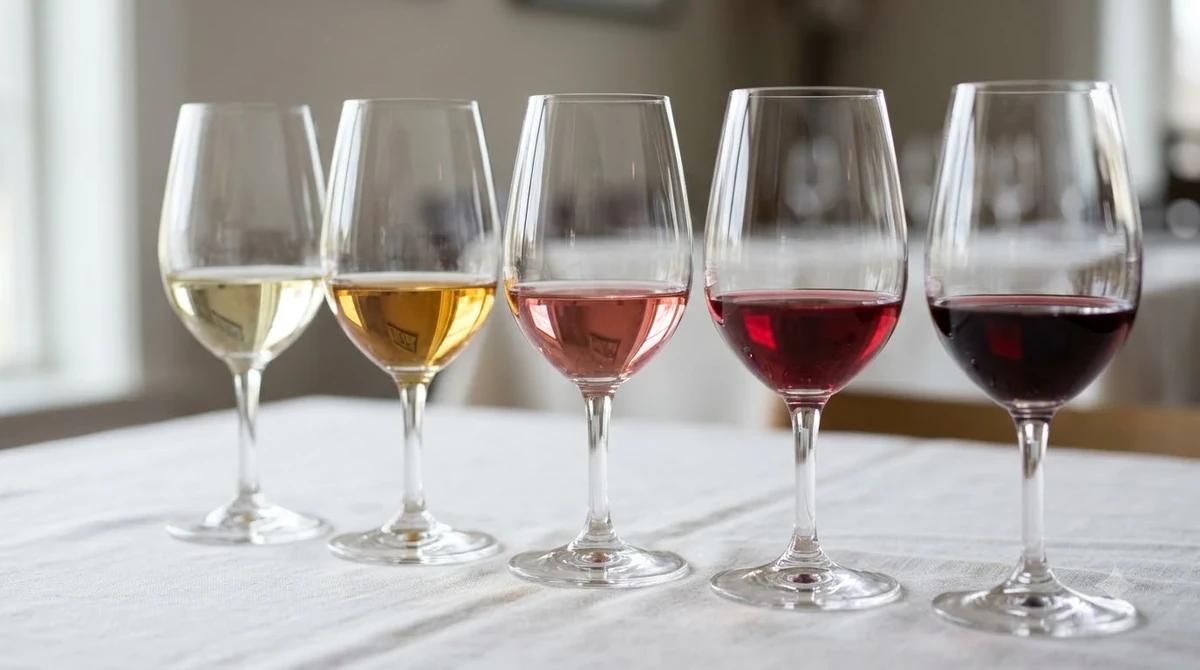
Modern Port is a family of wines rather than one fixed style. Ruby Port preserves a deep color and fruit-forward profile through relatively limited exposure to oxygen, while tawny Port develops amber tones and nutty, dried-fruit character through longer wood aging. White Port is made from white grapes and can range from dry to sweet. Vintage Port is associated with exceptional harvests and long development in bottle. The styles make more sense when viewed as different answers to the same historic questions: how should the wine be aged, how should it be shipped, and what character should the drinker find in the glass?
Time and the aging vessel matter. Ruby styles are generally kept in larger vessels to retain fruit, whereas tawny styles spend longer in smaller wooden casks, where gradual oxygen exposure changes color and aroma. Age statements on tawny labels, such as 10, 20, or 40 years, describe a blended style intended to show the character of that age category. For readers comparing strength and serving choices, the separate article on tawny Port alcohol content is useful because fortification gives Port a different alcohol profile from most unfortified table wines.
Vintage Port follows another path. A producer declares a vintage only when the harvest is considered good enough for that category, and the wine is bottled relatively young so that it can mature in bottle over many years. It often develops sediment as it ages, which is why careful decanting is part of traditional service. Late Bottled Vintage, often shortened to LBV, comes from a single harvest too, but spends longer aging in wood before release. These distinctions show how a single region can offer wines designed for immediate enjoyment as well as bottles intended for long cellaring.
Port also has a place beyond the traditional after-dinner glass. Tawny’s nutty character can work in mixed drinks, where it adds sweetness, body, and wine-derived complexity without relying on spirits alone. A tawny Port cocktail is one way to explore that role, while the broader Wine by Type reference helps place fortified wines alongside still and sparkling categories. The important point is that Port’s history is still visible in its range: the wine developed through export, fortification, regulation, and long experimentation with aging.
Frequently Asked Questions
These additional details clarify some of the production terms and regional milestones associated with Port.
Which grapes are traditionally used to make Port?
Many varieties are permitted in the Douro, but Touriga Nacional and Touriga Franca are two important black grapes used for red Port. Producers may blend several varieties to build color, structure, aroma, and balance. Small quantities of Port are also made from white grapes.
What is aguardente in Port production?
Aguardente is the grape spirit used to fortify Port. It is added during fermentation to stop yeast activity and retain some natural grape sugar. WSET describes the resulting wine as being around 20% alcohol by volume.
How long does Late Bottled Vintage Port age before release?
Late Bottled Vintage Port is made from one harvest and can spend up to six years aging in wood before bottling. That longer cask period generally makes it more ready to drink on release than a young Vintage Port. Some LBV bottlings are unfiltered and can continue developing in bottle.
What is Single Quinta Port?
Single Quinta Port comes from one named estate rather than a blend of different estates. Producers may release it in years that do not justify a full Vintage Port declaration. It generally matures more quickly than classic Vintage Port, offering another way to explore a particular vineyard’s character.
When did the Douro Valley become a UNESCO World Heritage Site?
UNESCO added the Alto Douro Wine Region to its World Heritage List in 2001. The designation recognizes a cultural landscape shaped by generations of vineyard work, terracing, and wine production. It recognizes the broader region, not only the warehouses and lodges across the river from Porto.
Port’s story connects ancient Douro viticulture with the trade routes, British tastes, and Portuguese regulation that shaped a distinct fortified wine. Knowing the difference between ruby, tawny, white, and vintage styles makes that history easier to appreciate in the glass and gives every bottle a clearer sense of place.
More in Wine Types & Grapes
 Zinfandel Sugar Content: Dry Red vs. White Zinfandel GramsUpdated Nov 21, 2026
 Best Zinfandel Substitute Options for Sipping and CookingUpdated Nov 21, 2026
 Zweigelt Food Pairing: Best Dishes, Cheeses, and Serving TipsUpdated Nov 21, 2026
 Zinfandel Tannins Explained: How Structure Shapes Every BottleUpdated Nov 21, 2026
 Zinfandel Sweetness Level: Dry Red vs. Sweet White Zin ExplainedUpdated Nov 21, 2026
 Xinomavro Food Pairing: Best Dishes, Styles, and Serving TipsUpdated Nov 21, 2026